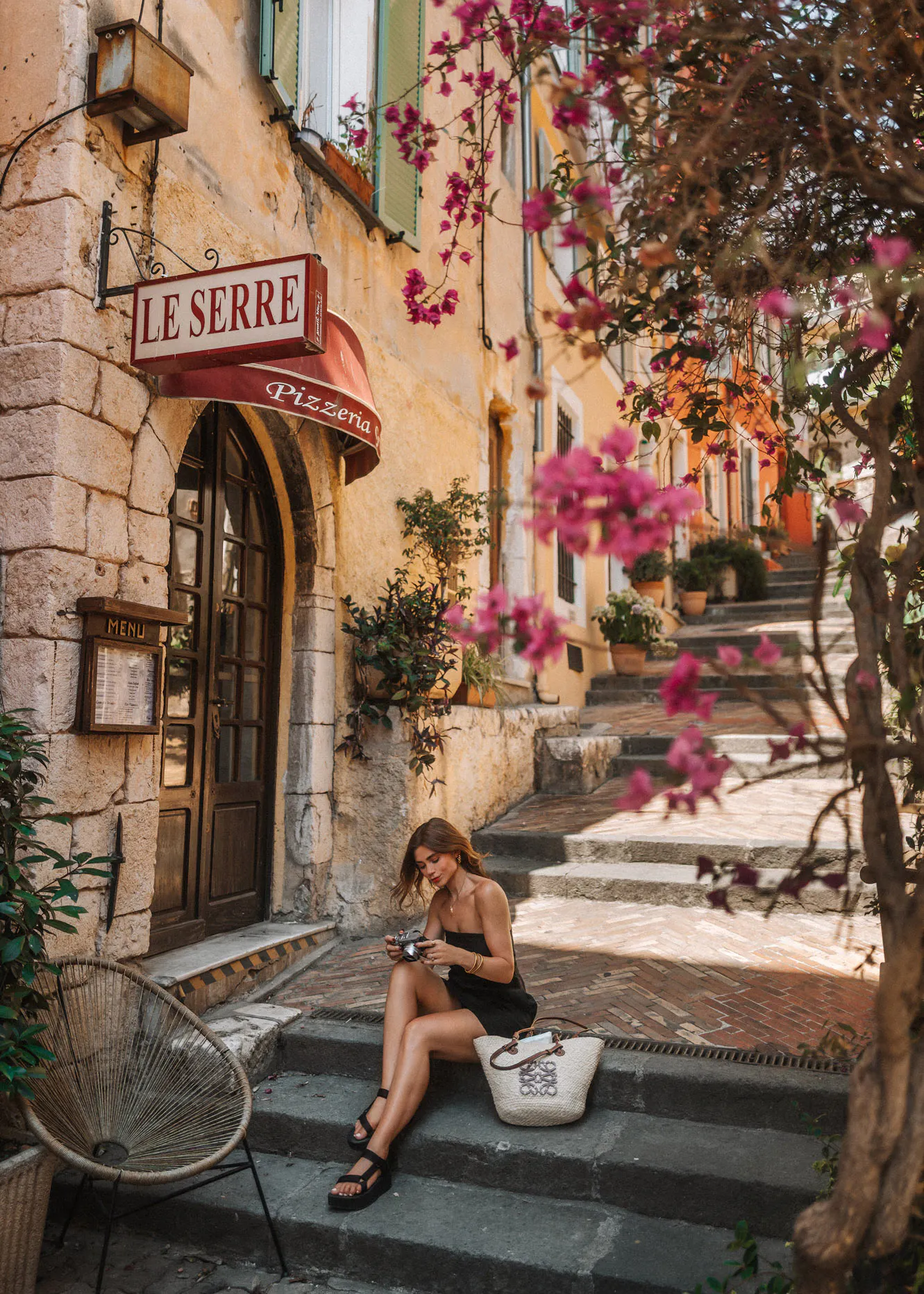
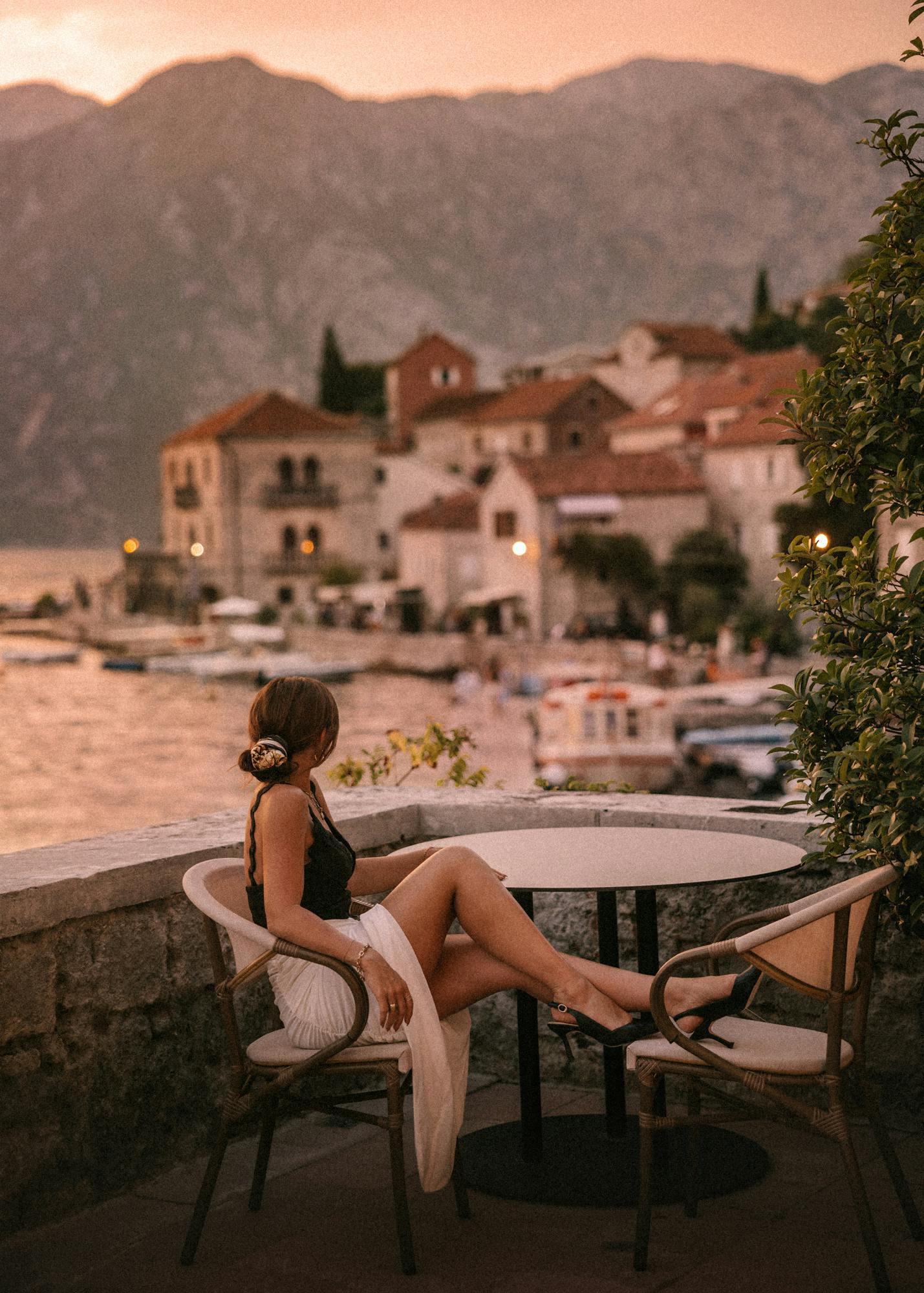
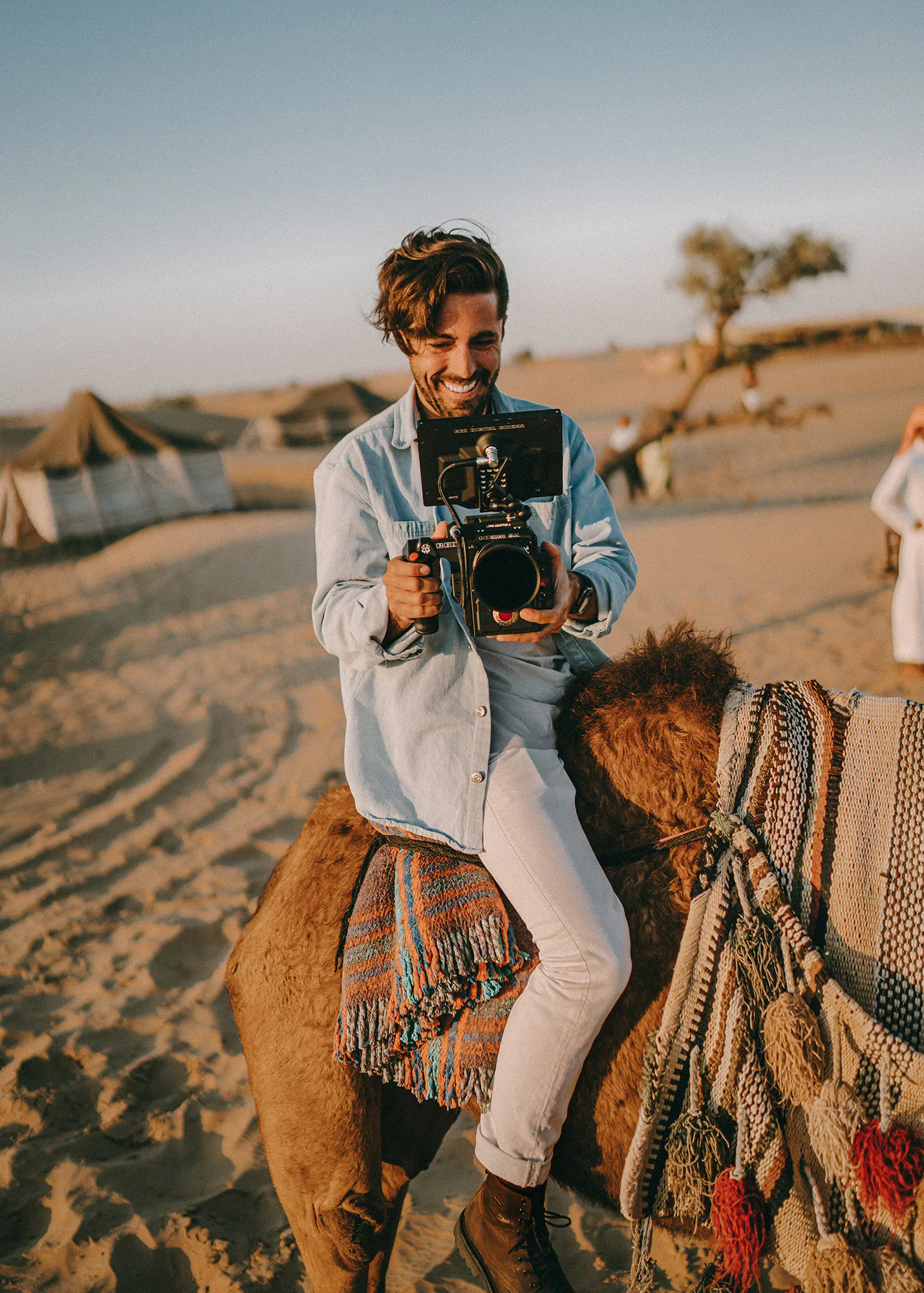
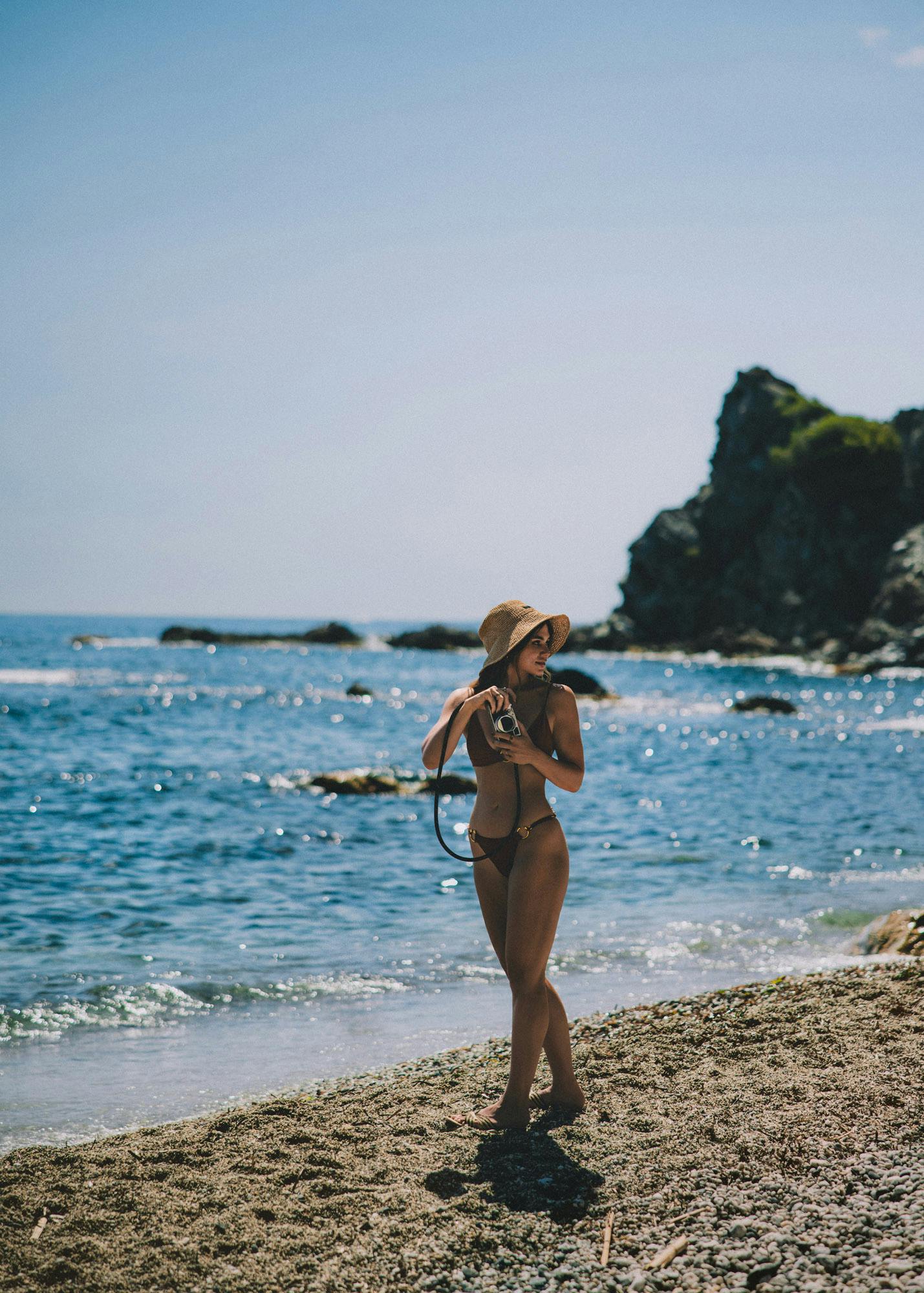
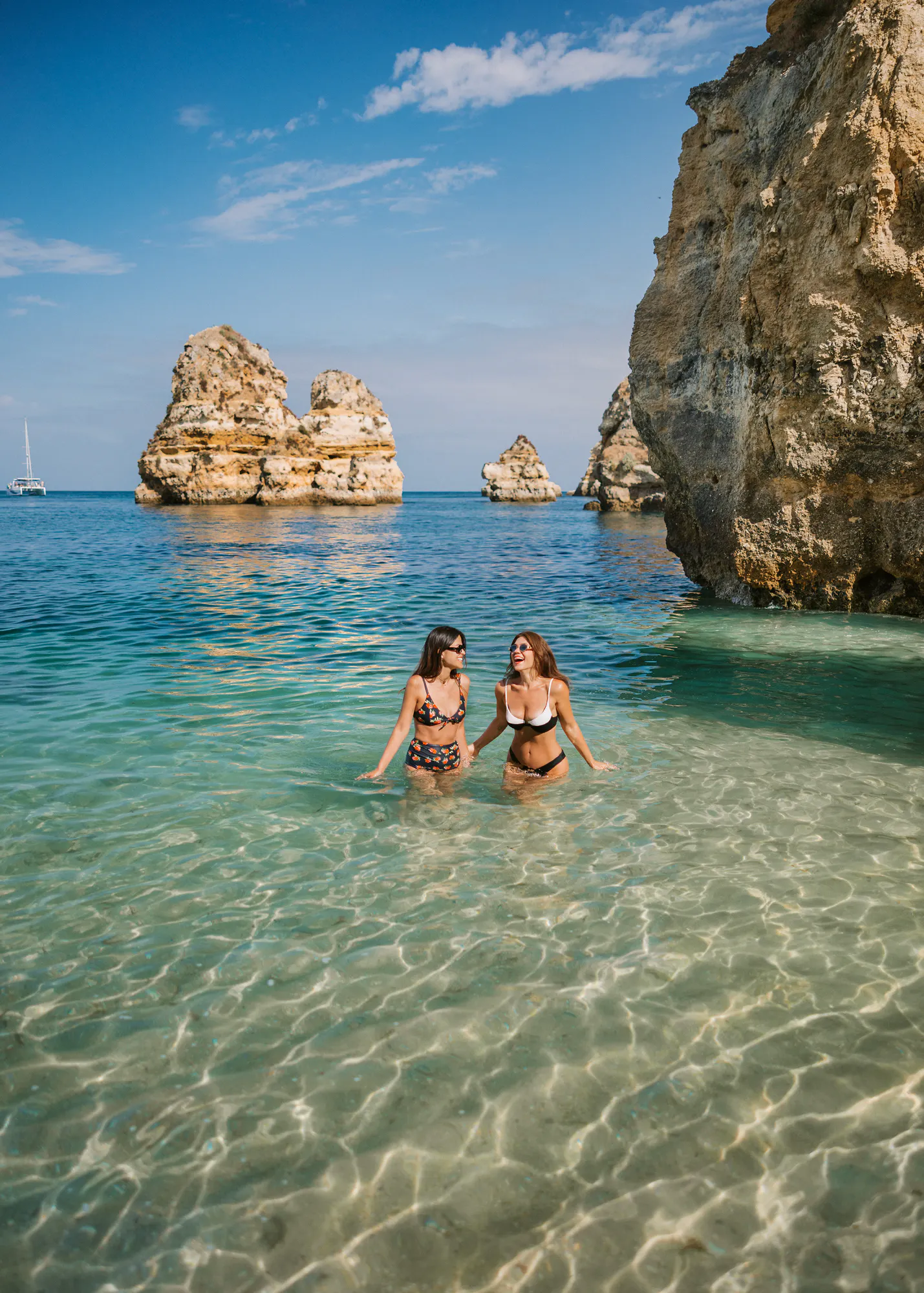
My travel camera shortlist starts with the Sony A7C II for a compact full-frame setup, the Canon EOS R50 for beginners, and the Fujifilm X100VI for photographers who want a fixed lens. The Canon EOS R5 Mark II is what I use for professional work, but its size and cost make it a different choice from a camera for an everyday vacation.
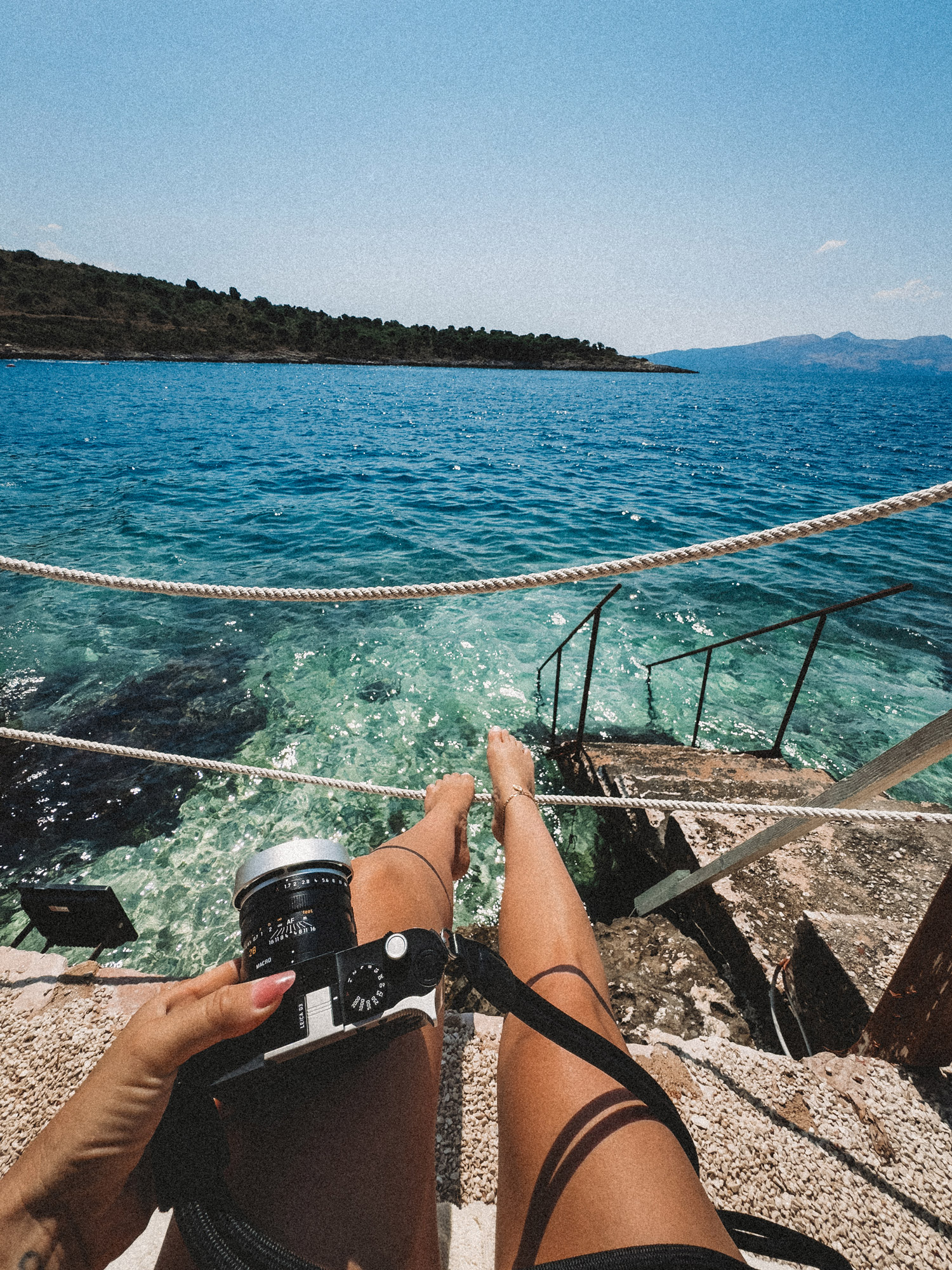
After 10 years of working as a full time travel photographer, I have worked my way through so many different models and brands of cameras, lenses, tripods, and continually added and removed things from my travel camera bag - both because the technology is constantly changing and improving, and because more often than I would like to admit, I think one thing will work for me but it really won't.
Start with the camera and lens together: how much you want to carry, what you want to photograph, and what the complete setup costs. This guide covers the cameras first, then the tripods, bags and other gear that go with them.
The Canon R5 Mark II and Leica Q3 sections describe the cameras in my own kit. The other sections explain which cameras suit different needs. The weight comparisons use manufacturer specifications so you can compare the camera and lens together.
Which Travel Camera Fits Your Trip?
| Camera | Best fit | Lens setup | Main tradeoff |
|---|---|---|---|
| Sony A7C II | Compact full-frame setup | Interchangeable; FE 28-60mm is a small starting kit | A different lens changes the weight, price and reach |
| Canon EOS R50 | Learning photography with room to change lenses | Interchangeable; RF-S18-45mm is a small starting kit | The kit zoom is too short for distant wildlife |
| Fujifilm X100VI | Street scenes and everyday travel with one lens | Fixed 23mm f/2; 35mm-equivalent view | No optical zoom or interchangeable lenses |
| Canon G7 X II / III | A compact camera with a built-in zoom | 24-100mm-equivalent zoom | Check the exact model and current price; not automatically a budget buy |
| Canon EOS R5 Mark II | My professional photo and video work | Interchangeable; I use the RF 28-70mm f/2 | My setup is heavy and expensive for a casual trip |
| Leica Q3 | The premium fixed-lens camera in our kit | Fixed 28mm f/1.7 | High cost and no interchangeable lenses |
For a useful size comparison, the Sony A7C II with FE 28-60mm lens is about 681g, the black Canon R50 with RF-S18-45mm lens is about 505g, and the fixed-lens Fujifilm X100VI is about 521g. These are manufacturer-based figures including battery and memory card, not weights from my own scale. The two kit totals add the stated lens weight; straps, caps and extra accessories are excluded.
If your priority is a small camera with a built-in lens, see my compact travel camera guide for a more focused comparison.
Shop These Cameras: Sony A7C II, Canon R50 Lens Kit, Fujifilm X100VI.
See my breakdown of the best Travel Video and Vlogging Cameras here.
The Best Travel Mirrorless Camera Bodies
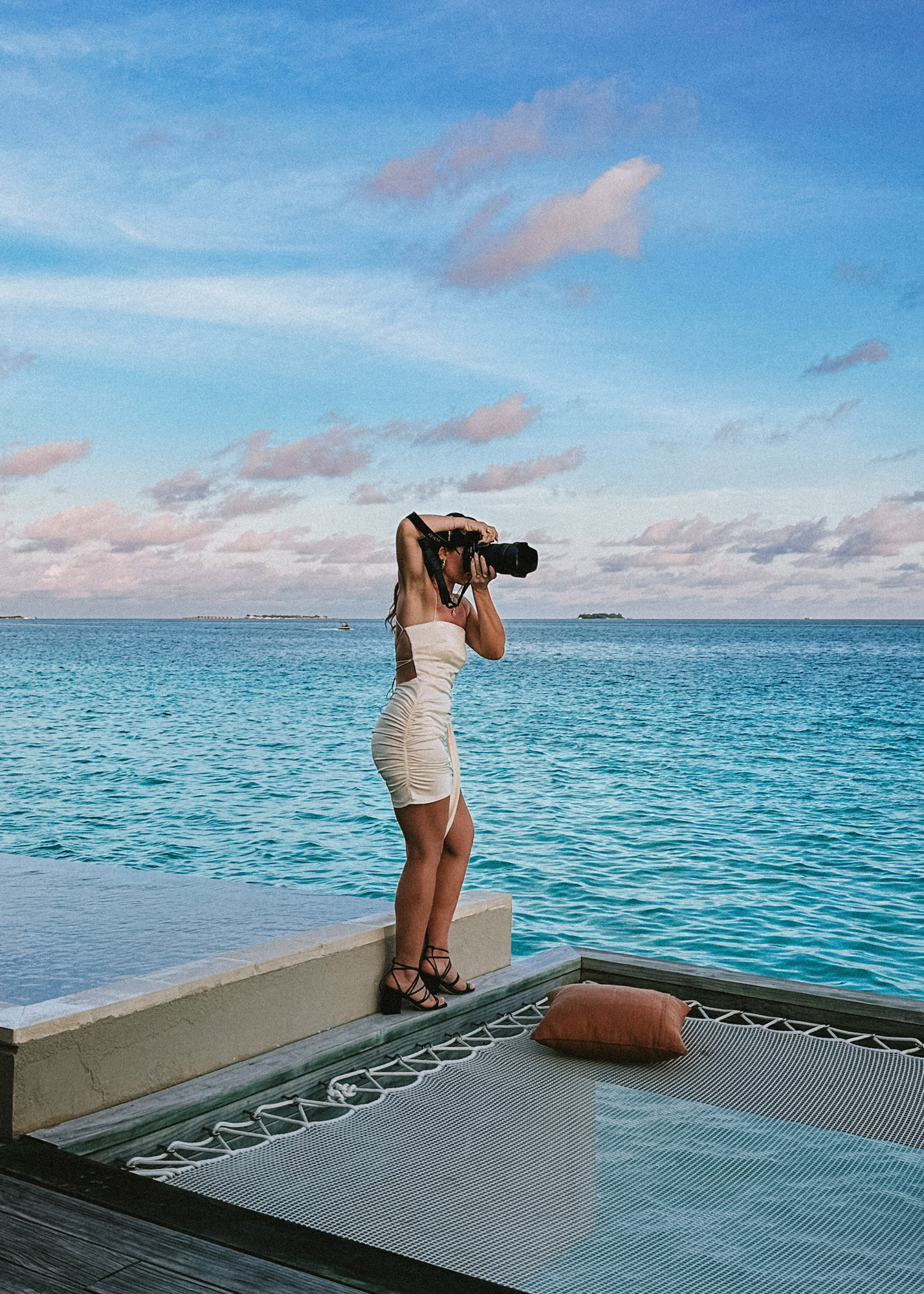
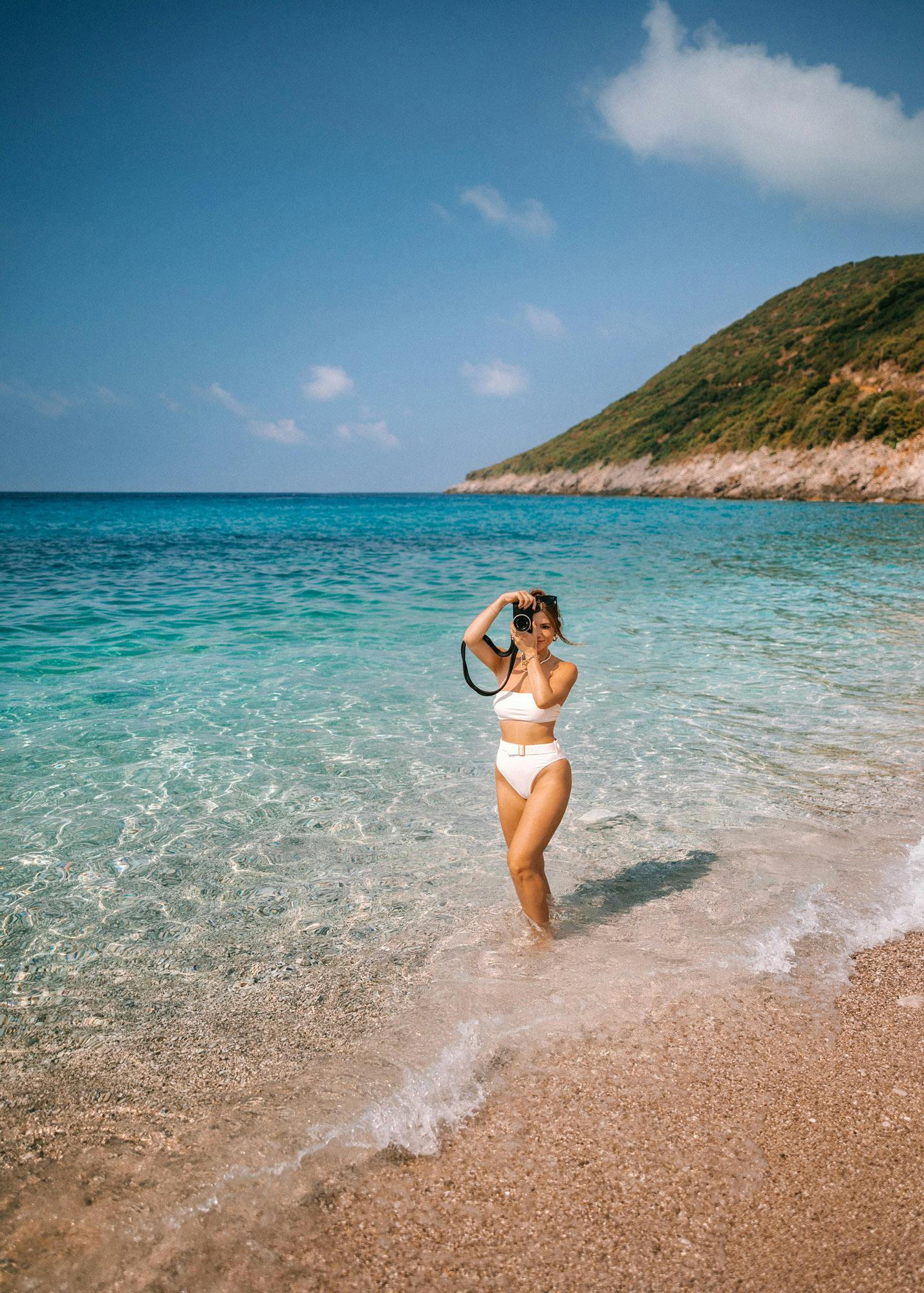
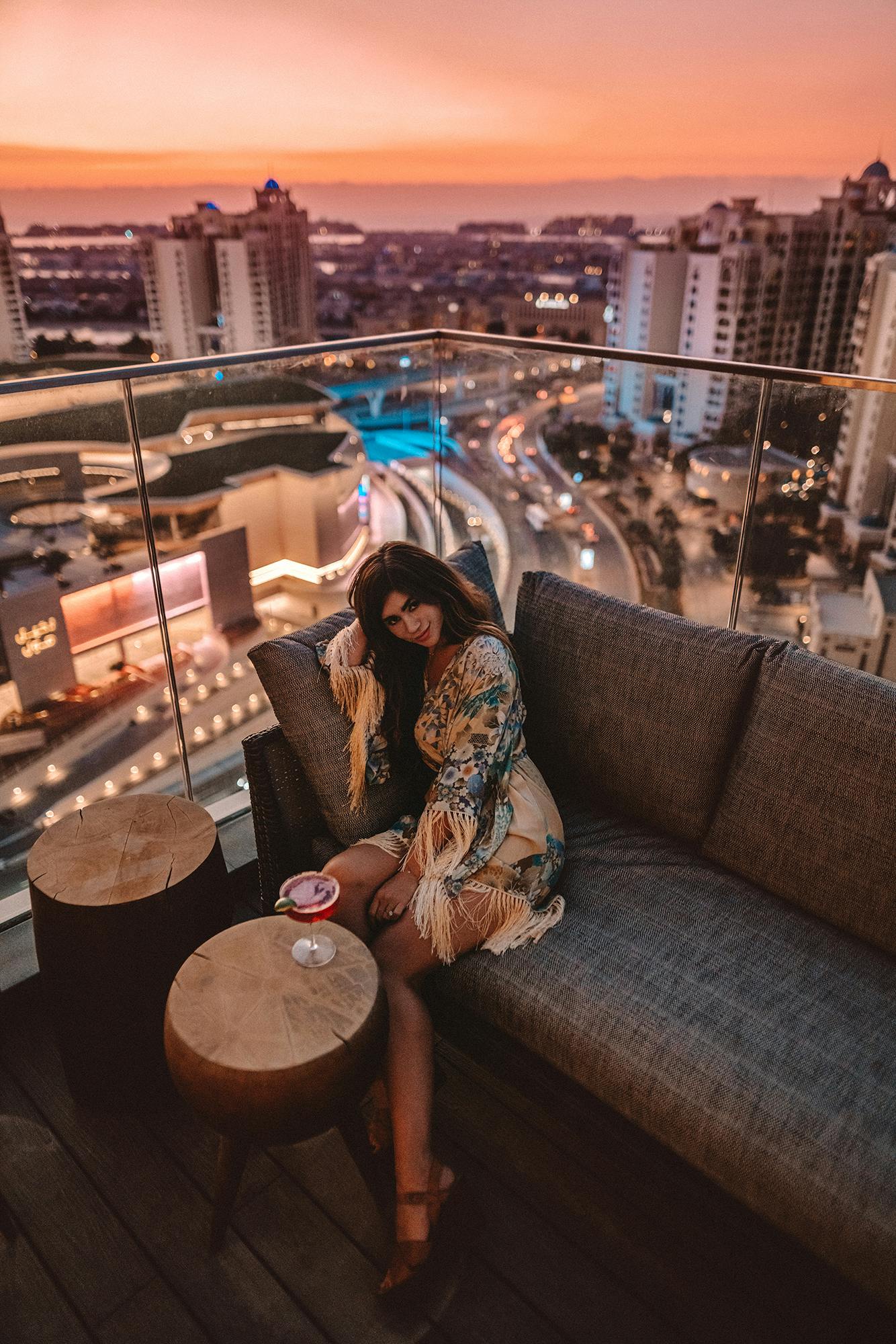
Shooting while precariously balanced in heels is my specialty
For the more advanced photographer, you want a camera body that takes interchangeable photography lenses to maximize your options - a long zoom lens for capturing animals and far off scenery, a wide angle for interiors and smaller spaces, and a shallow lens for portraits (or all three in one, but more on that in the lenses section!) I initially labeled this section "best SLR / Mirrorless Cameras", but mirrorless models have really taken over since the Sony A7RII completely changed the game a decade ago - and have long been the wave of the future. With all of the power of an SLR and tons of additional advantages (I could never go back to not having a digital viewfinder), and a more compact size, a mirrorless is the way to go.
Compact Full-Frame Pick: Sony Alpha 7C II

The Sony Alpha 7C II is the compact full-frame option in this guide. Pair it with the FE 28-60mm F4-5.6 lens for a relatively small everyday kit: approximately 681g including the camera battery and memory card. That is the 514g camera plus the 167g lens, using Sony’s published specifications. The tradeoff is the lens range: 28-60mm covers everyday scenes, but it is not an ultra-wide lens for tight interiors or a long zoom for distant wildlife. Choosing a different lens changes both the weight and the cost.
Shop on Amazon here | Shop on BestBuy here
Beginner Pick: Canon EOS R50
The Canon EOS R50 is my beginner pick here if you want to learn photography with a camera that can take different lenses. The black R50 with the RF-S18-45mm F4.5-6.3 IS STM lens weighs approximately 505g, calculated from Canon’s 375g camera weight with battery and card plus the 130g lens. The kit keeps the setup small, but its short zoom range is not a substitute for a wildlife lens. Compare the price of the complete kit, not just the body, and leave room in your budget for a memory card and spare battery.
Shop on Amazon Here | Shop on Best Buy Here
What I Use: Canon EOS R5 Mark II
After many years and hundreds of thousands of miles shooting with Sony cameras (First the R II, then R III, and R IV), I finally made the switch to Canon - because the EOS R5 Mark II is finally the first mirrorless body that is comparable or surpasses Sony - at the high end of the market, all of your options are good and it really comes down to which works better for you and you just like better, because you can't really go wrong.
I switched to Canon for three main reasons:
- For our video work, we usually shoot with a RED cinema camera that takes Canon mounted lenses - so we were buying the same expensive lenses for both Canon and Sony, AND carrying them all around the world for about 9 years. We have wanted to streamline this process for years, and finally Canon made a body good enough to make the switch for
- The camera itself captures incredible video - with 8k and raw video, we can often swap this in and out with the RED without seeing much of a difference in quality - which is seriously impressive.
- This is actually the reason that pushed me over the edge: Canon released an incredible 28-70mm zoom lens with an f/2 aperture and I knew this lens would be a complete game-changer for me - enough so to spend the money and time to make a complete switch. I love to shoot shallow and have almost always used fixed lenses, which meant I often had to carry multiple around with me always and switch them in and out in precarious situations (like on a dusty, moving safari truck in South Africa). I am in love with this camera and lens combo, even though the lens is a heavy beast itself, it is worth taking everywhere.
Shop on Amazon Here | Shop on Best Buy Here
(This model was not chosen as best for travel due to it's price and size, but I would say it is best for a travel professional)

my Canon set up - heavy but worth it.
The Best Travel Point and Shoot / Compact Cameras
All-in-one rangefinder, attached lens rangefinder cameras have been having a renaissance the past few years, giving great quality in tiny (and often photo-perfect aesthetic themselves) bodies. These little cameras are easy for travel, to throw in a purse and take with you everywhere, and are designed to drop images and video directly to your phone for instant share-ability.
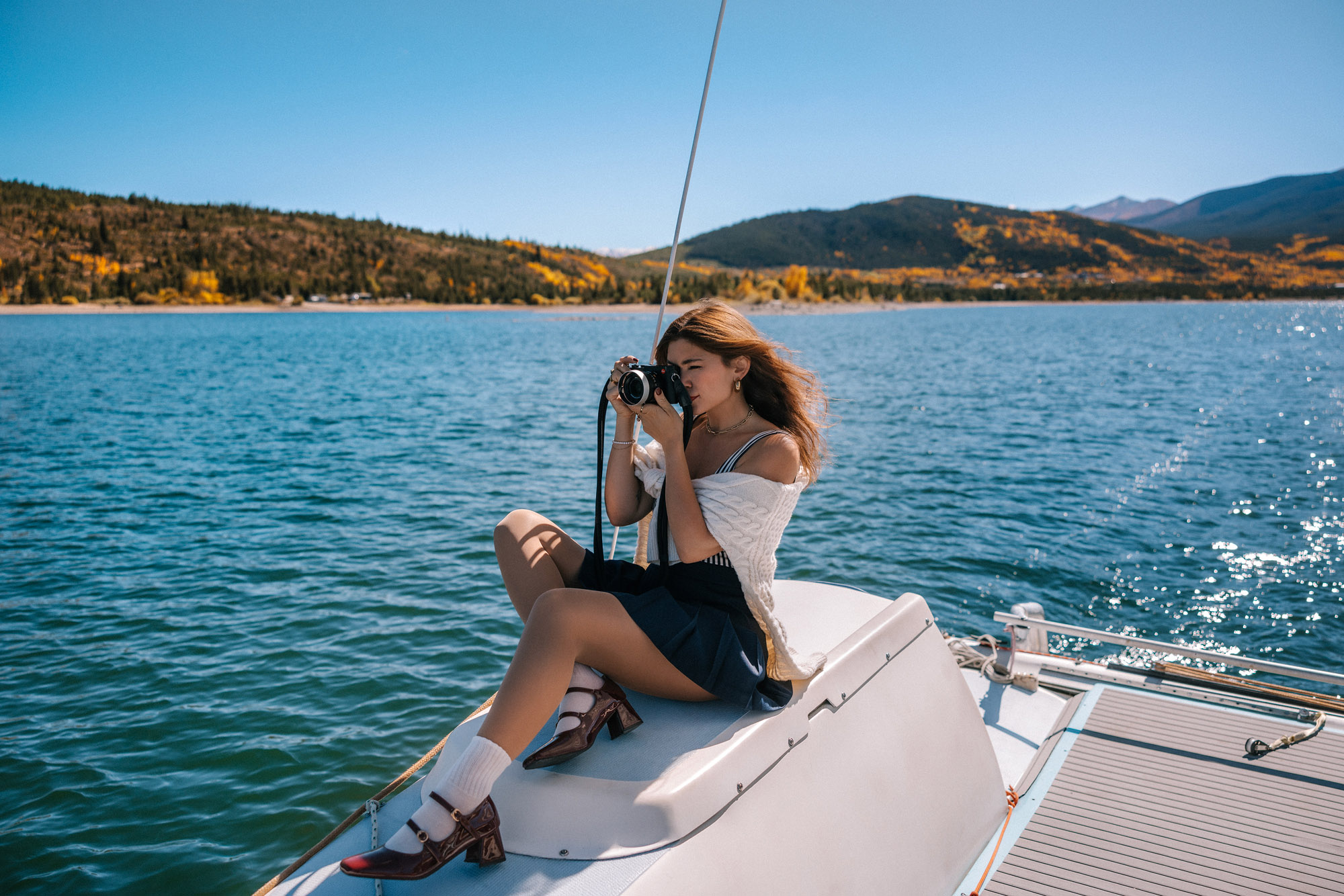
I even added one to my kit recently!
Fixed-Lens Pick: Fujifilm X100VI
The Fujifilm X100VI makes sense if you want one camera with one lens for street scenes, people and everyday travel. Its built-in 23mm f/2 lens gives a 35mm-equivalent view, and the complete camera weighs approximately 521g with battery and memory card. The film simulations are part of the appeal, but the fixed lens is the decision to make first: there is no optical zoom, and you cannot swap it for a wider or longer lens.
Choose it if you like working with a single field of view. Skip it if your trip calls for distant wildlife or you want to zoom between wide scenes and close details without changing your position. Check current stock and the seller’s price before deciding; I would compare it with the alternatives rather than assume a resale premium is worth paying.
Shop on Amazon Here | Shop on Best Buy Here
Pocket Zoom Option: Canon PowerShot G7 X Mark II / Mark III
The Canon G7 X Mark II is a compact option if you want a built-in zoom instead of carrying separate lenses. Its 24-100mm-equivalent f/1.8-2.8 lens covers a wider range of framing than the fixed-lens Fujifilm X100VI. The Mark II records Full HD video, so check the exact model if video resolution is part of your buying decision.
I would treat this as a pocket-zoom option, not an automatic budget recommendation. Compare the current price, condition and warranty of the exact model with a Canon R50 lens kit and the other compact cameras in this guide. A small body does not necessarily mean a small price.
The Canon G7 X Mark III adds 4K video. If you mainly want travel photographs, decide whether its extra video features justify the price difference for you. If video is the priority, use the separate video and vlogging guide linked above to compare the wider set of options.
Shop on Amazon Here | Shop on Best Buy Here
What I Use: Leica Q3
The Leica Q3 is a beautiful camera that combines iconic Leica design and imagery with powerful modern features. It has a 60MP full-frame sensor and a fast Summilux 28mm f/1.7 lens, delivering incredibly sharp photos with beautiful depth and low-light performance.
And I will say - this is an expensive camera. You probably don't need to buy this camera. I wasn't planning on buying this camera for the cost (this one was all Brandon's; I wanted the Fuji listed above). However, it is a truly beautiful camera that I love having now and has integrated so nicely into our kit. The Leica is designed for serious photographers who want pro-level image quality in a tiny setup - or hobbyists with unlimited funds.
(This model was not chosen for Best For Travel due to its price, because like... come on.)
The Best Travel Tripods


the setup vs the shot - a tripod is an absolute necessity to be able to shoot anywhere.
Best for Travel: Peak Design Carbon Fiber Travel Tripod
Literally almost every travel photographer I know uses this same exact tripod, and they are ubiquitous for a reason. Peak Design is known for making incredible, best-in-class products, and this tripod folds down impossibly small and is super stable and beautifully designed, while being under 3 pounds, so even backpackers can take this one along. It’s an investment, but worth it if you’re on the road a lot, carrying it hiking or backpacking, or need to fit into airline weight requirements. This tripod can handle the weight of even giant zoom lenses, if you're shooting distant wildlife like on a 14-Day Galápagos Photo Tour.
Shop on REI here | Shop on Amazon Here | Shop on Best Buy Here
Peak Design also has a similar, and still excellent, tripod in aluminum at about a 40% lower price - if you don't want to quite take the plunge.
Best on a Budget: K&F Concept Lightweight Travel Tripod
This tripod is aluminum, compact, and comes with a decent ball head. Plus, it packs down under 15 inches and under $50, finds the right balance of weight, quality, and budget. win if you're watching weight and budget. Works well for both mirrorless and smartphones.
What I Use: Peak Design Carbon Fiber Travel Tripod
it's the best for a reason!
The Best Phone Tripods
Because more and more we're shooting directly on our phones - and you don't need the weight and size of a full-size tripod.
Best for Travel: JOBY Compact Action 61" Tripod
Capture steady, clear photos with this Joby TelePod mobile tripod. Clever design lets you use it as a handgrip, monopod, tripod or stand, and it holds smartphones and small 360-degree cameras. Pair this Joby TelePod mobile tripod with GoPro, Flash, and other mounts, and use the included Bluetooth remote shutter to trigger shots from a distance.
Also an amazing option if you don't need free-standing legs is Peak Design Mobile Tripod.
Minimal, magnetic, and fits in your jacket pocket. The build quality is premium, the kickstand design is intuitive, and it’s strong enough to hold newer iPhones securely.
Best on a Budget: TONEOF 67" Cell Phone Selfie Stick Tripod
The best of both worlds: full-height tripod functionality with a remote shutter and collapsible build. It fits in a daypack, sets up in seconds, and is tall enough to shoot eye-level without balancing on rocks or bags. This one is a little wobbly at full height, the size and ease of use make up for it.
What I Use: TONEOF 67" Cell Phone Selfie Stick Tripod
For me is wasn't the low price that sold me on this one, it was the tiny size and ease of set up - I was looking for a tripod I could throw in a purse and pull out to get a shot in just a few seconds. The phone clamp and height of the tripod telescope out as one quick motion in one easy piece, making this one ideal for when you need to jump in the middle of the street with only 30 seconds to get it.
The Best Action Cameras

A travel kit isn't complete without an action camera! Luckily they are so small and lightweight that they can be slipped into even the tightest of packed bags.
360 Action Camera Option: Insta360 X4
Tiny, innovative, and fully immersive. Great for POV travel videos or creative transitions. You can reframe everything after shooting, which makes it incredibly flexible.
Before buying an X4, compare its current price with the newer Insta360 X5. Insta360 lists larger sensors, a low-light PureVideo mode, and replaceable lenses on the X5. Those are useful differences to weigh against price; this is a specification comparison, not a claim that I have personally tested the X5.
Shop on Amazon Here | Shop on Best Buy Here
Best for Underwater (and Overall): GoPro HERO13 Black
GoPro HERO13 Black is a compact action-camera option with 5.3K video, HyperSmooth 6.0 stabilization, a waterproof design, and a wide range of mounting accessories. As of October 2026, it remains the newest HERO Black model in GoPro’s lineup. GoPro also offers newer MISSION 1 cinema cameras and MAX2 360 cameras, which serve different shooting needs. Compare the type of footage you want to capture before choosing.
Shop on Amazon Here | Shop on Best Buy Here
On a Budget? Look for a Slightly Older GoPro Model
Most people do not need to upgrade their GoPro every year. An older model can be worth comparing with the current range, especially when it is discounted. Check the current GoPro Hero11 price, condition, included accessories, and return policy before buying.
The Best Travel Camera Backpacks

Our endlessly used WANDRD PRVKE 31L Backpack
Finding the right camera backpack can be as important as the gear itself, especially when doing a lot of outdoor photography - it needs to protect your equipment, fit comfortably for long travel days, and adapt seamlessly between city streets and rugged terrain, and often be at least somewhat waterproof to protect from ocean splashes, sudden downpours, and airplane spills. A good backpack not only keeps cameras and lenses safe in transit, but out in the elements as well.
See my full Best Travel Backpack deep dive here!
Best for Travel: WANDRD PRVKE 21L / 31L Photography Bundle

WANDRD may have started as an "Instagram Brand", but the WANDRD PRVKE has stood up to endless real-world tests and has continued to stay the go-to backpack for travel photographers - this is another item where I have been on group trips, and everyone has had the exact same one. Weather-resistant materials, a sleek roll-top design, and customizable camera cubes make it adaptable for different setups - whether you’re carrying a single mirrorless body with a couple of lenses or a full kit with drone gear. Quick side access means you can grab your camera without taking the bag off, and the thoughtful pocket placement keeps memory cards, passports, and hard drives easy to reach. Bonus tip: consider adding custom mylar bags inside your pack for electronic and lens storage — these lightweight, moisture‑tight pouches give an extra layer of protection against humidity, condensation, or unexpected leaks
It also looks more like an urban pack than a bulky camera bag, so it works just as well in a city as on a hike. The 21L version is ideal for minimalists, while the 31L adds space for longer trips or creators who carry more gear. After years of heavy use, we haven't had a single issue with any of ours, which says a lot about its durability.
Best on a Budget: Lowepro - Tahoe BP 150 Camera Backpack
Lowepro has been making reliable camera bags for ever and has continued to be a go-to brand for professionals and enthusiasts alike. The Tahoe is a compact and affordable option. The Lowepro Tahoe BP 150 offers padded protection for a DSLR or mirrorless setup with extra lenses for under $100. It’s lightweight, easy to carry, and comes with a simple but effective organization system that keeps gear secure while leaving room for small accessories. If you’re just starting out or don’t need a lot of space, it’s one of the best budget choices.
I still have a small Lowepro backpack that I have been using for at least 15 years as a smaller daypack.
Shop on Amazon Here | Shop on Best Buy Here
What I Use: WANDRD PRVKE 31L Photography Bundle
We actually have three of these backpacks, and take two on every single trip - Brandon uses one as his carry-on backpack filled with a laptop, drives, and travel essentials, and we keep a second one inside a carry-on suitcase (it tucks perfectly into one side of a larger carry-on size) to keep our camera bodies and lenses in transit. We usually take this storage backpack out with us as a daypack on travel days and shoot.

Happy Shooting!