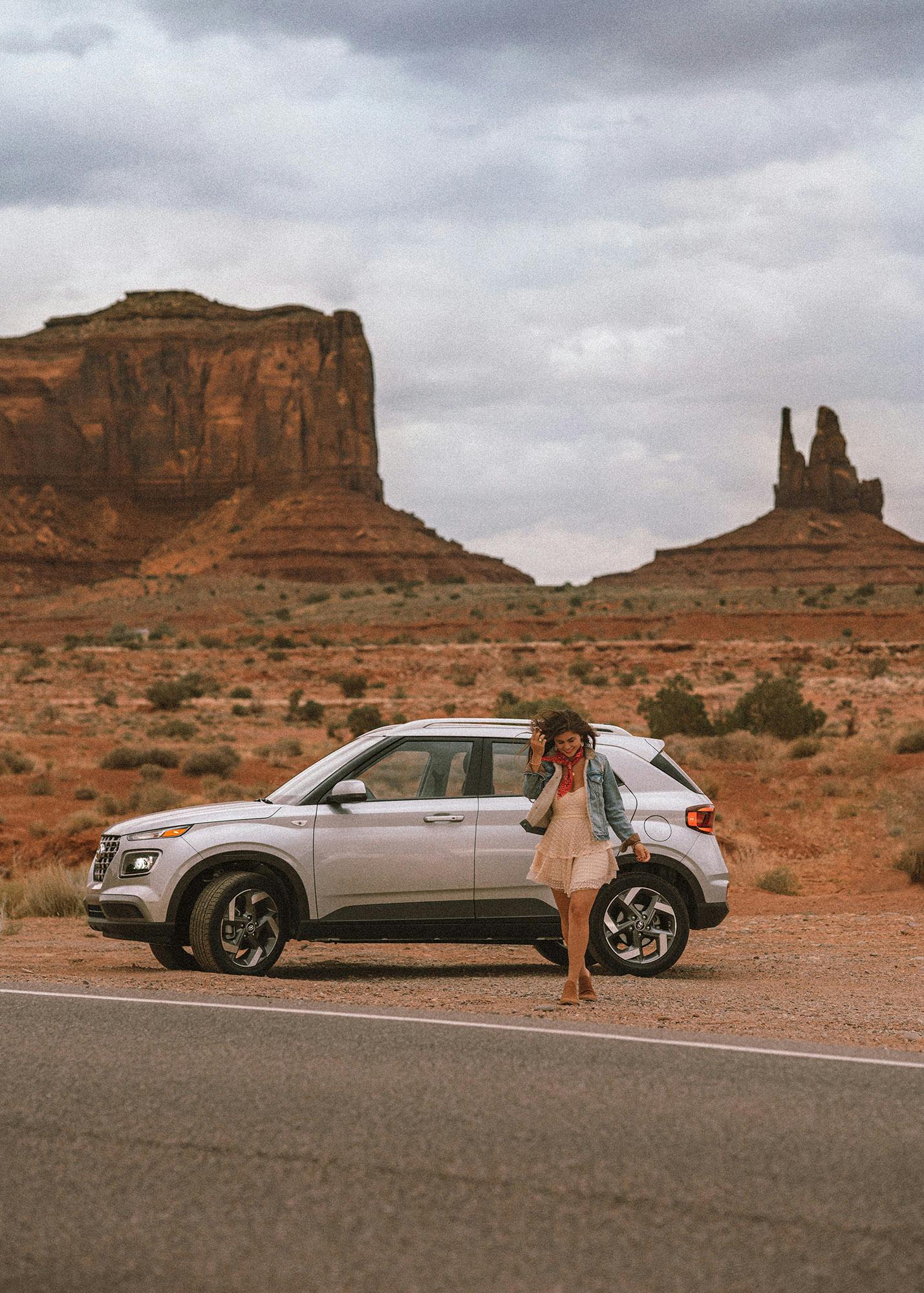
Sleeping in a small SUV can work comfortably for two adults when there is enough room to stretch out, and the mattress fits the vehicle, which is how my husband and I have used a Luno car mattress with the back seats folded down. For a trip where you drive directly into your campsite, I found this setup easier to manage than putting up a tent, with a comfortable place for both of us to sleep inside the car.
I grew up camping and hiking with my dad, sometimes in the early-'90s princess dresses and petticoats I loved, so spending time outdoors has been part of my life for as long as I can remember. These days, I am particularly interested in the practical details that make a trip feel easier, including how much rearranging you will have to do before you can crawl into bed. Once two people are sleeping in the back of an SUV, the cooler and the bags need somewhere else to go.
Recommended reading: The Complete Camping Guide for Beginners
Measure Your SUV Before Buying a Mattress
The usable sleeping space depends on the shape of your vehicle with the rear seats folded down, including any slope in the seatbacks and the position of the front seats. A measurement taken with the hatch open can be misleading, because the interior trim may curve inward when you close it; set up the car as you would for the night before measuring.
- Sleeping length: with the hatch closed, slide the front seats forward only as far as the parked setup allows, then measure the continuous space available behind them, accounting for any unsupported gap above the rear footwells.
- Usable width: the distance between the wheel wells matters more than the widest point across the cargo area, particularly when you are considering a rectangular double mattress.
- Mattress height: a four-inch mattress raises you closer to the roof and can change how much room you have beside the windows, so check whether you can sit up and reach the door comfortably.
- Seat position: a mattress needs continuous support, and a steeply sloping seatback or an open footwell may require a compatible leveling solution before the sleeping surface feels usable.
Have both people lie down together while you are checking the space, with pillows where they would actually sit at night. Your sleeping positions will tell you considerably more than the vehicle's advertised cargo capacity, especially if one person is tall or needs room to sleep with their knees bent.
Compare Car Camping Mattresses for Two People
Our firsthand experience is with a Luno car mattress, while the current models below are compared using published specifications. Start with the space in your vehicle and the conditions you expect overnight, then consider where the mattress will go during the day, particularly if you are packing for a longer road trip.
Prices below are the manufacturers' listed U.S. prices checked on October 18, 2026, before tax and shipping, and may change with the selected size or package. Retailer pricing and stock can differ, while the dimensions refer to the specific versions described.
| Mattress | Sleeping dimensions | Construction | Listed price | Main consideration |
|---|---|---|---|---|
| Luno AIR Pro | Compact/mid-size: 74 × 50.75 inches; 4 inches thick | Air; separate chambers | $349.99 | Vehicle-specific fit and a smaller packed footprint; limited insulation |
| Luno AIR+FOAM Pro | Compact/mid-size: 74 × 50.75 inches; 4 inches thick | Self-inflating foam and air; separate chambers | $499.99 | Higher published insulation; a larger bundle to store |
| EXPED MegaMat Auto | 77.6 inches long; 52 inches wide at the top, 41 at the bottom; 4 inches thick | Self-inflating foam and air | $399.95 manufacturer price | Wheel-well cutouts, with a length that needs careful checking in a compact SUV |
| LOSTHORIZON AIR & FOAM Full | 80 × 52 inches; 4.5 inches thick | Self-inflating foam and air | $229.99 with pump | Lower listed cost; the rectangular footprint requires substantial usable space |
| HEST Dually Long | 78 × 50 inches; approximately 4 inches thick | Folding foam | $579 | Simple unfolding setup; considerable packed bulk |
Luno AIR Pro: The current AIR Pro has separate air chambers that allow each person to adjust firmness, and its compact/mid-size version is shorter than several double camping mattresses. Luno lists a packed size of 8 × 26 inches and an R-value of 1.5, which makes insulation a significant consideration for colder nights. Enter your vehicle's exact make, model, and year in the fit selector, since Luno assigns different sizes to vehicles that might all casually be described as small SUVs.
Luno AIR+FOAM Pro: This version adds foam and has a manufacturer-reported R-value of 11, making it worth considering when overnight warmth is a priority. The compact/mid-size footprint matches the corresponding AIR Pro, although the listed packed dimensions grow to 29 × 11 × 18 inches. Its self-inflation gets the process started, with the included AirRoll Bag used to finish inflation and adjust firmness; allow space in your packing plan for that larger bundle.
EXPED MegaMat Auto: The shaped footprint gives this mattress room around the wheel wells, while the foam-and-air construction has a published R-value of 8.1. At 77.6 inches long, it needs a longer sleeping area than the compact Luno versions. EXPED lists a packed size of 27.6 × 11.8 inches, and the mattress includes a pump for topping up inflation, so check the complete outline against your cargo area before ordering.
LOSTHORIZON AIR & FOAM Full: The lower price makes this a useful option to compare if your vehicle can accommodate the full 80-by-52-inch rectangle. The manufacturer also calls this size Double in its specification chart, which is worth checking carefully when selecting a package. Its published R-value is 13, although the fit remains the first decision: wheel wells and a short cargo area can rule it out even when the price is appealing.
HEST Dually Long: A folding foam mattress removes the inflation step, which may suit a setup that stays in the car for most of a trip. The Dually Long needs a flat, dry space, and its approximately 78-by-25-by-8-inch folded size takes up a substantial portion of a small SUV. I would measure the daytime storage position as carefully as the sleeping area before committing to this much foam.
For a compact vehicle that needs to carry luggage during the day, I would begin with the models whose outlines fit the available floor, then consider their insulation and packed dimensions. A manufacturer-reported R-value describes resistance to heat transfer; the temperature at which you sleep comfortably will also depend on your bedding and individual needs.

Choose Bedding for the Overnight Temperature
Our Southwest road trip included July mornings and evenings at the Grand Canyon and Bryce Canyon that felt much colder than I had expected, so I would plan bedding around the forecast overnight low at the campground's elevation. The temperature in the nearest lower-elevation town can give you a very different impression of what the night will feel like.
Insulation underneath you matters alongside the sleeping bag or blanket above you, particularly with an air mattress that has a low R-value. When comparing sleeping bags, check whether the stated temperature refers to a comfort rating or a lower limit, and choose enough warmth for the person who tends to get cold. Bring the pillows you already sleep well with if they fit comfortably in the car, since that is an easy place to use something familiar.
The camping blanket we brought on our Southwest trip became one of the things we used repeatedly, including on cold mornings and beside the water at Lake Powell. I would pack an extra layer like that for sitting outside, while selecting the overnight bedding separately for the expected conditions.
Arrange Your Luggage Around the Sleeping Space
A two-person mattress occupies much of the area where your bags would normally sit, so work out the nighttime storage arrangement while packing at home. Soft bags can be easier to reposition around the front seats, while a tall, rigid suitcase may use the very space you need for the mattress supports or your feet.
- Overnight essentials: a small pouch within reach can hold your phone and keys, with a headlamp nearby so you can find the door without searching through the car.
- Bag storage: check that the front-seat storage arrangement leaves an accessible exit and that you can restore the driver's seat promptly if you need to leave.
- A washable shoe bag or tray: dust and loose gravel are easier to contain before they reach the bedding, particularly after a day of hiking.
- Cooler storage: campgrounds in bear habitat may require food and scented items to go into a designated storage locker, which changes the packing arrangement again.
When we drove through the Southwest, we packed fresh snacks and kept a cooler within easy reach during the day, which made it much easier to eat something other than whatever happened to be available at the next stop. For a small SUV, I would choose the cooler's size around where it can be stored securely, allowing enough clearance to open the lid.
Plan for Ventilation and Privacy
Two people sleeping in a small enclosed space can leave moisture on the windows overnight, so provide airflow when weather and security conditions allow. Compatible window screens can help keep insects outside, while privacy covers should fit the glass without blocking your planned ventilation; allow damp bedding and the mattress to dry before packing them away.
Plan to sleep with the engine off, using bedding appropriate for the conditions, and choose accommodation with suitable climate control when the forecast exceeds what your setup can safely manage. Fuel-burning stoves and heaters belong outside the vehicle because of carbon monoxide and fire risks, with the car positioned away from other engines or generators whose exhaust could enter the cabin.
Before settling in, check that you can unlock and open a door from the sleeping position, taking the vehicle's child-lock settings into account. Keep your keys accessible and remove anything that would obstruct an exit, then make sure the windows and covers can be returned to their normal driving positions before you move the car.
Book a Campsite That Allows Sleeping in Your Vehicle
For a first overnight, a developed campground with bathrooms and an identified place to park gives you a practical setting to work out your setup. Check the campground's rules specifically for sleeping inside a passenger vehicle, since the phrase car camping often refers to parking beside a tent site, and permission varies by location.
Joshua Tree allows sleeping in a vehicle at a lawfully occupied designated campsite, while parking areas and trailheads elsewhere in the park have different restrictions. Treat each stop on a road trip as a separate reservation and rules check, including arrival times and any vehicle-length limits that apply to your chosen site.
Food storage also needs a location-specific plan: in Yosemite's campgrounds, food and scented items must go into the provided food lockers whenever they are being stored, including overnight. Read the park's instructions before arrival and account for toiletries as well as groceries when deciding what needs to leave the sleeping area, along with the cooler itself.
Further reading: Off-Grid Travel: How to Disconnect Without Sacrificing Comfort
Pack for the Time You Spend Outside the Car
The mattress takes care of one part of the trip, while your daytime plans determine much of the remaining gear. On our Southwest trip, switching from a small daypack with thin straps to our padded camera backpack made a considerable difference once we were carrying water, and proper hiking shoes gave me better grip on loose dirt and gravel.
- Drinking water: bring enough for the stay, confirming whether the campground has potable water and whether seasonal closures affect the facilities you expect to use.
- A warm layer: keep it where it will be available when you arrive after sunset, even if the drive itself has been hot.
- A supportive daypack: try it with full water bottles before leaving, paying particular attention to the straps and how it sits on your shoulders.
- A light for each person: a headlamp makes it easier to manage a nighttime bathroom trip while the other person stays in bed.
- Mattress equipment: check the valve compatibility and pump power source in advance, and keep the manufacturer's repair supplies with the mattress.
For the rest of the packing, our road trip packing list covers the broader details of spending several days on the road, which you can adapt to the season and the facilities at your campsites.
Set Up the Car Before Your First Overnight
Give yourself time to assemble the entire sleeping arrangement at home, with both people and the luggage you intend to bring. Follow the mattress instructions for its initial inflation, since some foam-and-air models need extra time to expand after being tightly packed, then check how the surface feels with your pillows and bedding in place.
Once the bed is ready, close the hatch and move through the ordinary things you will need to do during the night, including reaching your shoes and getting out through a side door. Repack everything for driving afterward so you know how much time and space the process requires, and allow for drying any moisture before the mattress goes back into its bag.
If you are building this into a longer trip, our Southwest road trip itinerary includes the route and stops from our own travels, with accommodation options for the nights when a shower and a proper bedroom fit the plan. Keep the first camping night close enough to home that you can change arrangements easily, and arrive with daylight available to find your site and unpack.