Minnesota winters are long, and the people who live there have spent a long time figuring out what to do with them. Lakes freeze thick enough to drive on, state parks keep their trails groomed, and towns up north that go quiet in shoulder season fill back up once there's a decent snow base. If you're planning a trip between December and March, the six activities below are worth building a few days around, with notes on where to go, when conditions usually line up, and what you'll need before you leave home.
Further Reading: How to Pack For A Winter Trip: A Complete Cold Weather Female Packing List
1. Snowmobiling
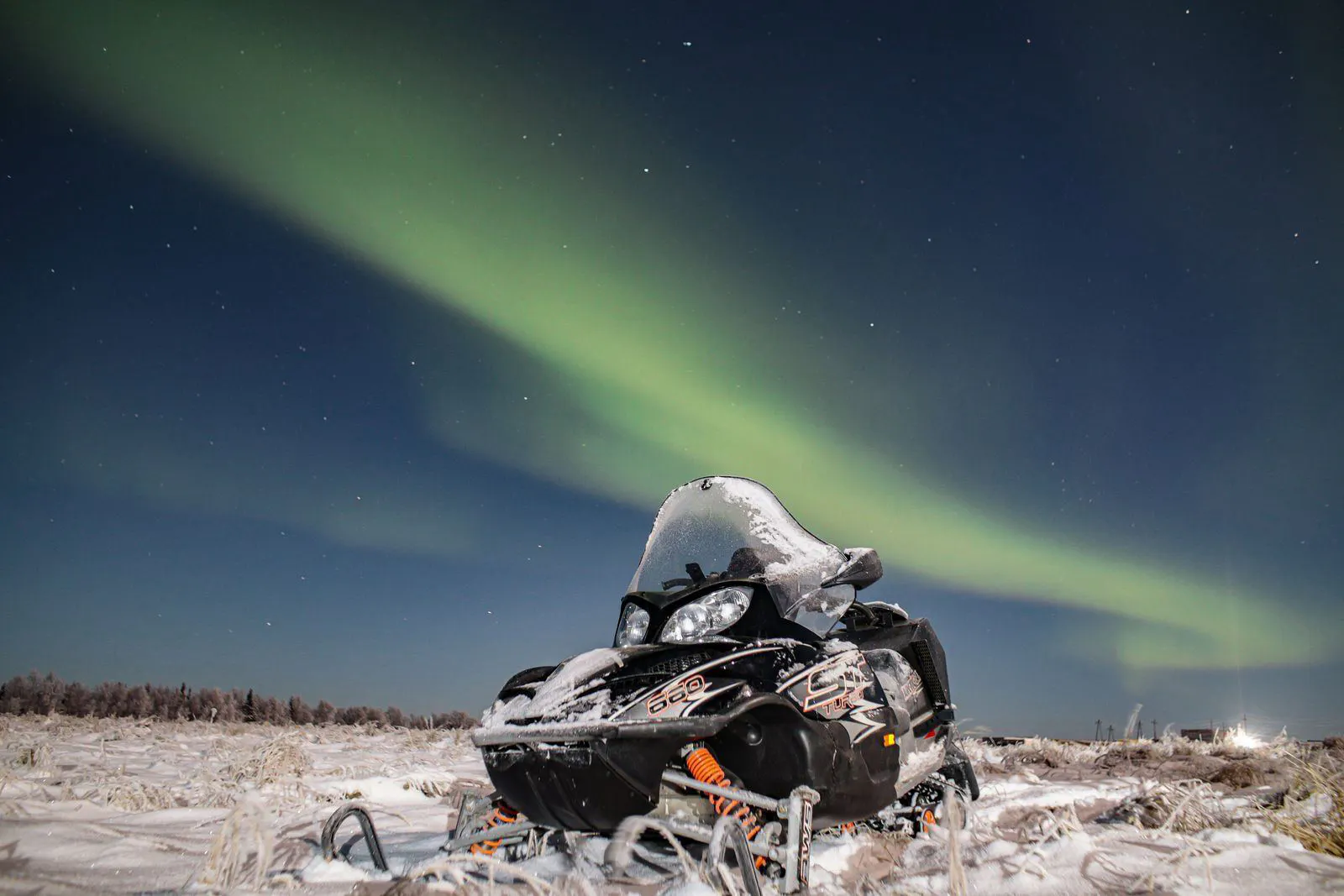
Snowmobiling is probably the most Minnesotan way to cover ground in winter, and the state's network is big. According to the Minnesota DNR, there are more than 22,000 miles of groomed snowmobile trails in the state, and most of that mileage is kept up by local club volunteers rather than the state itself. Grant-in-Aid trails open December 1 and run through March 31 when snow allows, though an early or late season can shorten that window.
The northern third of the state is where most riders end up. Around Ely, the Tomahawk Trail runs through Superior National Forest, and farther west the trail systems around Voyageurs National Park link Kabetogama, Ash River, Rainy Lake and Crane Lake. Closer to the Twin Cities, the area around Mille Lacs Lake and the Paul Bunyan State Trail near Brainerd and Walker are easier weekend options. If you're still narrowing down a region, it helps to read up on where to snowmobile in Minnesota before booking lodging, since some towns sit right on a trail and others mean trailering in each morning.
Minnesota sleds have to be registered, and an out-of-state machine needs a Minnesota state trail pass for state or Grant-in-Aid trails, so check DNR rules before the drive. Rentals and guided tours are common in Ely and around Voyageurs if you'd rather not haul a machine. Dress in layers under a proper snowmobile suit, wear a helmet, and don't ride on lake ice you haven't confirmed is thick enough.
2. Ice Fishing
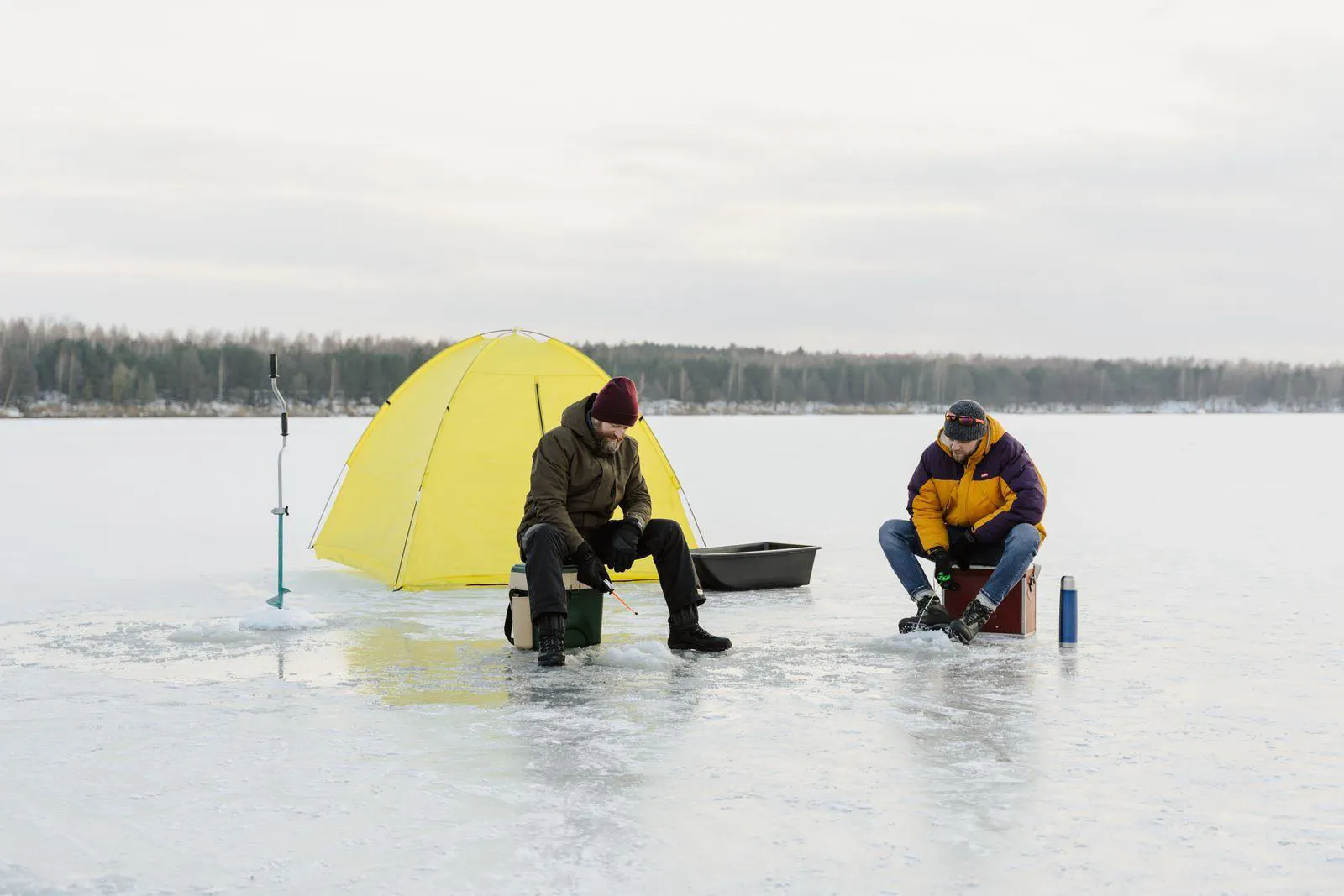
Ice fishing in Minnesota ranges from a bucket and a hand auger on a small lake to rented, heated fish houses with bunks, a little stove and holes already drilled through the floor. That second version (often called a sleeper house) is what a lot of first-timers book, because it takes most of the guesswork and much of the cold out of it. Mille Lacs Lake is the best-known spot for walleye and perch and has dozens of outfitters running fish house rentals. Lake of the Woods, up on the Canadian border near Baudette, is another big draw, as is Upper Red Lake near Waskish, and Lake Vermilion and Leech Lake both have resorts that plow ice roads and rent houses through the season.
Timing depends entirely on ice. Northern lakes usually lock up sometime in December, with the more reliable stretch running into February, but it varies year to year. The DNR's ice thickness guidelines say to stay off ice under 4 inches, that 4 inches of new, clear ice is the minimum for fishing on foot, and that white ice is only about half as strong, so the numbers should be doubled on it. The DNR also notes it doesn't measure ice on lakes itself, which is a good reason to ask a resort or bait shop about local conditions.
You'll need a Minnesota fishing license if you're 16 or older (nonresidents under 16 can fish without one if a parent or guardian is licensed). Bring ice cleats, warm boots and a set of ice picks worn around your neck.
3. Dog Sledding
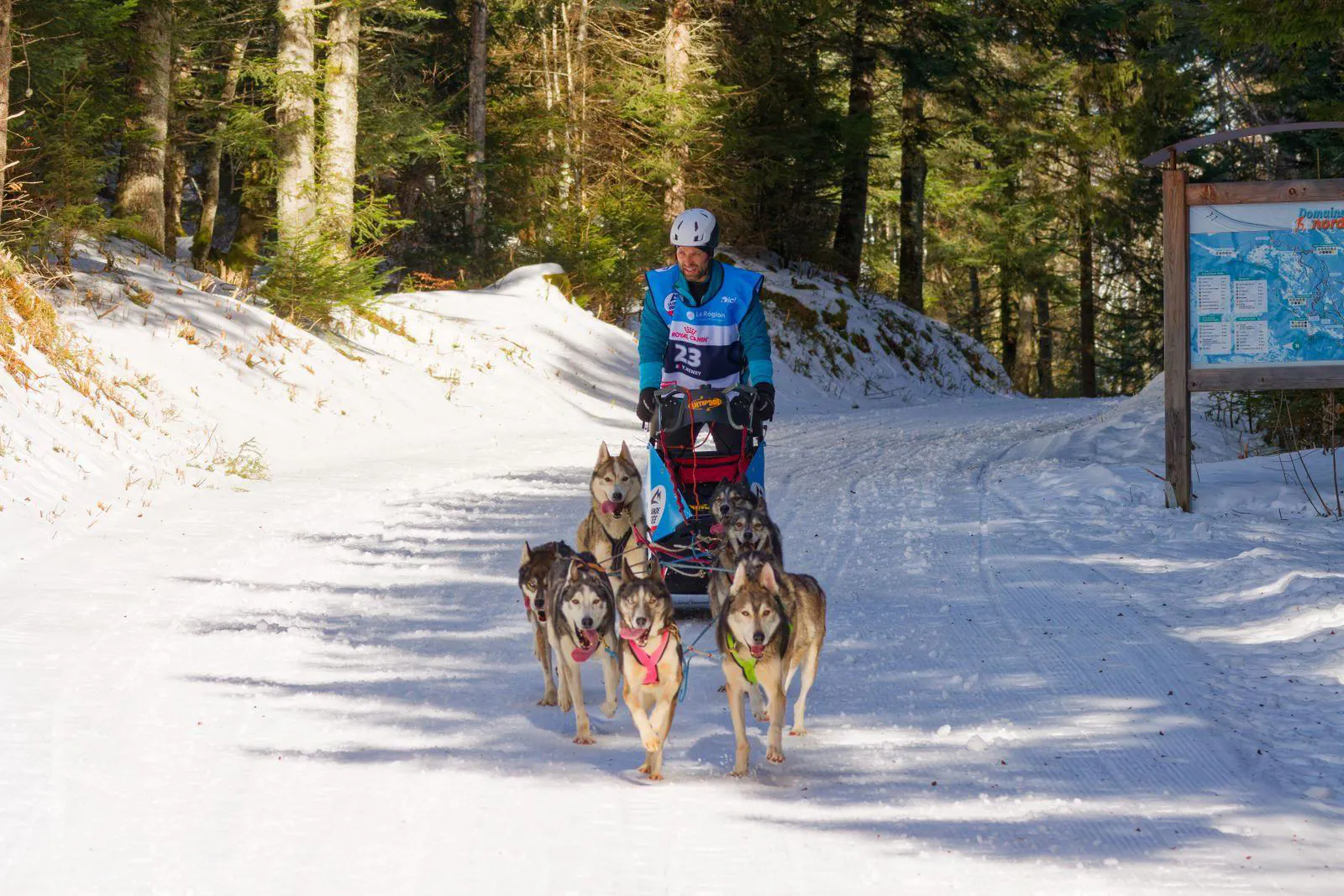
Dog sledding in Minnesota is mostly an Arrowhead thing, and Ely is the center of it. Several kennels around town run half-day and full-day trips, and some (Wintergreen Dogsled Lodge is one long-running example) offer multi-day trips where you stay in a lodge or camp along the way and learn to run your own team. Grand Marais and the Gunflint Trail area have outfitters too, and a few operators work out of the Brainerd lakes region for people who don't want to drive quite so far north.
Most trips run from late December into March, once there's enough snow to cushion the trails. Shorter rides are usually fine for kids and beginners, since a guide handles the dogs or teaches you to drive a sled on easy terrain. Longer trips can be more physical than people expect, with a fair amount of pushing on uphill stretches and some chores at the kennel, so it's worth asking the outfitter what a typical day involves before you book.
Outfitters often lend or rent heavier gear like insulated parkas, mitts and boots, but that varies, so ask. Book early if you're aiming for a holiday week or a weekend in February. If you'd rather watch than mush, the John Beargrease Sled Dog Marathon runs along the North Shore each winter and welcomes spectators at checkpoints.
4. Cross-Country Skiing and Snowshoeing
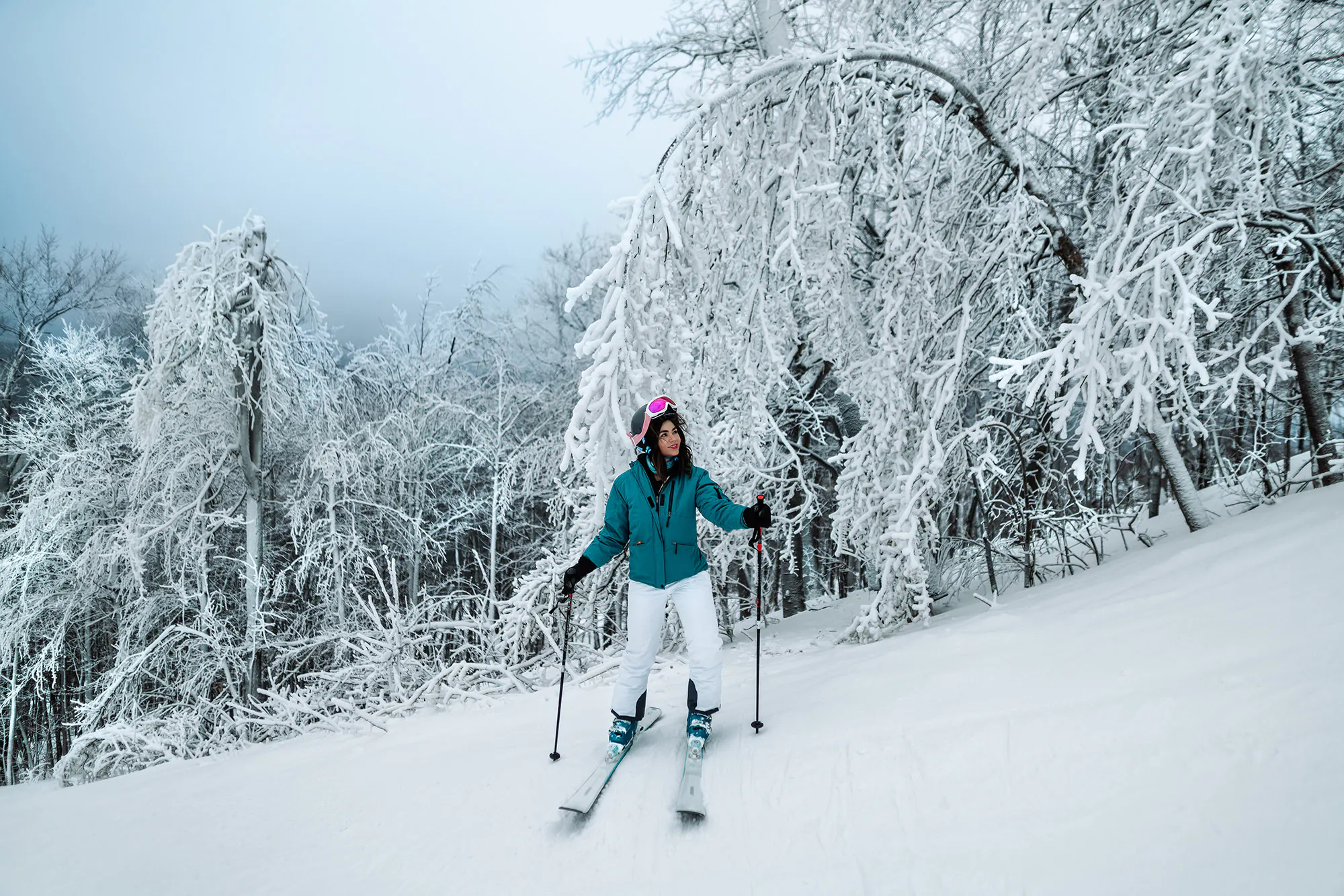
Minnesota takes Nordic skiing seriously, and you don't need to go far to find groomed trails. In Minneapolis, Theodore Wirth Park has ski rentals and lit trails for evening skiing, and Hyland Lake Park Reserve in Bloomington is another good metro option with rentals. Up north, the trail systems along the Gunflint Trail and around Lutsen on the North Shore are well regarded, and Giants Ridge near Biwabik grooms an extensive Nordic network alongside its downhill runs.
Snowshoeing is the lower-commitment version, and it works almost anywhere with snow. State parks are an easy starting point; Jay Cooke State Park near Duluth, Gooseberry Falls on the North Shore and Itasca State Park (where the Mississippi starts) all have winter trails, and a couple dozen state parks rent snowshoes, though you'd want to call ahead to confirm.
The season generally runs from mid-December through early March up north, shorter in the metro. Adults 16 and older skiing on state trails, state parks and Grant-in-Aid ski trails need a Great Minnesota Ski Pass, which you can buy online or wherever DNR licenses are sold. A state park vehicle permit is also needed to park at state parks. Dress in thin layers you can shed, since skiing warms you up fast.
5. Northern Lights Viewing and Winter Cabins
The aurora shows up over northern Minnesota more often than a lot of visitors assume, though it's never something you can schedule. Voyageurs National Park was certified as an International Dark Sky Park, which makes it one of the better places in the state to look up, and the long winter nights help. The Gunflint Trail, the shoreline around Grand Marais and the Boundary Waters edge near Ely are also good bets, since there's very little light pollution past the last town.
Winter is a practical time for aurora watching because it gets dark early, so you're not staying up until 2 a.m. the way you might in summer. Check NOAA's aurora 30-minute forecast in the evening, look for clear skies in the local weather forecast, and face north from a lakeshore or open field away from headlights and porch lights.
This is where a cabin rental earns its keep. A lot of resorts on northern lakes stay open in winter, and staying somewhere with a woodstove and a dark sky out the front door beats driving around at night looking for a pullout. Winter camping is an option for experienced people (some state parks keep camper cabins open in winter, and a few have year-round yurts with woodstoves), but it takes real cold-weather gear and planning, so a cabin is the more realistic choice for most travelers.
6. Downhill Skiing and Fat Biking
Minnesota isn't mountain country, but the North Shore has real vertical. Lutsen Mountains, overlooking Lake Superior, draws skiers from across the Upper Midwest, and Spirit Mountain in Duluth is close to town with lake views from the top. Giants Ridge in Biwabik is a good Iron Range option, while Afton Alps and Buck Hill are within easy reach of the Twin Cities for a day trip. Expect the season to run roughly from December to March, depending on snowmaking and the weather.
Fat biking has caught on fast here. Fat bikes have wide, low-pressure tires that let you ride on packed snow, and the Cuyuna Lakes trails near Crosby and Ironton groom singletrack for winter riding, and the DNR also points riders to Split Rock Lighthouse State Park, while volunteer clubs groom winter routes around Duluth and the Twin Cities. Bike shops near those trail systems often rent fat bikes by the half-day or day.
For either activity, check whether a trail or area is open on the day you go, since warm spells and fresh snow both affect grooming. Wear a helmet, and for fat biking bring pogies or warm gloves; hands get cold fastest on a bike.
Planning a Minnesota Winter Trip
Most of these activities overlap in the same handful of regions, so it's realistic to stack two or three into one trip if you base yourself in Ely, along the North Shore or near Voyageurs. January and February are the most dependable months for snow and ice, though they're also the coldest, and December or March can be hit or miss. Book lodging and guided trips early for holiday weeks and February weekends, buy any licenses or passes online before you leave, and keep an eye on DNR trail and ice reports as the trip gets closer.