Electric bikes have quietly reshaped how longer distances, varied terrain, and car-limited landscapes are approached, particularly in regions where elevation changes, loose surfaces, or extended routes would otherwise limit exploration. Instead of narrowing itineraries to what feels physically manageable, riders can prioritize geography, access, and scenery, choosing destinations based on experience rather than endurance.
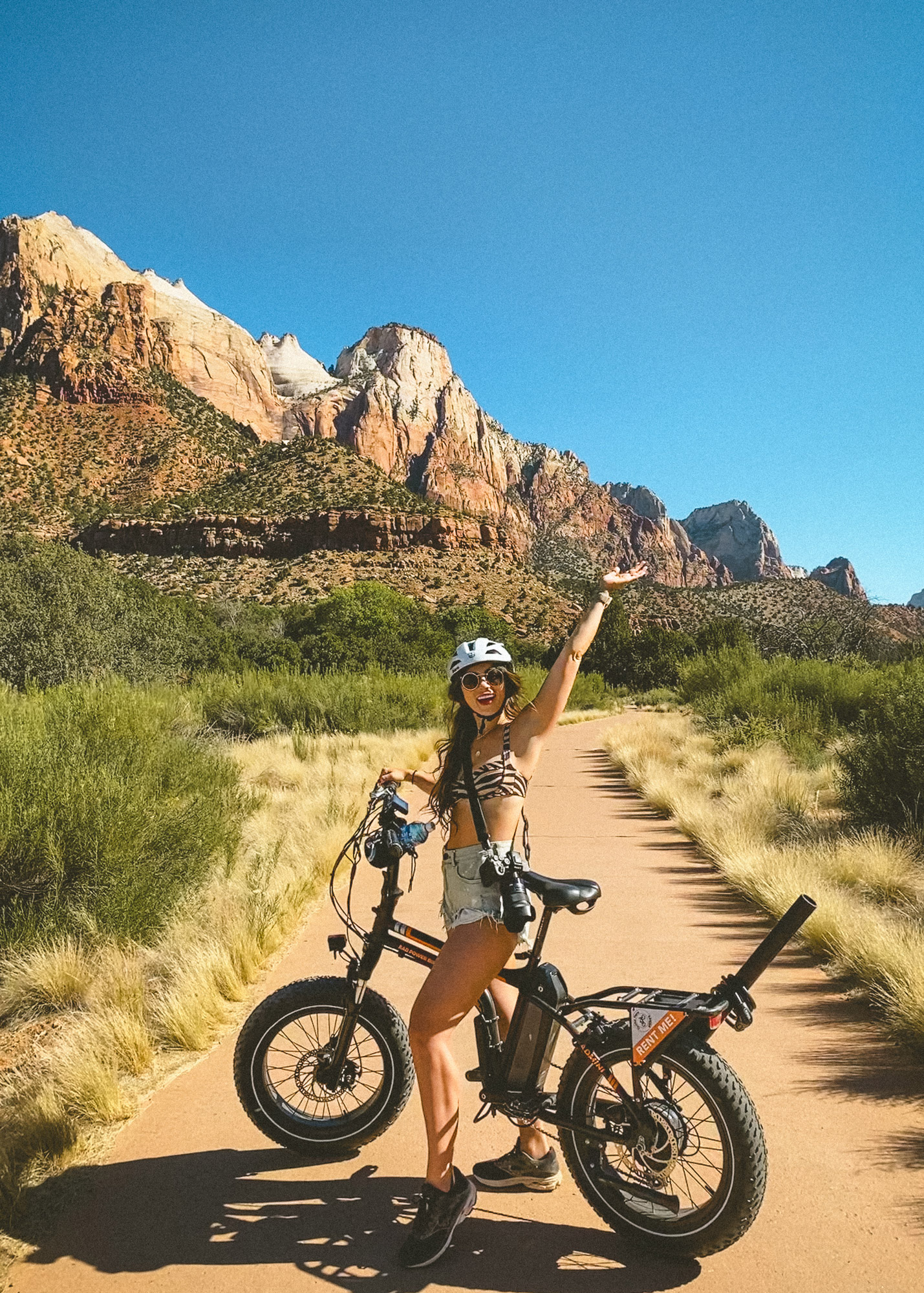
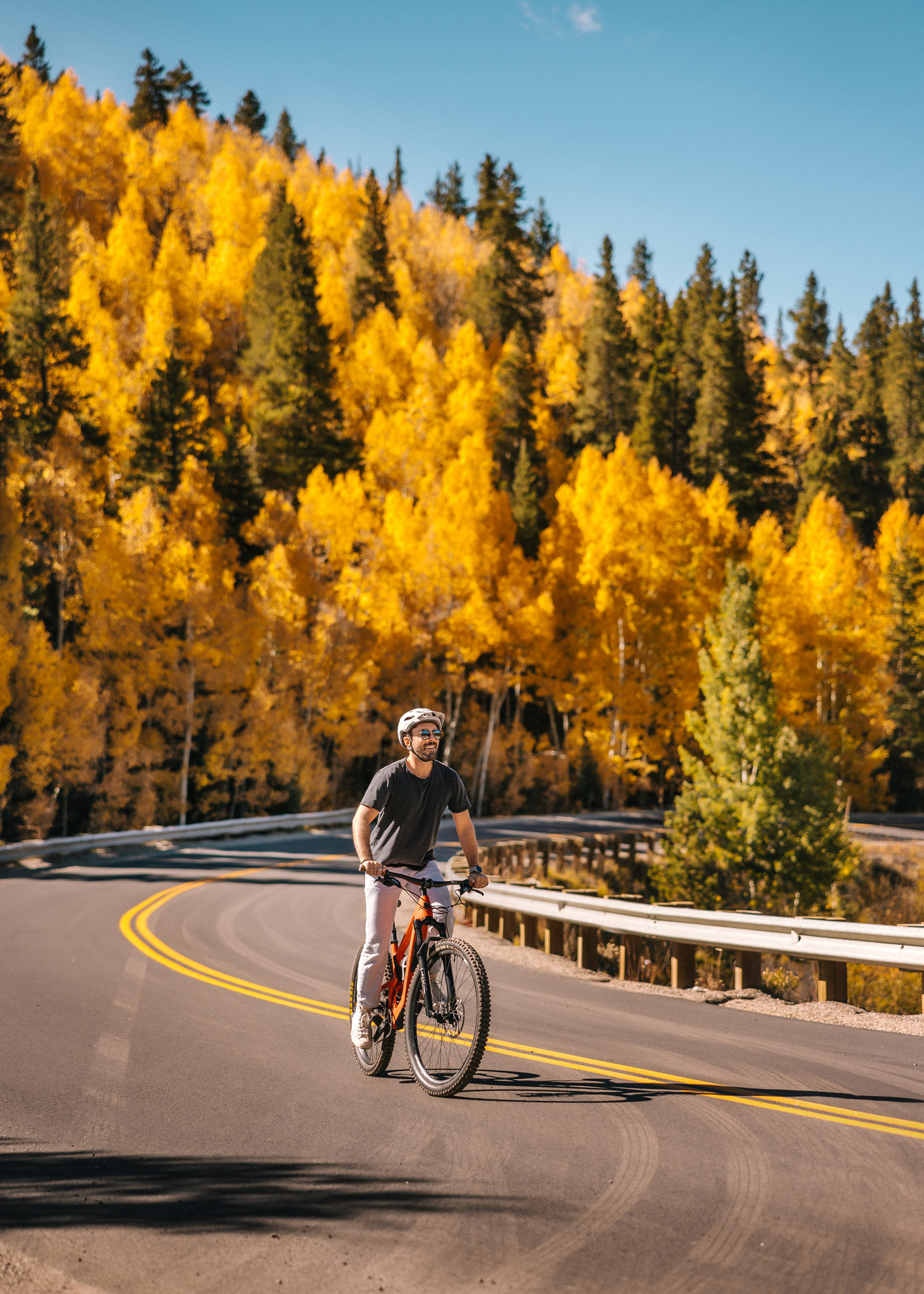
The locations below are frequently searched by people planning electric bike trips and rentals, each offering terrain that pairs naturally with specific e-bike configurations, along with practical considerations that affect ride quality, safety, and overall feasibility.
1. Moab, Utah - Desert Trails and Technical Red Rock Terrain

Moab remains one of the most sought-after electric bike destinations in the United States due to its density of public land, established trail systems, and terrain that rewards controlled power delivery rather than sustained speed.
The riding environment includes slickrock formations, sandy washes, exposed singletrack, and hard-packed desert roads, often within the same route. These conditions favor electric bikes designed for traction, torque, and stability rather than lightweight road efficiency.
Recommended setup considerations include:
- Fat tire electric bike with wider contact patches for loose sand and rock slabs
- Motors with consistent low-end torque for short climbs and technical sections
- Durable frames capable of handling repeated vibration and impact
Electric assist allows longer loops through Bureau of Land Management trails without the physical penalty normally associated with deep sand or uneven rock, particularly during warmer months when heat management becomes a factor.
2. Outer Banks, North Carolina - Coastal Roads and Multi-Use Paths

The Outer Banks are well suited for electric bike riding due to their flat profile, interconnected island roads, and extensive network of paved paths running parallel to the coastline. Wind exposure is often the primary variable rather than elevation, making motor assistance valuable even on otherwise easy terrain.
This destination aligns best with commuter-style electric bikes that prioritize efficiency, comfort, and range over suspension travel or aggressive geometry.
Ideal characteristics include:
- Lightweight frames for steady cruising over long distances
- Narrower tires optimized for pavement and compacted surfaces
- Moderate assist levels to counter persistent coastal winds
Electric bikes allow longer coastal stretches to be covered without fatigue, particularly when riding between towns, beaches, and ferry points, where distances can add up quickly despite flat topography.
3. Whistler, British Columbia - Mountain Trails and Forested Elevation
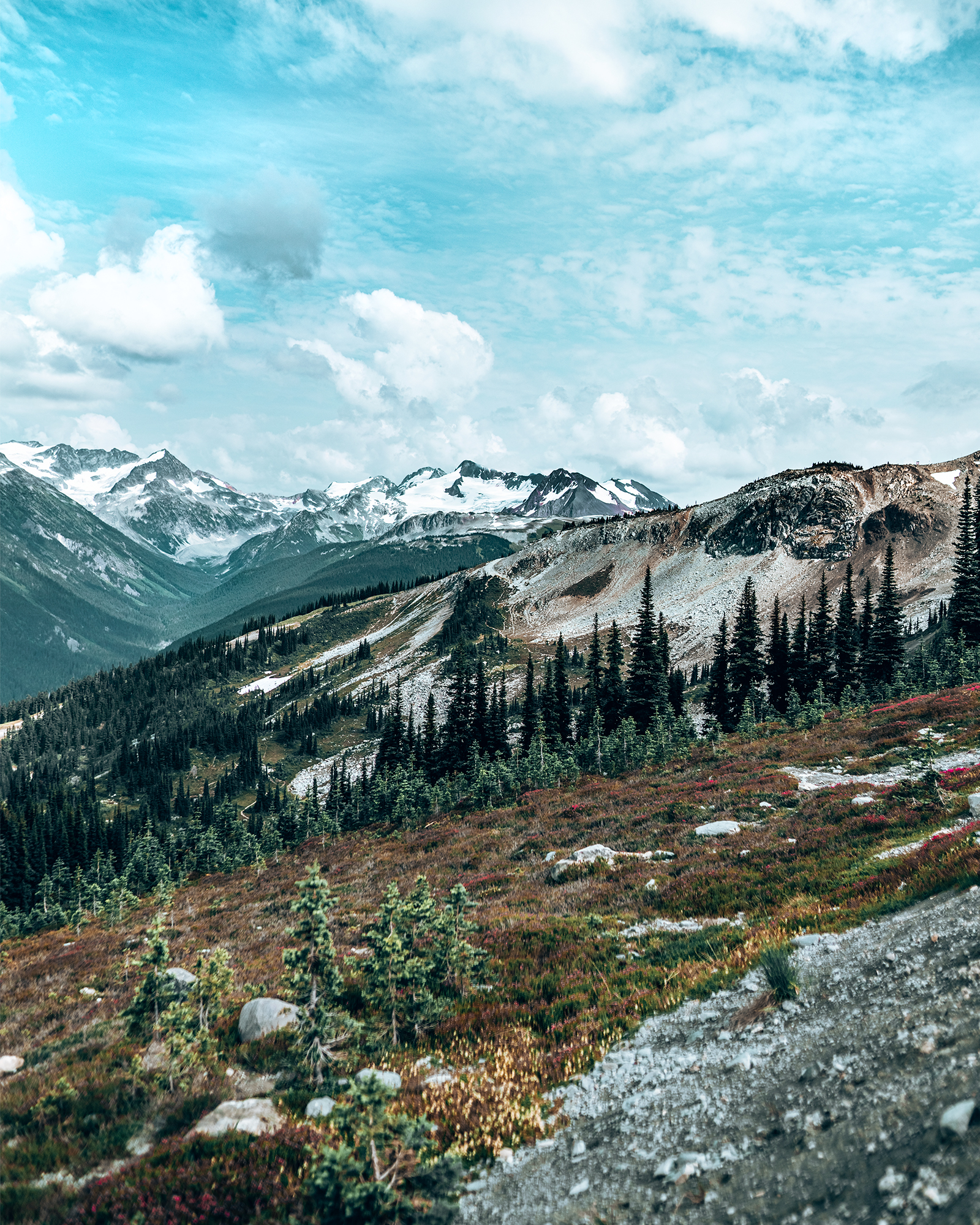
Whistler transitions from a winter-focused destination into a mountain biking hub once snow clears, offering lift-accessed trails, backcountry forest routes, and sustained elevation changes that favor advanced electric mountain bike setups.
The terrain varies between packed forest dirt, rock gardens, and steep grades that demand both suspension and controlled power output. Full suspension electric mountain bikes perform best here due to their ability to absorb uneven surfaces while maintaining traction on climbs.
Key equipment priorities include:
- Front and rear suspension for downhill stability and comfort
- High-capacity batteries to support extended elevation gain
- Robust braking systems for controlled descents
Electric assist expands access to trails that would otherwise require advanced fitness levels, allowing riders to focus on line choice, handling, and terrain rather than energy conservation.
4. Tuscany, Italy - Rolling Hills and Rural Road Networks
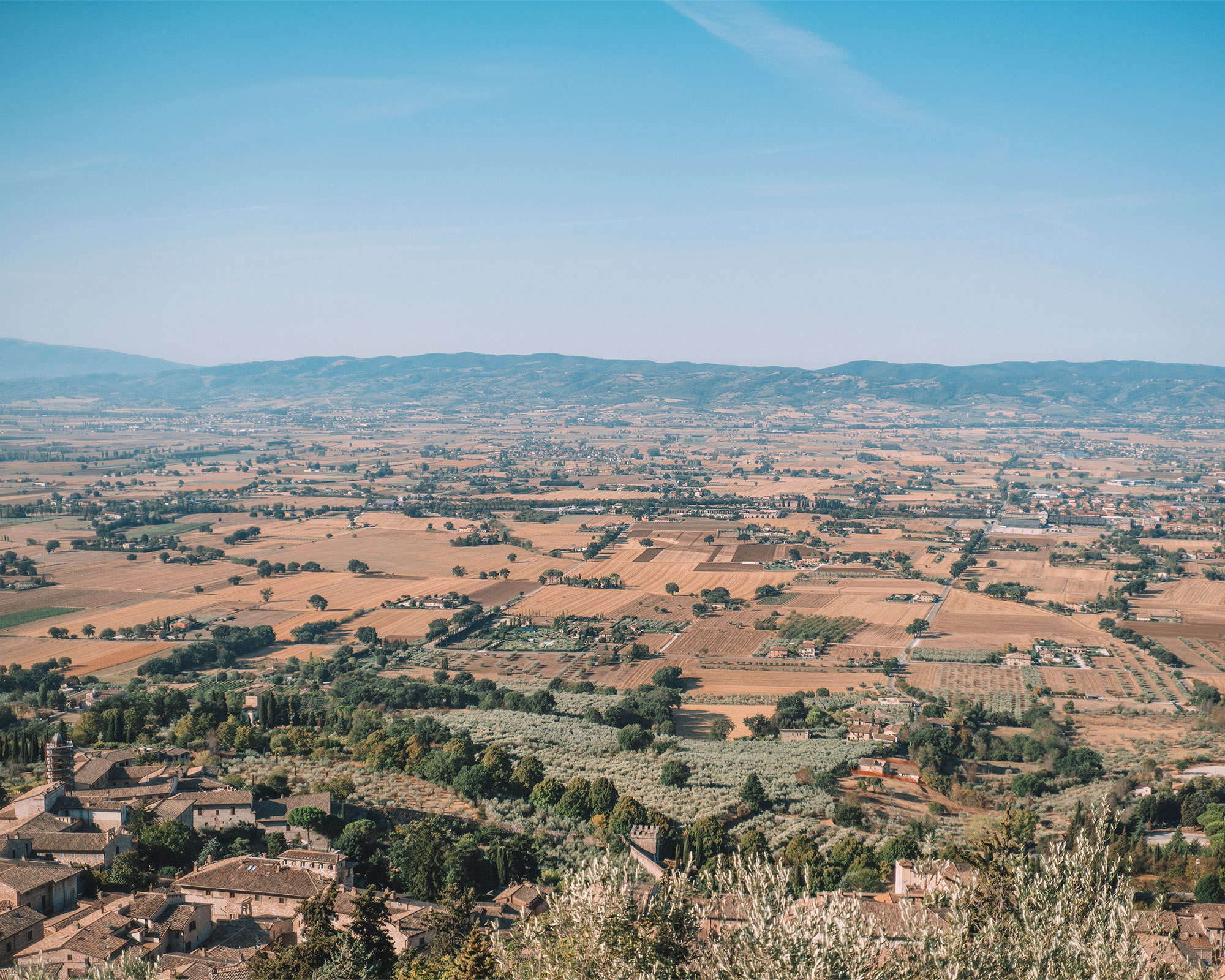
Tuscany, Italy is frequently searched by riders interested in combining cultural travel with cycling, particularly across vineyard-lined roads and historic hill towns connected by narrow country lanes. While the terrain appears gentle at a distance, repeated elevation changes and long gradients define most routes.
Electric commuter bikes perform well here due to their balance of comfort, assist range, and maneuverability through mixed surfaces such as pavement, gravel, and cobblestone streets.
Effective configurations typically include:
- Upright riding positions for long scenic rides
- Mid-range motors that handle steady climbs without abrupt acceleration
- Tires suited for mixed road conditions rather than technical trails
Electric assistance allows riders to maintain consistent pacing through hill towns without limiting daily mileage, making longer regional exploration feasible without physical burnout.
5. Bali, Indonesia - Inland Villages and Volcanic Gradients

Bali presents a less conventional but increasingly searched electric bike destination, particularly for riders interested in cultural landscapes rather than long-distance touring. While coastal areas are congested, inland regions offer quieter roads, rice terraces, and volcanic foothills with consistent elevation changes.
Electric bikes designed for mixed terrain are the most practical choice, as routes often include narrow paved roads, uneven surfaces, and extended climbs toward higher-altitude villages.
Key riding dynamics include:
- Short but frequent elevation gains that accumulate over the day
- Variable road quality that favors wider tires and stable frames
- Warm, humid conditions where electric assist reduces physical strain
Electric assistance allows deeper access into interior villages and agricultural regions without overexertion, making shorter rides more immersive rather than physically limiting.
6. Sedona, Arizona - High-Desert Trails and Layered Elevation
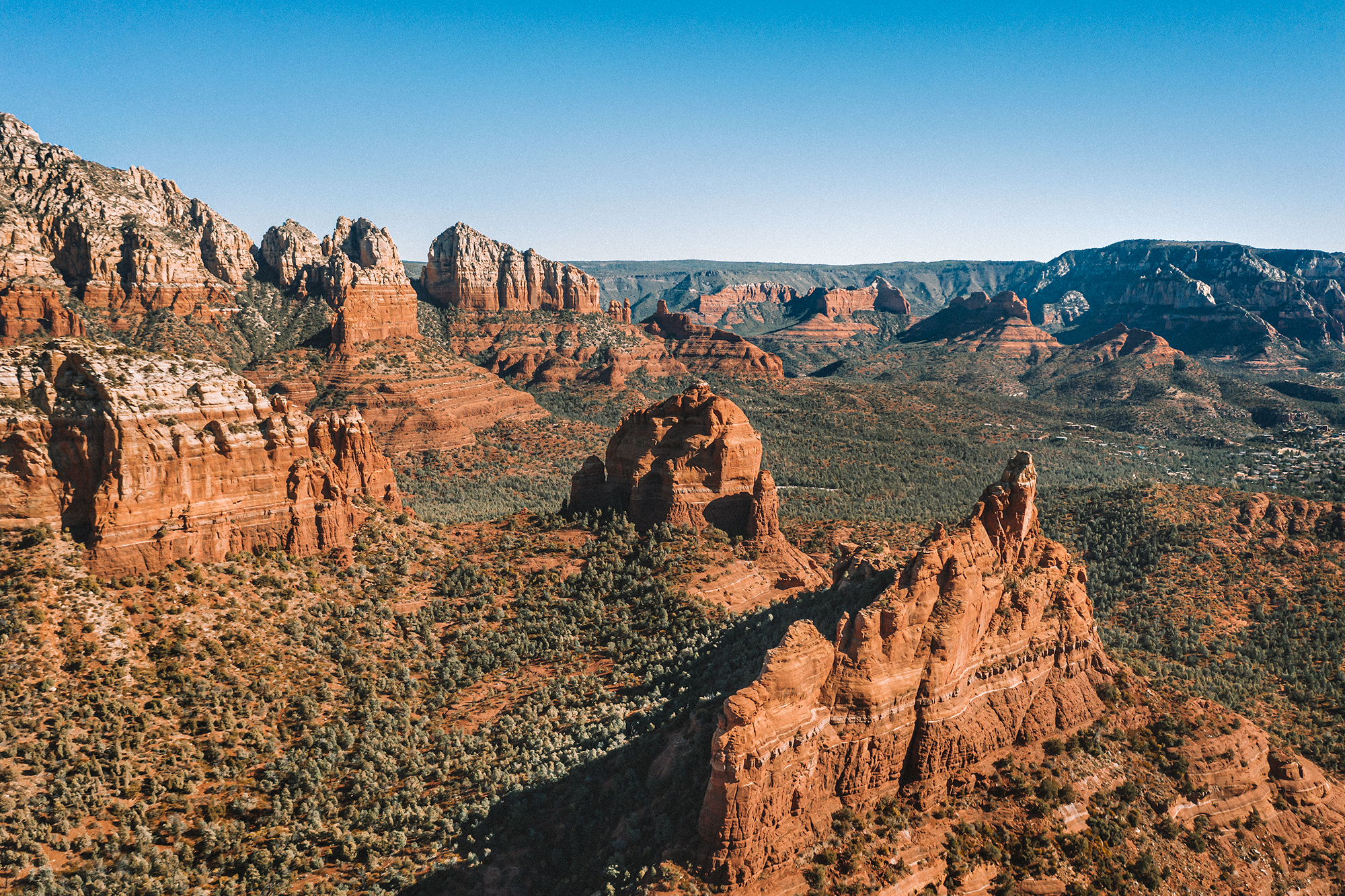
Sedona consistently appears in searches related to electric mountain biking due to its extensive trail network, dramatic elevation changes, and well-maintained red rock routes that sit somewhere between technical and scenic. The terrain combines compact dirt, exposed rock shelves, and rolling climbs that reward controlled assistance rather than raw speed.
Electric mountain bikes with mid-drive motors perform especially well here, as sustained climbs benefit from torque-sensitive power delivery rather than abrupt acceleration. Suspension becomes less about absorbing large impacts and more about maintaining stability across uneven rock surfaces and shallow ledges.
Key riding considerations include:
- Trail systems with mixed-use access where Class 1 e-bikes are permitted
- Repeated elevation gain rather than single long climbs
- High traction requirements on slickrock after temperature shifts
Electric assist extends ride length across interconnected trail systems, allowing riders to link routes that would otherwise require careful energy rationing, particularly in warmer conditions where exertion compounds quickly.
7. The Netherlands - Urban Connectivity and Regional Cycling Infrastructure

The Netherlands represents a fundamentally different electric bike destination category, centered on infrastructure rather than terrain difficulty. With thousands of miles of dedicated cycling paths connecting cities, towns, and rural areas, electric bikes function as a primary mode of transportation rather than a recreational supplement.
Flat topography minimizes physical strain, yet long daily distances and frequent headwinds make electric assistance practical, especially for riders covering multiple regions in a single itinerary.
Electric commuter bikes are the most effective option, particularly those designed for comfort and efficiency over sustained mileage.
Notable characteristics include:
- Seamless integration of bike paths into urban and rural transit systems
- Legal clarity and widespread acceptance of electric bikes
- Route planning that prioritizes continuity rather than elevation challenge
Electric bikes allow regional exploration without reliance on trains or cars, supporting point-to-point travel across multiple towns while maintaining consistent pacing throughout the day.
8. Mallorca, Spain - Coastal Climbs and Interior Mountain Roads

Mallorca has become increasingly popular among cyclists due to its combination of coastal roads, interior farmland, and mountain passes, all compressed into a relatively small geographic area. While traditionally associated with road cycling, electric bikes have expanded access to inland climbs and longer circuits that previously required high endurance levels.
The terrain alternates between smooth pavement, winding coastal highways, and sustained mountain gradients, making electric road or hybrid bikes particularly effective.
Recommended setup priorities include:
- Efficient motors that assist during long, steady climbs
- Road-oriented tires with enough width for imperfect pavement
- Battery capacity suited for full-day loops rather than short segments
Electric assistance shifts the focus away from managing exhaustion on climbs and toward route choice, scenery, and overall distance, especially when combining coastal riding with interior elevation.
9. Kyoto and the Kansai Region, Japan - Urban Streets, River Paths, and Rolling Countryside

Kyoto and the surrounding Kansai region are frequently researched by people interested in electric bike travel due to the combination of compact cities, clearly defined cycling rules, and scenic rural extensions just beyond the urban core. While central Kyoto is relatively flat, the outskirts introduce gradual elevation, river-adjacent paths, and low-traffic agricultural roads that reward extended exploration.
Electric commuter or hybrid bikes are particularly effective here, as routes often transition between pavement, narrow neighborhood streets, and well-maintained cycling paths along rivers such as the Kamo and Katsura.
Key factors that make the region suitable include:
- Dense clusters of cultural sites within manageable riding distances
- Clear signage and predictable traffic behavior that favor cyclists
- Gradual hills outside the city that benefit from moderate electric assist
Electric assistance allows longer daily coverage without rushing temple visits or neighborhood exploration, especially when combining city riding with countryside routes toward Arashiyama or Lake Biwa.
10. Taiwan - Coastal Highways and Mountain Foothills

Taiwan has gained visibility among electric bike riders due to its well-paved road network, manageable island scale, and striking terrain variation within short distances. Coastal highways offer extended flat stretches, while inland routes introduce sustained climbs through forested foothills and tea-growing regions.
Electric road or touring-oriented electric bikes perform well here, particularly those designed for longer distances and steady elevation gain rather than aggressive trail riding.
Practical considerations include:
- Reliable road surfaces suitable for higher daily mileage
- Gradual but persistent climbs that benefit from consistent motor support
- Infrastructure that supports multi-day point-to-point routes
Electric bikes reduce fatigue on inland climbs, allowing riders to balance coastal mileage with interior exploration without limiting daily range.
Choosing an Electric Bike for Mixed Travel Conditions
With so many ebikes available, selecting an electric bike for destination-based riding rather than daily commuting, flexibility matters more than specialization. A bike capable of handling pavement, gravel, and moderate terrain variation offers greater value for travelers moving between environments.
The Macfox X1S commuter electric bike reflects this balance through a configuration that supports both urban and semi-rural riding without leaning too heavily toward one category.
Notable specifications include:
- 500W rated motor with higher peak output for hills and load handling
- 48V battery system offering extended range with optional dual battery support
- Wide all-terrain tires that maintain stability on pavement, gravel, and sand
- Front suspension fork for vibration reduction on uneven surfaces
- Hydraulic disc brakes for consistent stopping power across conditions
This type of setup supports varied itineraries where route conditions are not fully predictable, making it practical for longer trips that combine city riding with destination exploration.
Like this post? Pin it for later and share it with others!

xx