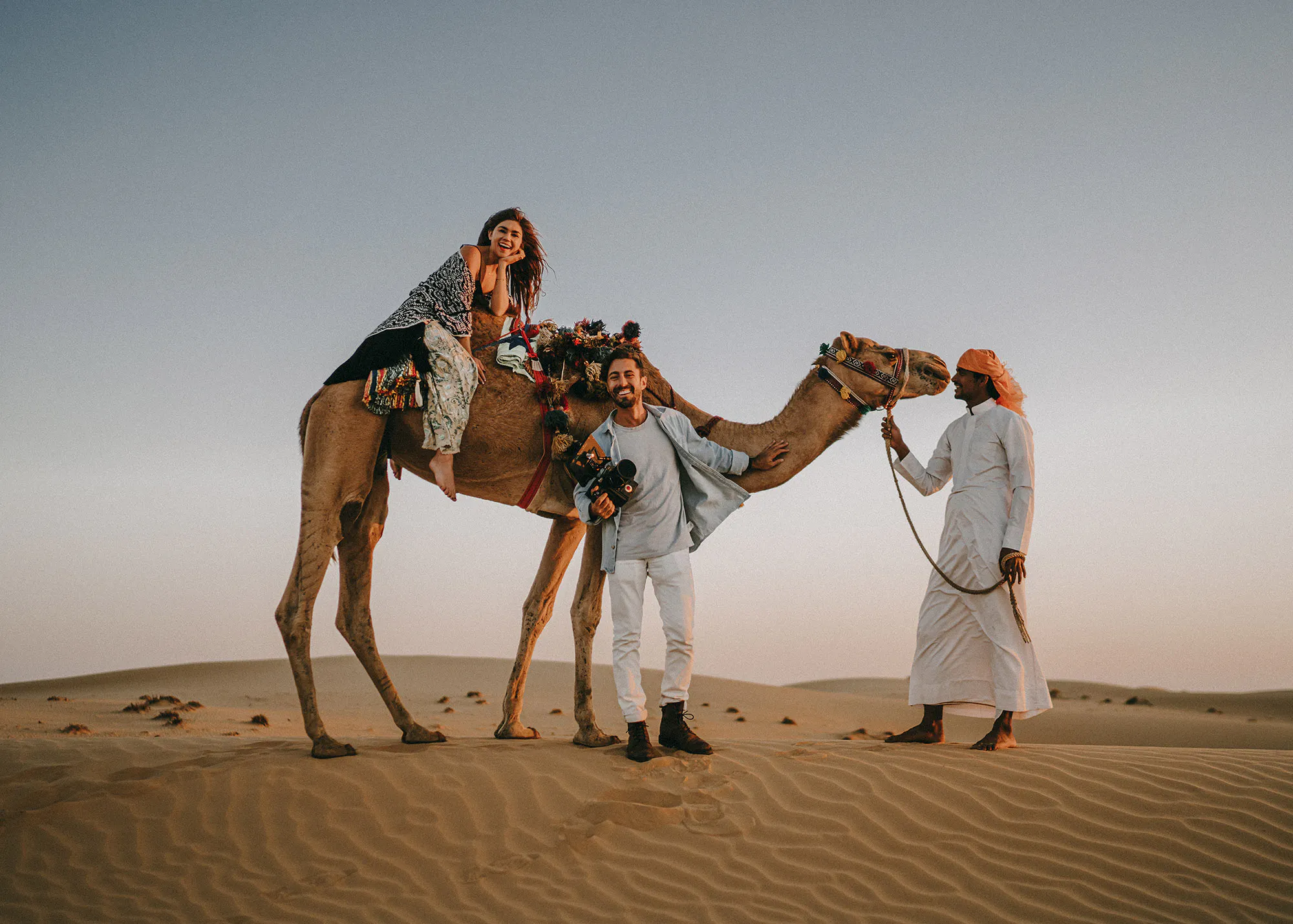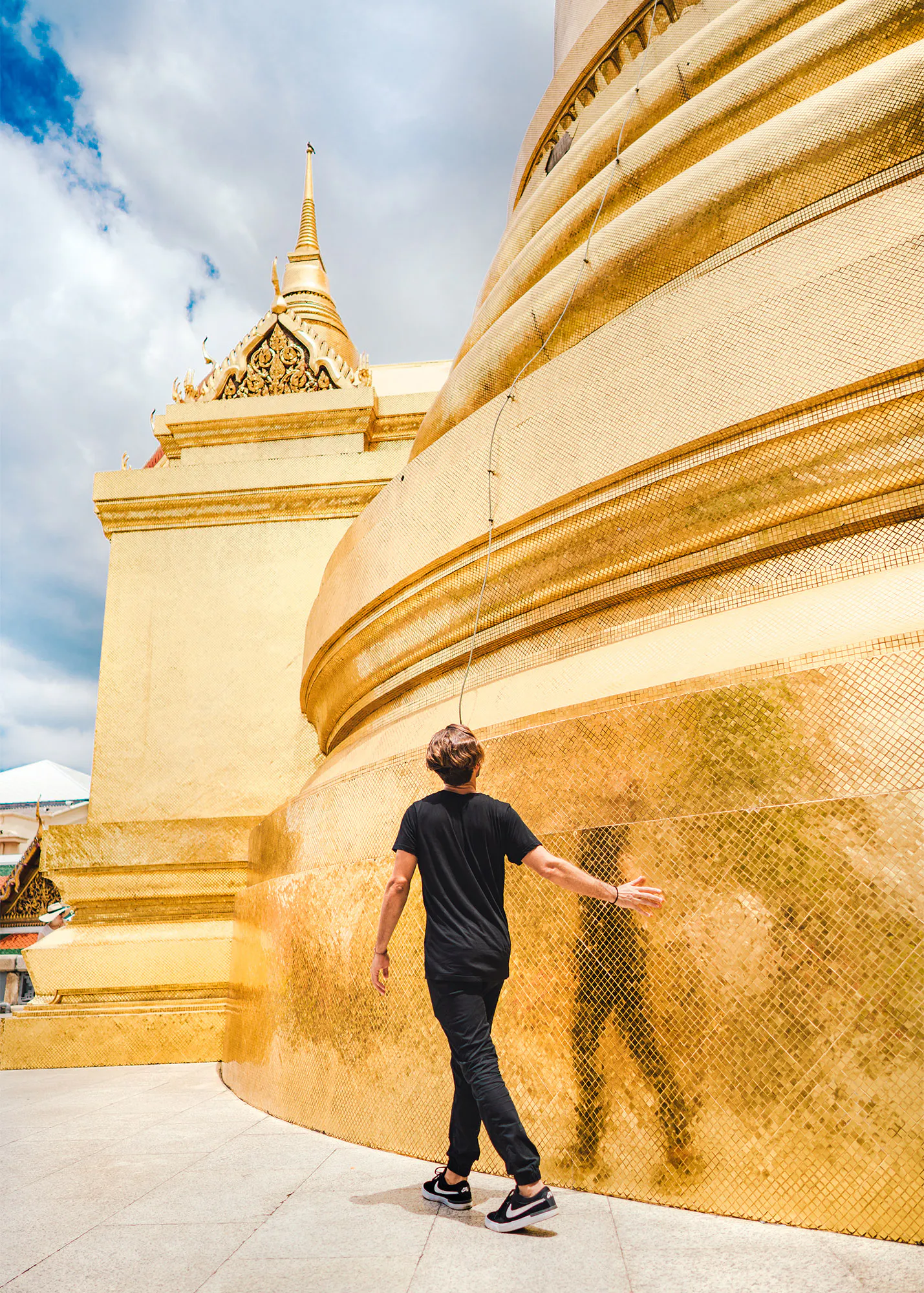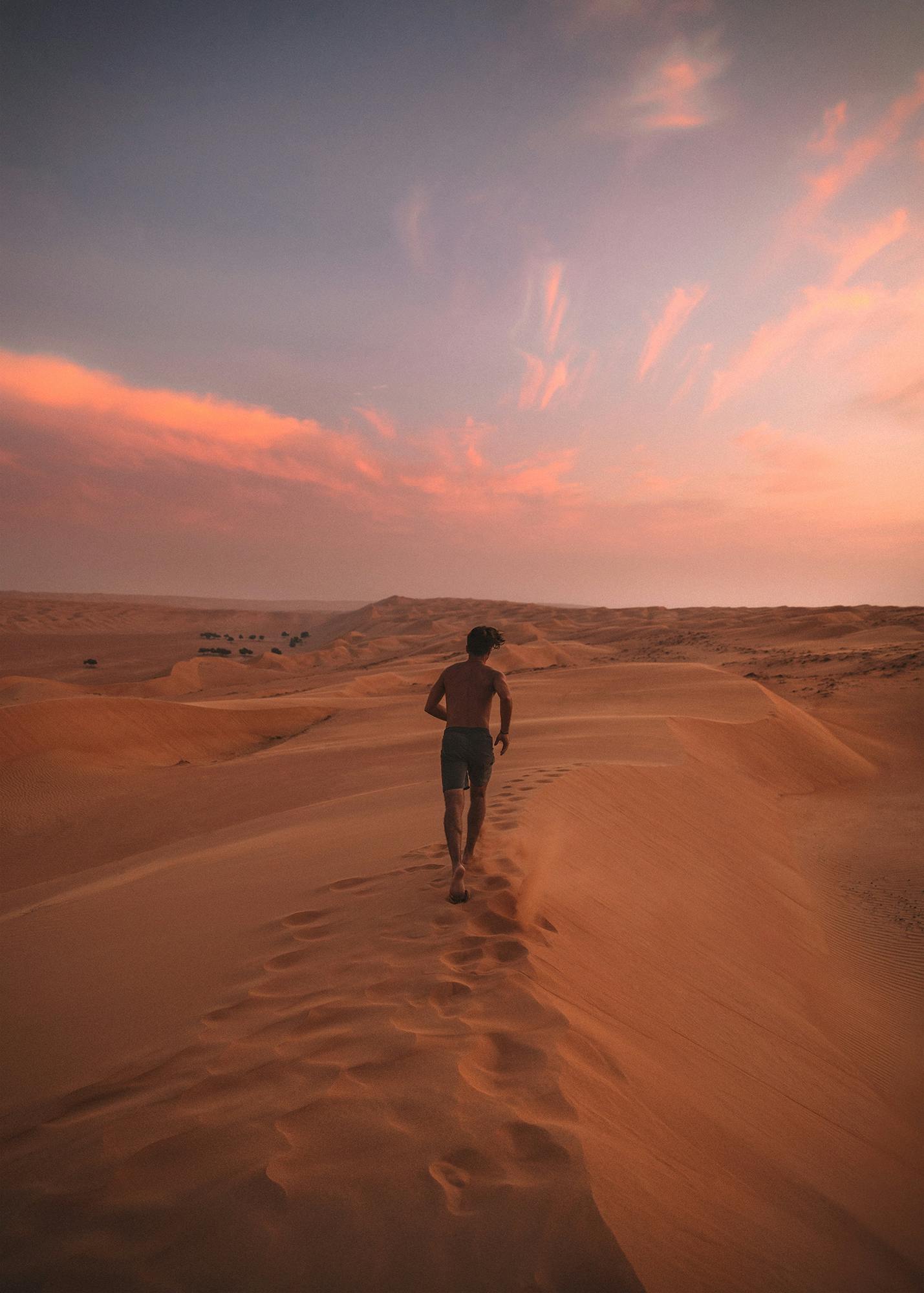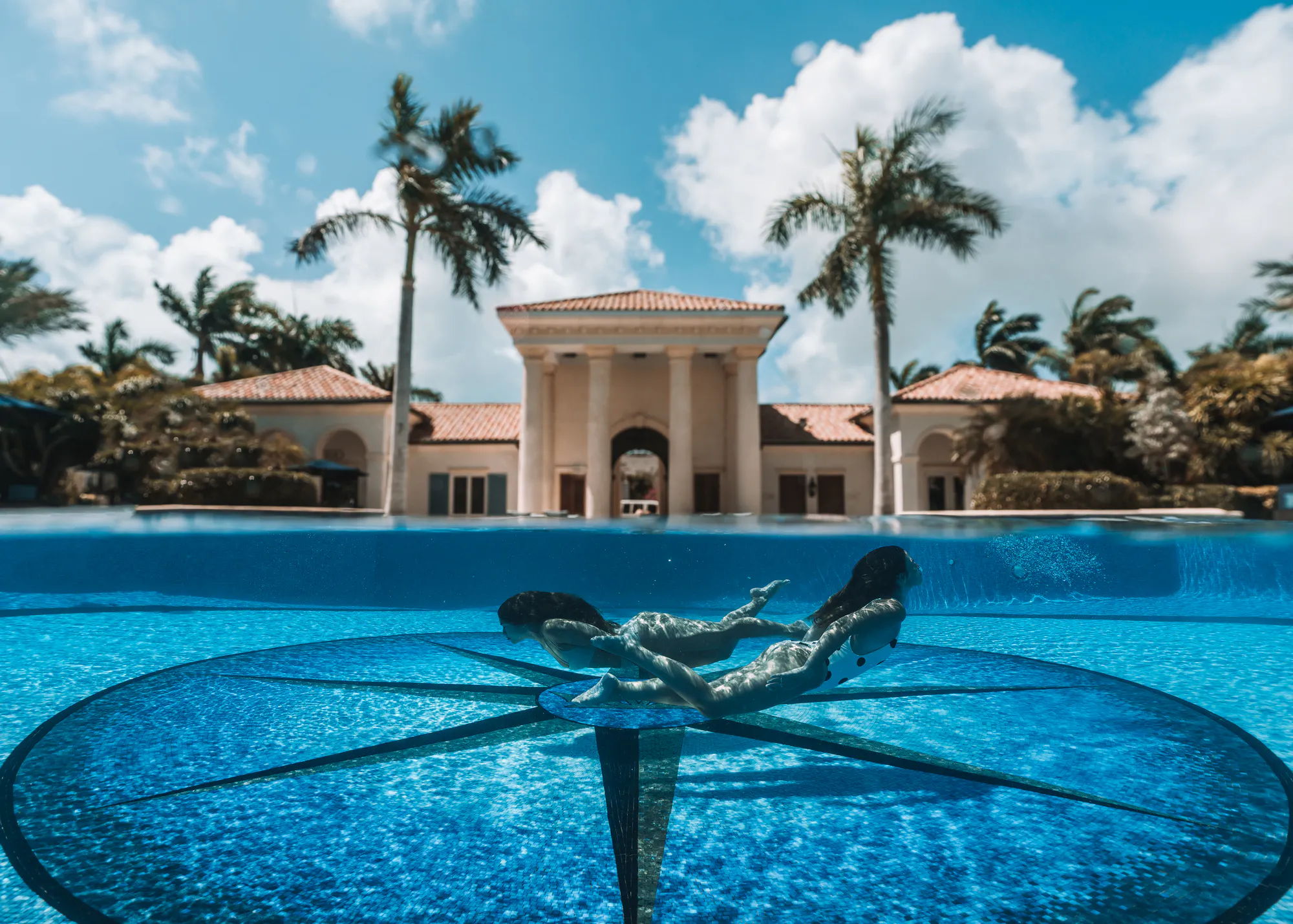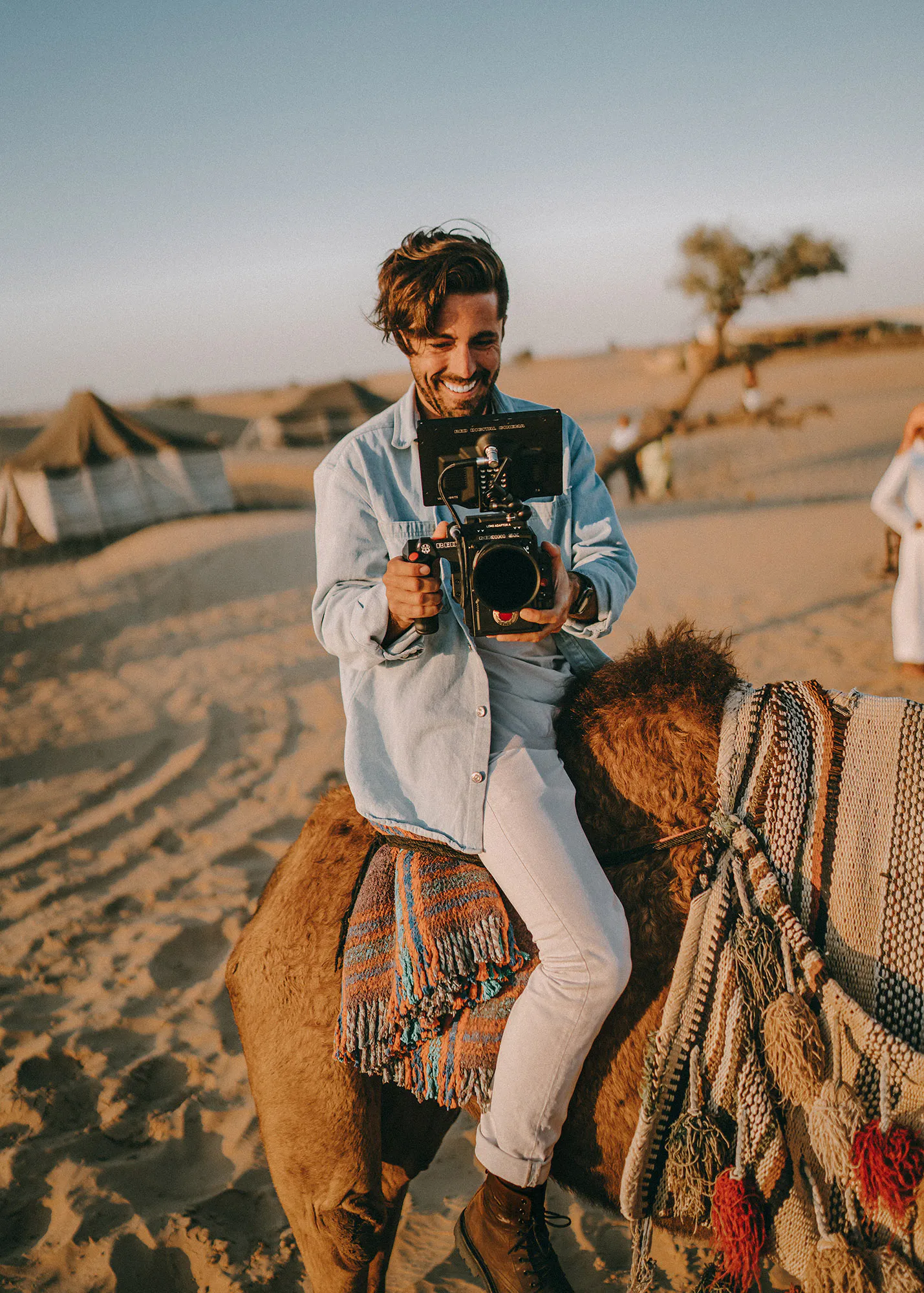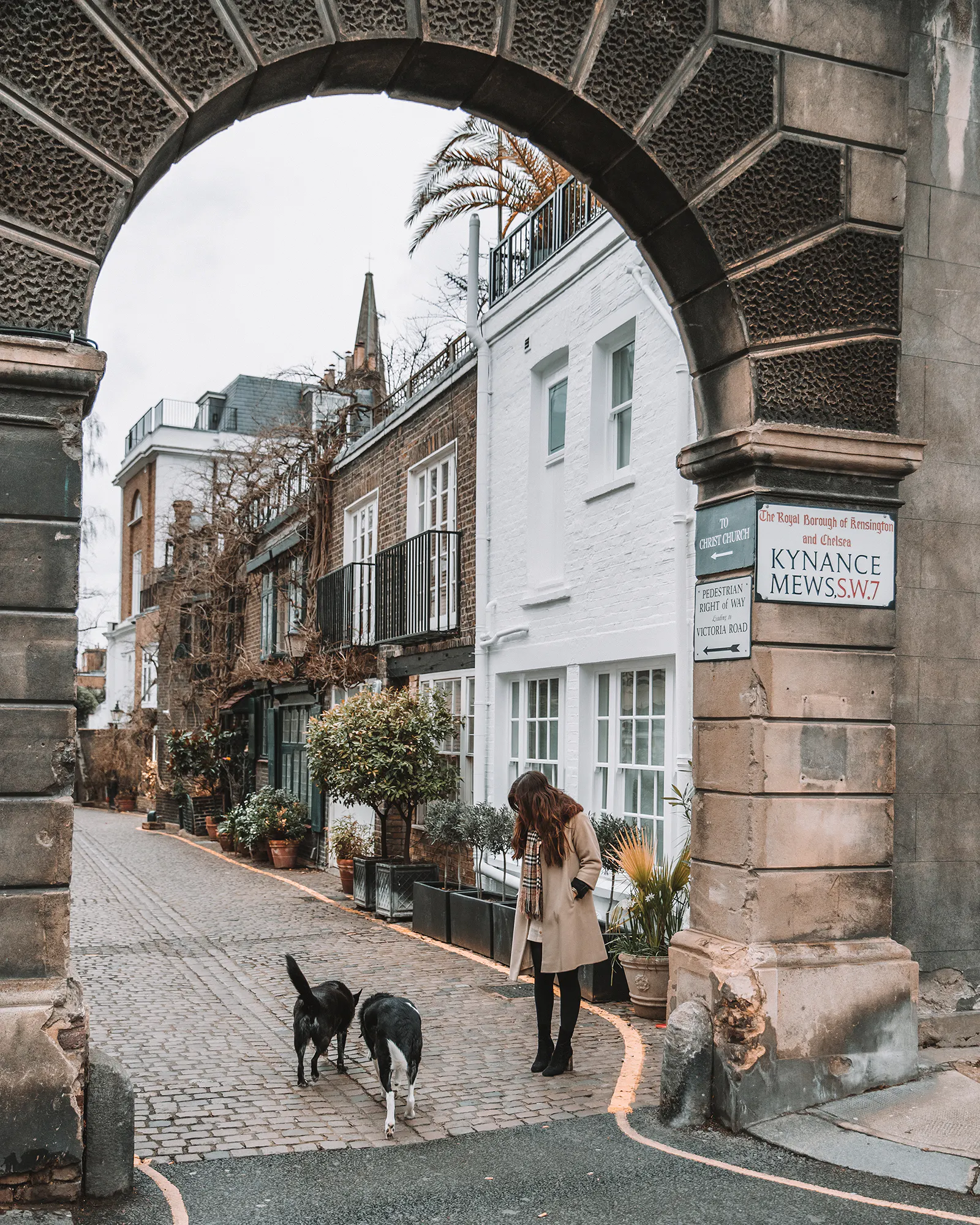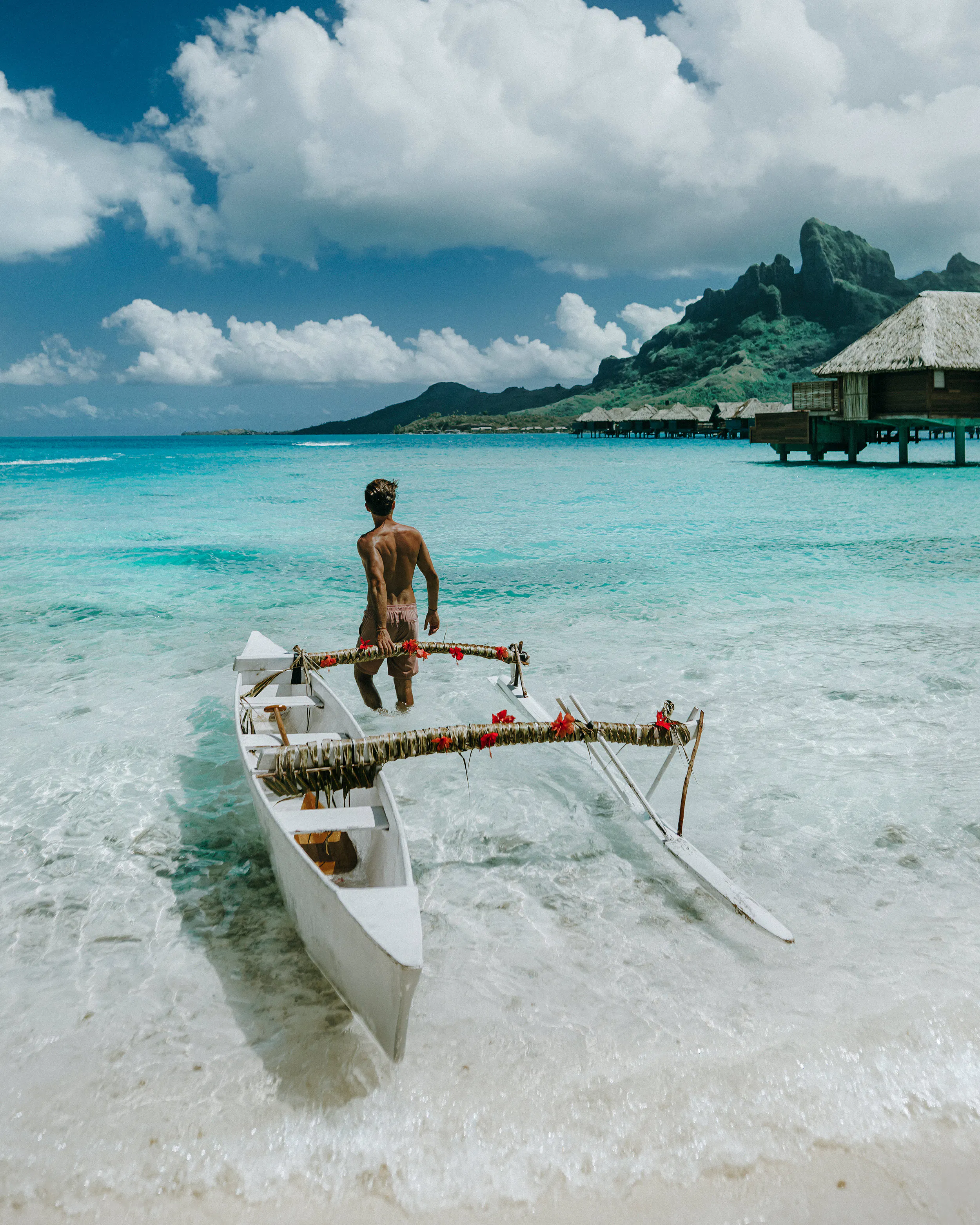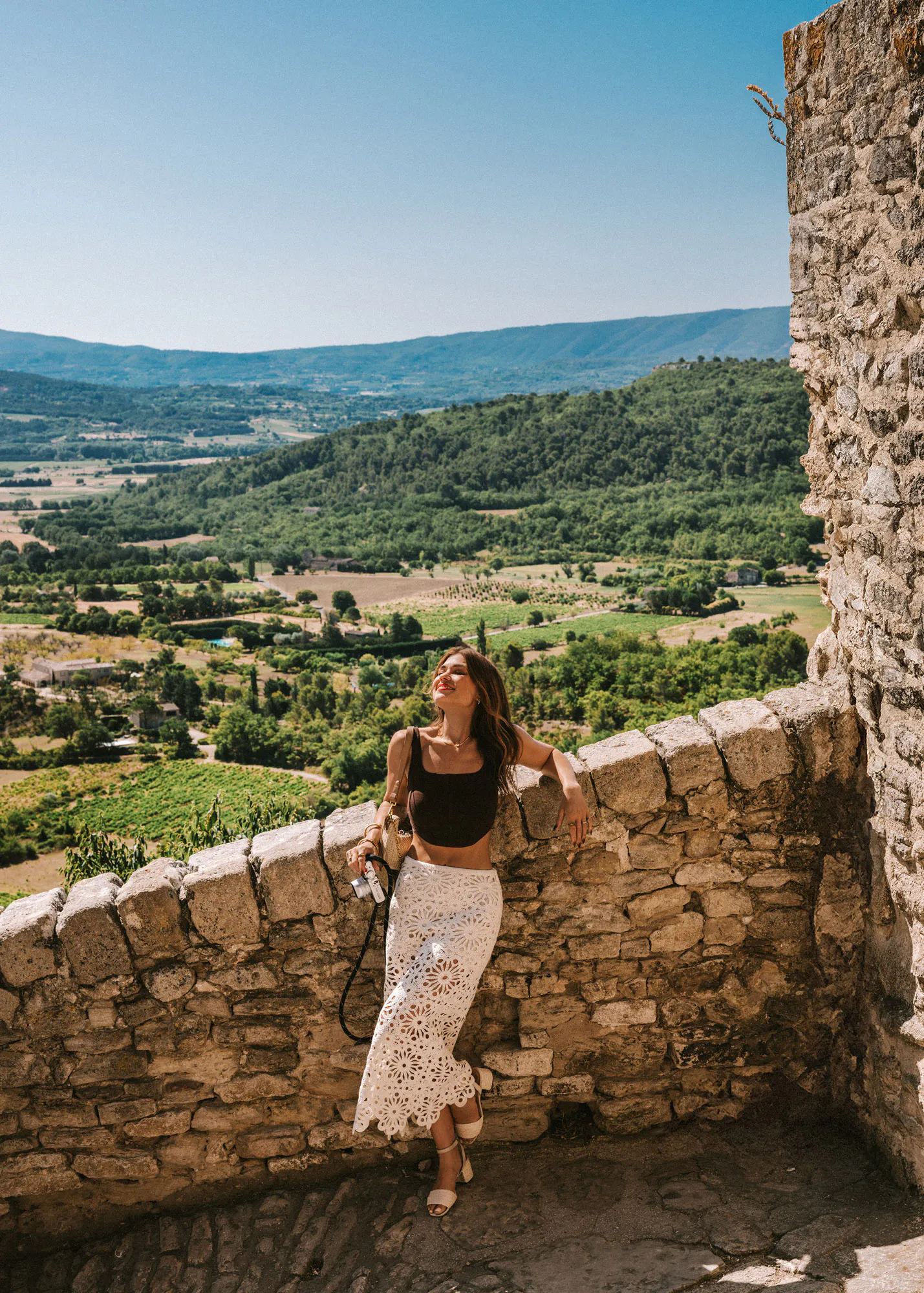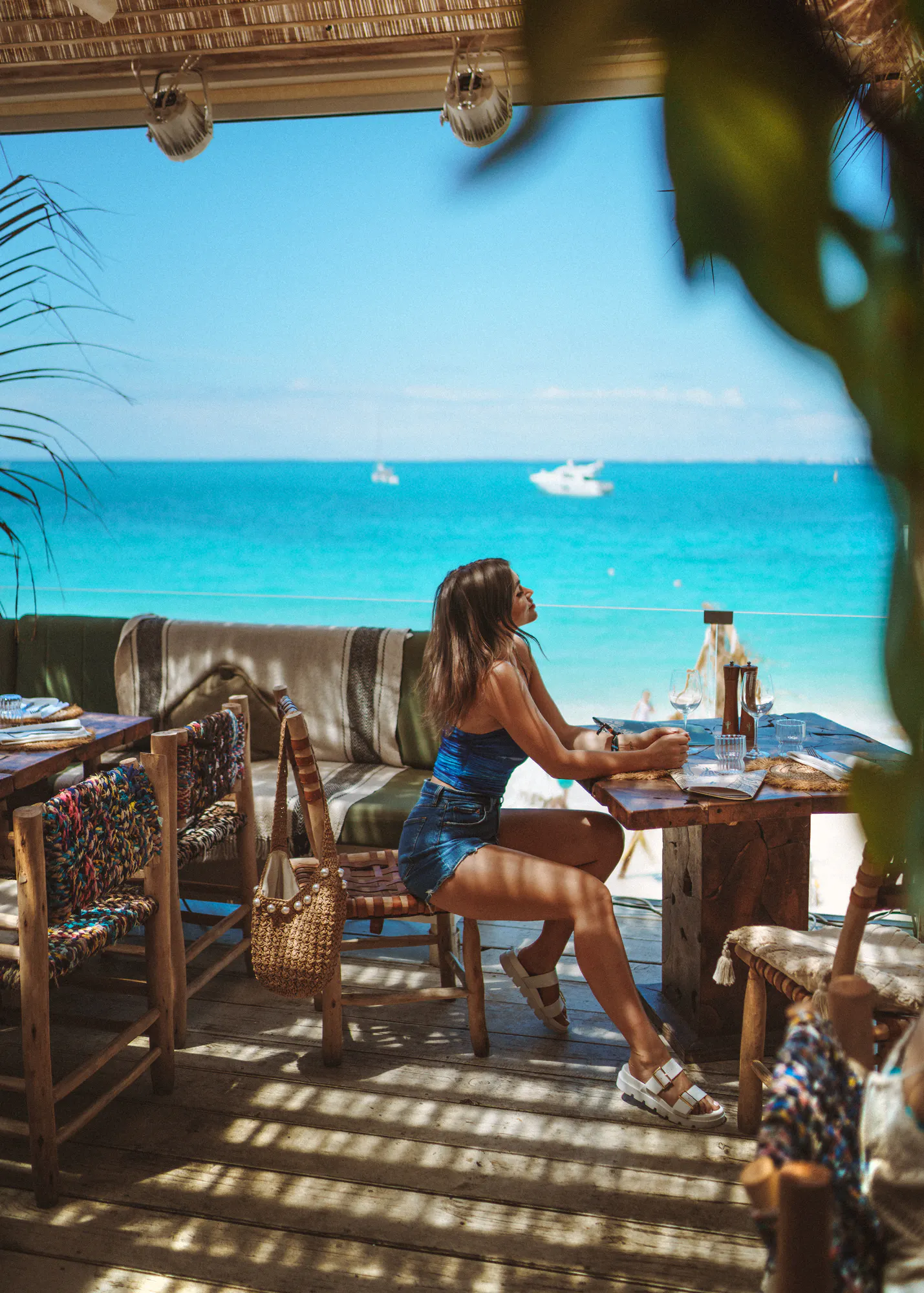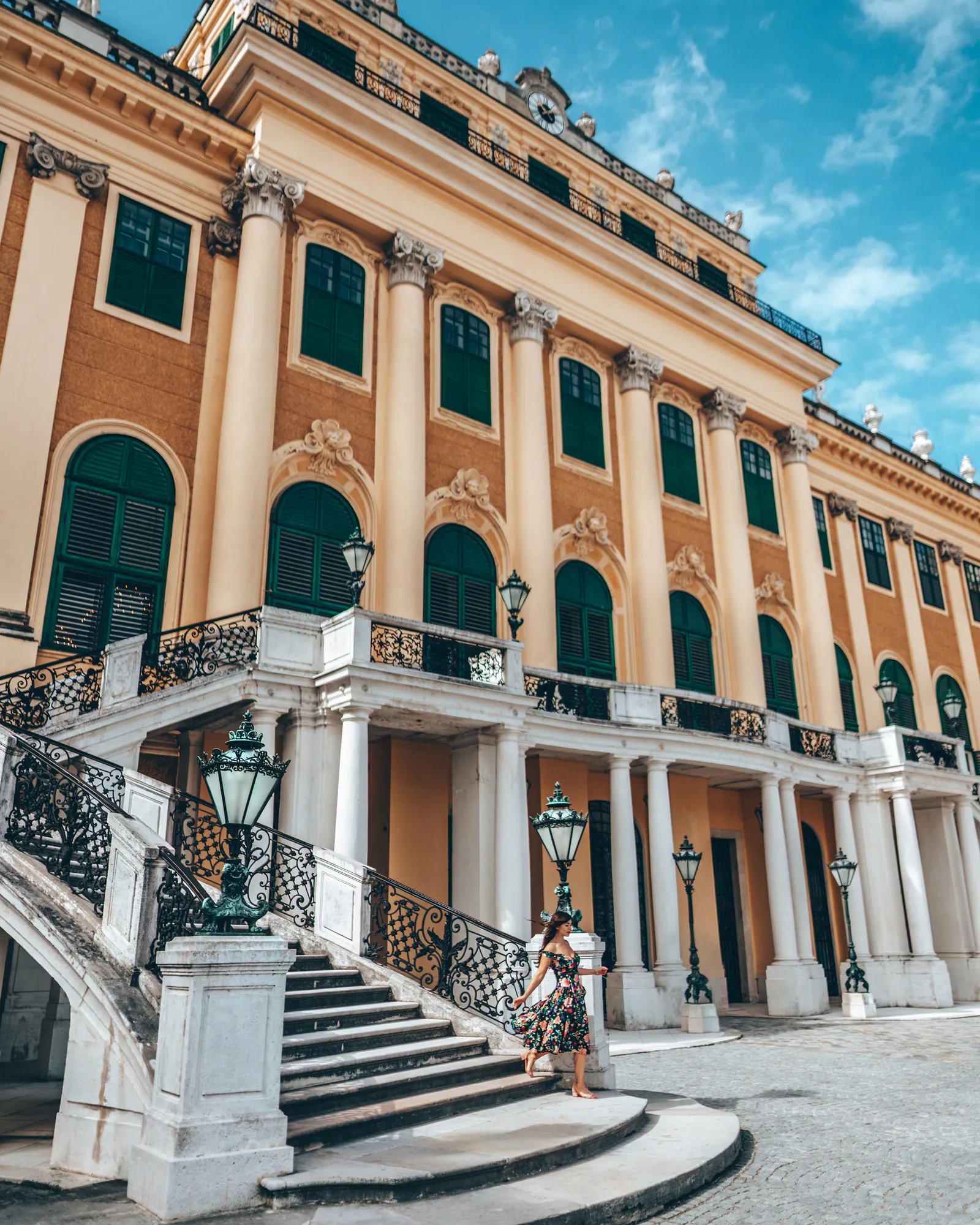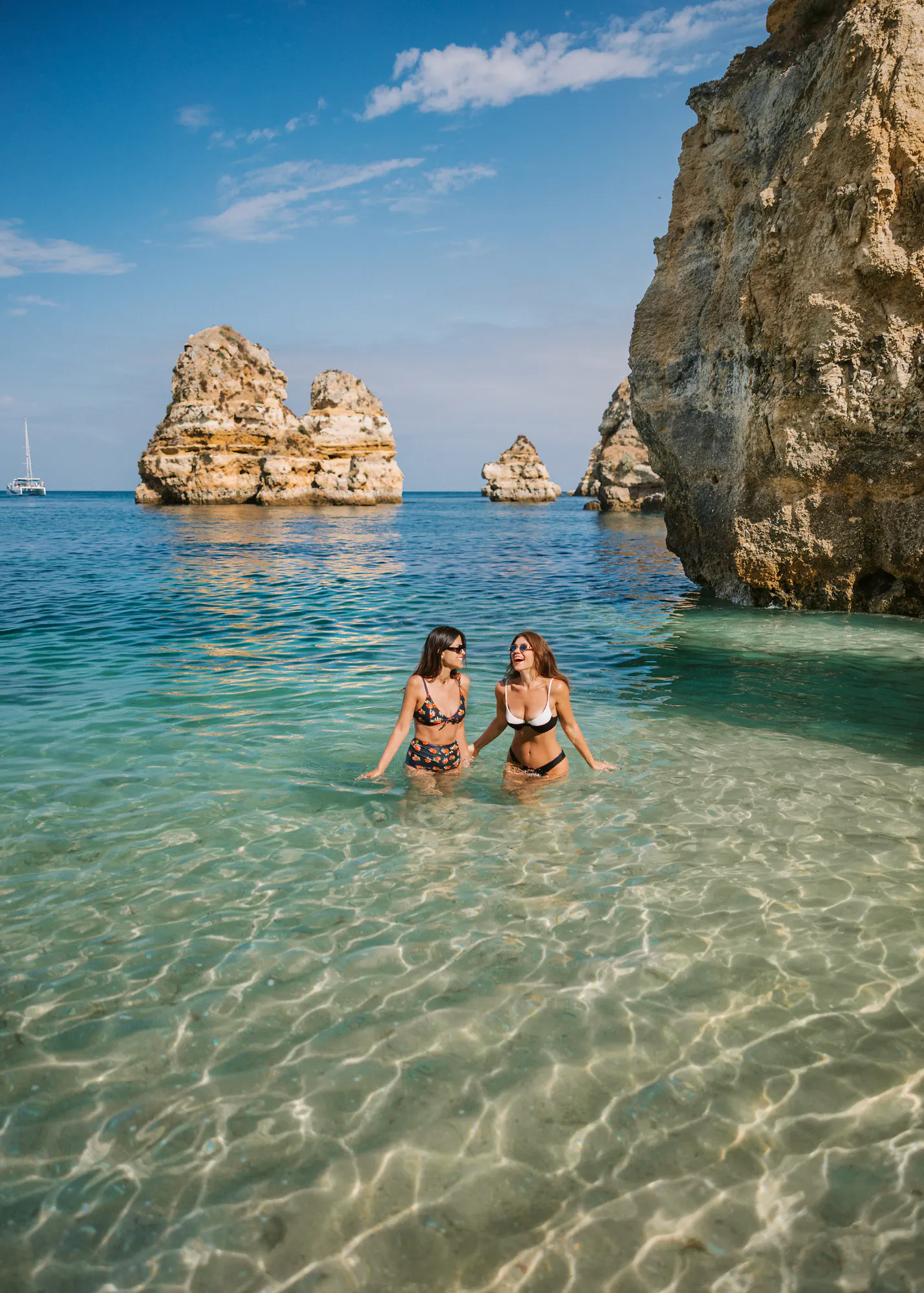
Kristijan Iličić walked away from his publishing job in 2017 to see the world. Now he owns Iluminol, a digital marketing and video production agency; runs Nomadik Travel; and launched Lyntel eSIM, while gathering over 600,000 followers on Instagram. He visited all 197 countries and became the first Croatian to do so.
Most travel bloggers write posts and take photos but never turn any of it into income. Kristijan built businesses around his content from day one, separating him from the thousands of bloggers who create decent work but can't pay their rent with it.
The average blogger posts to Instagram and crosses fingers. Traffic bumps up for a few months, then dies. The problem is not the content. The problem is treating marketing like an afterthought instead of the main event.
Bloggers who break through understand they need help with parts they don't know, which usually means working with marketing teams that help scale content platforms, who can turn blog readers into actual money.


Why Most Travel Blogs Stay Small
Someone launches a travel blog and writes about their trips. A small group starts reading. Maybe a hotel offers a free room for a post. Then everything stalls and nothing moves forward.
Traffic stays flat month after month. Income barely covers the domain fee. The writing is fine, and the photos look good, but treating a blog like a journal instead of a business kills any chance of growth.
A blog with regular traffic creates attention, but attention sitting there doing nothing pays zero dollars. You need an email list that turns readers into buyers, affiliate deals that generate money while you sleep, and brand partnerships that pay cash instead of comped hotel stays in mediocre properties.
Roughly 49% of small businesses fail within their first five years because of poor marketing strategies, and travel blogs die the same way.
Affiliate Income That Works
Most bloggers stick Amazon links in posts and call it done. That might buy a sandwich each month.
Real affiliate money comes from recommending gear people already plan to buy. Camera equipment works because photographers constantly use it. Travel insurance works because smart travelers protect expensive trips. One camera sale pays more than selling fifty cheap accessories.
Adventure bloggers do well with outdoor gear and weather-sealed cameras. Budget travelers make more money from hostel platforms and cheap flight alerts - recommending tools like finding a cheap plane ticket from Kiwi keeps your content practical and the commissions consistent. The match between your content and what you recommend matters more than the commission percentage.
Brand Partnerships That Pay
Sponsored Instagram posts might pay a few hundred dollars on a good day. Real brand deals pay thousands and build relationships that get more valuable over time.
Tourism boards need professional videos and photos across multiple platforms, not one Instagram story that vanishes in a day. Hotels want content packages that actually sell rooms. Kristijan built his agencies around creating what brands need instead of offering single posts.
Most bloggers sit around waiting for brands to contact them, which almost never happens. Build a simple media kit showing your traffic, who reads your stuff, and what you've done before. Find brands that match your content and pitch them specific campaigns with clear deliverables.
Stop asking for free rooms in exchange for posts. Start pitching real partnerships with budgets attached.
Digital Products People Buy
Digital products make money while you travel, but most bloggers create guides nobody wants. The products that sell fix specific problems Google can't answer well.
Destination guides work when they include insider details you can't find in five minutes of searching. Lightroom presets sell to photographers who want a particular look without spending hours tweaking sliders. Packing templates work for nervous travelers who need structure and around 71% of consumers prefer buying digital products that solve immediate problems.
Start small. Make one PDF guide for around twenty dollars and see if anyone buys it. Test different topics and watch what moves.

Consulting and Production Work
Build a successful travel blog, and other people will want to know your process. That information has value, and people will pay for it.
Consulting means coaching, running workshops, or building membership communities. One client paying two thousand dollars per month beats the ad revenue most bloggers see in a year.
Your content skills also work beyond your own site. Hotels need photographers who understand how to make properties look good. Tourism boards need video creators. Travel companies need writers who know the industry and can write descriptions that get people to book.
The successful creators turn their skills into production businesses where they pitch clients, deliver work, and charge based on commercial value.

Getting Help When You Need It
Nobody builds all this alone. Trying to handle everything yourself stops growth completely.
Content distribution needs skills most bloggers don't have. SEO specialists understand how search works. Social media managers know platform algorithms. Paid advertising strategists can make campaigns profitable. Working with people who understand scaling moves you forward faster than doing everything solo.
The investment pays off when done right. A marketing agency that doubles your traffic also doubles every dollar you make from email lists, affiliate links, brand deals, and products. Scaling a travel business often requires additional capital for equipment upgrades, marketing campaigns, or hiring specialists. For businesses that want to limit personal financial exposure, options such as no personal guarantee business funding may provide access to working capital without requiring the owner's personal assets to secure the financing. Used responsibly, this type of funding can help support business growth while preserving cash flow during expansion.
The mistake is waiting until you're drowning to bring in help. Kristijan built multiple businesses by working on what he's good at and bringing in people who know marketing, development, and distribution better than he does.