The weather can turn a simple outing into a planning exercise. For people who rely on mobility support, rain, wind, cold air, glare, and sudden temperature changes can affect whether daily errands feel practical or stressful.
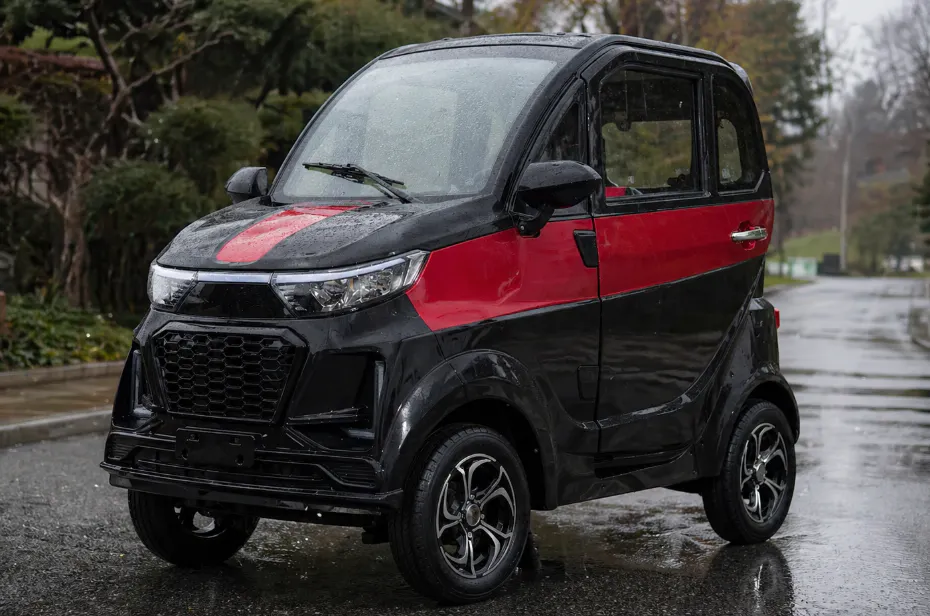
That is why all-weather mobility equipment matters. An enclosed mobility scooter adds cabin-style protection to powered mobility, helping riders feel more sheltered during routine outdoor travel.
Instead of leaving your loved one fully exposed, an enclosed design can help make local movement more comfortable across changing conditions. It does not remove the need for safe routes, sensible weather decisions, or proper equipment selection, but it can reduce some of the everyday barriers that make outdoor mobility harder than it needs to be.
Why Weather Protection Matters for Everyday Mobility
Open-air mobility scooters can work well in mild conditions, but real life does not always wait for perfect weather. A light shower, a gusty afternoon, or a cold morning can make even a short trip feel more demanding.
The CDC reports that 12.2% of U.S. adults have a mobility disability involving serious difficulty walking or climbing stairs. For many adults, reliable outdoor movement supports more than convenience. It can affect access to appointments, local shops, social activities, and everyday community life.
The World Health Organization also explains that assistive products help maintain or improve functioning and independence, supporting participation in daily life. An enclosed scooter fits within that broader practical purpose. It does not eliminate all outdoor risks, but it can make mobility more predictable on more days of the year.
Protection From Rain and Damp Conditions
Rain is one of the most obvious reasons people consider a covered mobility scooter. Even a short period of exposure can leave clothing damp, reduce comfort, and make a rider feel cold before reaching a destination.
An enclosed scooter typically includes a roof, windshield, and partial or full cabin coverage, depending on the model. This can help reduce direct exposure to rain and road spray in light or moderate weather.
Practical benefits may include:
- Keeping clothing and personal items drier
- Reducing the need for separate rain gear on every outing
- Improving comfort during short trips in damp weather
- Helping the rider feel less exposed when conditions change suddenly
This can be especially useful for people who move around retirement communities, larger residential properties, accessible campuses, or local neighborhoods where scooter travel is permitted and routes are suitable.
Better Comfort in Cold and Windy Weather
Cold weather is not only uncomfortable. It can make outdoor travel feel physically harder, especially when the rider is seated and exposed to moving air.
The National Institute on Aging advises older adults to take cold-weather safety seriously, including keeping outdoor walkways clear of snow and ice. While an enclosed mobility scooter should not be used as permission to travel in unsafe winter conditions, it can help reduce direct wind exposure during appropriate trips.
A cabin-style scooter may feel more comfortable in cooler months because it reduces the amount of cold air that hits the rider directly. This is useful for local travel where the destination is close, but the weather still creates discomfort.
Wind can also make open-air scooter travel feel less controlled, especially in exposed areas such as parking lots, wide pavements, coastal towns, and open residential estates. An enclosed design can help shield the rider from some direct wind pressure, making the journey feel calmer and less tiring during routine errands.
Greater Independence for Local Errands
The main benefit of an enclosed scooter is not just protection from the weather. It is the ability to keep ordinary plans from becoming overcomplicated.
Most people do not need long-distance travel. They need a reliable way to move through daily routines. That might include reaching a mailbox, visiting a neighbor, traveling through a community, going to a nearby shop, or attending a local appointment.
AARP’s 2024 Home and Community Preferences Survey found that 75% of adults age 50 and older want to remain in their current homes, while 73% want to remain in their communities for as long as possible. Mobility equipment can play a practical role in that preference by helping people continue participating in familiar environments.
An enclosed scooter may support that goal by making short, local trips more realistic when the weather is not ideal.
Practical Support for Aging in Place
Aging in place requires more than staying in the same home. It requires planning around movement, safety, transport, accessibility, and daily support.
Forbes Health notes that aging in place requires planning around safety, independence, and potential risks. Outdoor mobility is one part of that planning conversation.
An enclosed scooter may be helpful for adults who want to maintain some control over their daily movement without relying on a car or a caregiver for every short trip. In the right environment, it can offer a practical middle ground between walking longer distances and arranging transport for every errand.
It may be especially useful in settings such as senior living communities, accessible residential estates, large private properties, local shopping areas with safe scooter access, campuses with smooth outdoor pathways, and neighborhoods with suitable pavements and curb cuts.
The environment matters. A scooter is only useful if the surrounding routes are safe, accessible, and appropriate for the device.
Sun, Glare, and Heat Considerations
All-weather mobility is not only about rain and cold. Bright sun, glare, and heat can also make outdoor travel uncomfortable.
An enclosed scooter can help reduce direct sun exposure through its roof and windshield. This may make short trips more comfortable during bright conditions, especially for riders who prefer shade while traveling.
However, enclosure brings its own considerations. A cabin can become warm depending on ventilation, climate, and the length of the journey. Buyers should look carefully at airflow, window design, fan options, and how easy it is to manage the scooter's interior temperature.
The best option is not simply the most enclosed model. It is the model that balances protection, comfort, visibility, and ventilation for your loved one’s local climate.
Who May Benefit Most From an Enclosed Mobility Scooter?
An enclosed scooter may suit adults who need powered mobility and want added protection during everyday travel. It can be particularly helpful for people who find open-air scooters uncomfortable in changing weather.
It may be worth considering for older adults planning for longer-term independence, people living in rainy or windy regions, people who travel across larger residential or community settings, and adults who want more comfort for short local trips.
It is not the right fit for everyone. Some people may prefer a lighter, smaller open scooter that is easier to transport. Others may need a more specialized mobility device based on clinical or functional needs.
The best decision starts with the real daily routine. Where will the scooter be used? How far will it travel? What surfaces will it cross? How often does the weather interrupt movement? Those answers matter more than product appearance alone.
Making Outdoor Movement More Reliable, Whatever the Weather
An enclosed mobility scooter can make outdoor movement more comfortable in rain, wind, cold, and bright seasonal conditions. Its value lies in reducing direct exposure while supporting routine trips that help people stay connected to their homes, communities, and daily responsibilities.
For adults who want greater confidence in changing weather, an enclosed scooter can be a practical part of an all-weather mobility plan. The right model should match the rider, the local environment, and the journeys they actually need to make.
This article is for general information, not medical advice. Consult a qualified clinician or occupational therapist for personalized guidance.