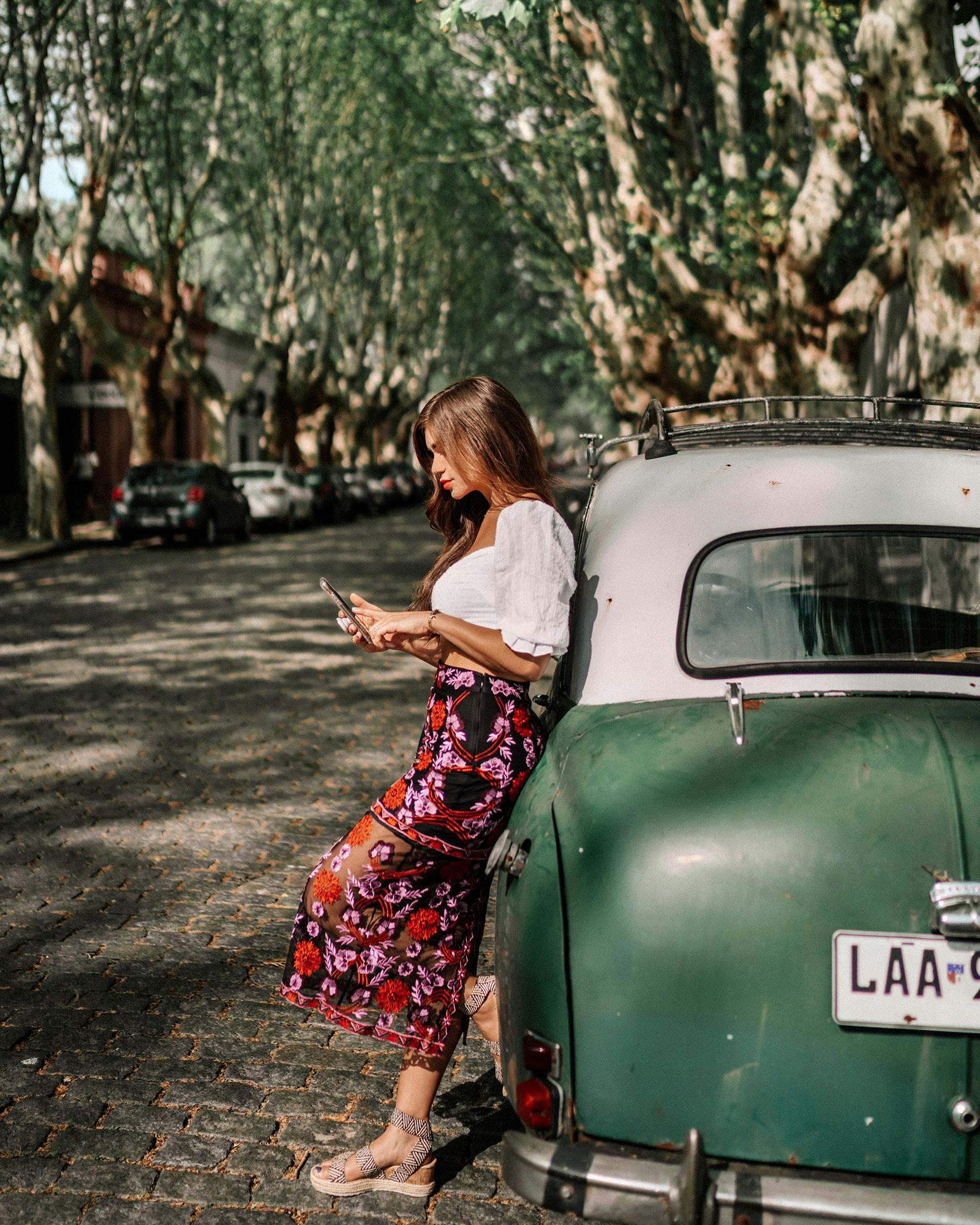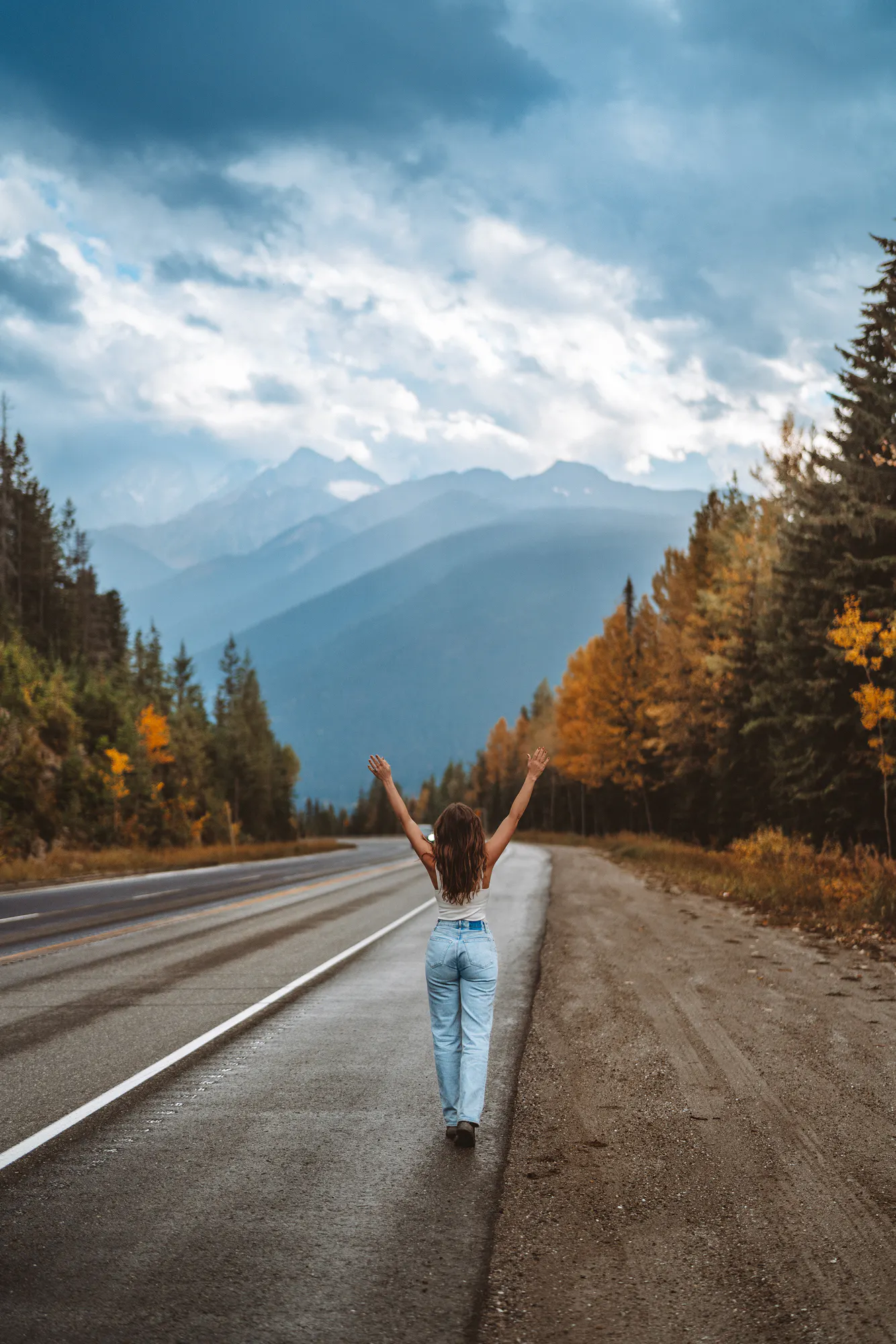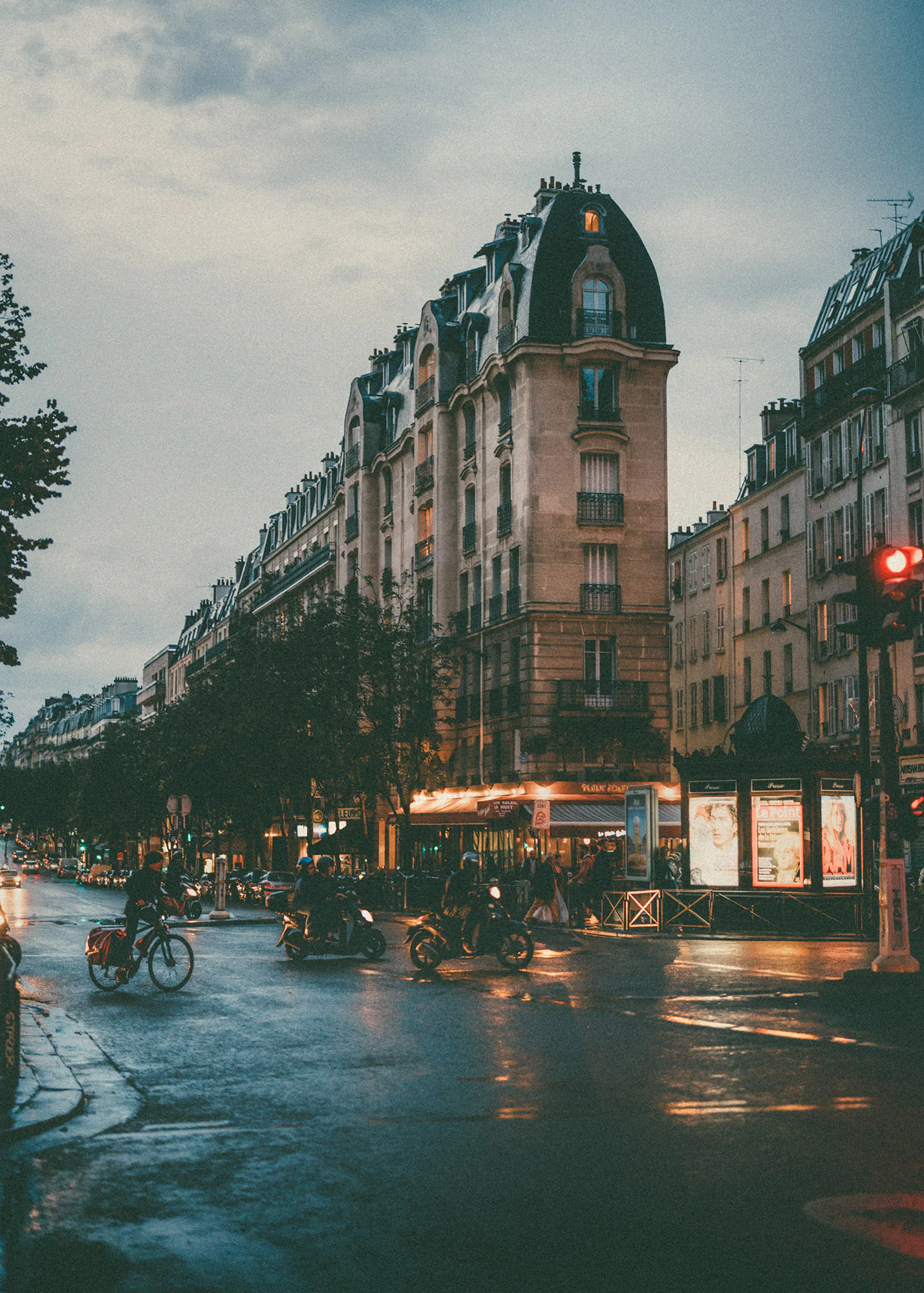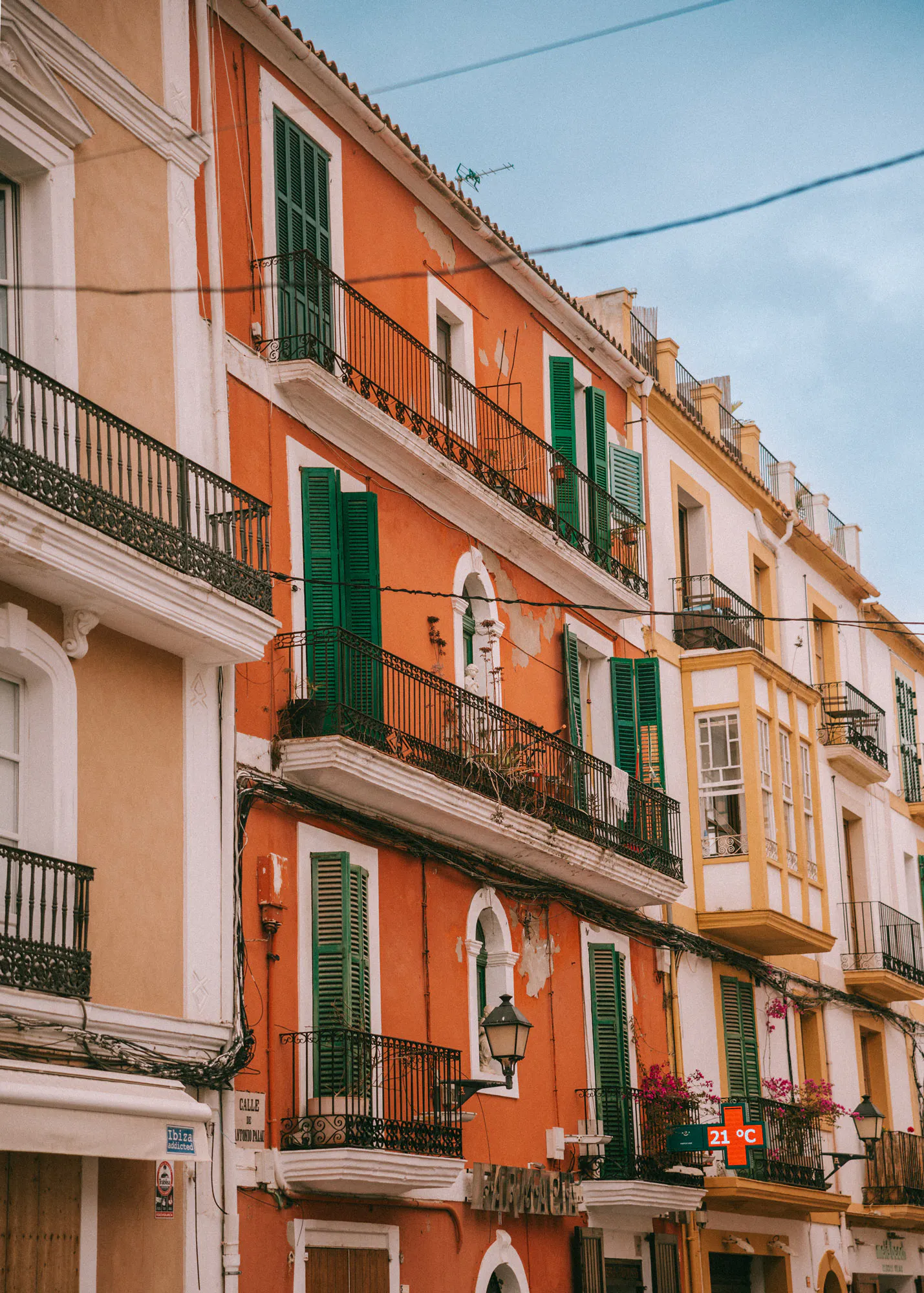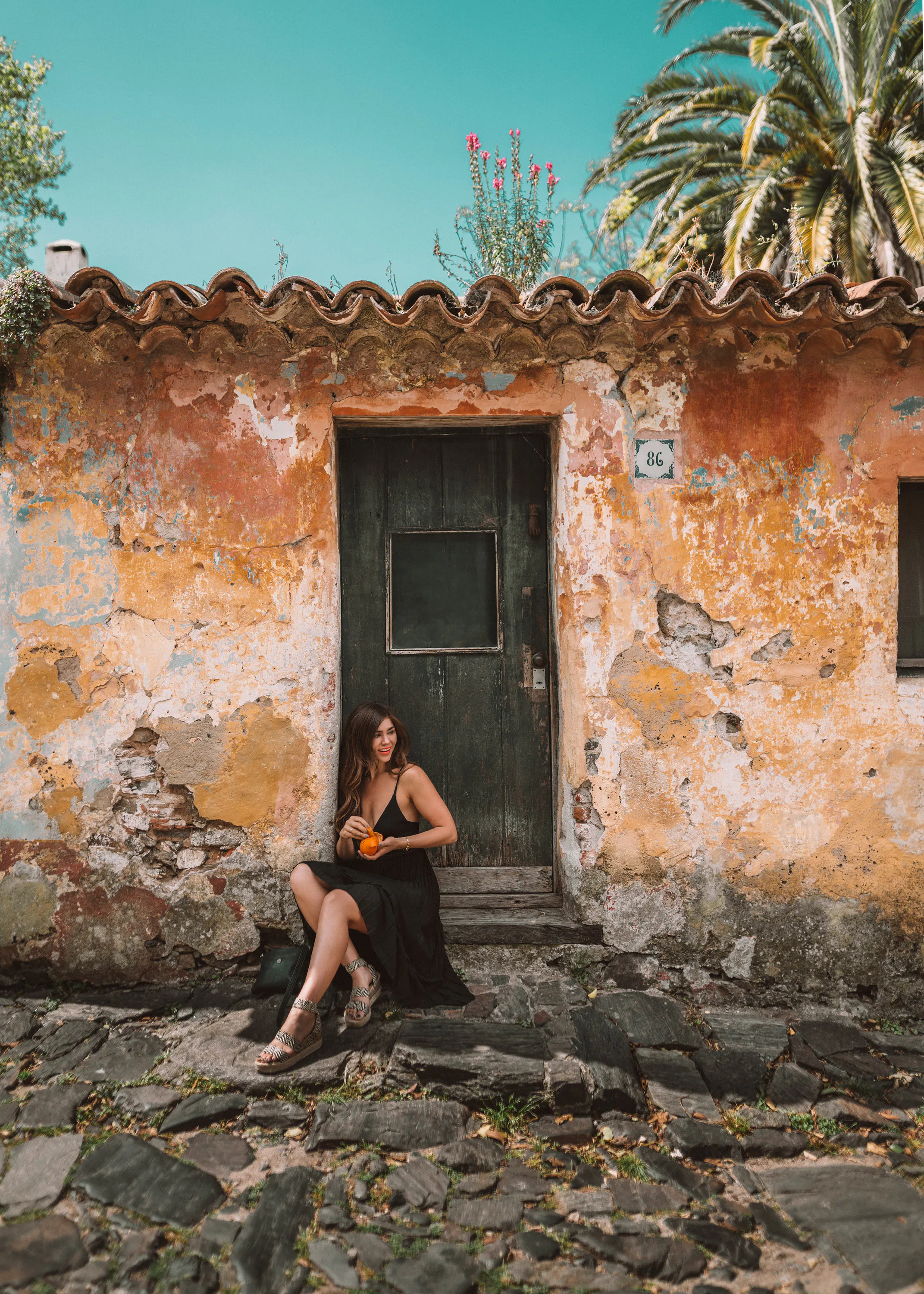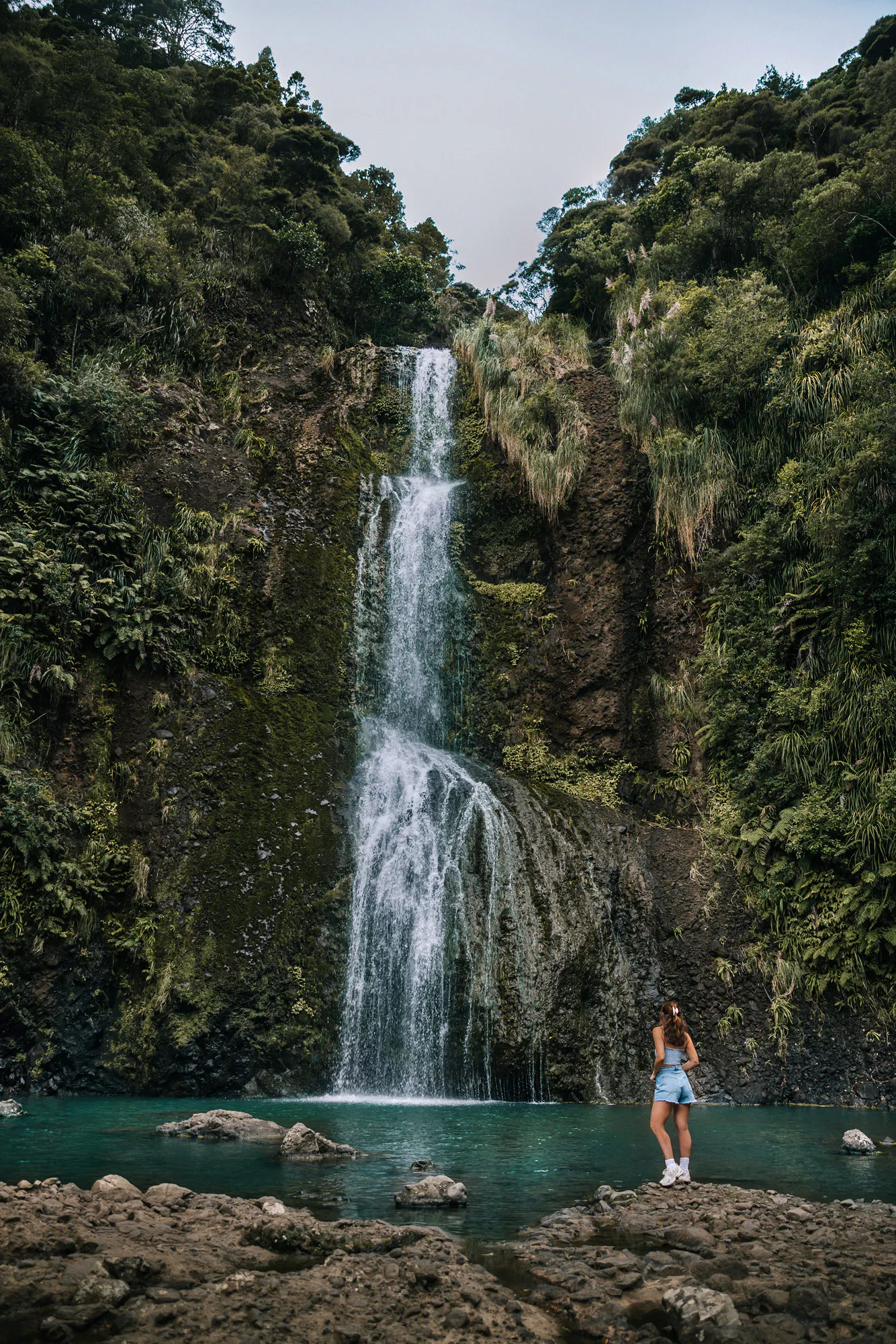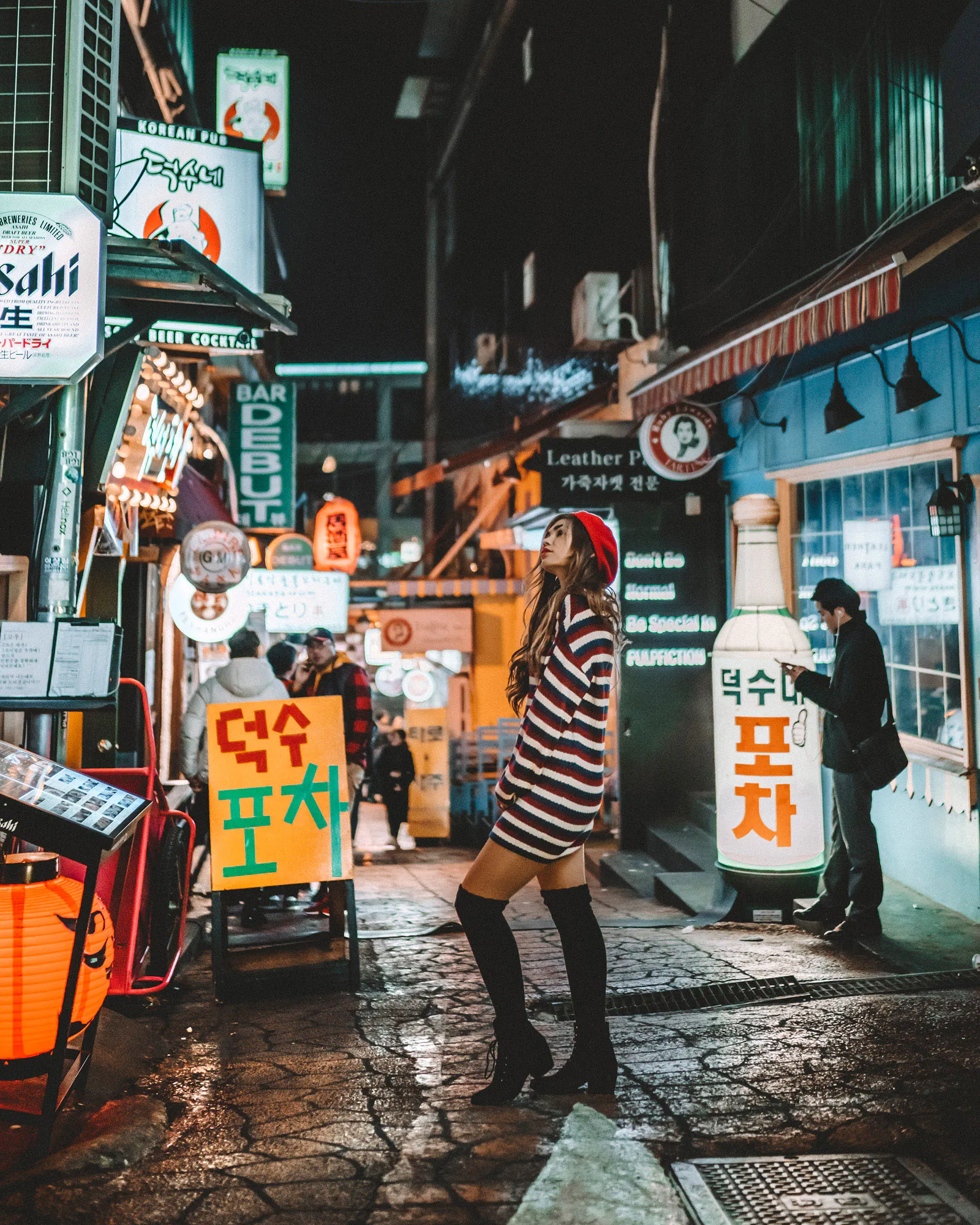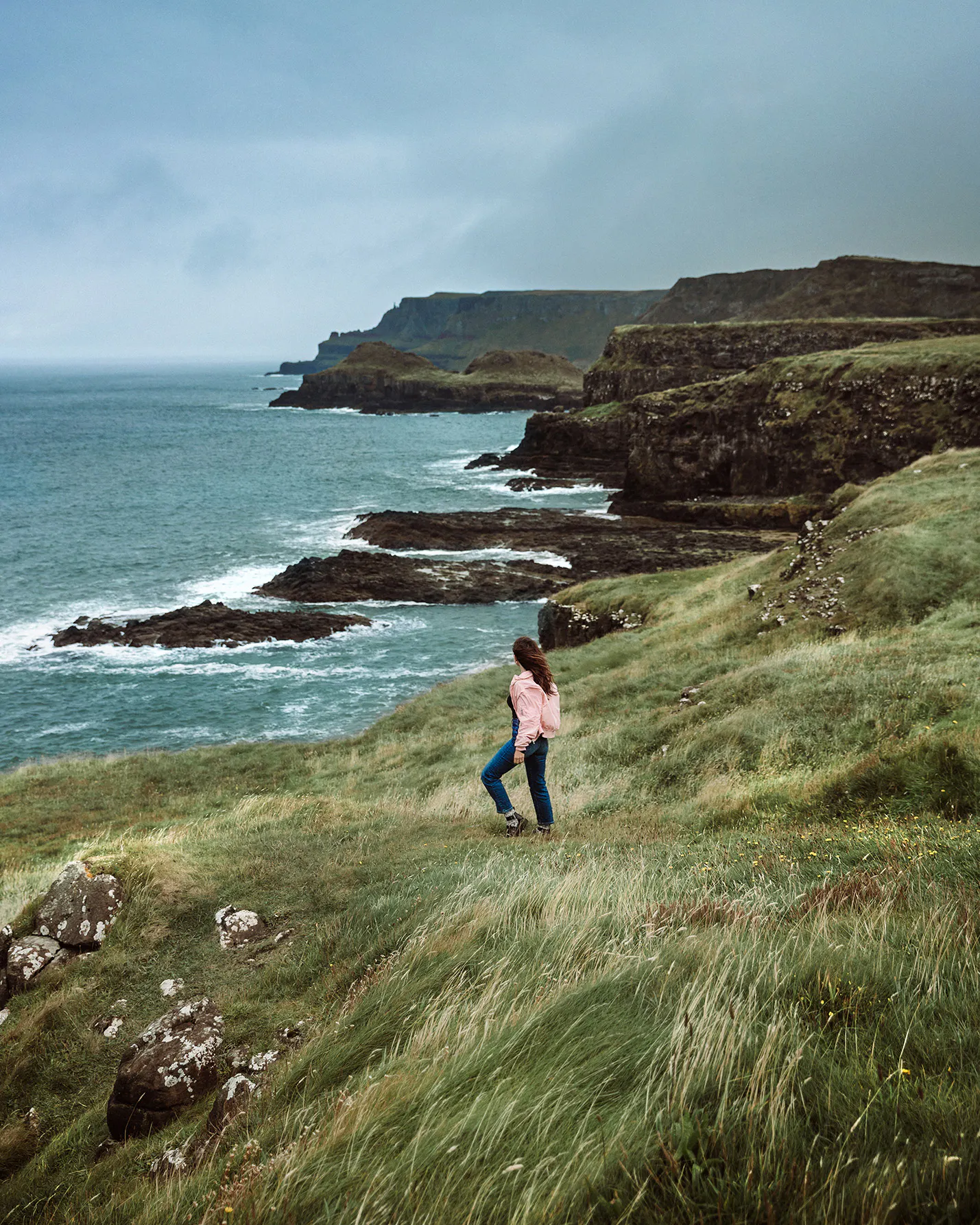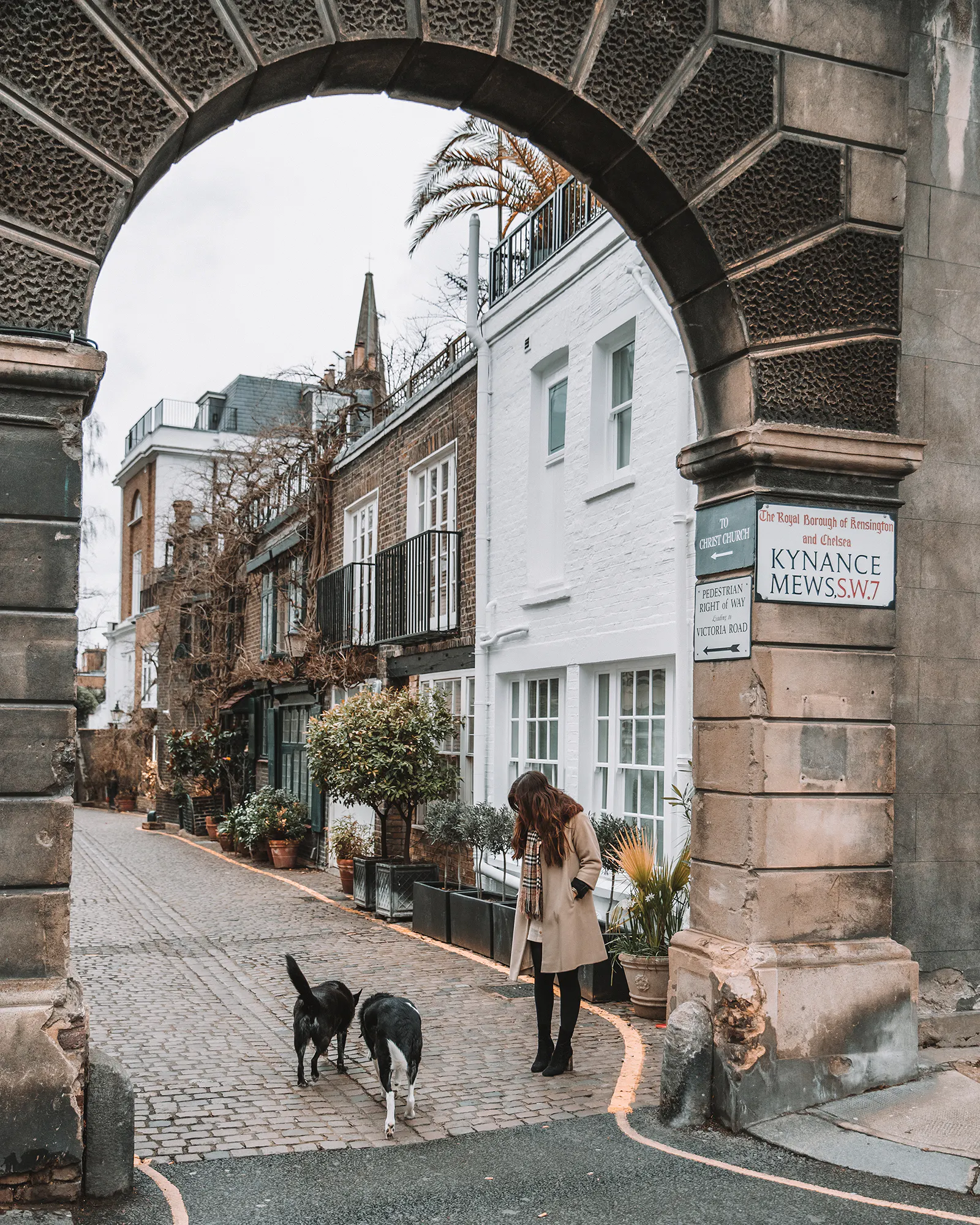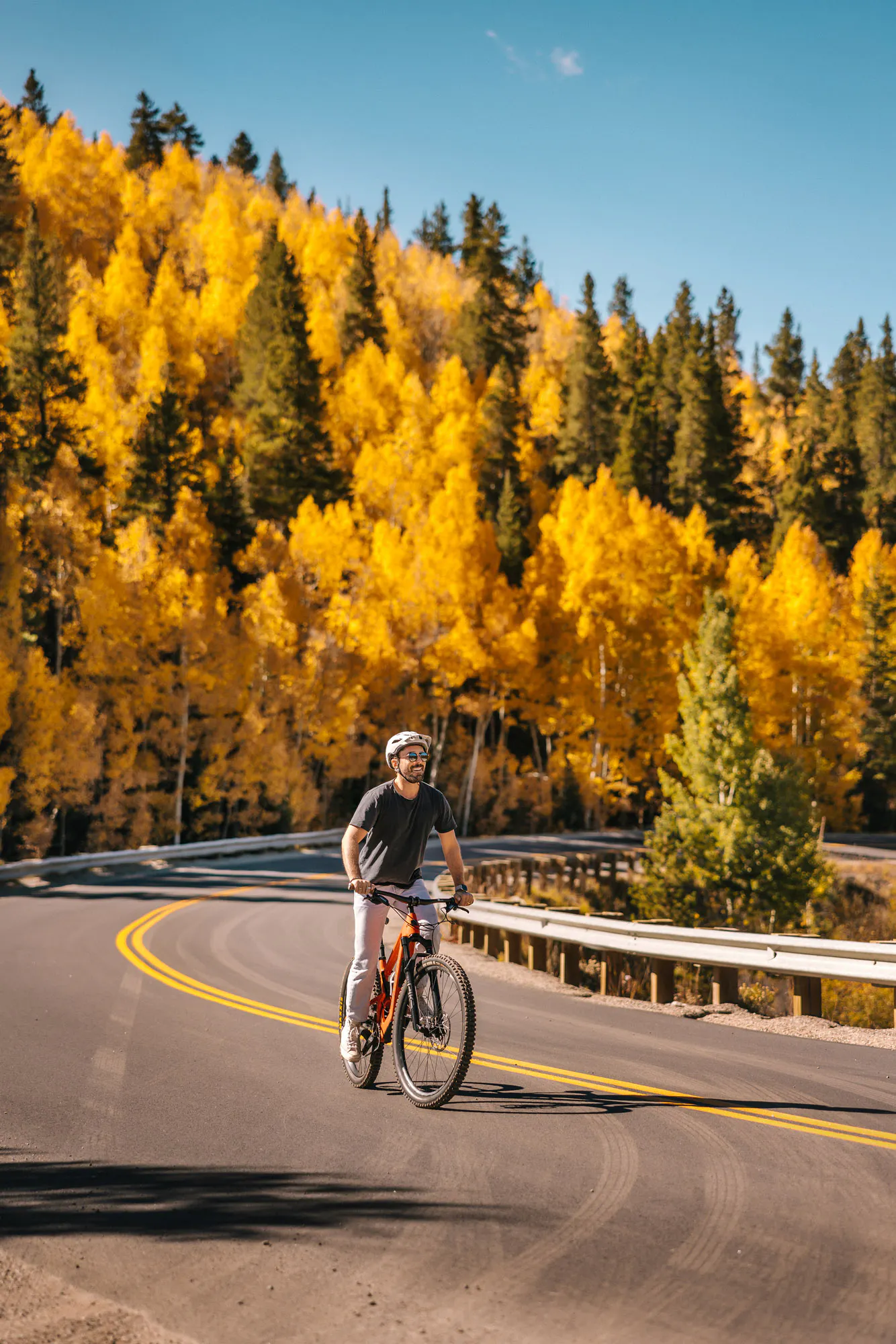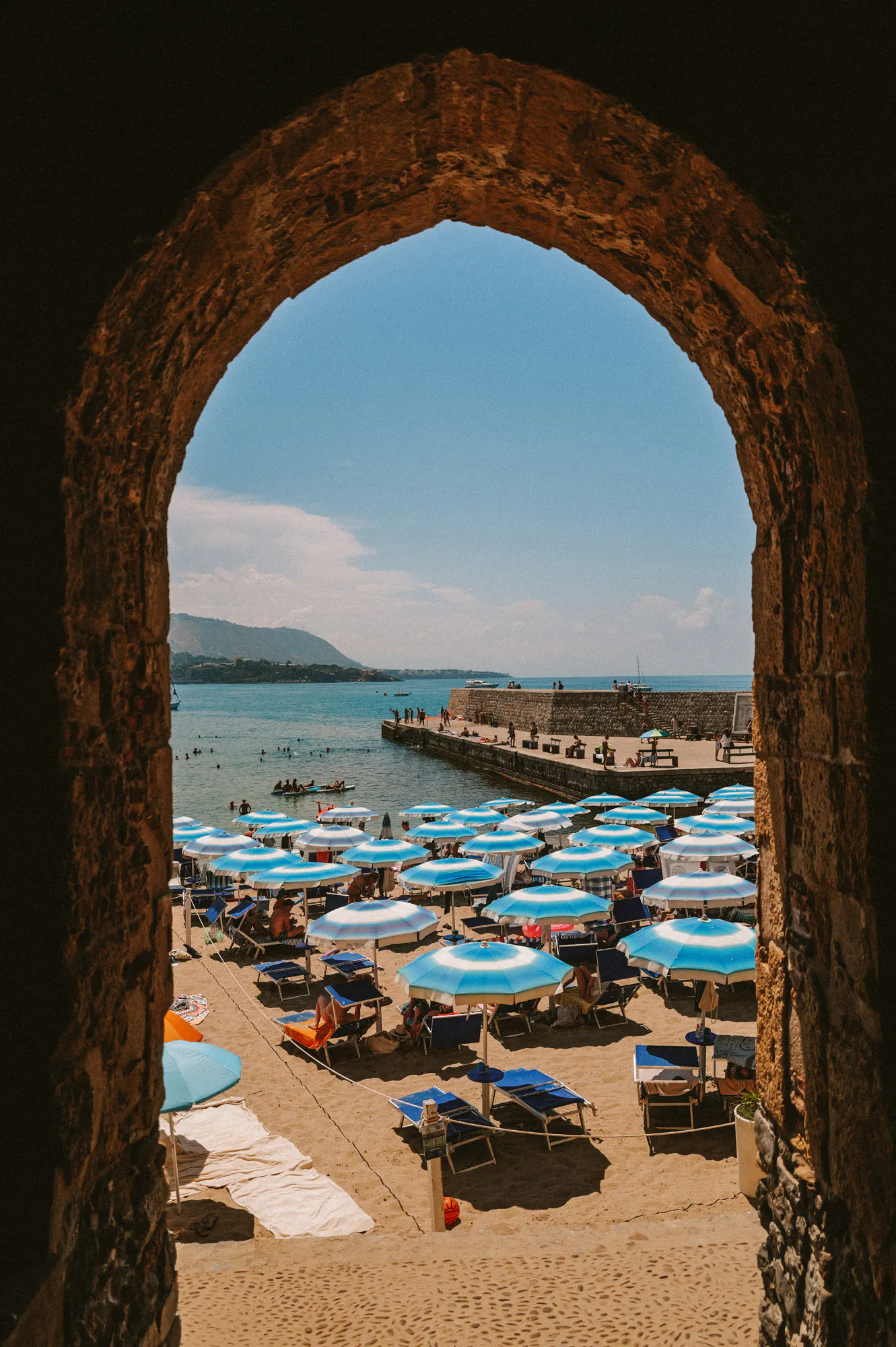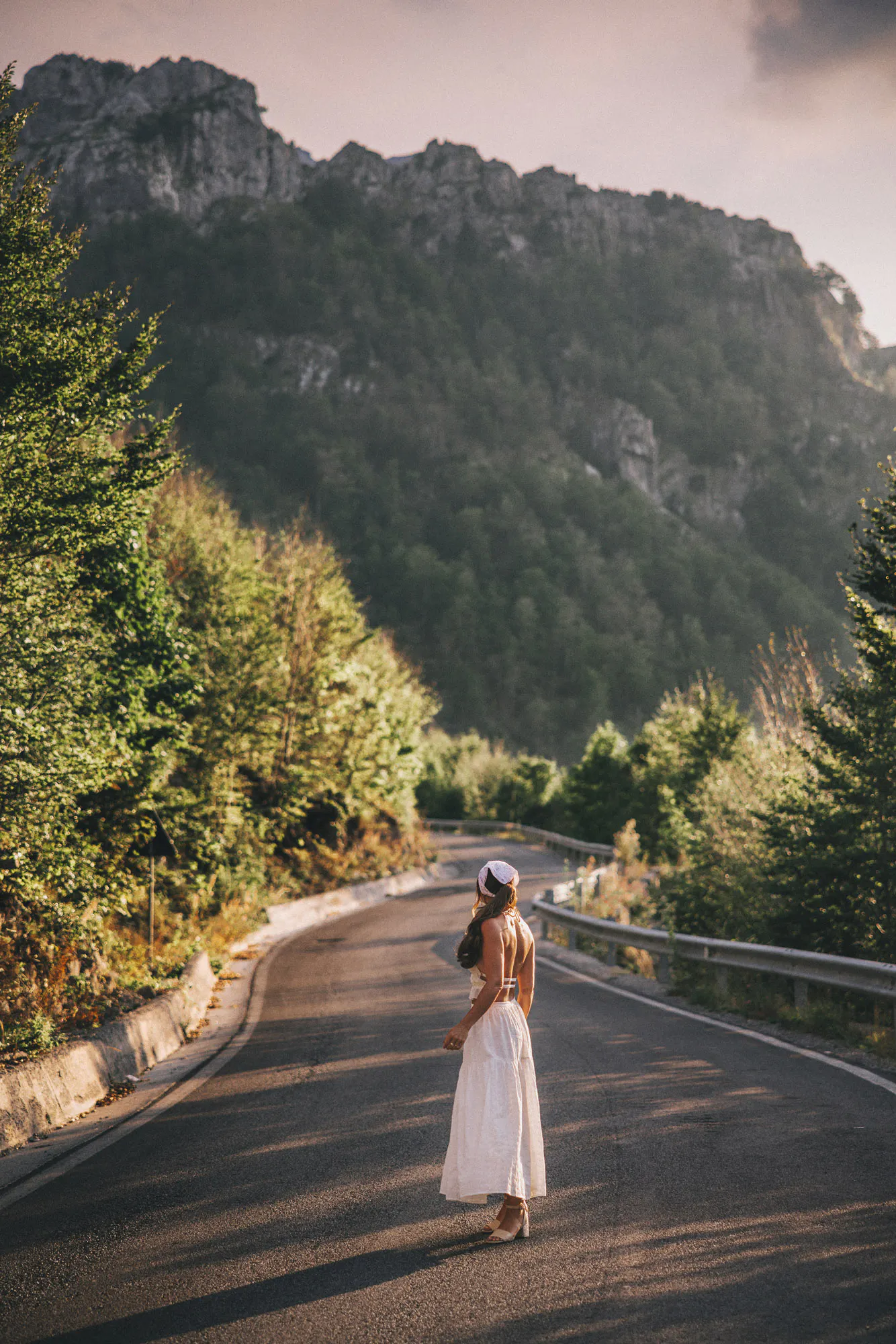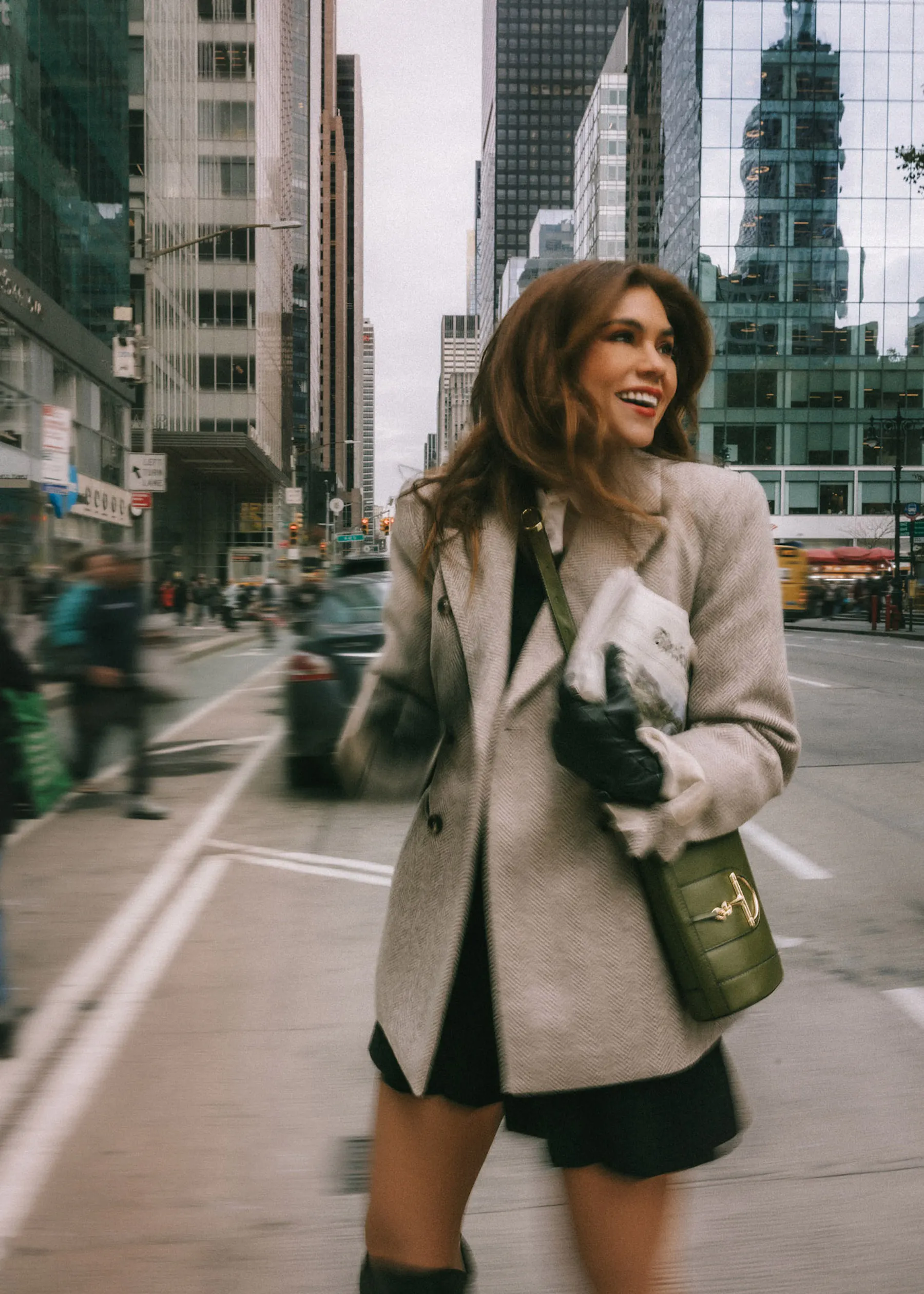
Walking offers a deeper, more grounded way to understand a city’s life and character, making your vacation a more authentic experience. Exploring on foot while traveling lets you experience details that faster transportation methods overlook, for a more memorable travel experience.
Related reading: 10 Realistic Ways to Stay Fit and Healthy While Traveling
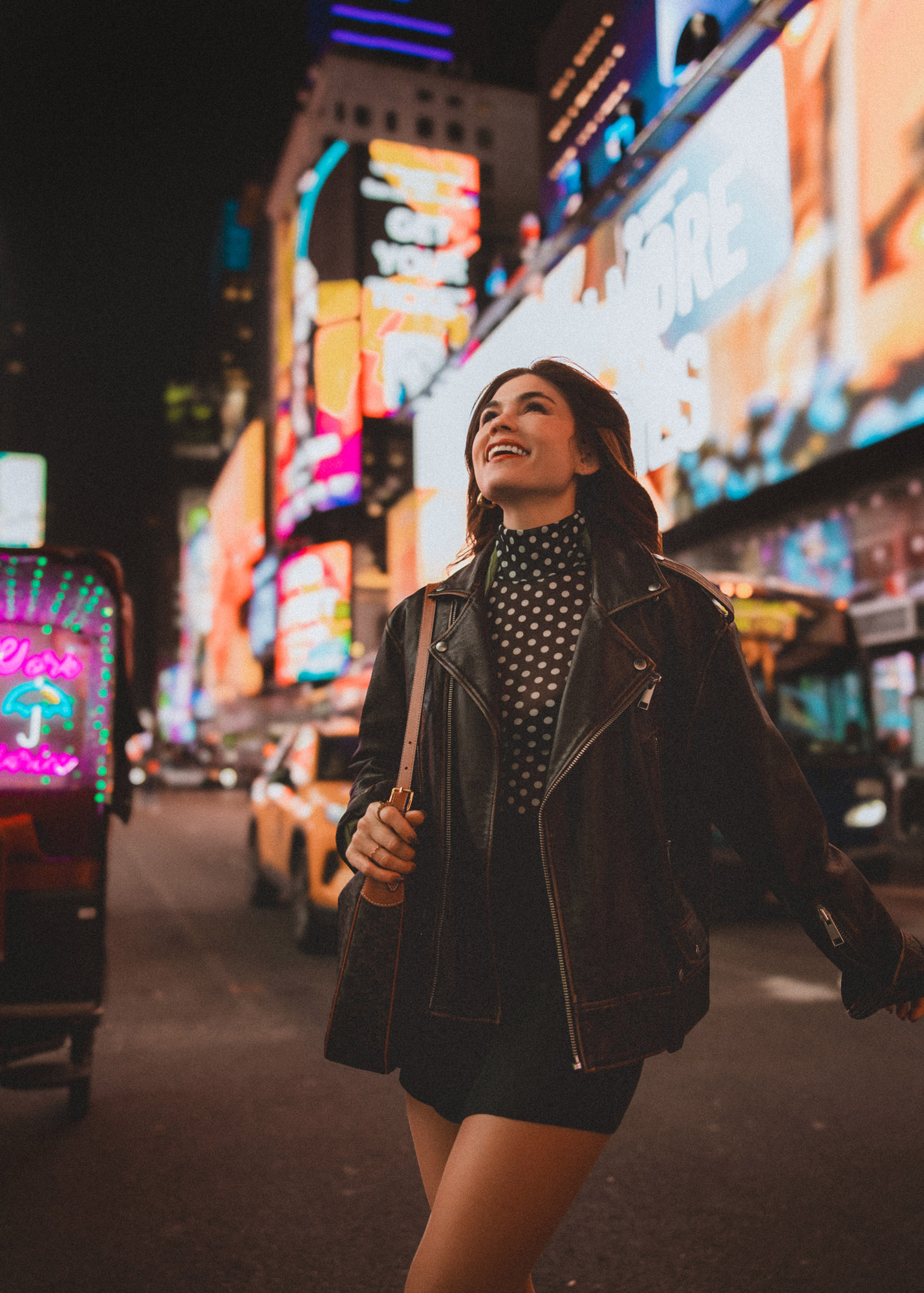
Why Walk In Cities
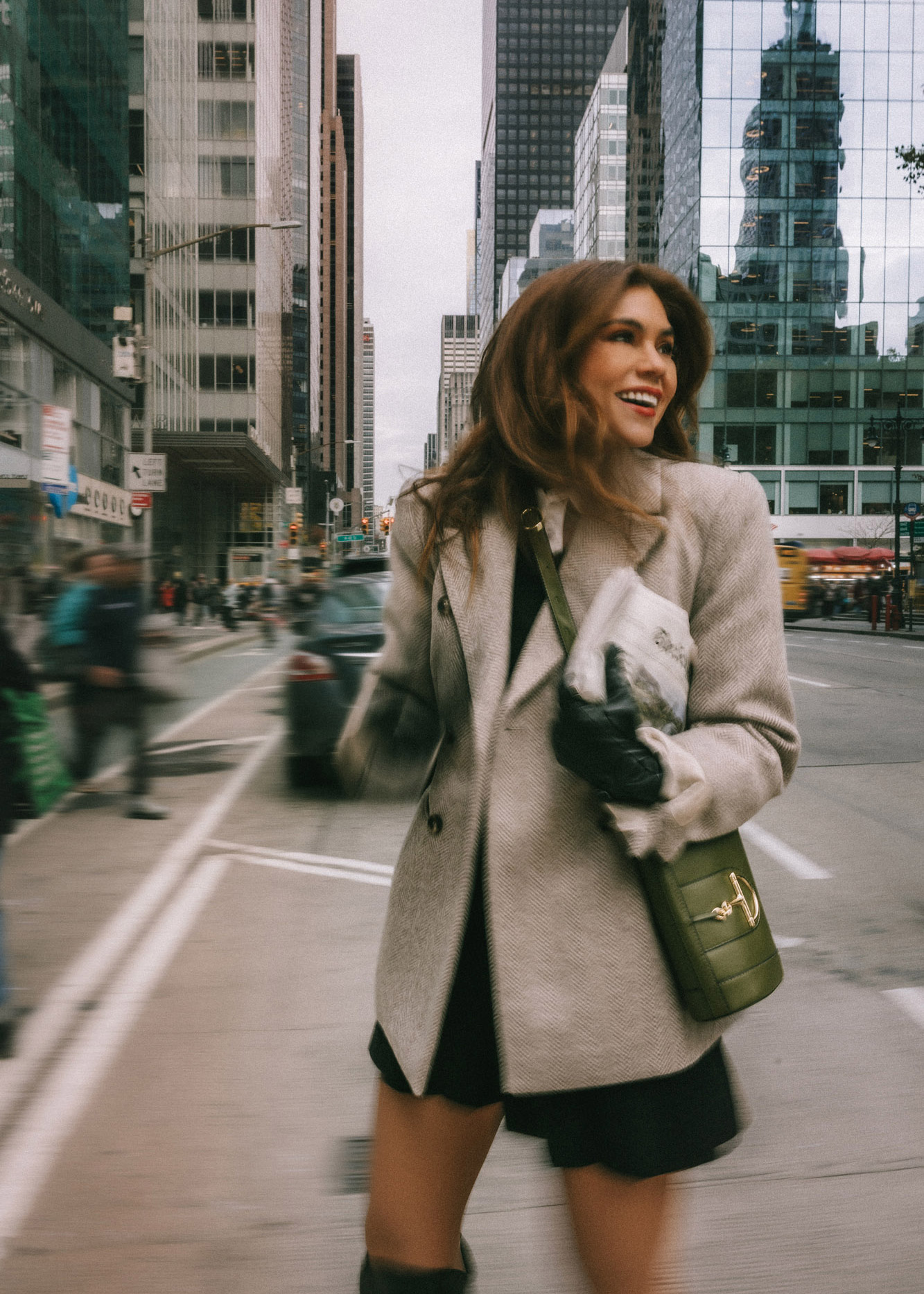
Walking creates a form of proximity that no other mode of movement replicates, allowing a traveler to engage with a city at a pace that reveals nuance rather than obscures it. Mapping a destination through footsteps establishes a relationship with the environment that feels both grounded and perceptive, since the slow rhythm sharpens focus and expands awareness of features that would disappear at higher speeds. Urban travelers consistently search for ways to experience a destination more authentically, and walking answers that need through its ability to connect people to texture, sound, and atmosphere in a deeply physical way.
- Walking heightens awareness of architectural details, storefront activity, and neighborhood transitions
- Slower movement supports better orientation and reduces the sense of overwhelm in dense or unfamiliar areas
- Proximity to the street encourages spontaneous exploration, which many travelers consider essential to understanding a city
How Walking Enhances Senses
Cities reveal themselves through small sensory changes, and walking lets a traveler register those shifts with unusual clarity. The scent of a bakery, the subtle drop in temperature beneath a tree line, or the changing timbre of voices as neighborhoods blend together all become navigational cues that shape a more complete understanding of the environment. These sensory elements matter for travelers who want to choose routes that feel safe, engaging, or visually compelling, and walking provides the conditions that make those judgments intuitive.
- Sounds and scents assist in reading a neighborhood’s character
- Light and shadow help gauge safety and comfort, especially during transitional hours
- Repeated paths deepen familiarity, making further exploration easier and more confident
Walking Improves Navigation
Travelers often want to feel oriented as quickly as possible, and walking builds that confidence by establishing a mental map that grows with every block. Street angles, building patterns, and pedestrian flow become easier to read when experienced at a steady, human pace. Walking also encourages pattern recognition - a key factor that helps travelers predict how a city functions, from typical crossing behavior to informal norms that influence how comfortable or disoriented someone feels.
- Walking helps travelers understand how traffic signals, pedestrian right of way, and bike lanes operate
- Slow movement improves spatial memory and makes it easier to navigate without constant map checks
- Direct contact with local rhythms reduces the stress often associated with unfamiliar transportation systems
Walking and Safety
Walkable areas benefit both residents and visitors, and travelers frequently search for destinations where sidewalks, lighting, shade, and crossing patterns support safe, intuitive movement. The design of a street influences how comfortable a traveler feels long before they consciously evaluate it, and walking makes those judgments more immediate. When a traveler can assess sight lines, pavement quality, and crowd density in real time, each step becomes part of a larger evaluation of the city’s accessibility.
- Thoughtful urban planning increases perceived safety for solo travelers
- Continuous sidewalks and well-timed crossings reduce unnecessary risk
- Tree cover, shade structures, and pedestrian-scale lighting improve comfort during long routes
How Walking Shows Neighborhood Character
Public transit, rideshare, bikes, and scooters all shape valuable travel experiences, but walking isolates the micro transitions that define a city’s character. When an outing ends in an unexpected injury, some people look for bike or e-scooter accident help in Chicago to understand the situation and their options. The differences in language, storefronts, activity levels, and architectural details that make up a culture become visible only when the pace is slow enough to notice them. Many travelers rely on walking to understand where cultural boundaries soften, where creative communities cluster, or where historical influences remain visible despite modern development.
- Walking exposes the social fabric of a neighborhood through everyday scenes
- Distinctive atmospheres between districts become easier to interpret
- The slower pace allows travelers to identify areas worth returning to later
Cost and Practical Benefits of Walking While Traveling
Related reading: The Best Ways To Protect Your Hair from Sun, Swimming, and Heat Damage While Traveling
Walking remains one of the most cost-effective and predictable ways to navigate a city, especially when transportation systems are inconsistent or expensive. The absence of fares, charging requirements, or route schedules gives travelers full autonomy and allows them to explore without the constraints of a timetable. This flexibility supports more spontaneous travel, which many visitors value when trying to understand the authentic rhythm of a destination. Recent work from the CDC, highlighted in a report on everyday walking habits, looks at how people in the United States relate to short trips near home and how conditions shape the choice to walk at all.
- Zero cost aside from time and energy
- No reliance on apps, tickets, or transit availability
- Consistent pace regardless of traffic
- Ideal for short to moderate distances that make up the majority of urban travel
Walking Creates Memorable Experiences
The memories formed during travel often attach themselves to small details experienced at street level. A change in weather, a quiet plaza, or a moment of stillness near a bridge all become anchors that link the traveler to a place long after returning home. Walking extends the likelihood of encountering these moments, since the slower pace invites the type of lingering that amplifies emotional recall. Many travelers seek deeper immersion, and walking creates the conditions that allow those impressions to form naturally.
- Walking increases the chance of memorable, unplanned experiences
- Emotional impressions form more easily during slow, observational movement
- Repetition of routes strengthens place-based memory and attachment
Planning Your Walking Routes
Travelers benefit from approaching walking not only as transit, but as a strategic tool for understanding a destination. Selecting neighborhoods that support walkability, identifying routes that balance interest with comfort, and planning time for exploration without a strict agenda can transform the feel of an entire trip. Thoughtful integration of walking into daily itineraries ensures that travelers stay connected to the physical character of the city rather than slipping into a pattern of point-to-point transportation.
- Begin in dense, walkable neighborhoods before exploring farther areas
- Alternate long walks with short transit rides to maintain energy
- Use walking to scout cafés, markets, parks, and viewpoints worth returning to later
A traveler who chooses to experience a city through walking gains access to layers of detail that faster transit modes never reveal. The pace builds orientation, strengthens memory, and opens routes to spontaneous discovery, creating a deeper, more connected impression of place.