Understanding which global capitals genuinely deserve the attention of travelers who prioritize food can be difficult, especially as more cities elevate their culinary identity through heritage preservation, contemporary experimentation, and access to regional ingredients. The cities below stand out not because they trend on social media, but because their food ecosystems operate at a level sustained by history, innovation, and a deep respect for the craft of feeding a city. Each destination offers something distinct - ingredients that can only be found there, techniques rooted in generational memory, and food cultures shaped by migration, climate, economy, and community.
1. Mexico City - A Capital Defined by Depth, Heritage, and Regional Complexity
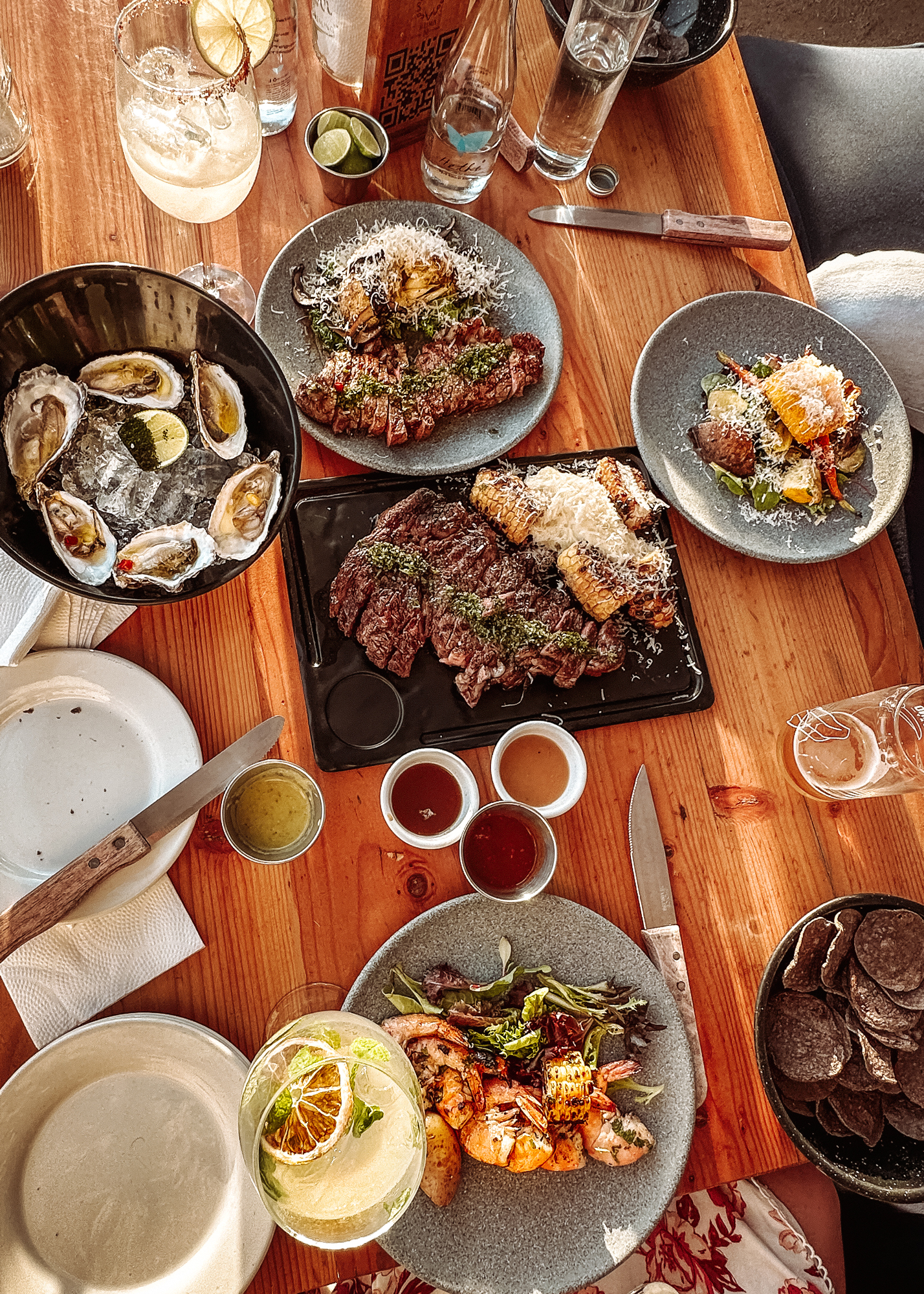
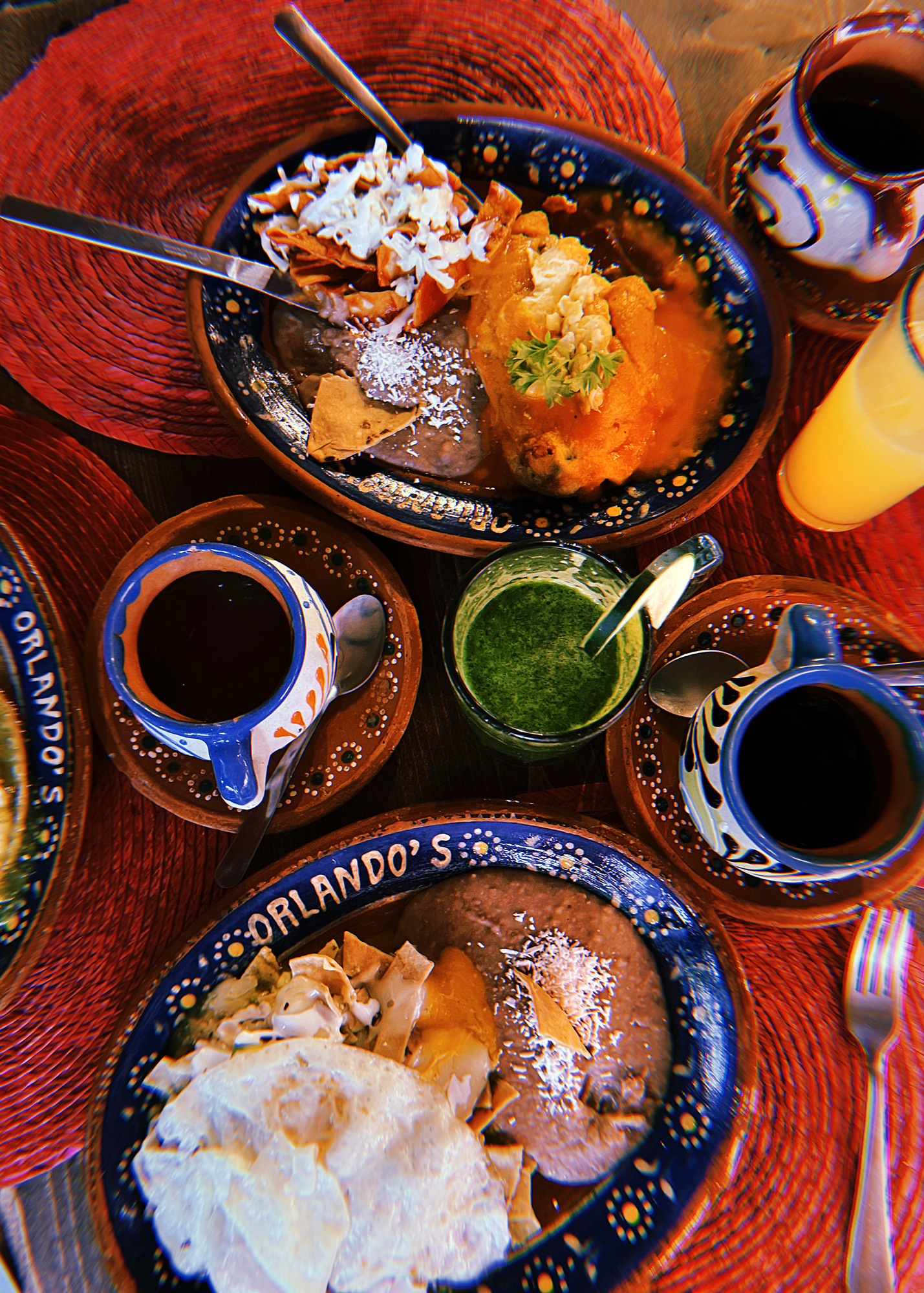
Mexico City’s culinary ecosystem functions as one of the most intricate and historically layered in the world, shaped by Indigenous foundations, Spanish colonization, and continuous evolution through migration from every region of Mexico. Visitors encounter an environment where you can eat exceptionally well at every budget: corner tacos al pastor influenced by Lebanese immigration, ancestral dishes like mole whose preparation spans days, and contemporary tasting menus that reinterpret centuries of technique.
Why Mexico City remains essential for food-focused travelers:
- A concentration of regional Mexican cuisines rarely found in a single city, including Oaxacan, Yucatecan, Poblano, and Northern Mexican culinary traditions.
- Access to essential ingredients such as nixtamalized corn, epazote, hoja santa, and a vast spectrum of chiles that characterize the national palate.
- An urban market system that shapes daily life, with places like Mercado Medellín and Mercado La Merced offering fresh produce, street snacks, and artisanal goods.
- Deeply established street food culture supported by municipal regulation, generational vendors, and local communities who rely on it daily.
How to explore efficiently:
- Sign up for the best food tour in Mexico City: Structured food tours are especially valuable in Mexico City, as many of the most significant establishments do not advertise broadly and are located in residential districts or within larger markets.
- Small-group experiences often include stops at family-run tortillerías, traditional fondas, and street vendors known for a single perfected specialty.
- Many tours also introduce travelers to pulquerías, mole producers, and barbacoa operations found only on weekends, which can be difficult to track without local guidance.
2. Tokyo - A Capital Built on Precision, Craft, and Culinary Discipline
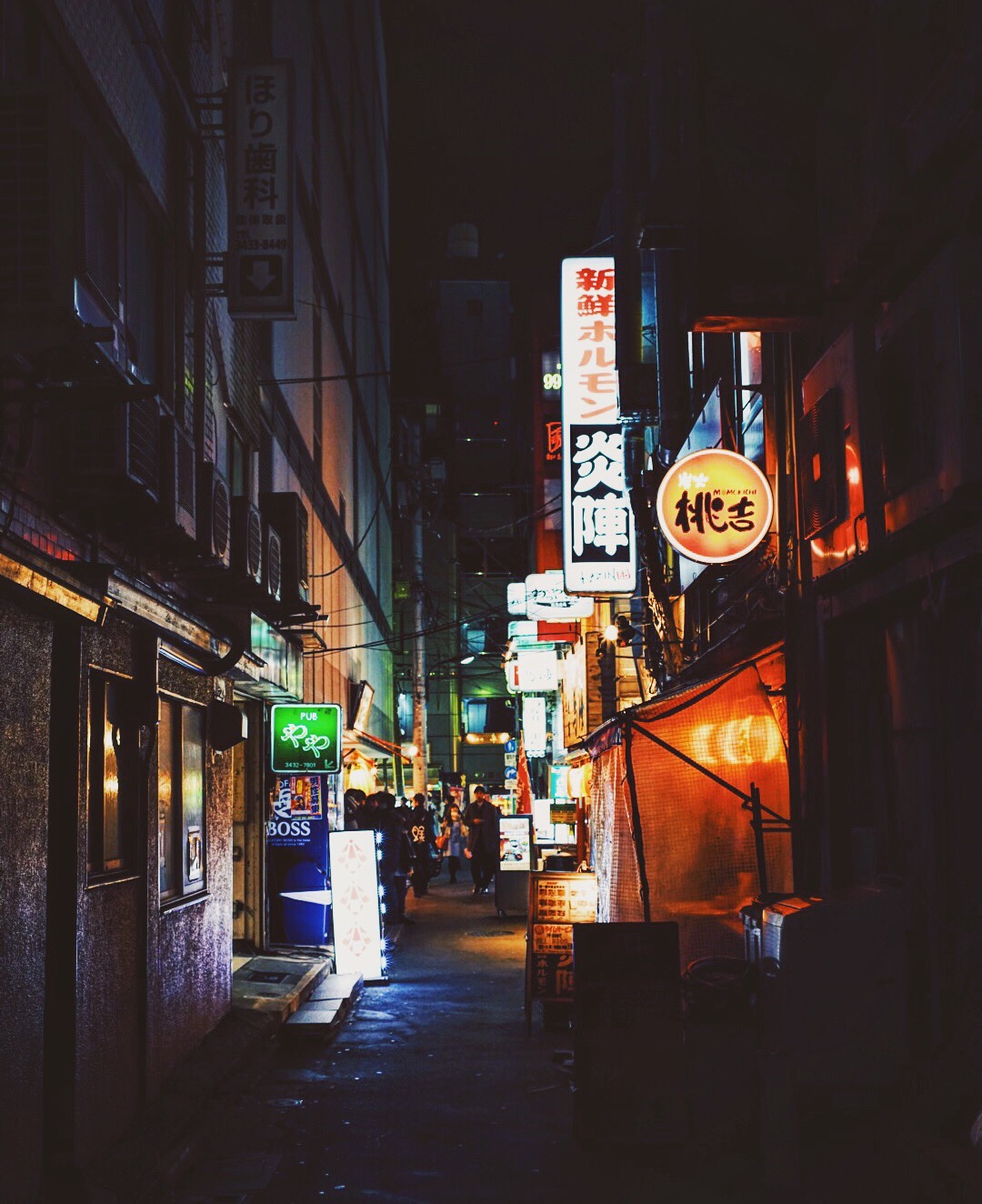
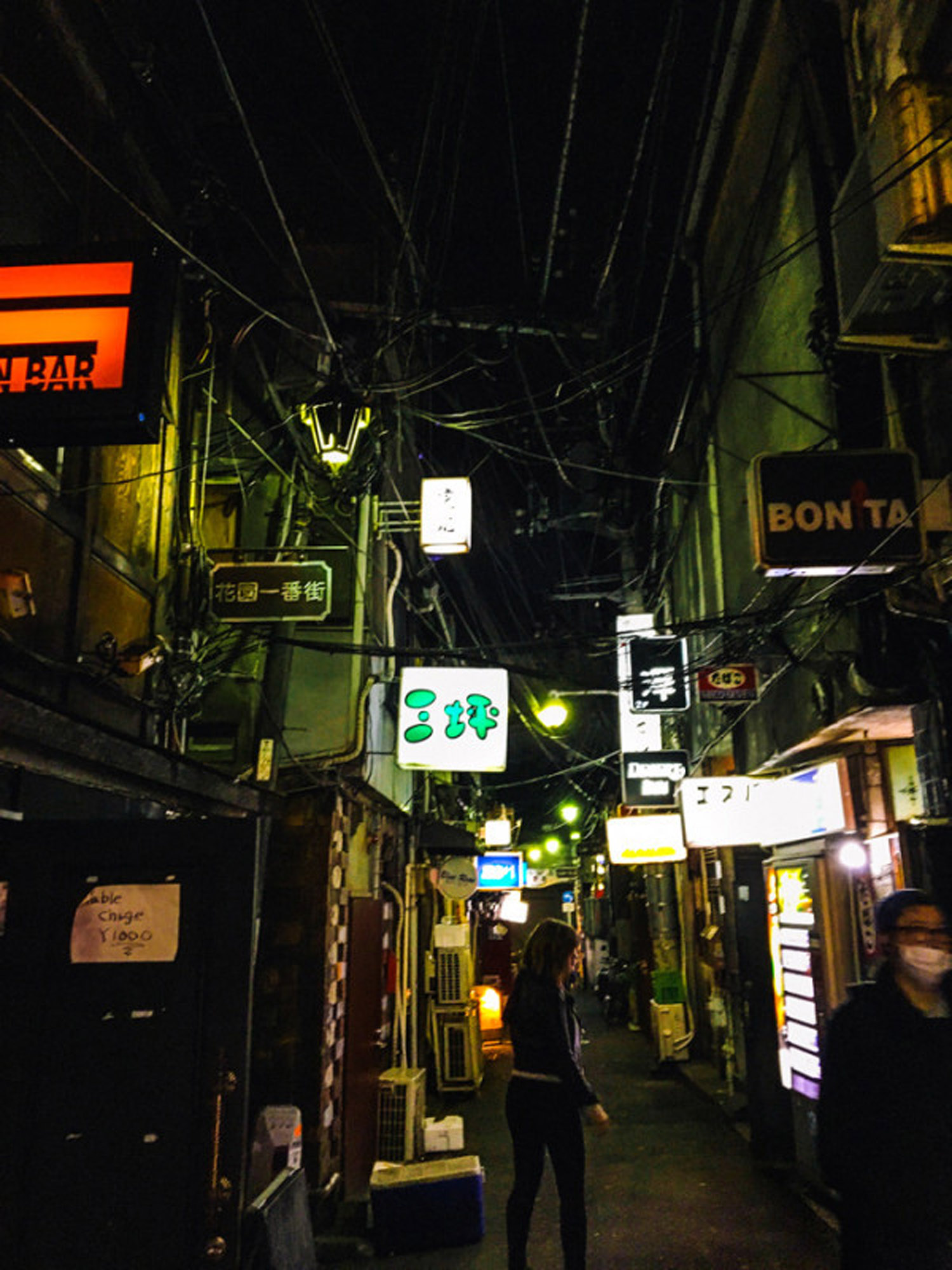
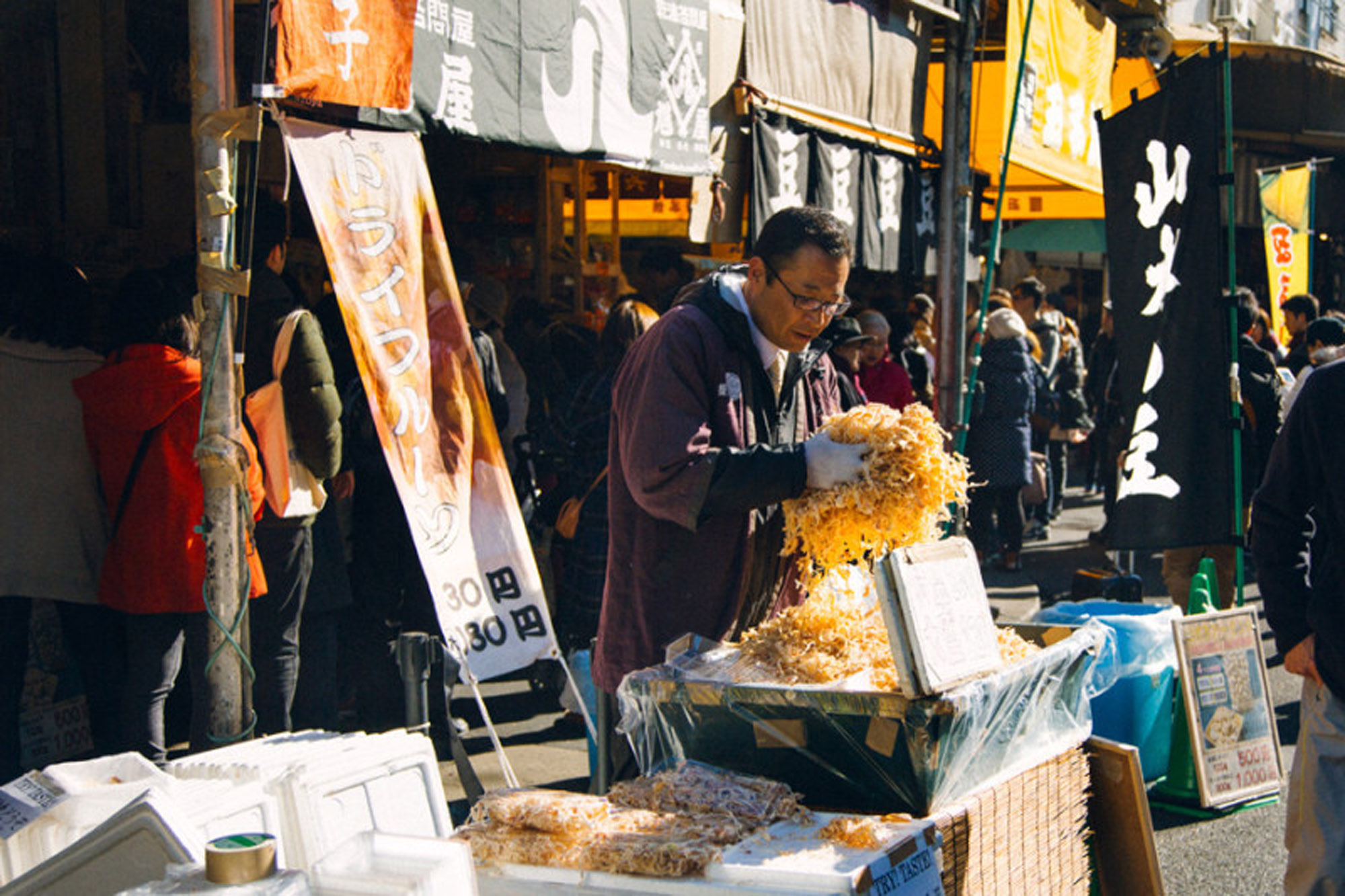
Tokyo’s extremely dense dining scene remains one of the most extraordinary food cities on earth, with over 150,000 restaurants and one of the highest concentrations of Michelin-starred establishments in the world. The city’s culinary identity is shaped by meticulous technique, seasonality, and an intense cultural commitment to mastery, whether served at a standing soba counter or a multi-course kaiseki restaurant.
What defines Tokyo’s food culture:
- An approach to cooking that values technical skill, ingredient purity, and repetition as the basis for excellence.
- Exceptional access to seafood from Toyosu Market and regional produce grown specifically for high-end Tokyo kitchens.
- A culture of specialization in which small restaurants focus on a single dish: ramen, tempura, tonkatsu, yakitori, monjayaki, or handmade wagashi.
- Department store food halls with curated selections of confectionery, prepared foods, and rare imported items.
How to explore efficiently:
- Local food tours often focus on back-alley izakayas, ramen shops favored by commuters, and family-owned confectioners with multi-generational recipes.
- Guides help navigate Tokyo’s extremely dense dining scene, where reservations can be difficult to secure and English-language information is often limited.
- Structured experiences also introduce travelers to etiquette norms, ordering customs, and neighborhood-specific specialties.
3. Bangkok - A Capital Powered by Street Food, Regional Influence, and Urban Energy
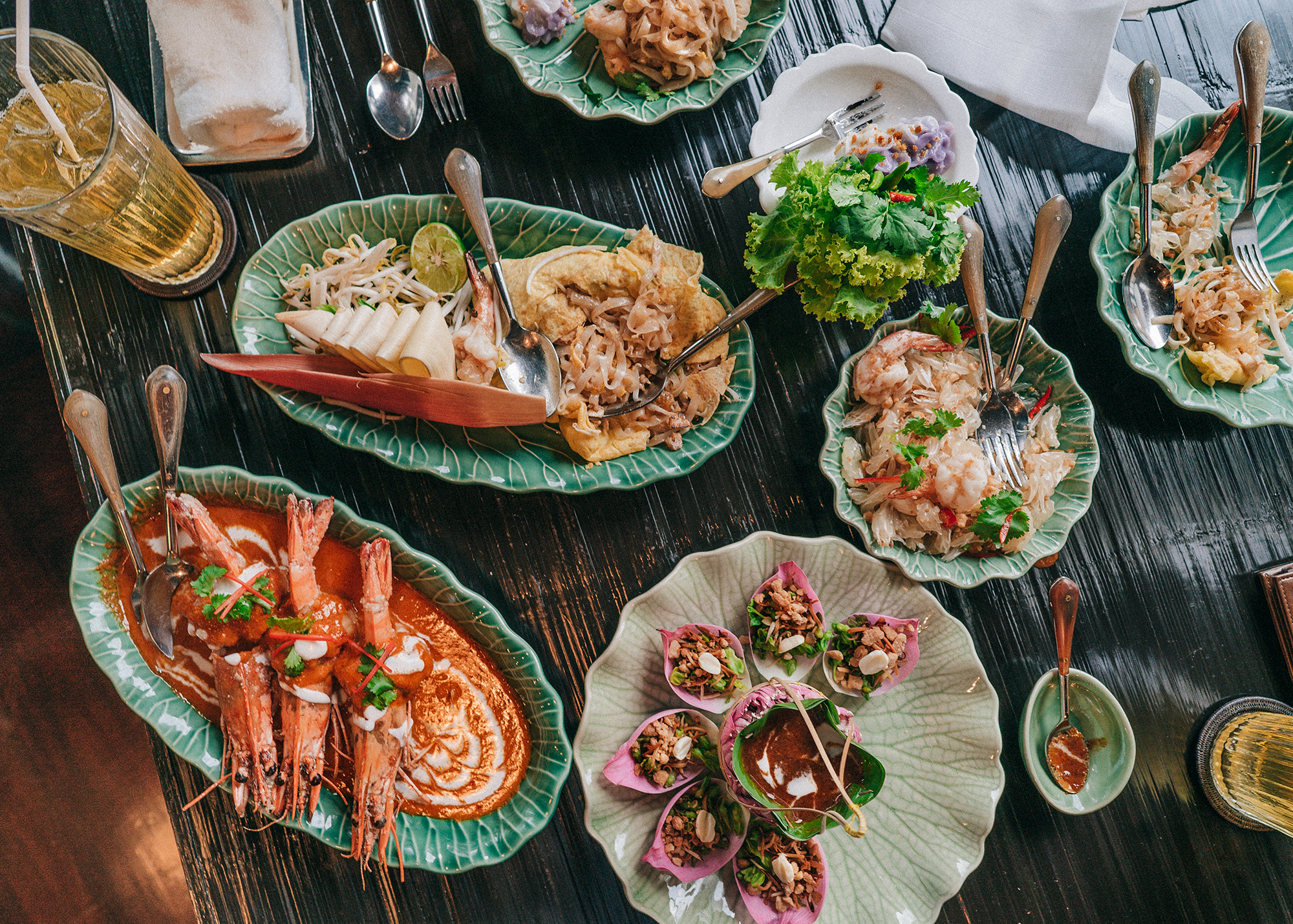

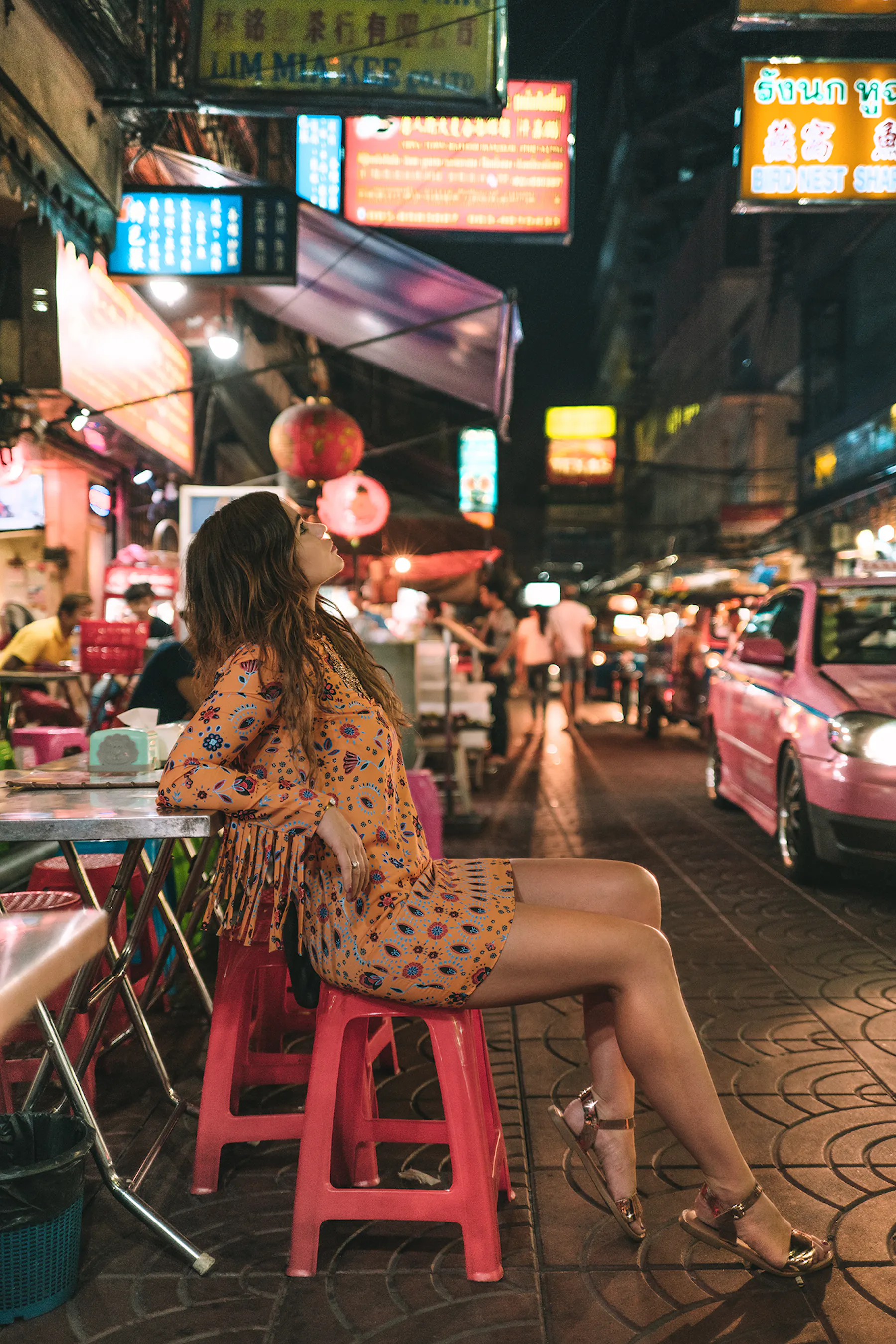
Bangkok operates as an open-air culinary engine where regional Thai cuisines converge with Chinese, Malay, and Indian influences, creating one of the most dynamic street food cultures globally. Heat, aroma, and movement define the experience; the city’s food is designed for immediacy and for the climate in which it is served.
Key elements of Bangkok’s culinary identity:
- A street food scene supported by longstanding vendors who specialize in dishes like boat noodles, pad kra pao, grilled meats, and coconut-based curries.
- Markets operating throughout the day and night, providing access to tropical fruit, fresh herbs, rice-based sweets, and curry pastes ground daily.
- Regional contrasts across the city, including Central Thai cuisine, Isaan dishes from the northeast, and Southern Thai specialties influenced by Malay spices.
- An expanding restaurant scene where young chefs reinterpret Thai classics through contemporary techniques.
How to explore efficiently:
- Food tours are invaluable in Bangkok due to the city’s tremendous size and traffic patterns, which often make independent navigation challenging.
- Guides typically lead travelers through night markets, neighborhood-specific specialties, and lesser-known areas where vendors operate without signage.
- Tours can be taken on foot, by tuk-tuk, or by boat, each offering access to different food districts that are difficult to reach using only public transit.
4. Los Angeles - A Capital of Multicultural Influence and Contemporary Innovation
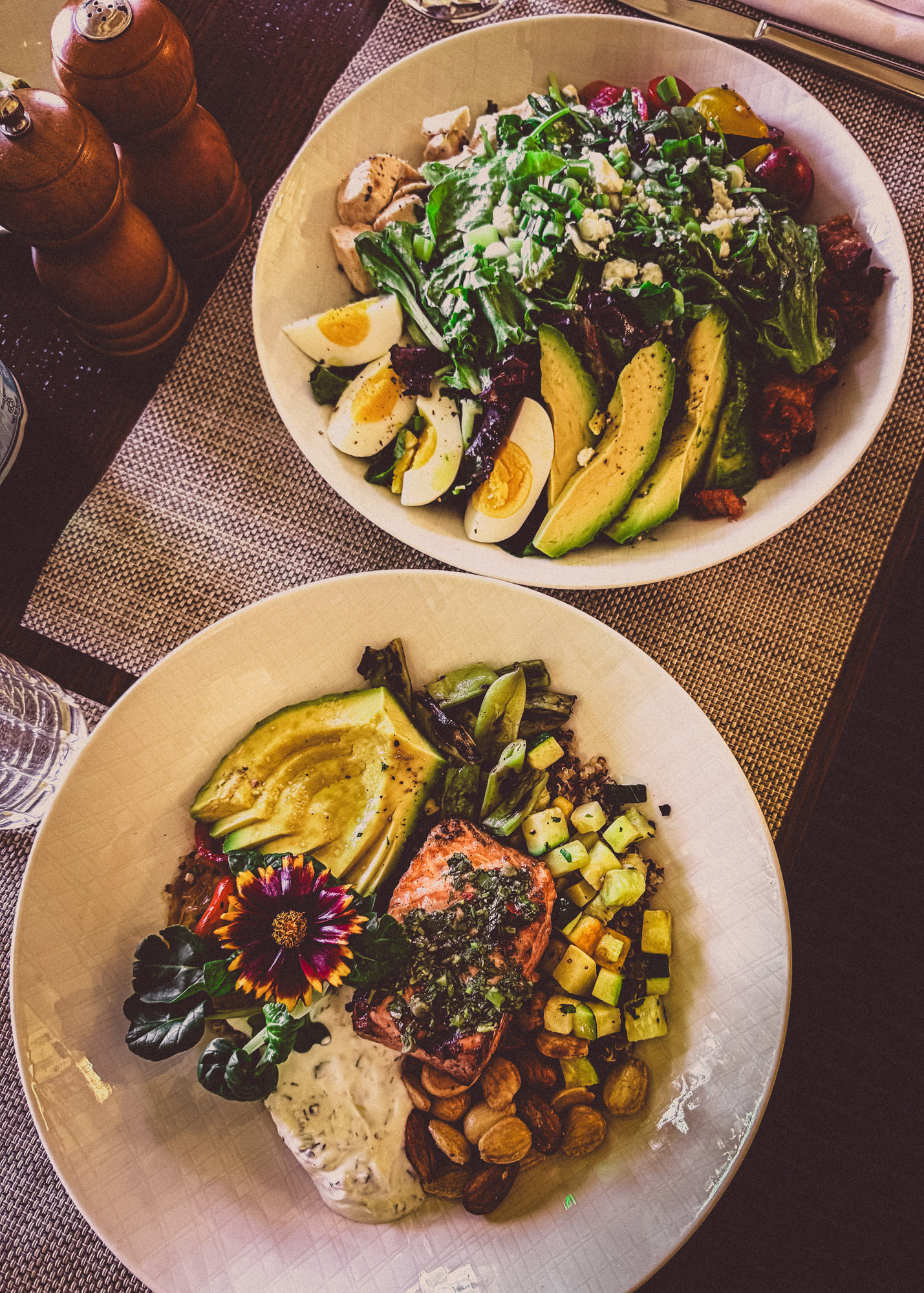
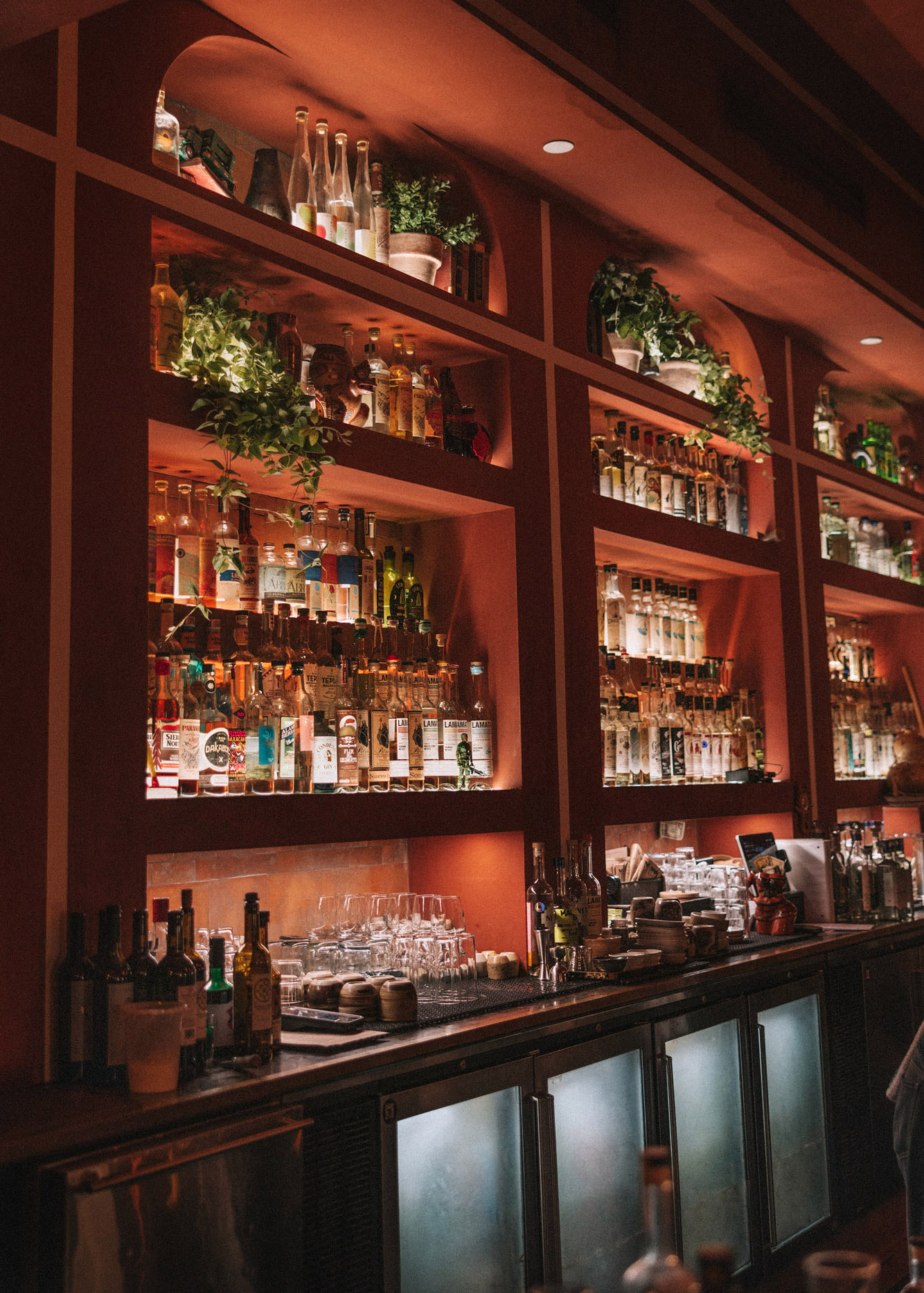
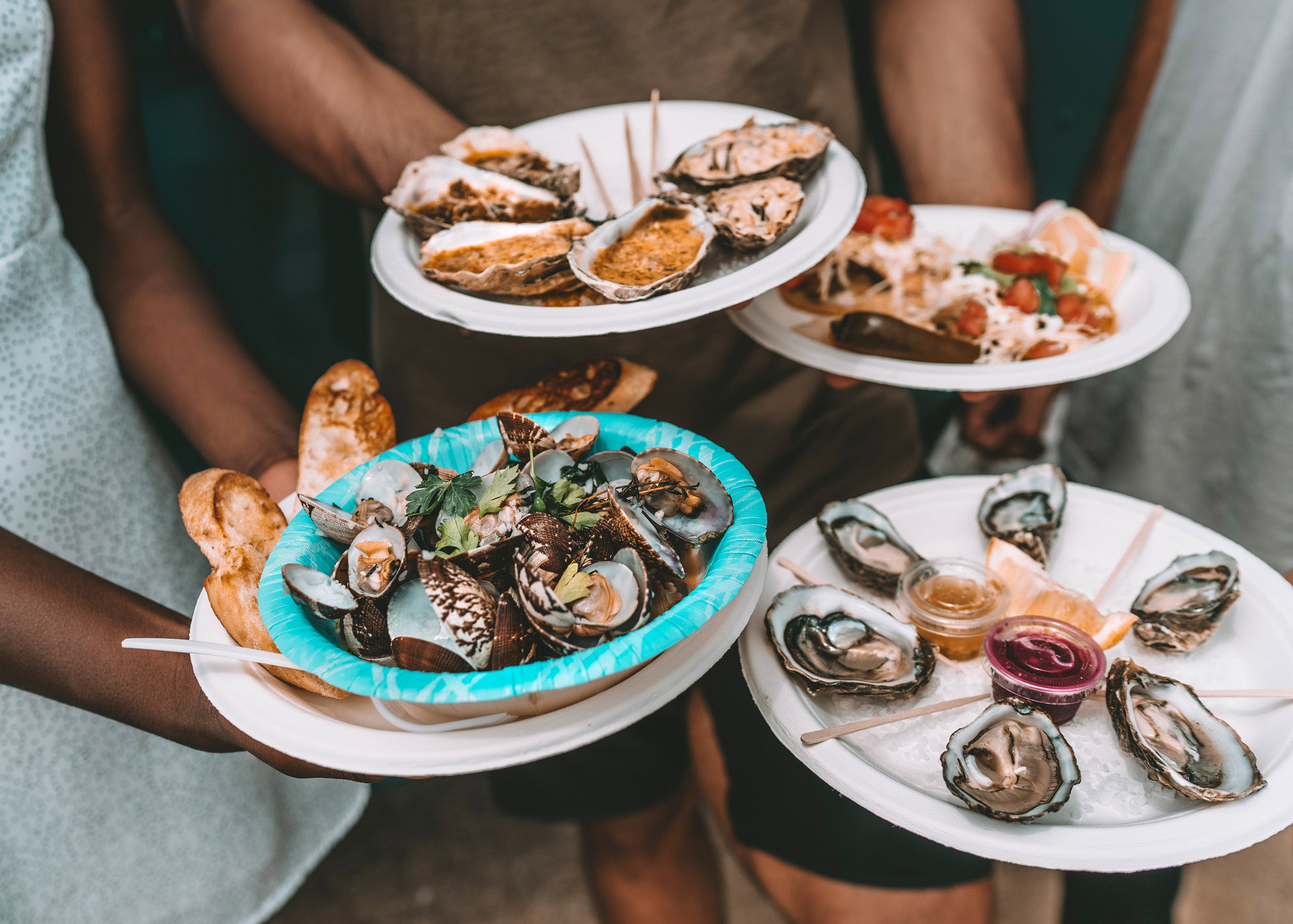
Los Angeles has grown into one of the most diverse culinary capitals worldwide, shaped by migration from East Asia, Latin America, the Middle East, and the Pacific Islands, along with California’s agricultural abundance. The result is a dining landscape where regional cuisines coexist with modern experimentation, creating a deeply varied and accessible food identity.
Why Los Angeles matters to food travelers:
- One of the world’s most concentrated Korean culinary scenes, complemented by extensive Japanese, Chinese, Filipino, Vietnamese, and Thai communities.
- A thriving Mexican and Central American food culture supported by taquerías, mariscos trucks, and regional restaurants representing Oaxaca, Sinaloa, Jalisco, and beyond.
- A growing ecosystem of plant-forward and sustainability-driven restaurants that reflect California’s agricultural ethos.
- Food festivals, pop-ups, and food halls that showcase emerging chefs and global fusion concepts.
How to explore efficiently:
- Food tours provide structured access to communities like Koreatown, Little Tokyo, Thai Town, and Boyle Heights, each known for specific dishes and traditions.
- Many tours include behind-the-scenes experiences with chefs, bakers, or market vendors, which can be difficult to arrange independently.
- Because Los Angeles is geographically dispersed, organized tours reduce transit time and offer a clearer understanding of regional distinctions within the city.
Paris - A Capital Rooted in Tradition, Technique, and Artisanal Craft
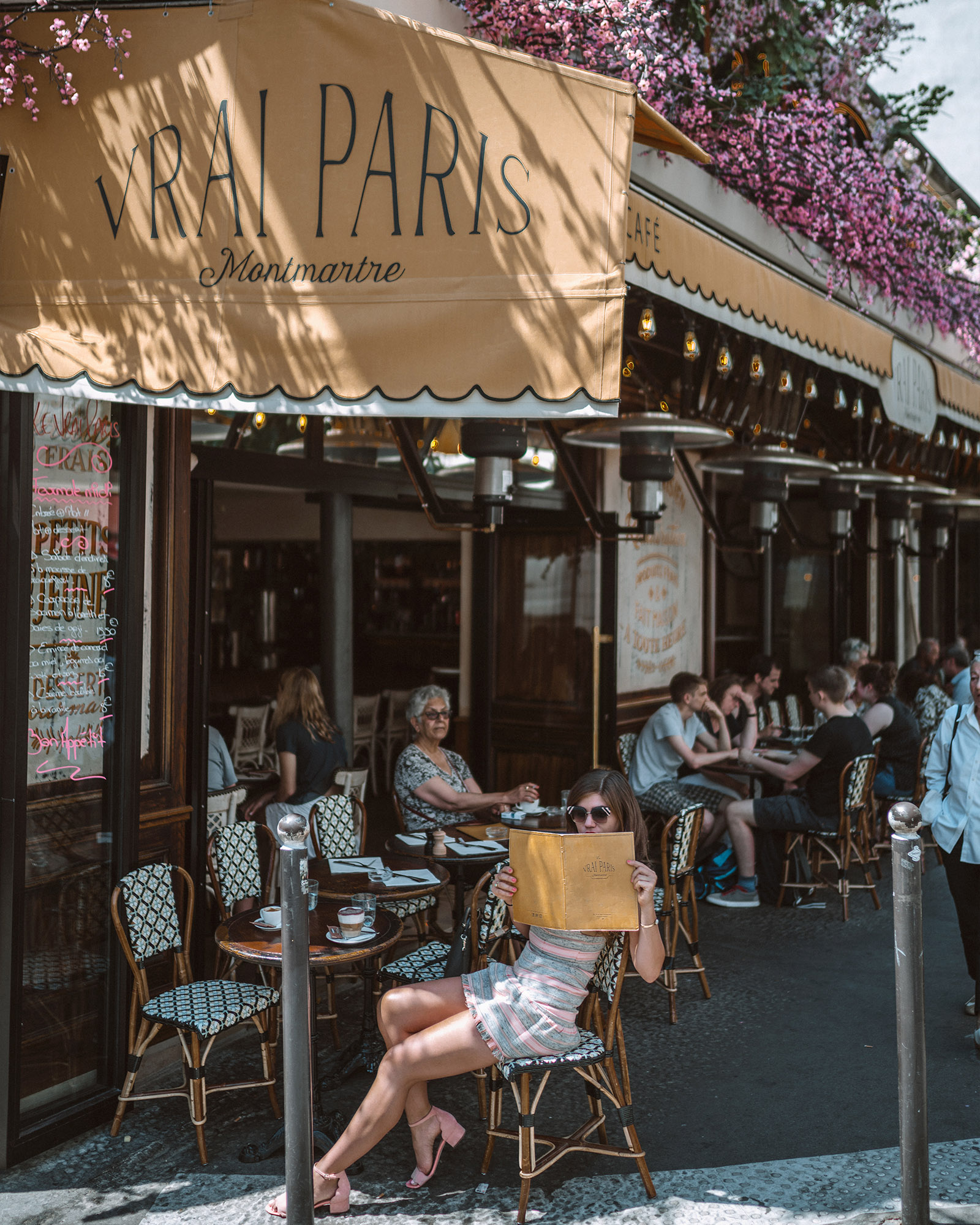
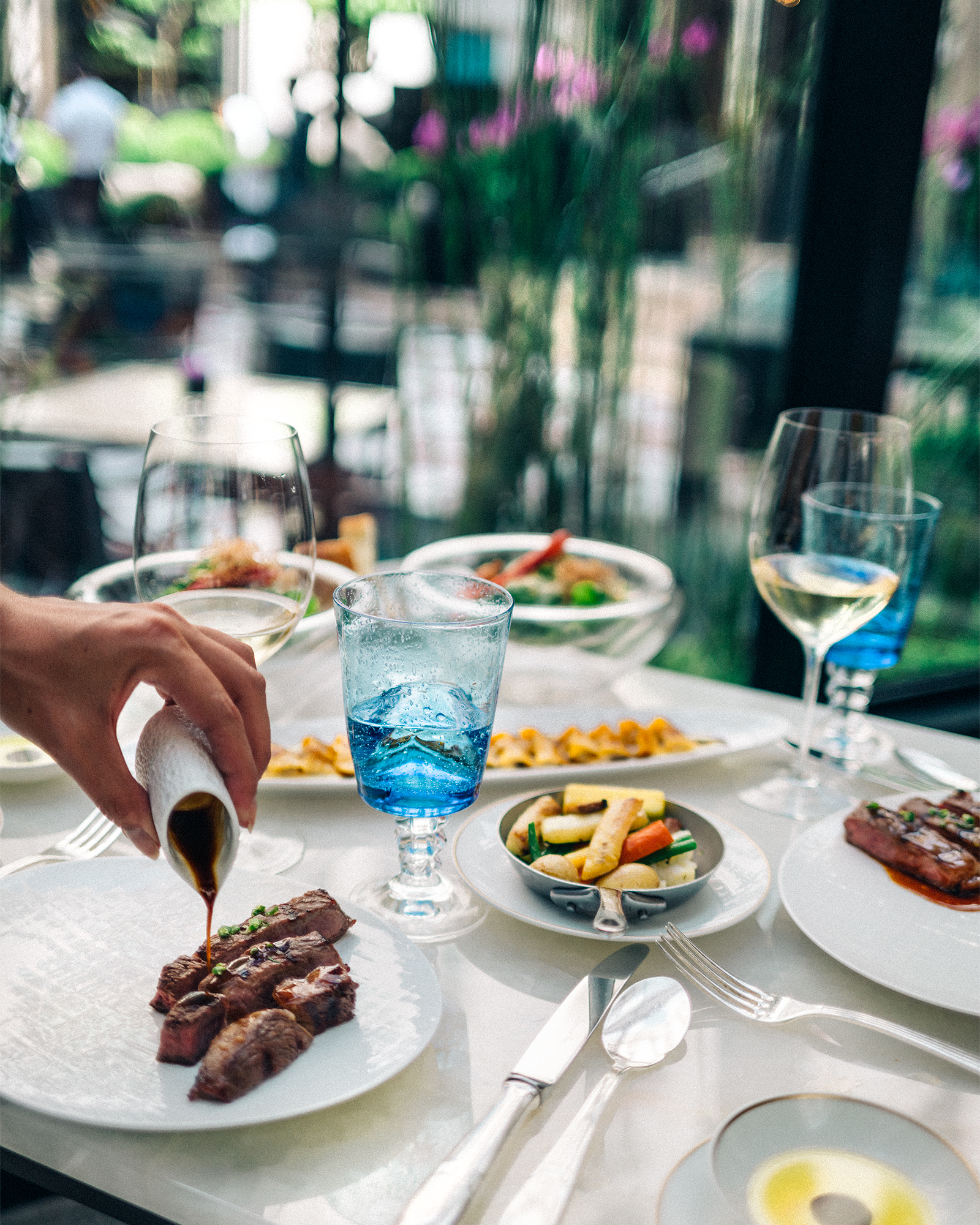
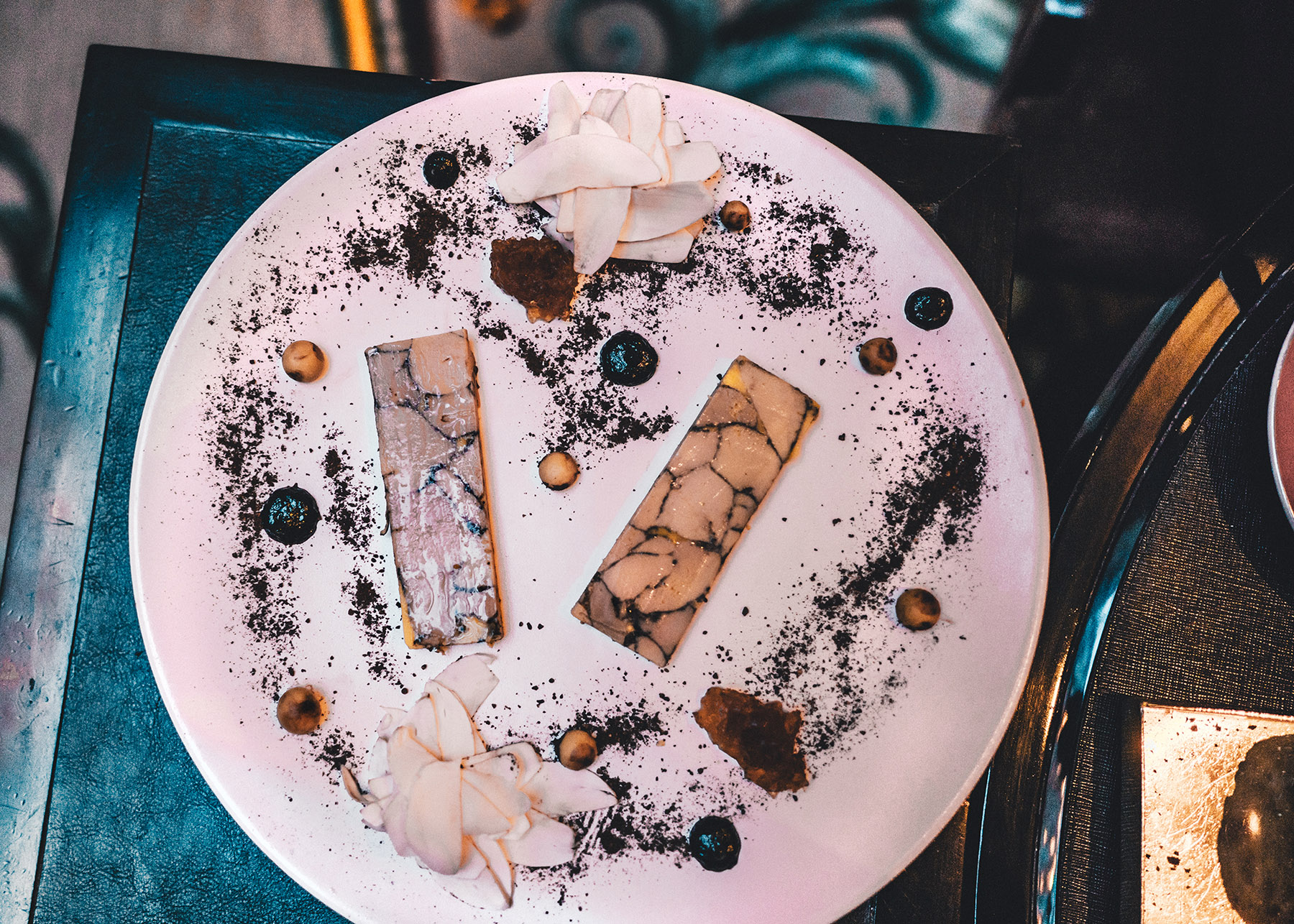
Paris’ culinary identity is defined by centuries of refinement in pastry, bread, cheese, and wine, alongside a global influence that continues to attract aspiring chefs. The city operates simultaneously as a laboratory for innovation and a guardian of time-honored culinary practices.
What defines Paris’ food culture:
- Exceptional access to artisanal bakeries, from classic baguettes to viennoiserie perfected over generations.
- Cheese shops (fromageries) and charcuteries offering regionally sourced products that highlight the diversity of French terroir.
- A vibrant dining scene spanning Michelin-starred restaurants, bistro culture, and casual crêperies with longstanding local reputations.
- Weekly markets and specialty food halls offering seasonal ingredients, seafood, and delicacies.
How to explore efficiently:
- Parisian food tours often combine neighborhood walking tours with tastings at specialty shops, bakeries, and wine bars.
- Guides contextualize culinary history, regional distinctions, and seasonal availability, giving depth beyond what self-guided travel allows.
- Small-group experiences offer insight into Paris’ culinary hierarchies, from street crepes to haute cuisine.
Why Food Tours Provide Essential Insight
Food tours function as a structured entry point into a city’s culinary identity, particularly in destinations where the best food is not limited to central districts or widely advertised restaurants. They provide context that travelers often miss, especially in cities where language barriers, sprawling geography, or highly localized establishments complicate independent exploration.
Benefits for travelers:
- Orientation to neighborhoods and regional distinctions that shape a city’s food identity.
- Access to small or family-run establishments that operate on limited schedules or local reputation rather than marketing.
- A deeper understanding of ingredients, preparation methods, and cultural significance behind the dishes being served.
- The opportunity to ask questions, taste dishes side by side, and learn how locals actually eat rather than how guidebooks describe it.
These experiences help travelers understand why certain cities rise above trend cycles: their excellence is rooted in tradition, technique, and community rather than novelty alone.