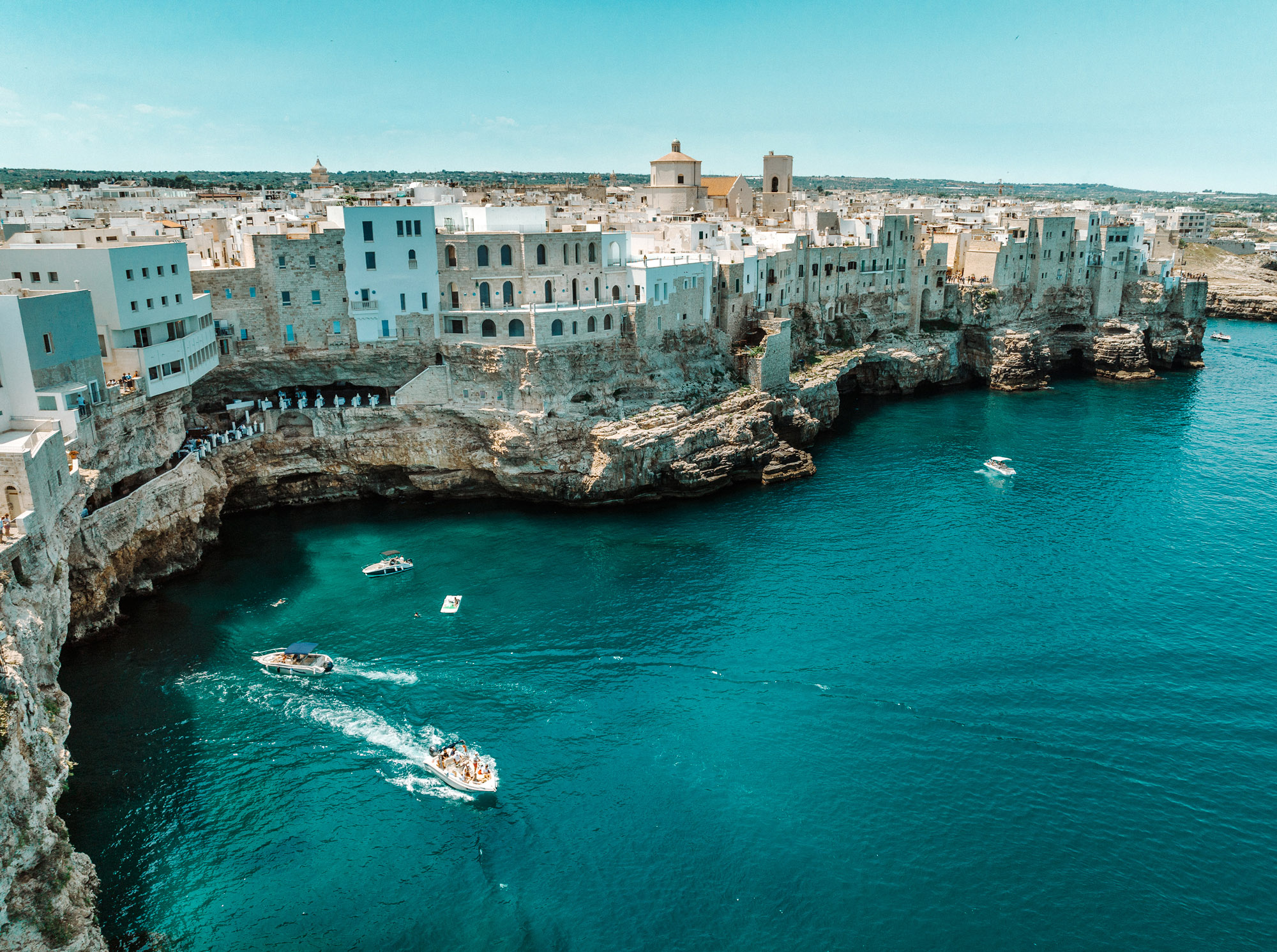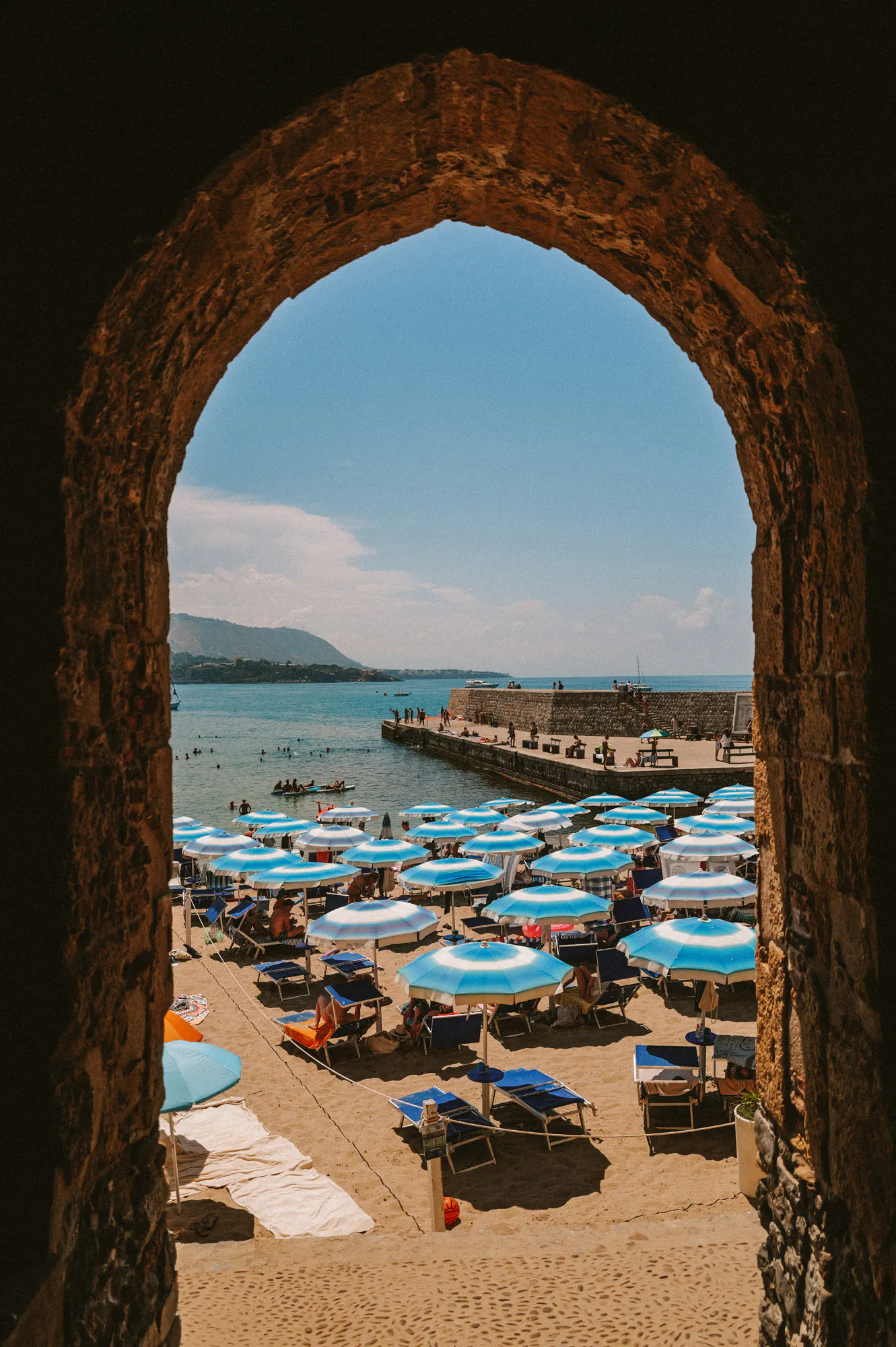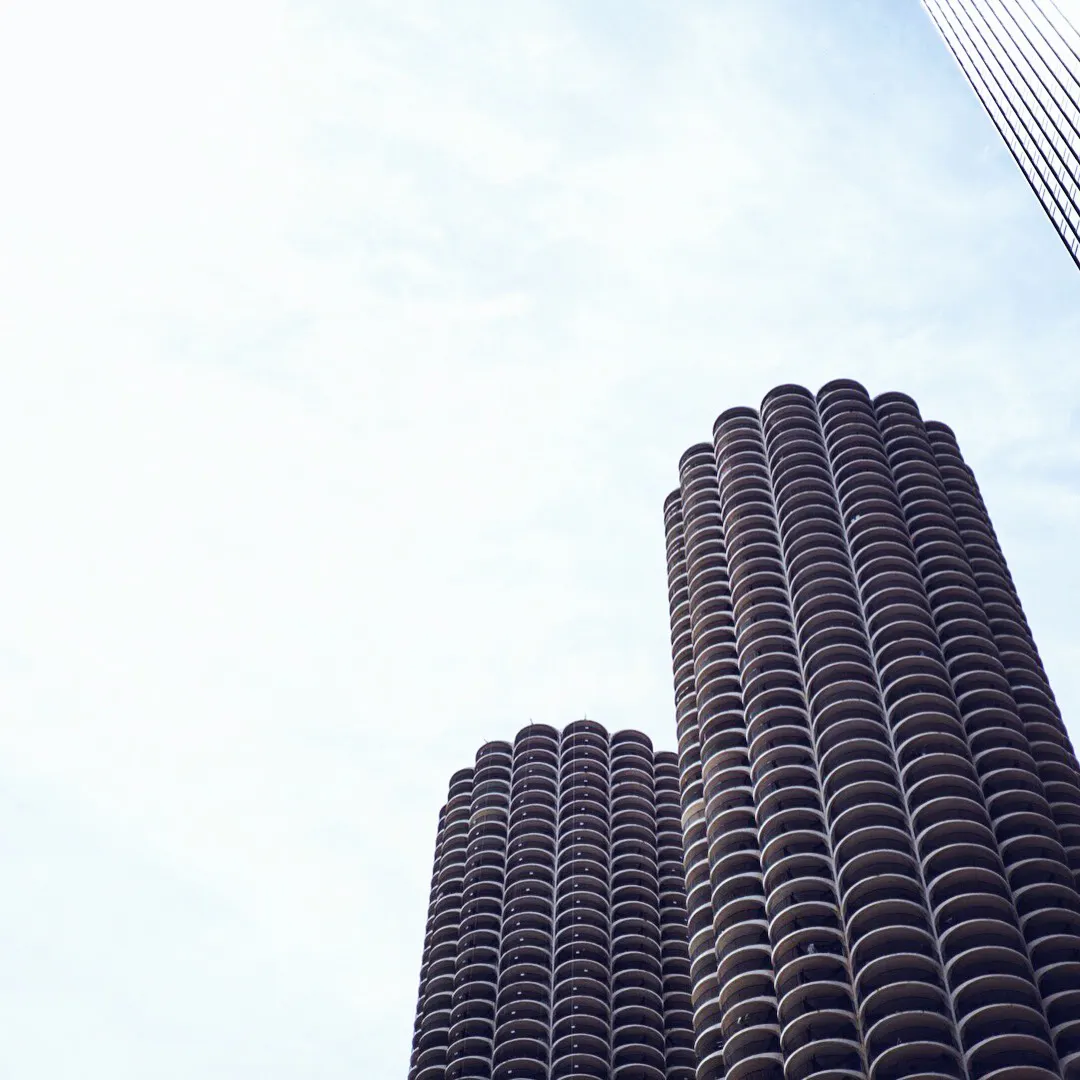
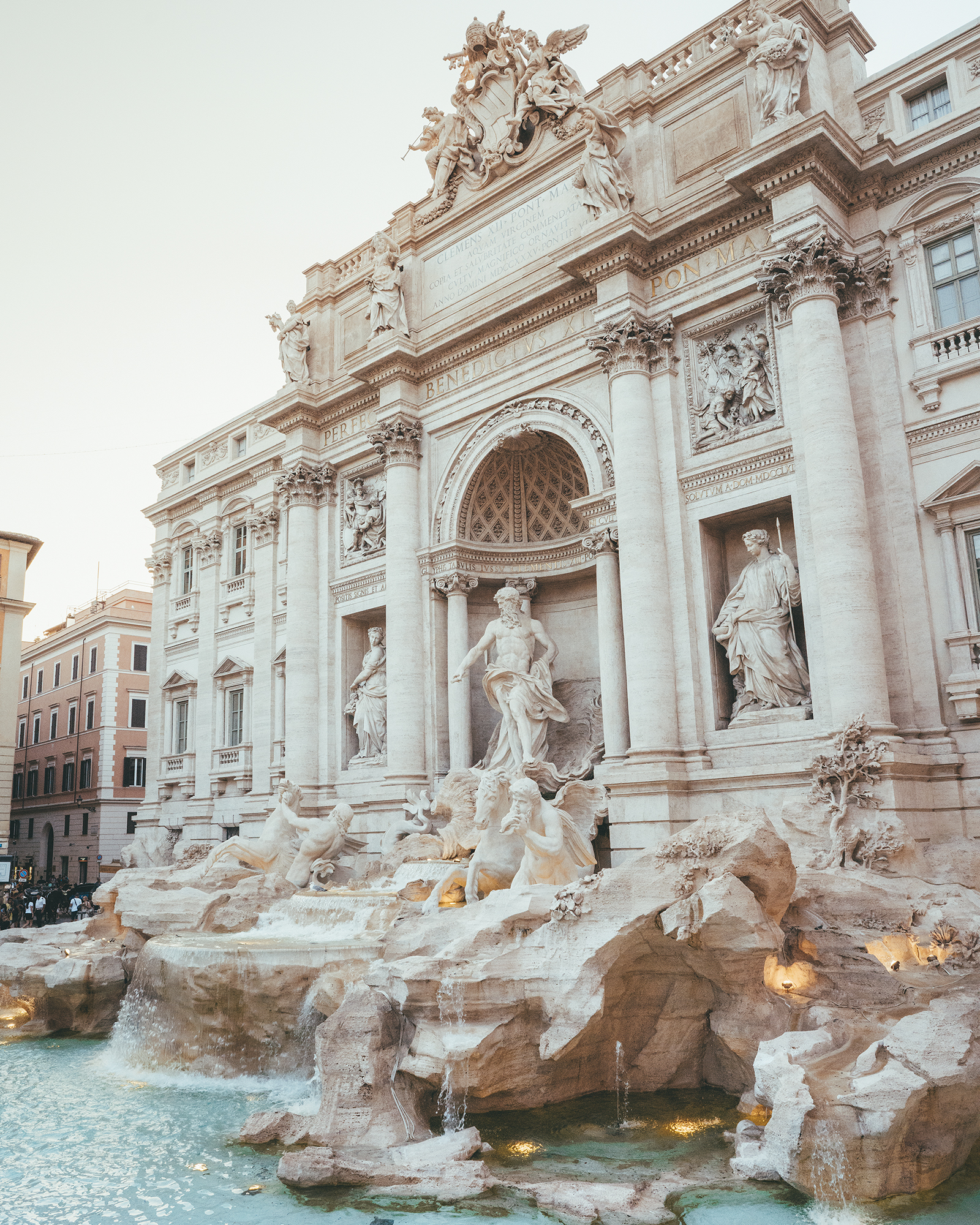
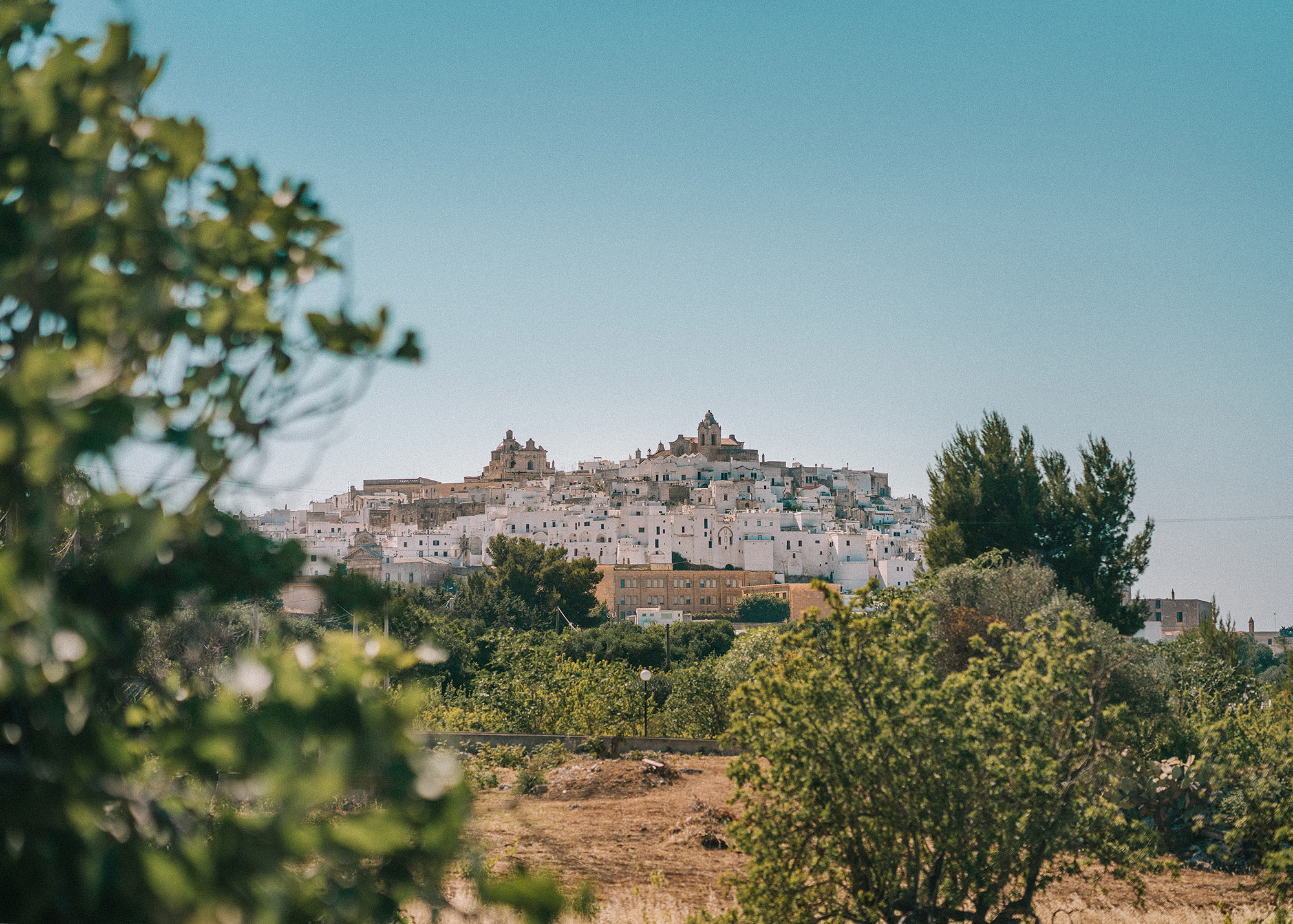
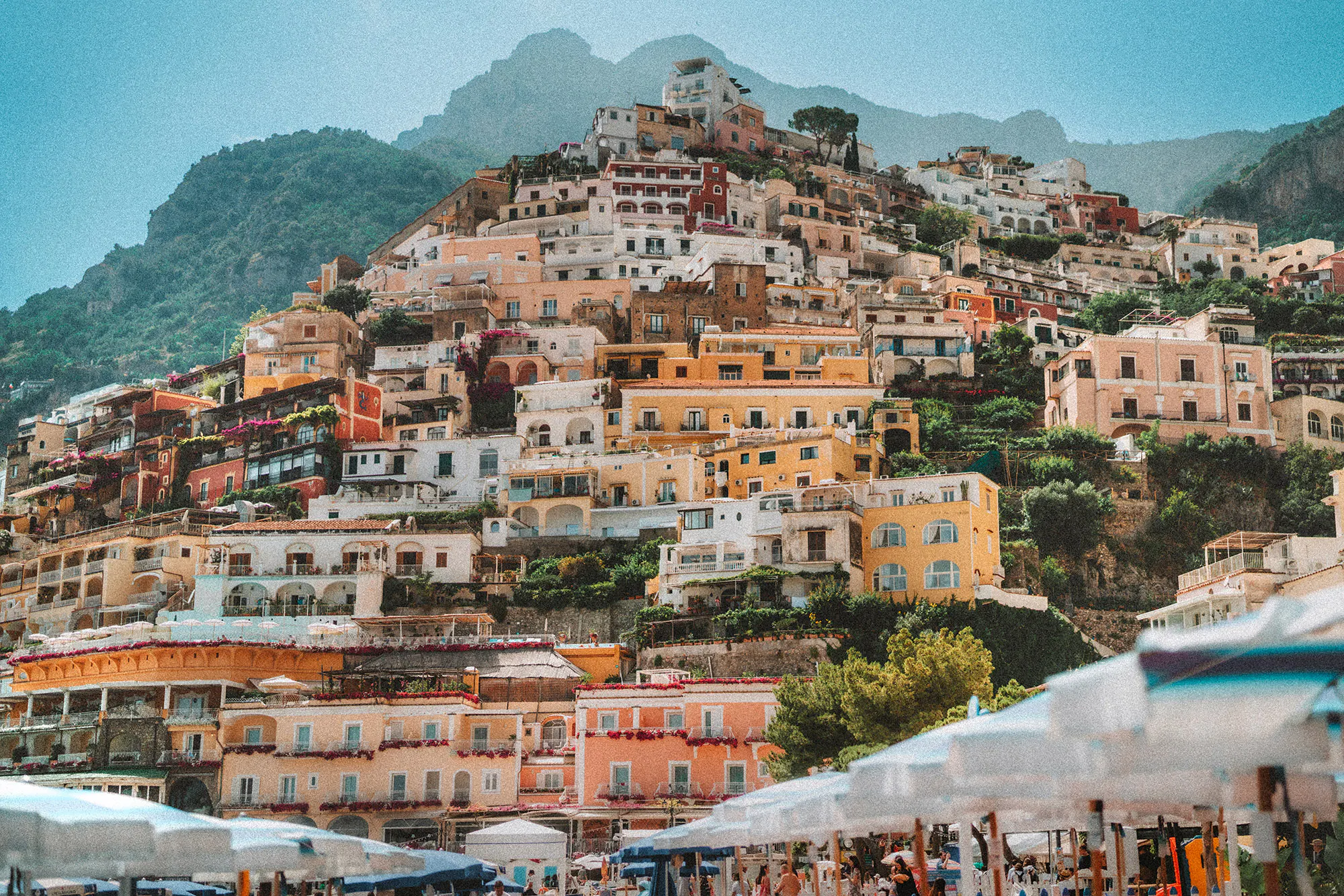
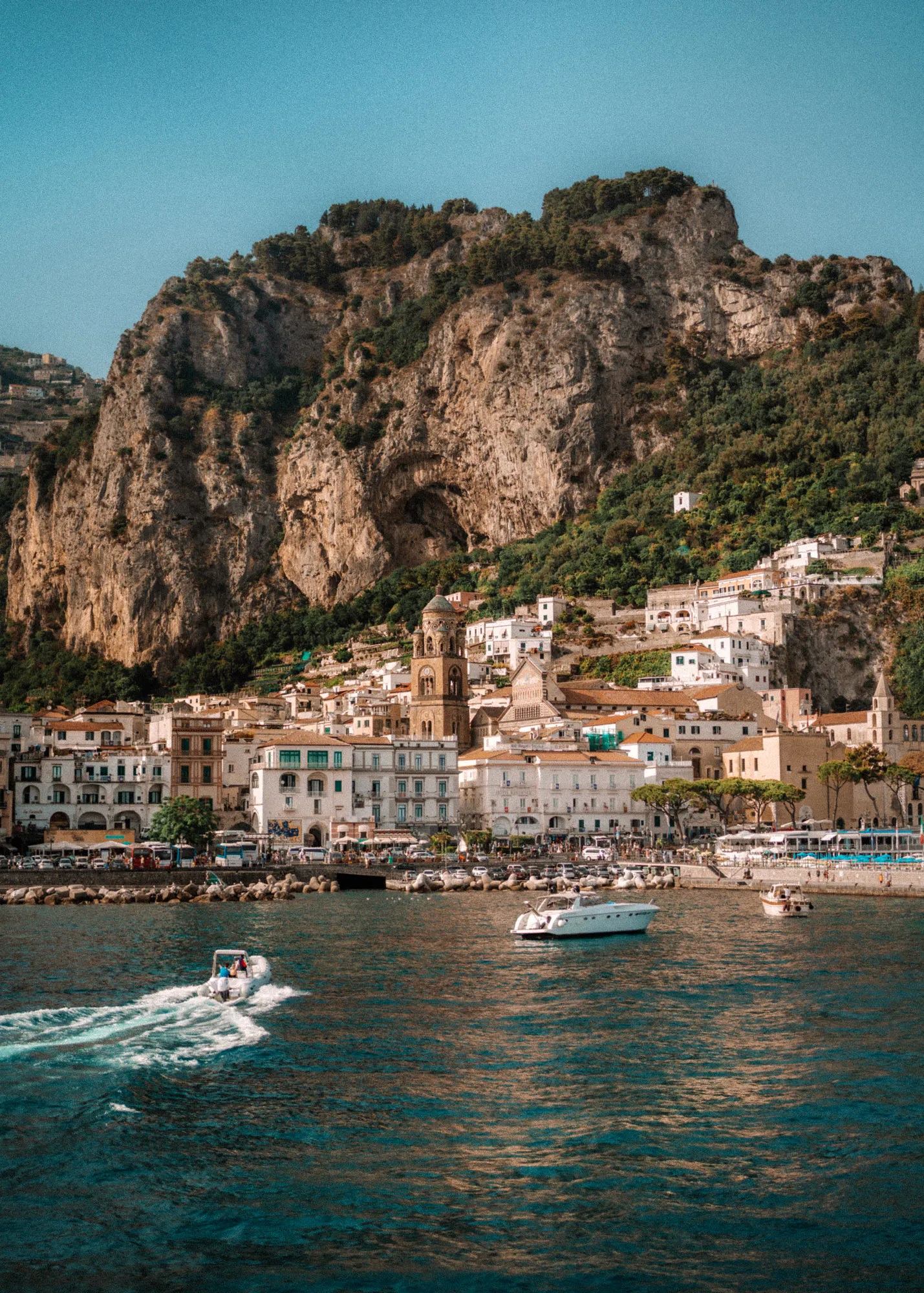
Few countries reward a road trip quite like Italy - in the last few years, we have taken two 3-week-long road trips through the country: from Milan down through Amalfi, and then again through Puglia from Bari to Naples; and I am in the process of planning a third. It's that worth it! While the country's high-speed rail network makes it easy to move between major cities, some of its most memorable experiences happen well beyond the train stations. The winding roads of Tuscany, the hill towns of Umbria, the beaches of Sardinia, the villages of Puglia, and much of Sicily become far easier to explore when you have your own vehicle.
The challenge is that renting a car in Italy comes with a learning curve. Between restricted traffic zones, toll roads, parking regulations, insurance options, fuel policies, and unfamiliar driving customs, this post breaks down everything you need to know.
One of the smartest ways to simplify the process is to compare multiple suppliers before committing to a reservation. EconomyBookings.com is particularly useful for Italy because it allows you to compare offers from both major international brands and local rental companies in a single search. Pricing, vehicle availability, insurance options, and supplier ratings can vary significantly between providers, especially during peak travel periods, making comparison shopping an important part of planning.
Want to plan your outfits? Check out my full Italy packing guide here.
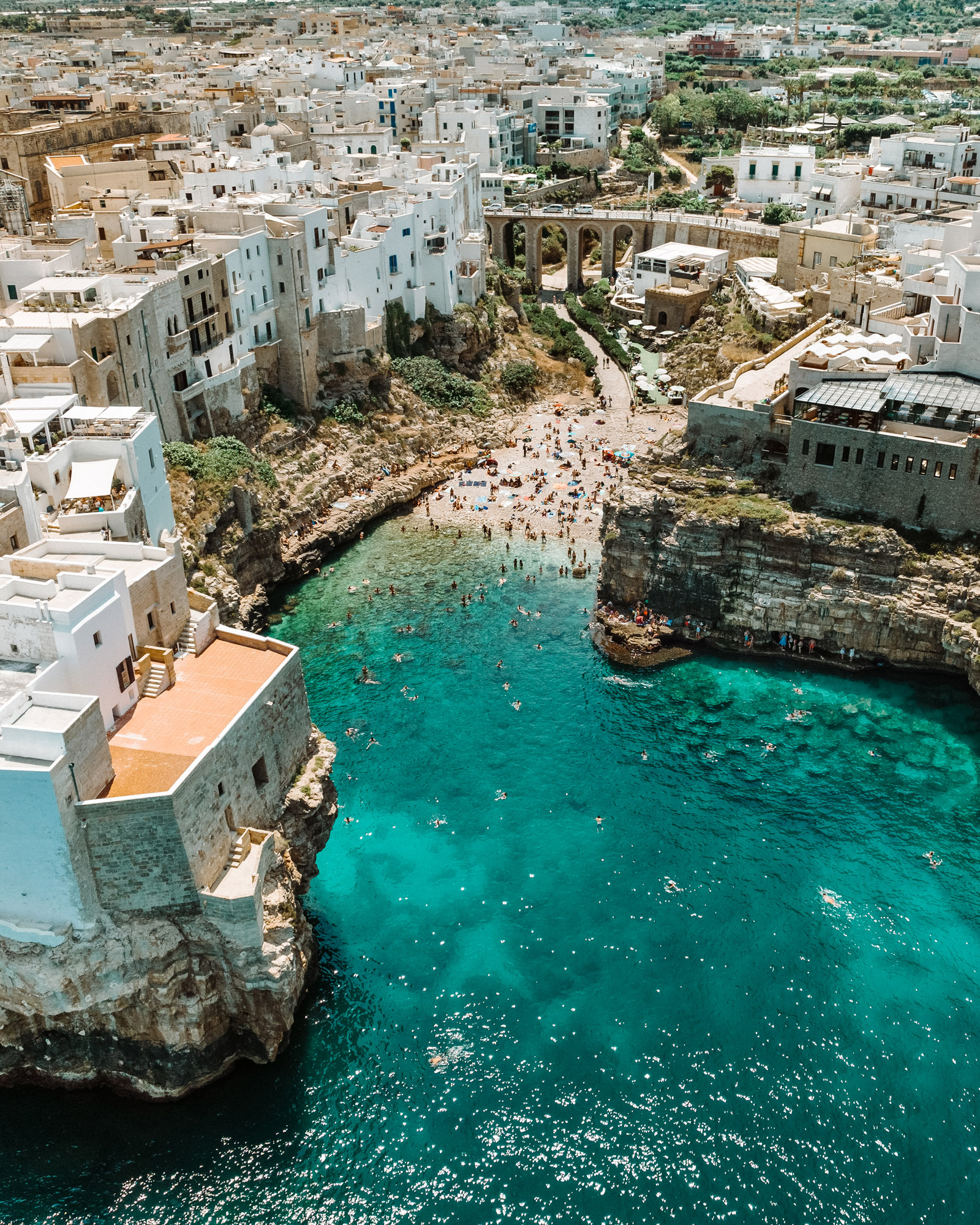
Related reading: Italy Travel Guide: 6 Small Towns Not To Miss on an Italian Road Trip
1. Decide Whether You Actually Need a Rental Car
One of the most common mistakes is picking up a rental car too early.
Italy's rail network is excellent between major cities, and driving within historic centers can be frustrating, expensive, and often unnecessary. In destinations such as Rome, Florence, Venice, Milan, and Naples, a rental car frequently becomes more of a burden than a convenience.
A better strategy is often to use trains for major city connections and collect your vehicle when leaving urban areas.
A rental car makes the biggest difference in:
- Tuscany
- Umbria
- Puglia
- Sicily
- Sardinia
- The Dolomites
- Lake Garda
- Piedmont wine country
- Rural Liguria
- The countryside surrounding Florence
For many itineraries, the ideal approach involves spending a few days in cities before collecting a vehicle for the road trip portion of the journey.
2. Book Early and Compare Multiple Rental Companies
Rental car pricing in Italy changes rapidly based on demand: Summer, Easter, major holidays, and harvest season in wine regions often create substantial price increases, particularly for automatic vehicles, SUVs, and larger family vehicles.
Booking several weeks or months ahead typically provides:
- Better vehicle selection
- Lower daily rates
- Greater availability of automatic transmissions
- More flexible cancellation options
Rather than checking rental companies individually, it is usually more efficient to compare suppliers through a booking platform that aggregates inventory from multiple providers.
EconomyBookings.com performs particularly well for Italy because it provides access to a wide range of rental companies while allowing you to compare:
- Daily rental rates
- Vehicle categories
- Supplier reviews
- Insurance options
- Fuel policies
- Deposit requirements
- Cancellation terms
This becomes especially valuable in Italy, where local rental companies sometimes offer pricing that differs substantially from larger international brands. Waiting until the final few weeks can dramatically reduce inventory, particularly in destinations such as Florence, Palermo, Catania, Bari, Naples, and Olbia.
3. Understand ZTL Zones Before Driving
ZTL stands for Zona a Traffico Limitato, or Limited Traffic Zone.
These restricted areas exist throughout many Italian cities and historic centers. Cameras automatically record license plates, and unauthorized vehicles entering these zones can receive fines months after returning home.
Cities with extensive ZTL enforcement include:
- Florence
- Rome
- Milan
- Pisa
- Bologna
- Siena
- Verona
- Lucca
Check out up-to-date ZTL maps by city here.
The challenge is that visitors often enter unintentionally while following GPS directions. Before driving into any city center:
- Research local ZTL boundaries
- Confirm hotel parking procedures
- Verify whether your accommodation can register your vehicle
- Follow local signage rather than relying exclusively on navigation apps
ZTL fines frequently become the most expensive part of an Italian road trip.

4. Choose the Smallest Vehicle That Fits Your Needs
Many visitors underestimate how narrow parts of Italy can be - we once got stuck in an ultra-narrow stone street in a torrential downpour in Sorrento and needed 4 locals to help guide us out without destroying the car.
The roads themselves are often manageable, but historic towns were built centuries before automobiles existed. In many villages, streets pass between stone buildings with only inches of clearance on either side. Throughout Tuscany, Sicily, Puglia, and portions of the Amalfi Coast, it is common to encounter roads lined with stone walls, tight corners, narrow passageways, and parking areas designed for vehicles that were considerably smaller than modern SUVs.
A vehicle that feels perfectly reasonable at home can quickly become difficult to maneuver in older Italian towns.
When choosing a rental car, consider:
- Number of passengers
- Number of suitcases
- Whether large checked luggage is necessary
- Planned destinations
- Parking availability at accommodations
In most cases, the smallest vehicle that comfortably accommodates your group and luggage will provide the easiest experience. Benefits of choosing a smaller vehicle include:
- Easier parking
- Better fuel economy
- Lower rental costs
- Less stress on narrow roads
- Improved maneuverability in historic centers
Many experienced Italy road trippers intentionally choose compact hatchbacks for exactly this reason.
5. Choose an Automatic Transmission Early
Through a decade of full-time travel, one non-negotiable rule I have established is to always rent an Automatic Transmission. Manual vehicles remain common throughout Italy (and Europe as a whole), and while automatic cars are increasingly available, they still represent a smaller portion of rental fleets compared to North America. However, manual rental cars are regularly driven by drivers unfamiliar with them, get very heavy wear and tear, and tend to be much harder to drive than a private car.
Automatic vehicles often:
- Cost more
- Sell out earlier
- Have fewer category options
- Require earlier reservations
If you're not extremely familiar with driving manual, spend the extra on the Automatic: it is 1000% worth it.
6. Understand Insurance Before Arrival
Insurance remains one of the most misunderstood parts of renting a car in Italy. Most rentals include basic coverage, but deductibles can still be substantial.
Common coverage options include:
- Collision Damage Waiver (CDW)
- Theft Protection (TP)
- Supplemental Liability Insurance
- Full Coverage Plans
- Tire and windshield protection
Before purchasing additional protection, review:
- Credit card benefits
- Existing travel insurance policies
- Supplier terms and exclusions
- Deductible amounts
Italian roads are generally excellent, but narrow village streets, tight parking spaces, and centuries-old town centers can create situations where additional coverage provides valuable peace of mind.
7. Prepare for Toll Roads
Italy's autostrade network is one of the fastest ways to move between regions.
Most major highways operate on a toll system: Drivers receive a ticket when entering and pay upon exiting based on distance traveled.
Payment methods typically include:
- Credit cards
- Debit cards
- Cash
- Electronic toll systems
For longer road trips through northern and central Italy, toll expenses can add up quickly and should be included in your budget calculations.
8. Know the Fuel Policy Before Pickup
Fuel policies vary significantly between suppliers. The most common and generally preferred option is: Full-to-Full
You receive a full tank and return the vehicle with a full tank. Other arrangements can include prepaid fuel programs that may not provide the same value.
Before leaving the rental facility:
- Verify the fuel level
- Confirm fuel type
- Photograph the dashboard
- Review return requirements
Diesel vehicles remain common throughout Italy, and using the wrong fuel can result in costly repairs.
9. Avoid Driving Through Major City Centers
A rental car is incredibly useful throughout much of Italy, but major cities are often the exception.
Rome, Florence, Milan, Bologna, Naples, and several other historic cities can be challenging places to drive due to traffic restrictions, limited parking, ZTL enforcement, congestion, and narrow streets.
We have found that the best strategy is to leave the vehicle in a secure parking facility on the edge of the city, near a train station, or at your accommodation, and then explore on foot or using public transportation. We found this approach to be the best of both worlds, and significantly less stressful because:
- Historic centers are highly walkable
- Public transportation is widely available
- Parking inside city centers can be expensive
- ZTL violations can result in substantial fines
- Traffic congestion often slows movement more than walking
In Florence, we parked just outside the historic center and walked into the city; while in Rome, parking near a metro station or secure garage outside the busiest districts was a much easier experience than navigating central streets.
A useful rule of thumb is simple: use the rental car to move between destinations. Once you arrive in a major city, park it and enjoy the city on foot.


10. Know Which Pickup Locations Work Best
Airport rentals often provide the largest inventory and most competitive pricing.
Popular rental locations include:
- Rome Fiumicino Airport (FCO)
- Milan Malpensa Airport (MXP)
- Florence Airport (FLR)
- Venice Marco Polo Airport (VCE)
- Naples Airport (NAP)
- Palermo Airport (PMO)
- Catania Airport (CTA)
- Bari Airport (BRI)
- Olbia Airport (OLB)
Airport locations typically offer:
- Longer operating hours
- More vehicle categories
- Greater supplier competition
- Easier pickup procedures
For many itineraries, collecting a vehicle directly at the airport before beginning a road trip remains the simplest option.
11. The Best Italy Road Trip Routes for a Rental Car
Certain regions become substantially more enjoyable with your own vehicle.
Tuscany
Florence - Val d'Orcia - Montepulciano - Pienza - Montalcino - San Gimignano
Rolling vineyards, medieval villages, scenic back roads, and some of Italy's most beautiful countryside.
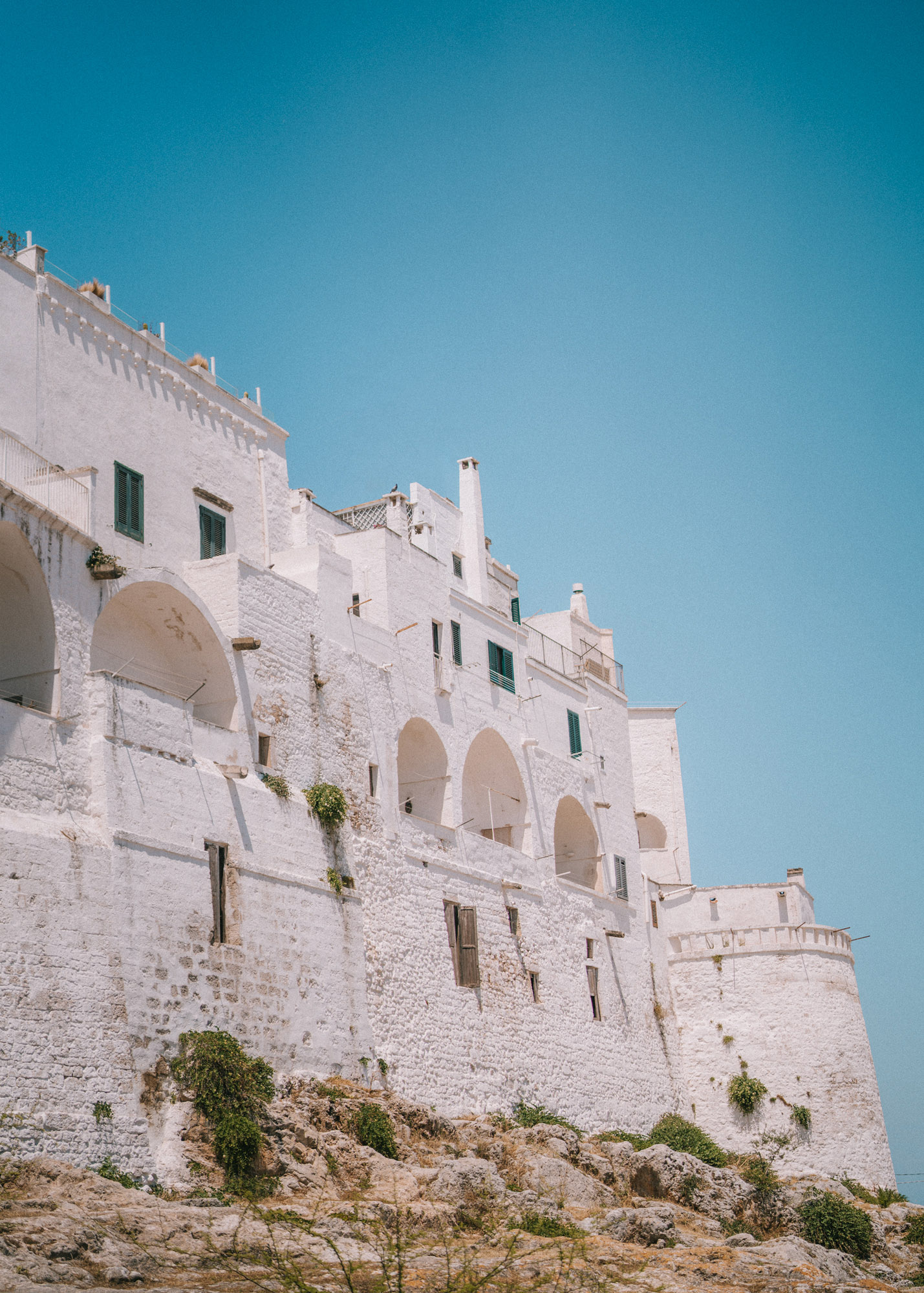
Puglia
Bari - Polignano a Mare - Monopoli - Ostuni - Lecce - Otranto
Whitewashed towns, Adriatic beaches, and a slower pace that is difficult to experience fully without a vehicle.
Sicily
Palermo - Cefalù - Taormina - Mount Etna - Syracuse - Noto
Sicily is a huge island, and is best treated as a road trip and not a destination where you stay at one hotel and take day trips - it's the only way to experience it, unless you are interested in only one area. One of the best destinations in Italy for a road trip thanks to its diverse landscapes, historic cities, and coastal scenery.
The Dolomites
Bolzano - Ortisei - Val Gardena - Cortina d'Ampezzo
Spectacular mountain drives and access to hiking areas that would otherwise require extensive transportation planning.
Sardinia
Olbia - Costa Smeralda - Cala Gonone - Villasimius
Treat Sardinia the same as Sicily: if you're trying to see multiple areas on the island, you will not have a good time returning to the same hotel every night. Remote beaches, dramatic coastlines, and some of the clearest water in Europe.
12. Common Mistakes to Avoid
Many rental problems stem from a handful of preventable mistakes.
Avoid:
- Booking too late
- Choosing a vehicle that is larger than necessary
- Driving into ZTL zones
- Ignoring insurance details
- Failing to photograph existing damage - we always take photos and a full walk-around video of our rental car before leaving the lot.
- Returning the vehicle late
- Assuming parking will be easy
- Overlooking toll expenses
- Picking up a rental car before it is actually needed
A few minutes of preparation can prevent high costs later!
Frequently Asked Questions
Is renting a car in Italy worth it?
For destinations such as Tuscany, Sicily, Puglia, Sardinia, and the Dolomites, a rental car often provides access to locations that would otherwise require complicated public transportation connections.
Do Americans need an International Driving Permit in Italy?
Italy technically requires an International Driving Permit (IDP) for visitors from the United States in addition to a valid U.S. driver's license. In all of our years and 25+ countries of renting cars, this has actually only ever been required once (in Ibiza, if you're curious.) However, before your trip, you can acquire one for $20 through AAA, so if you're at all worried, it makes sense to just get one in case.
Is it better to rent a car at an airport in Italy?
Airport locations generally offer the best vehicle selection and competitive pricing, making them a popular choice for road trip itineraries. We almost always book airport-to-airport rentals to cut down on additional taxi costs.
What is the best website to book a rental car in Italy?
EconomyBookings.com is one of the strongest options for booking a rental car in Italy because it allows you to compare pricing, availability, supplier ratings, insurance options, vehicle categories, and rental conditions from multiple providers in one place. This is particularly valuable during peak travel periods when inventory can vary significantly between suppliers and destinations. For road trips through Tuscany, Sicily, Puglia, Sardinia, the Dolomites, and other regions where having your own transportation provides greater flexibility, comparing options through EconomyBookings.com can help you find the right vehicle at a competitive price while avoiding the need to search multiple rental company websites individually.
Is driving in Italy difficult?
Driving conditions vary significantly by region. Highways are generally straightforward, while historic city centers and older villages require more attention due to narrow streets, limited parking, restricted traffic zones, and roads originally designed long before modern vehicles existed.
Italy rewards independent exploration more than almost any destination in Europe. Once you leave the major cities behind, the experience changes completely. Vineyards replace train stations, coastal roads replace fixed schedules, and spontaneous detours become part of the trip. With the right vehicle, a little planning, and a clear understanding of how driving works locally, many of Italy's most memorable destinations become far easier to experience on your own terms.