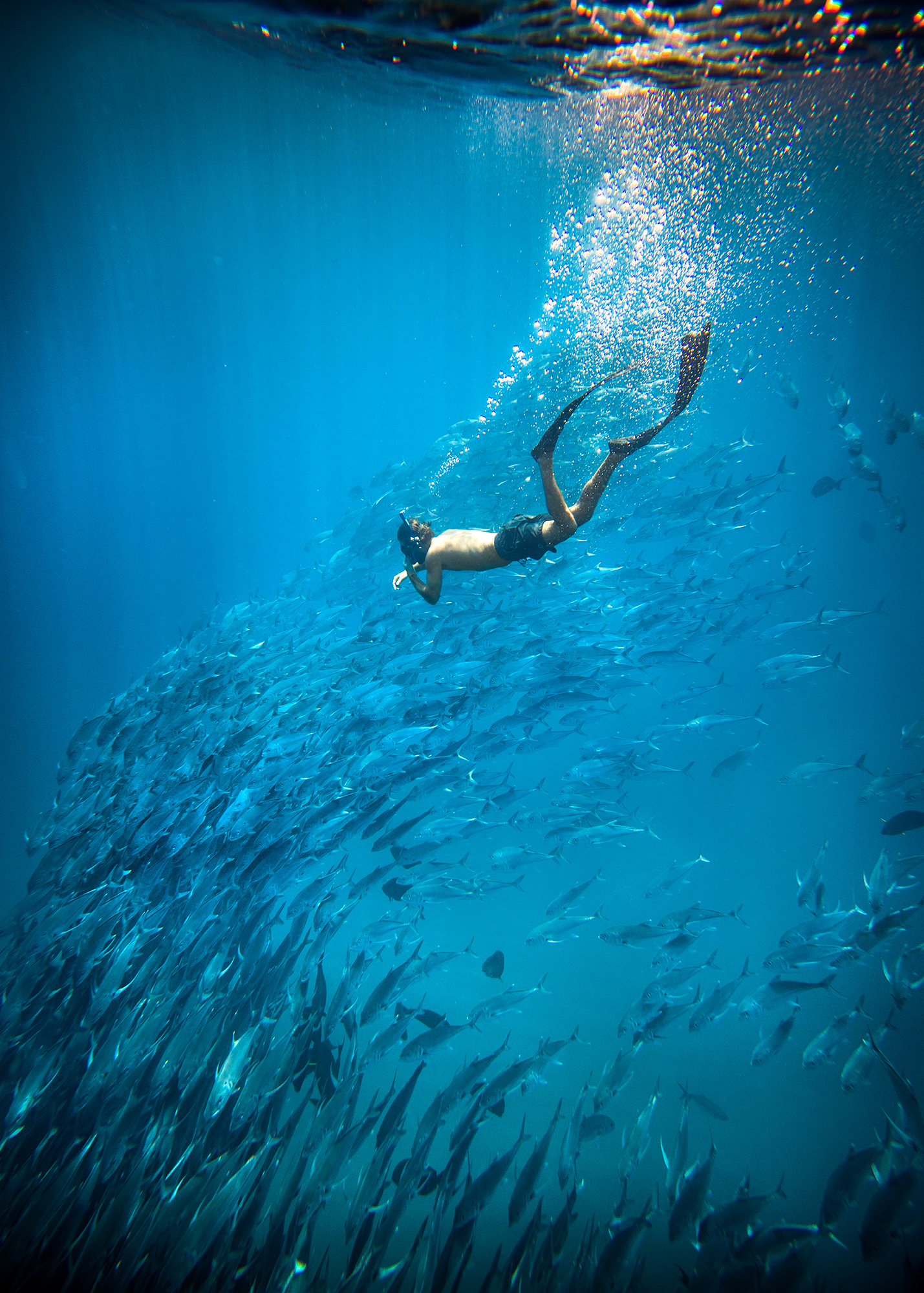
Why Maaya Thila Stands Out
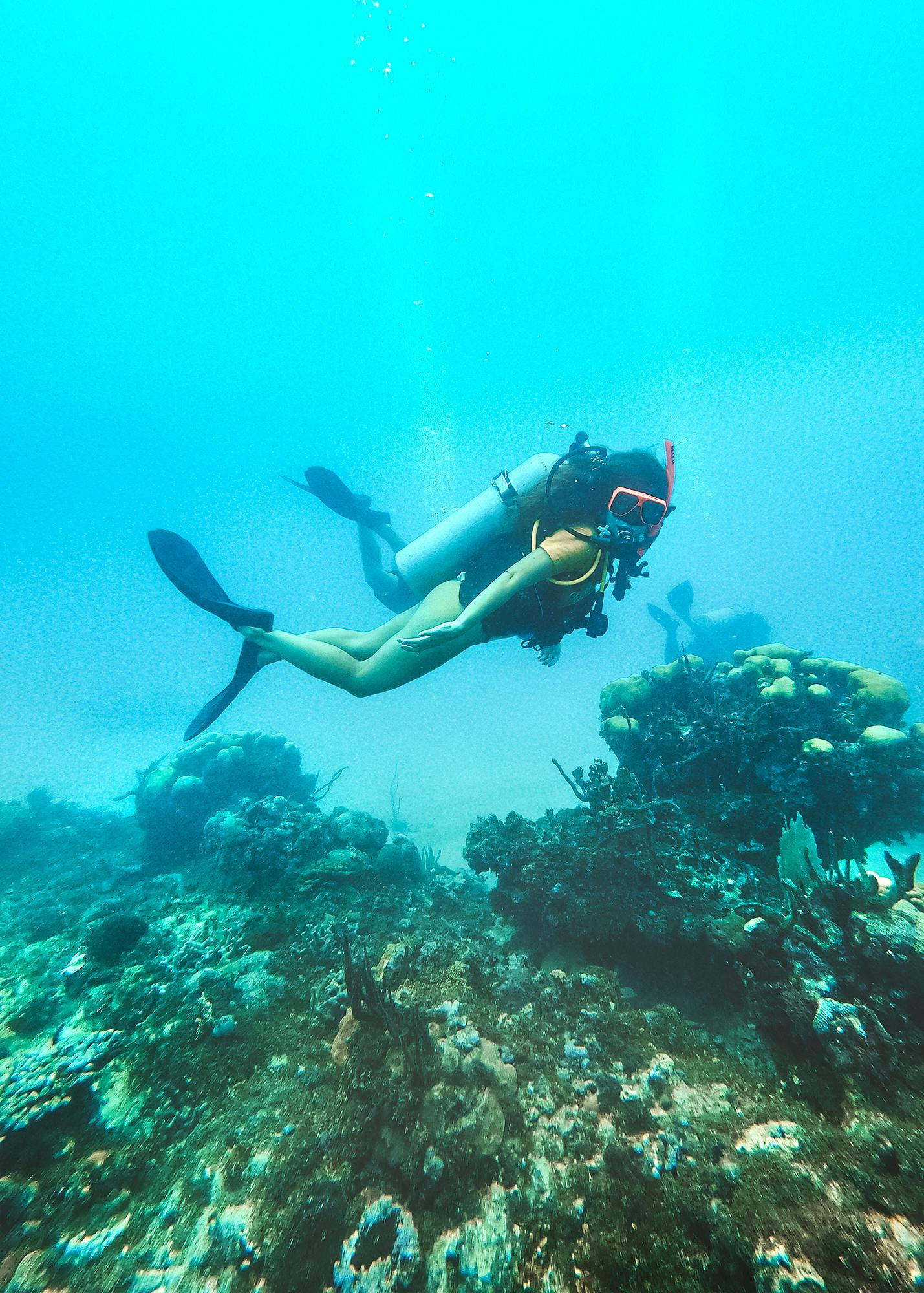
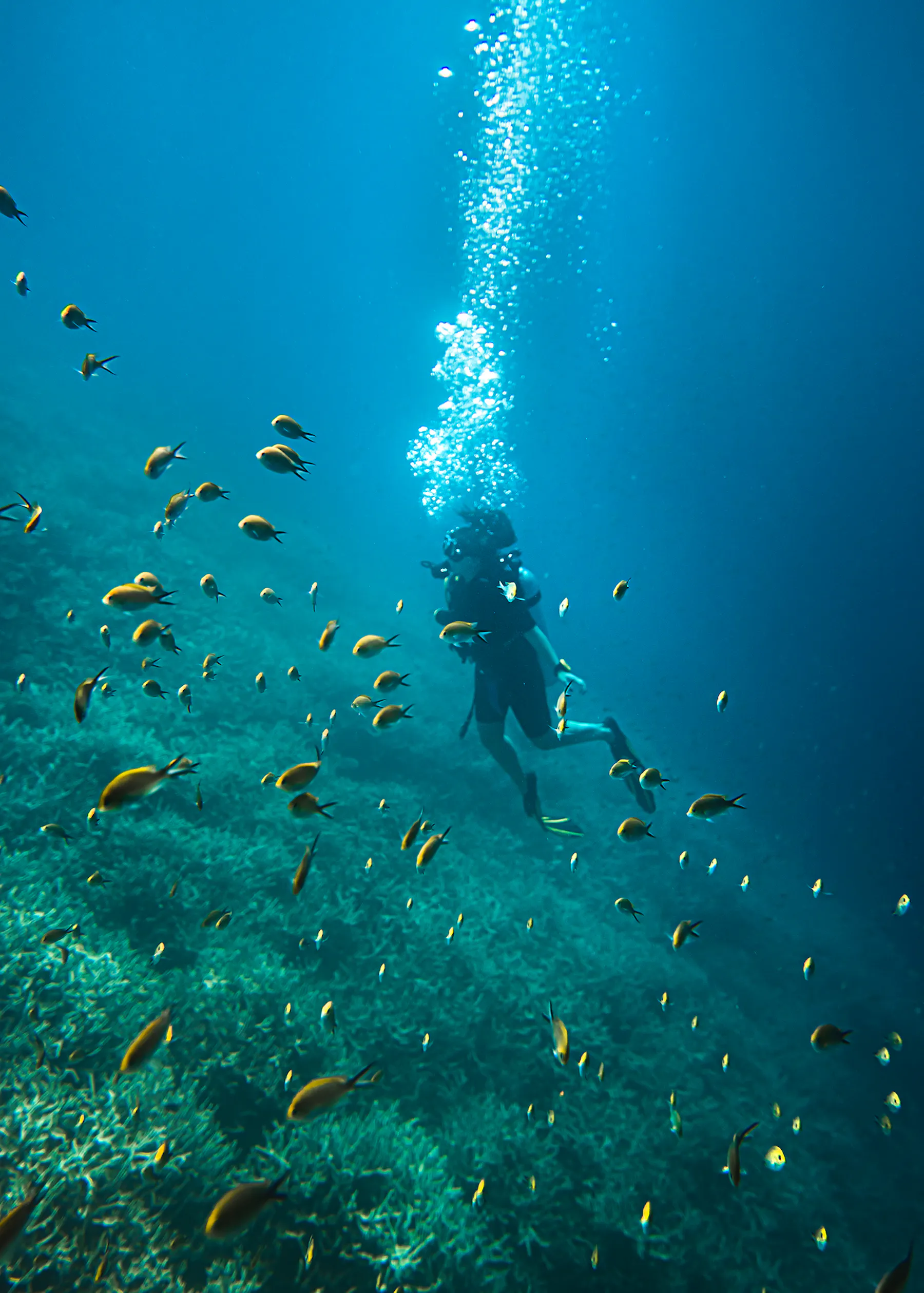
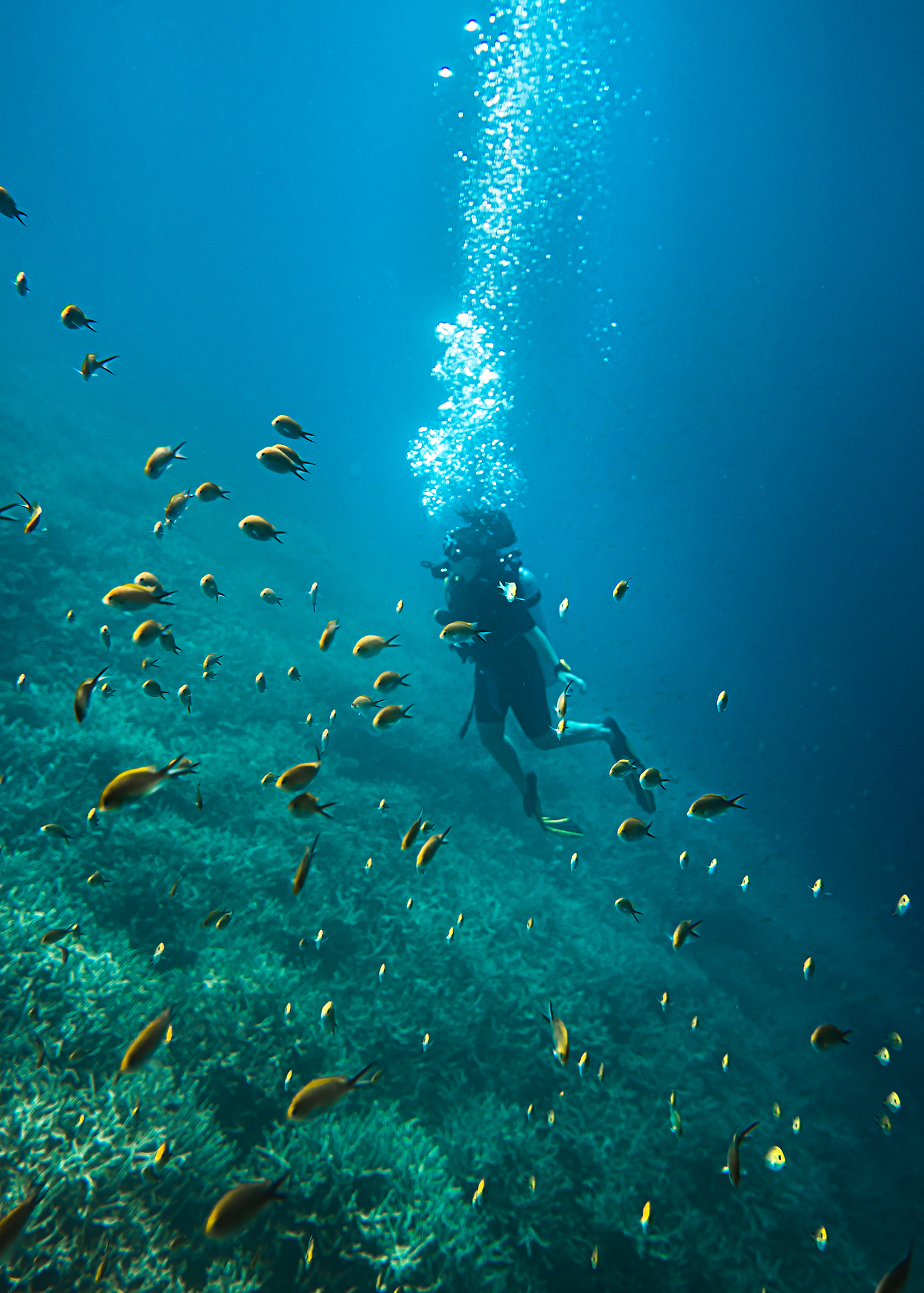
Night diving at Maaya Thila answers a very specific question for travelers planning liveaboards Maldives itinerary: where can divers reliably encounter high-intensity, predator-driven marine behavior in a safe and controlled environment? The answer has remained the same for decades because the thila’s structure, depth profile, and proximity to deep channels create a naturally concentrated arena that amplifies nocturnal activity. Once the light fades, the reef shifts into a dense, fast-moving ecosystem where every species adjusts its behavior, and divers are positioned close enough to observe the interplay without disturbing it.
The transition from calm daylight reef to a dynamic hunting ground feels dramatic yet strangely orderly, as if the entire structure adheres to nocturnal rules that can only be understood when experienced firsthand.
- Compact topography creates predictably active conditions
- Shallow upper platform supports long, comfortable bottom times
- Adjacent channel funnels sharks and pelagics into a confined viewing area
Location and Structure
Maaya Thila sits within the North Ari or South Ari region along the classic central Maldives liveaboard route, a zone that remains the most accessible for boats offering weeklong to ten-day itineraries. The thila is relatively shallow at the top, often around 8 to 10 meters, before dropping sharply into the surrounding channel. Its shape is the reason it performs so consistently as a night diving site, because the plateau offers a stable platform for divers while the vertical walls provide natural access points for sharks and larger hunters.
This configuration eliminates many of the challenges found at deeper, more exposed pinnacles and creates an ideal combination of safety, predictability, and high activity.
- Shallow reef crest that is easy to navigate in darkness
- Rapid wall drop-offs attracting pelagics from nearby channels
- Reliable conditions supporting both novice and experienced night divers
White Tip Reef Sharks at Night
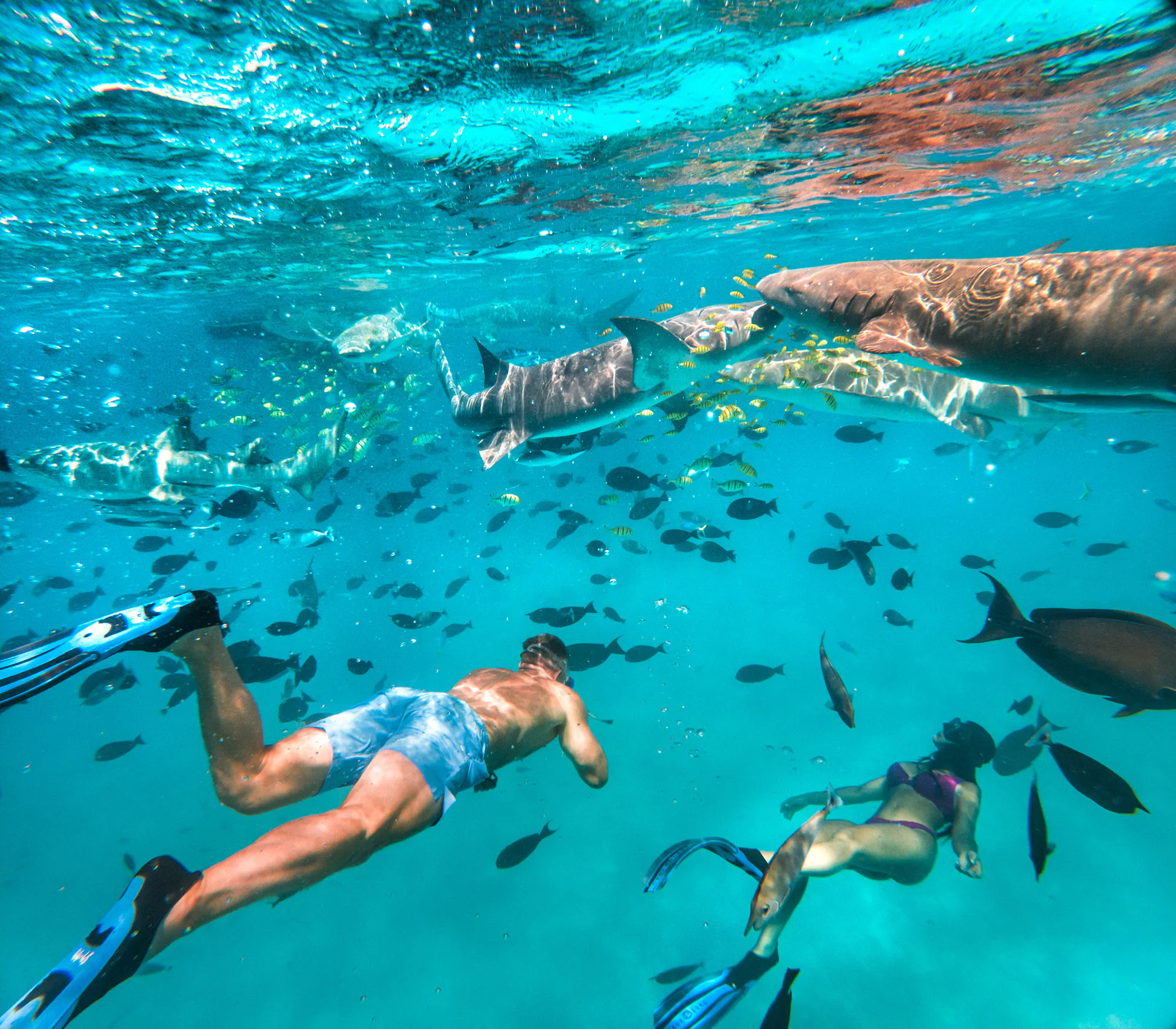
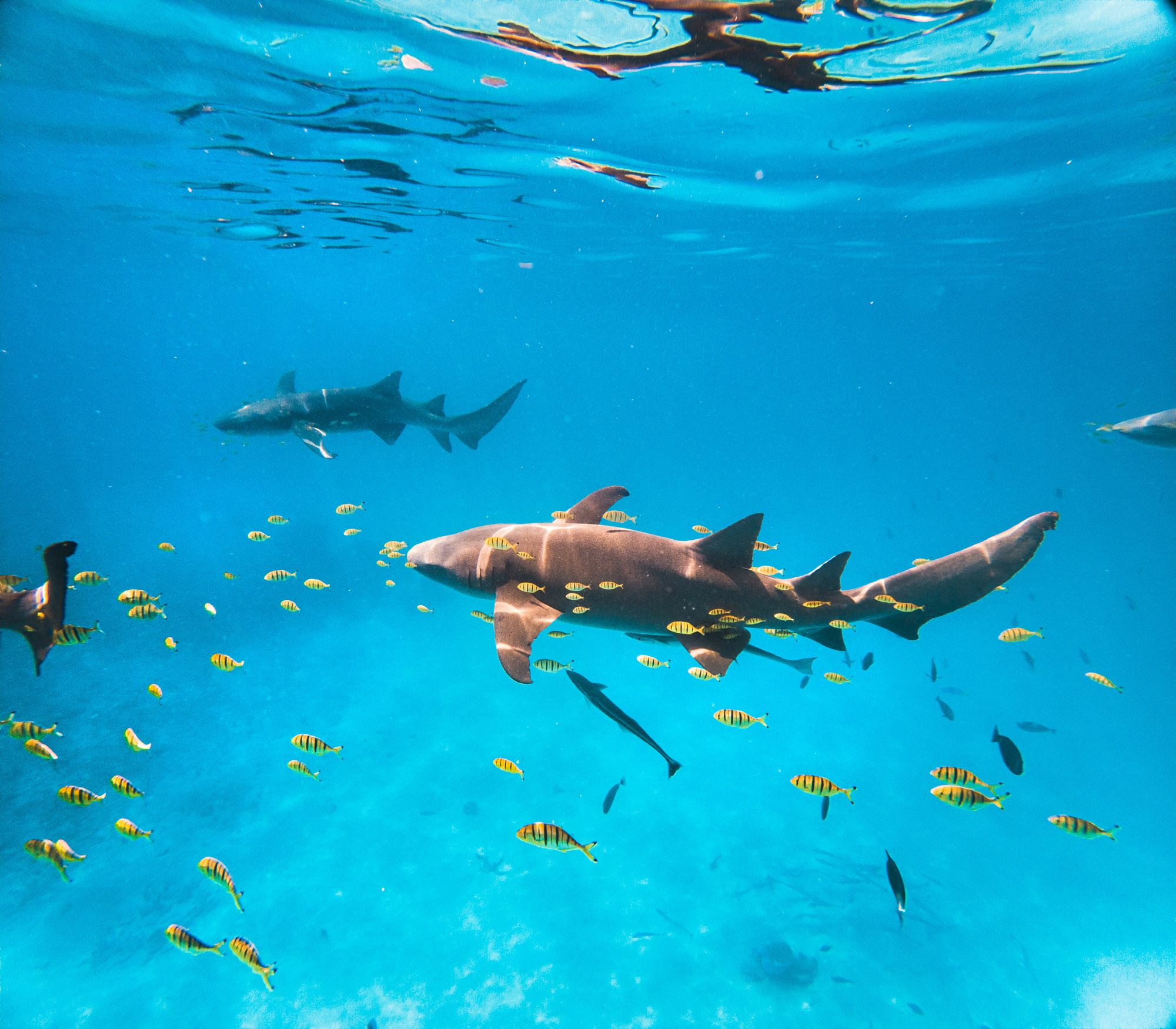
White tip reef sharks define the reputation of Maaya Thila. Their behavior during daylight hours is almost misleading, as they often rest in small groups or drift lazily along the edges of the reef. After nightfall, they transition into focused, coordinated hunters, frequently using divers' torch beams as tactical advantages while searching for sleeping fish wedged into coral pockets.
The density of sharks is what makes the experience so striking. Multiple individuals circle within close range, weaving through the beams of light with deliberate, efficient movements that highlight their agility. Divers witness sequences of pursuit, ambush, and rapid strikes with a level of proximity uncommon in other parts of the world.
- Highly active, predictable hunting behavior
- Sharks using diver lights to locate prey
- Consistent close-range encounters that remain safe under guide supervision
Other Nocturnal Species
Although sharks dominate attention, the reef’s supporting cast reinforces why this site continues to rank as a global standout for night diving. Many species become more visible or more active once ambient light disappears. Moray eels emerge from their daytime crevices, stingrays sweep across the sandy patches, and various invertebrates move into open water.
The broader ecosystem converges around the thila in a way that provides divers with a wide spectrum of marine behavior, from subtle foraging patterns to intense predatory runs.
- Moray eels navigating the open water with deliberate, serpentine motion
- Rays shifting across the plateau in search of crustaceans
- Increased visibility of crustaceans, invertebrates, and nocturnal macro subjects
Giant Trevally Behavior
Giant trevally contribute a level of drama that often surprises even seasoned divers. These powerful silver hunters move through the darkness with muscular acceleration, using the low visibility to their advantage. They often appear within the diver’s peripheral vision before launching into abrupt, forceful strikes aimed at sleeping parrotfish or startled reef fish temporarily illuminated by torch beams.
Their hunting technique relies on speed and stealth, which creates a compelling contrast to the smoother, more methodical patterns of the white tips. The combination of sharks and GTs produces a layered environment where different predators move independently but intensely within the same visual field.
- High velocity attacks enhanced by low light conditions
- Sudden emergence from the edges of the dive light
- Consistent sightings during peak night dive periods
Reef Life Under Torchlight
The quieter edges of the thila offer an entirely different palette of detail. Parrotfish sleep inside delicate mucous cocoons that shimmer under torch beams, octopus shift between crevices, and nudibranchs like the Spanish dancer create fluid, ribbon-like movements against the dark water column. These smaller interactions add depth to the experience and provide divers with a more contemplative moment between the bursts of predatory action near the center.
- Sleeping parrotfish in protective mucus cocoons
- Octopus displaying color shifts in response to diver light
- Occasional Spanish dancer sightings that offer bright, dramatic movement
Safety and Preparation
Night diving on a high-activity site demands a more disciplined approach than daytime dives. The presence of predators does not inherently make the site dangerous, but maintaining controlled light use, group cohesion, and proper positioning is essential. Liveaboards in the Maldives specialize in managing these conditions by providing thorough briefings, clear communication systems, and experienced guides who understand the movement of the reef and the behavior of the species inhabiting it.
Their protocols are the backbone of what allows divers to witness such dynamic activity without compromising safety.
- Required pre dive briefings that emphasize light discipline
- Strict positioning guidelines around the thila’s edges
- Close guide oversight to maintain situational awareness
Essential Gear and Protocols
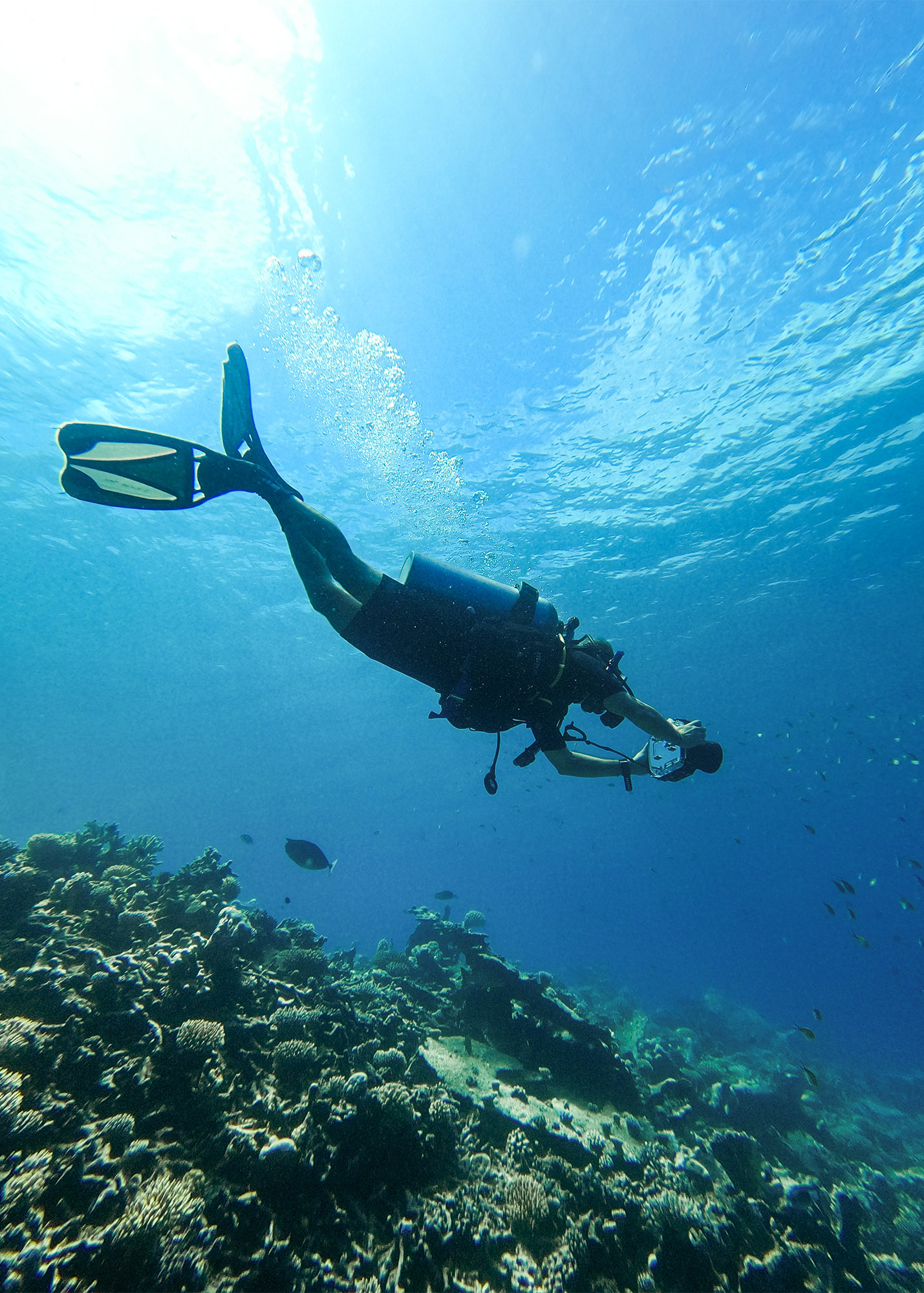
Preparing correctly for this dive is a core part of the experience. Redundancy, illumination, and clear identification are necessary to keep the group synchronized and safe during extended bottom times.
Key equipment and procedures include:
- Primary and backup torches with fully charged batteries
- Identification markers or signal lights for tracking divers
- Thorough equipment checks paired with standard buddy procedures
- Following the guide light signals for communication in low visibility
- Maintaining appropriate buoyancy to avoid disturbing the reef
The goal is to create a controlled, stable environment that allows divers to focus on observation rather than troubleshooting equipment in the dark.
Why Liveaboards Access It Best
Although day boats occasionally reach the region, the timing, distance, and environmental conditions make liveaboards the primary and most consistent way to dive Maaya Thila at night. Boats can anchor near the site, enabling divers to enter the water shortly after dinner while fully briefed, rested, and equipped. This eliminates the long transfer times, unpredictable scheduling, and safety constraints that often limit resort-based operations.
Liveaboards also create a stable rhythm for multiple night dives during a trip, which allows divers to return to the thila more than once and witness variations in behavior depending on moon phase, tides, and seasonal migrations.
- Immediate proximity to the thila for night entries
- Controlled schedules unaffected by resort logistics
- Higher safety oversight due to onboard dive staff
How It Compares in the Maldives
Several regions across the Maldives offer memorable night dives, yet most focus on manta aggregation, plankton movement, or general reef life. Maaya Thila stands apart because it delivers reliably intense predatory behavior. The combination of sharks, trevally, and large rays creates a uniquely concentrated environment that divers rarely encounter at comparable sites.
Its accessibility, structure, and predictability allow it to maintain a global reputation as one of the most compelling night dives available on a liveaboard route.
Maaya Thila has secured its place in liveaboard culture because it compresses the energy of an entire reef into a single, navigable theater where predators hunt with precision, smaller species reveal intricate nocturnal habits, and divers witness an ecosystem operating at full intensity. Its reliability, structure, and biodiversity make it the defining night dive of the Maldives and a core reason divers continue to choose central route liveaboards year after year.