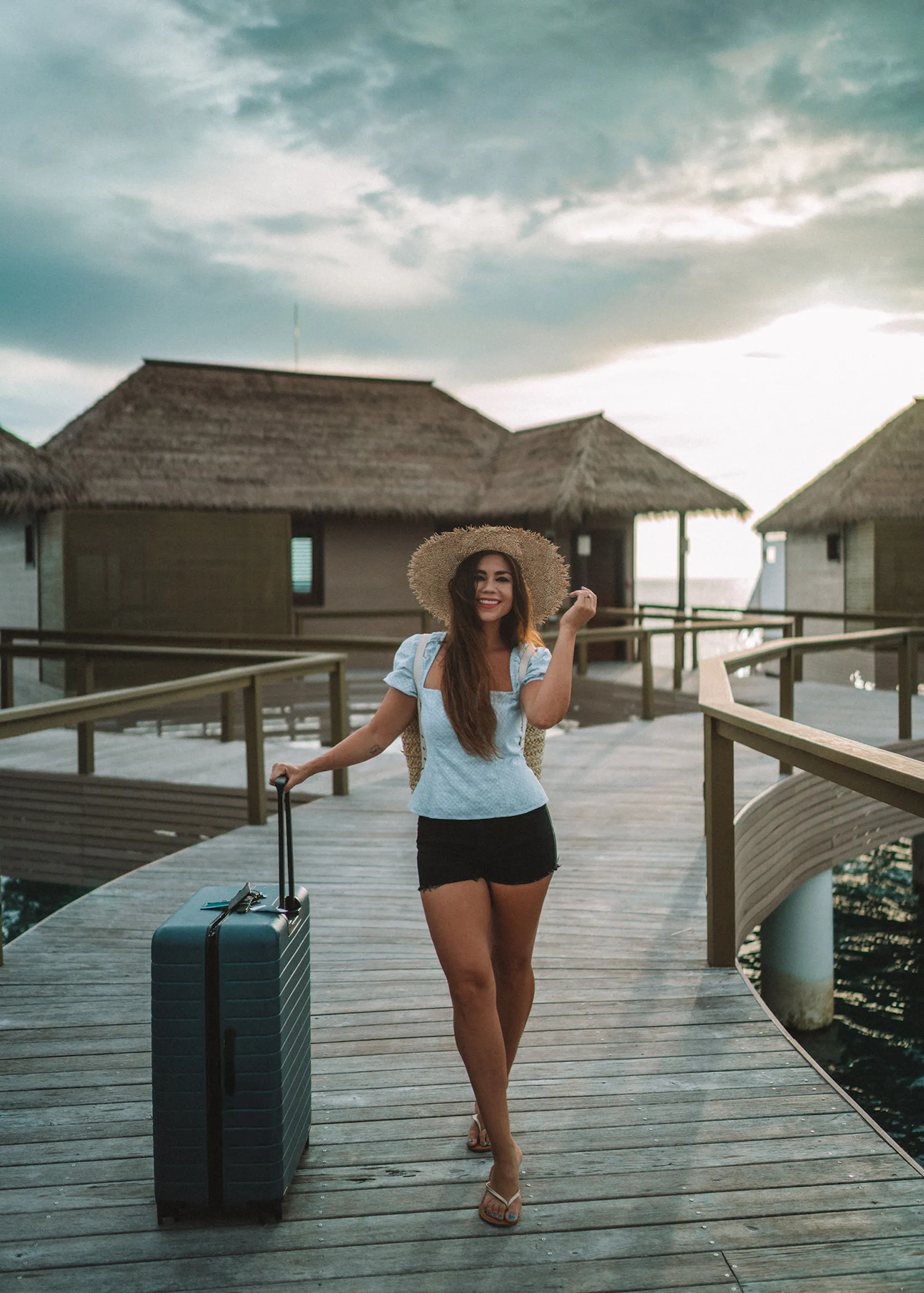
Packing well saves time, money, and stress. With a few simple habits, you can make any bag work harder and keep your outfits ready for whatever the trip brings. Use these tips to streamline your choices and avoid last-minute reshuffles at the airport.
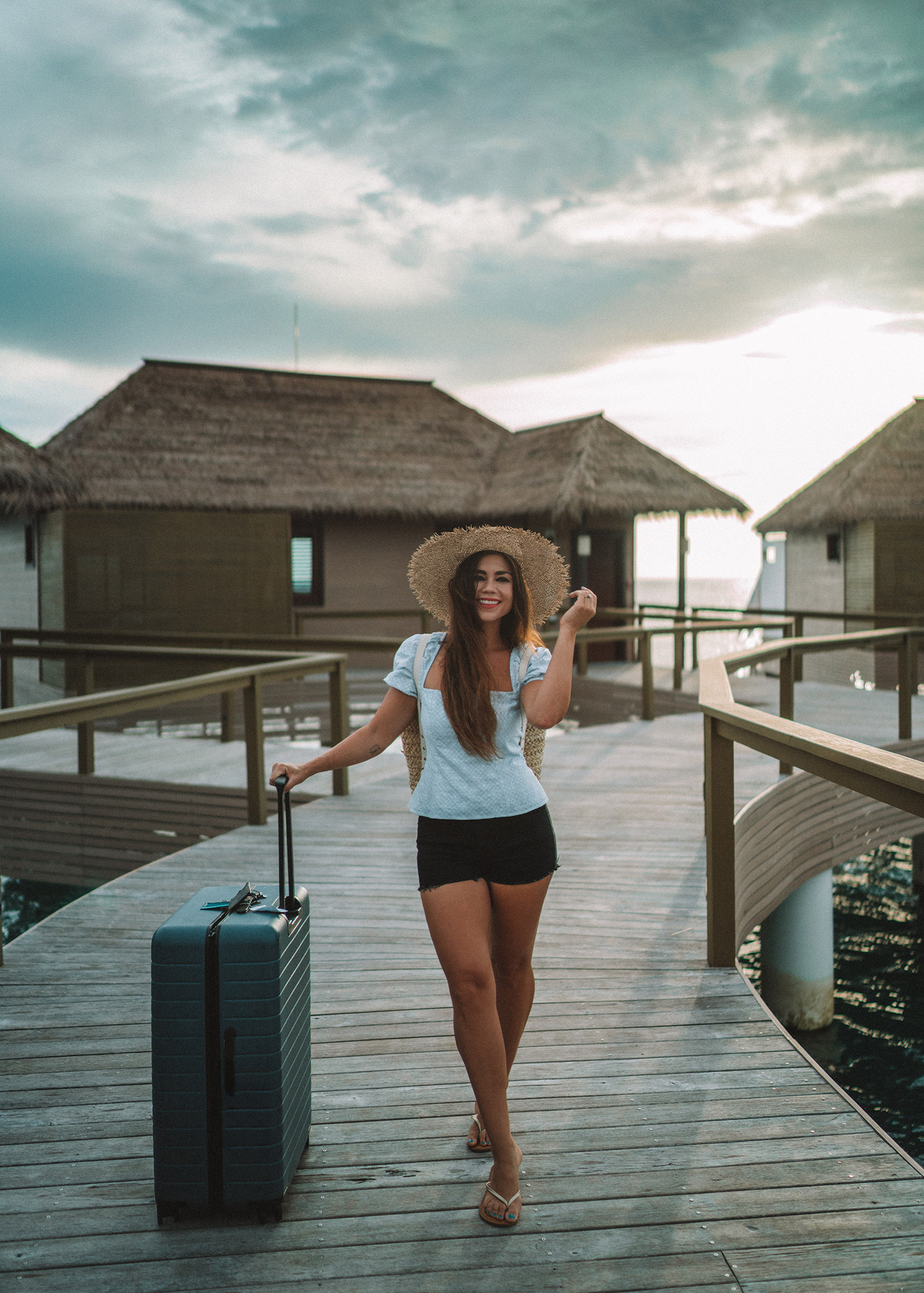
1. Pick the Right Suitcase for the Trip
Start with the bag that fits your itinerary, not your wish list. A carry-on works for most 3 to 5-day trips if you plan outfits and edit extras.
Hard-shell cases protect fragile items; soft-sided bags flex for tight overhead bins. Consider spinner wheels for smooth airport sprints and a built-in expansion zipper for the journey home.
Look at the interior layout before you buy. Split compartments help keep clean and worn items apart, while a single deep cavity works better for bulky layers.
2. Build a Space-smart Packing Plan
Map your days first, then assign outfits so every item earns its seat in the bag. Sketch a simple grid in your notes with columns for tops, bottoms, layers, shoes, and extras, and fill it by day and activity. Use a 3-2-1 formula that mixes and matches easily: 3 tops, 2 bottoms, 1 jacket, all in a tight color palette so everything works together.
Group clothes by activity to avoid duplicates - travel set, work or sightseeing set, evening set - and build each set from the shoes up. If two outfits need the same shoes, that is a win and a cue to cut a pair. Pre-pack socks, underwear, and small accessories inside shoes to reclaim hollow space and keep tiny items from drifting.
Lay heavier pieces flat near the wheel end, then roll soft knits to fill gaps and keep pressure even. Flat-fold shirts you want to keep crisp, stacking collars in opposite directions to reduce bulk. Put a lightweight layer or tissue between delicate pieces so friction does not set wrinkles while the bag is upright.
3. Suitcase Choice Matters More than You Think
A structured shell keeps items compressed, which stops shifting and wrinkles. Soft bags handle odd corners and last-minute additions. If you like a simple interior with compression straps, mid-size hard cases keep everything flat - and TOSCA suitcases offer roomy shells with smooth spinners that glide through terminals with ease - while soft-sided options shine when you need external pockets for tickets or a light jacket.
Whichever style you prefer, look for reinforced corners, smooth zips, and handles that feel solid in your hand.
4. Master Core Folding Methods
Use the right fold for the right item. Rolling works for tees and knits because it prevents sharp creases.
Flat-fold dress shirts with a light tissue layer to preserve collars. For trousers, fold them along the crease and place them along the suitcase perimeter to frame the rest.
Bundle bulky layers around softer pieces to create a firm core. This fills dead space and adds protection to fragile items.
Quick fold menu:
- Roll: tees, gym gear, pajamas
- Flat fold: shirts, trousers, skirts
- Bundle: sweaters, hoodies, light jackets
5. Pack Shoes and Outerwear without Wasting Space
Limit yourself to 2 pairs in the suitcase plus the pair you wear, and choose the bulkiest or heaviest shoes for travel days to free up space in your bag. Put each pair in a thin dust bag or shower cap to keep clothes clean, then place them heel to toe along the wheel side so the case stays balanced and upright. Use the hollow space inside shoes for socks, belts, or a compact charger, and slip flat sandals or flip-flops into the lid pocket to avoid dead zones.
For boots, fold thin items like leggings or tees and stack them inside the shafts to keep their shape while saving room. Outerwear is best handled on your body whenever possible - wear the thick jacket or chunky knit on the plane and use its pockets as extra storage. If you must pack a coat, roll it loosely, secure it with a strap, and lay it on top as a final layer so it does not get crushed. Consider a packable down jacket or a thin rain shell you can layer, which gives warmth without bulk and compresses into a corner of the case.
6. Keep Liquids, Tech, and Small Items Under Control
Put liquids and gels in travel bottles and keep them in a quart-size bag near the top of your carry-on. That speeds up security and protects your clothes from leaks.
Coil cables and stash them in a slim pouch so they do not tangle with clothing. Use a second pouch for adapters, memory cards, and earbuds.
Create a mini laundry kit: a few dryer sheets, 2 plastic bags for shoes or wet items, and a tiny stain stick. These weigh almost nothing and solve common headaches.
- Tech pouch: phone cable, laptop charger, adapter, USB-C hub
- Clean kit: stain stick, wipes, travel detergent sheet
- Quiet comforts: earplugs, sleep mask, collapsible water bottle
7. Weigh and Balance To Avoid Fees
Heavy items go near the wheels for stability, then build upward with medium-weight layers, and top it off with the lightest pieces. Balance left and right so the case stands upright without tipping, and use packing cubes like movable weights to fine-tune the load. Weigh as you go with a handheld luggage scale, not just at the end, so small swaps keep you under the limit.
Airlines set strict thresholds, and recent reporting noted many domestic carriers charge about $35 for the first checked bag and $45 for the second, so shaving even a pound at home can save real money. If the number creeps up, shift dense accessories to your personal item or wear your heaviest shoes and jacket on the plane. Keep essentials like medications, chargers, and travel documents in your personal item so that weight adjustments never risk something important.
Remember that some airlines also weigh carry-ons - aim for a bag you can lift into the overhead without strain. Do a final tilt test before you head out: stand the suitcase up, roll it a few meters, and listen for rattles. If it wobbles or pulls to one side, redistribute until the bag tracks straight and feels solid.
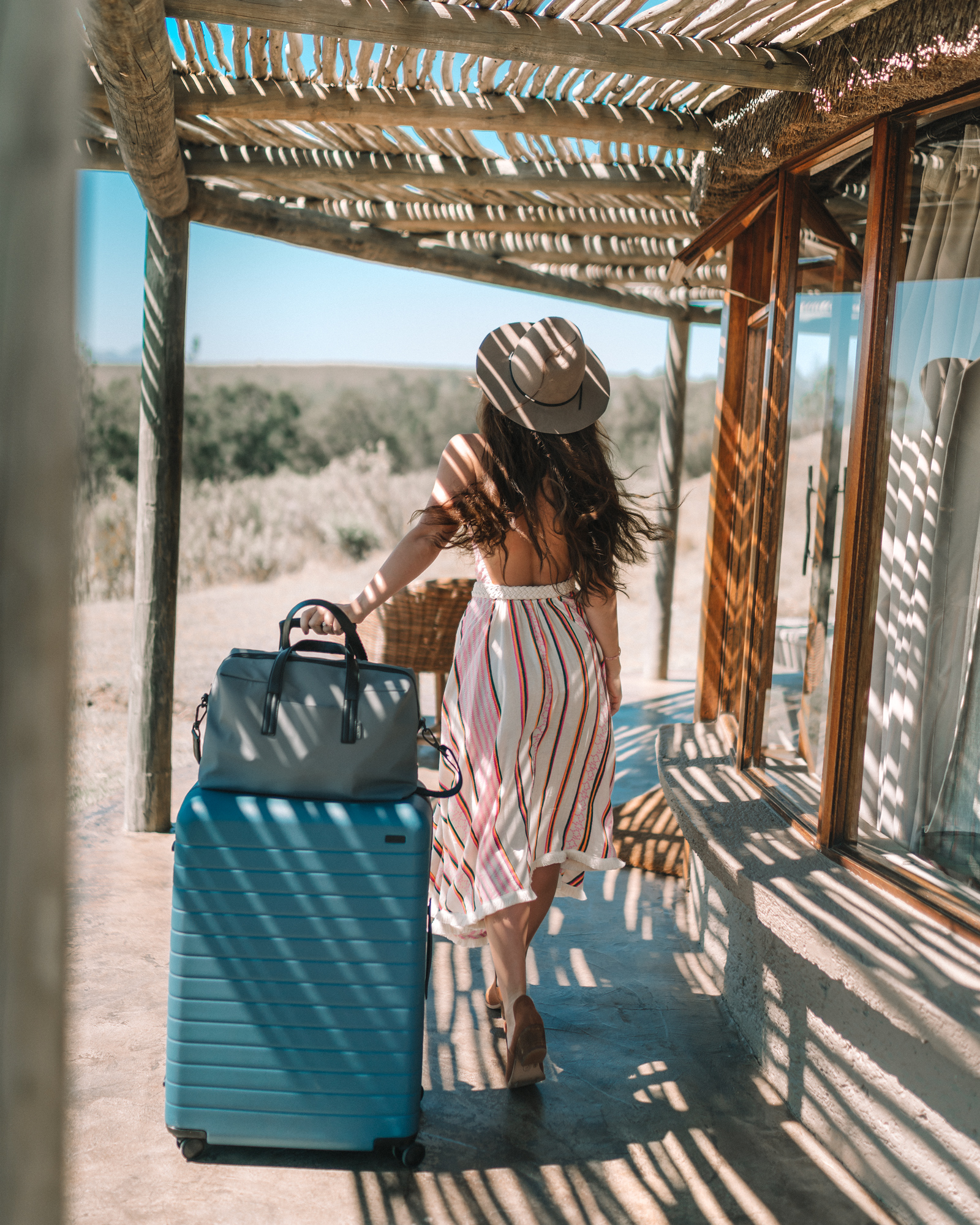
Good packing is a simple routine you repeat every trip. Start with the right suitcase, plan your outfits, and give every item a clear spot in your bag. With a few habits and a light touch, you will fly lean and land ready.