

dd
Choosing a cruise itinerary becomes much easier once you understand which regions deliver the most consistent, wide-angle beauty from the water, because certain coastlines reveal their character most vividly when viewed from a ship’s changing vantage point. Photographers gain access to angles that are impossible to achieve on land, and those moving perspectives transform routine sea days into continuous opportunities to document light, terrain, architecture, and atmosphere. This guide focuses on the routes that consistently produce compelling images and the practical details that shape when and why each one performs so well on camera.
Norwegian Fjords - Deep Fjord Light and High-Contrast Landscapes
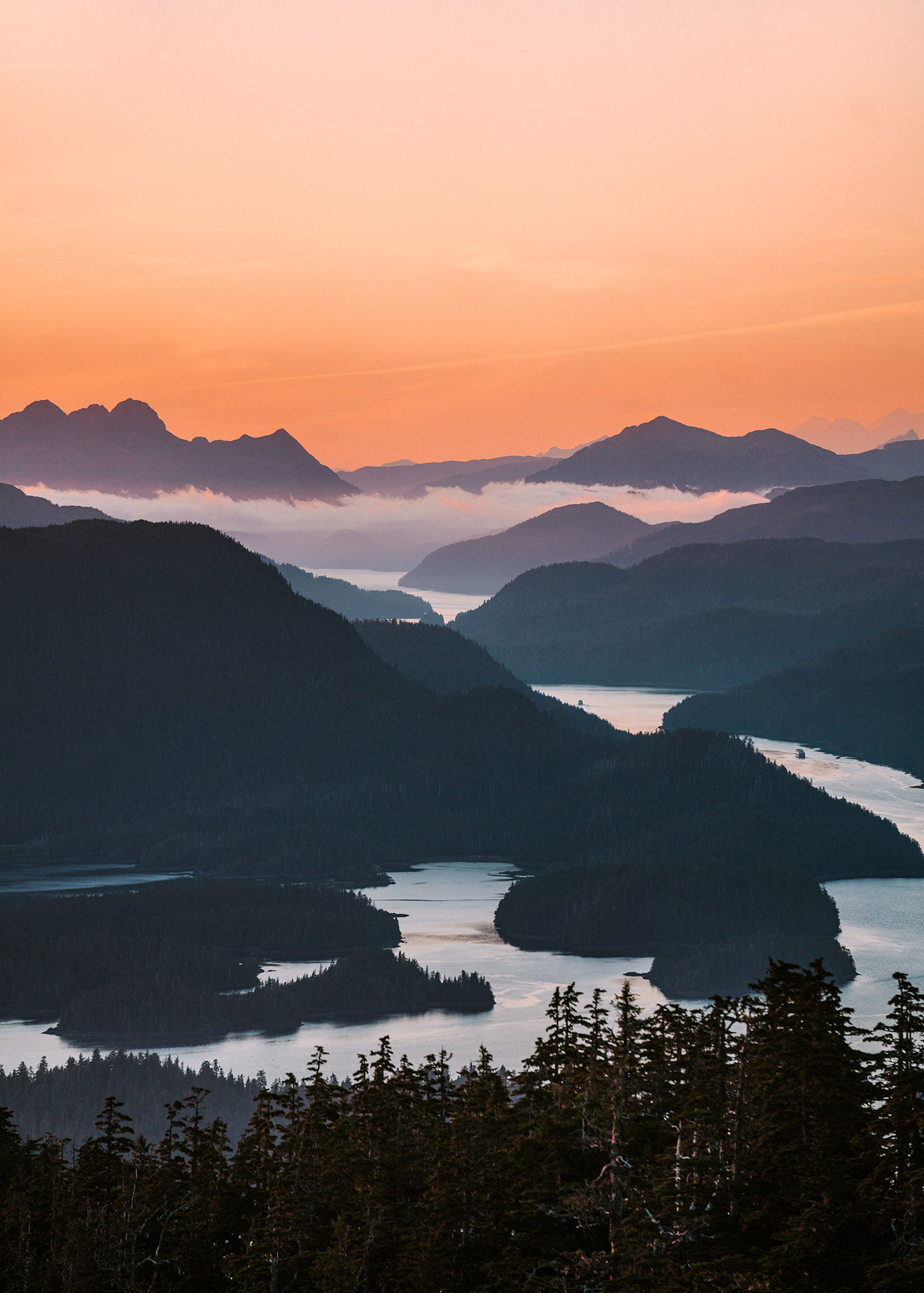
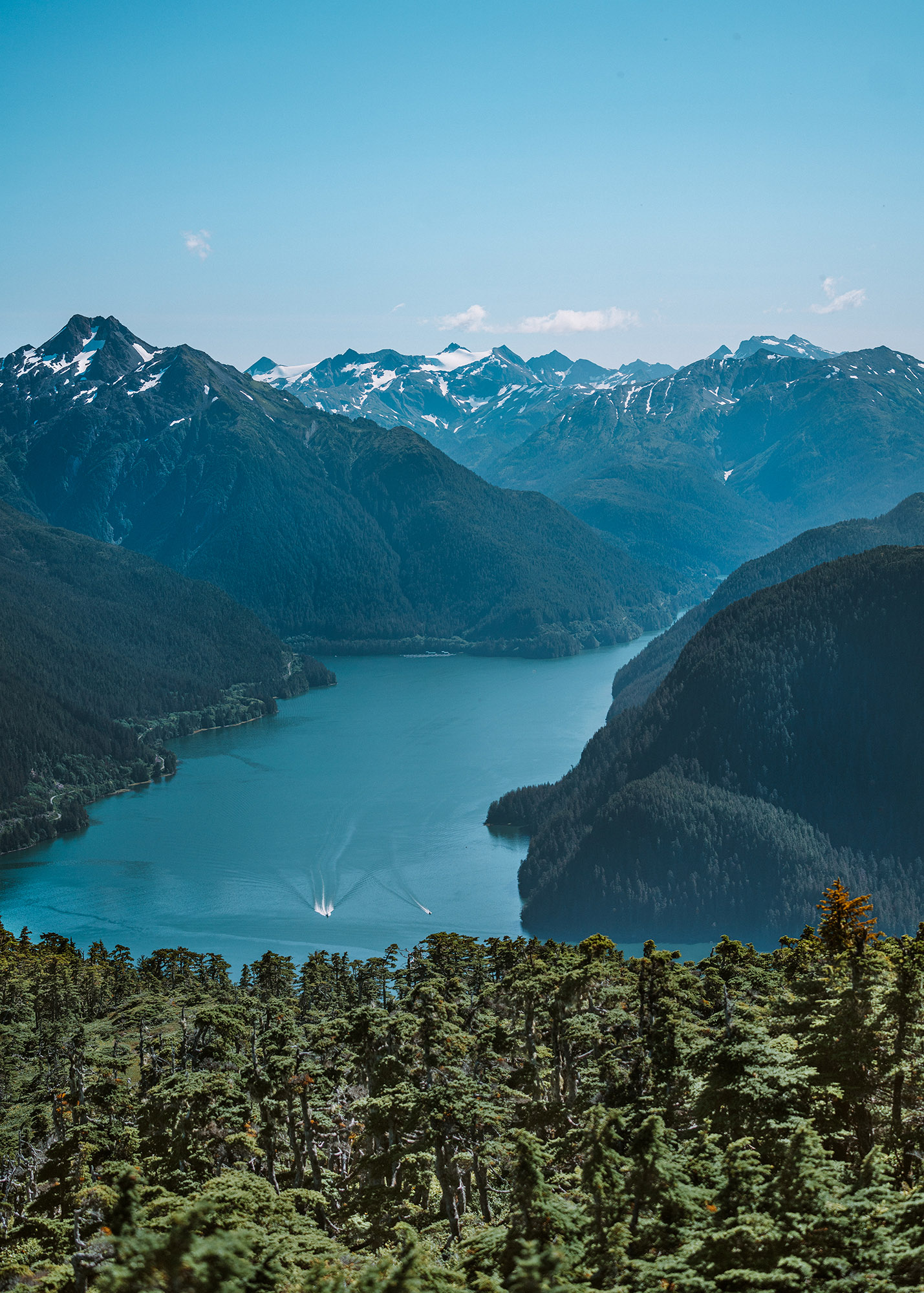
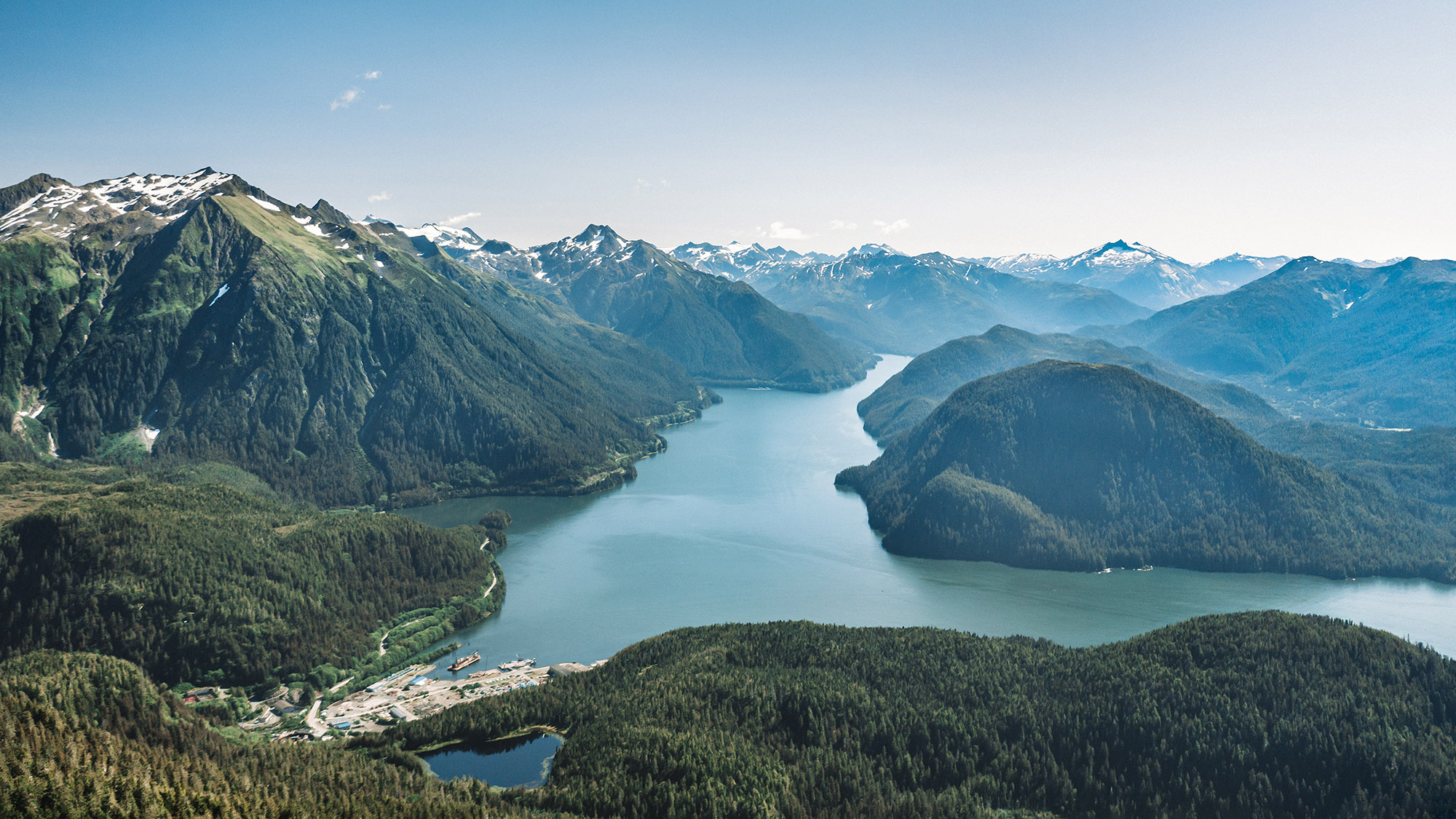
Norway’s fjords present a rare combination of vertical relief, reflective water, and dramatic meteorological shifts that create intricate layers of light. Ships navigate narrow passages that place you in direct alignment with cliffs, waterfalls, and cloud formations, which means you capture scenes that would otherwise require remote hiking or helicopter access.
- Towering granite walls rise directly from the water, creating natural contrast that reads beautifully on camera
- Summer’s long twilight produces extended golden tones
- Iconic highlights include Geirangerfjord, Trollfjord, and traditional red-painted fishing villages
- Peak clarity comes on cooler days when residual mist softens edges without obscuring detail
This region rewards anyone searching for cinematic depth rather than simple postcard colour.
Greek Islands - White Architectural Geometry and Clear Aegean Waters
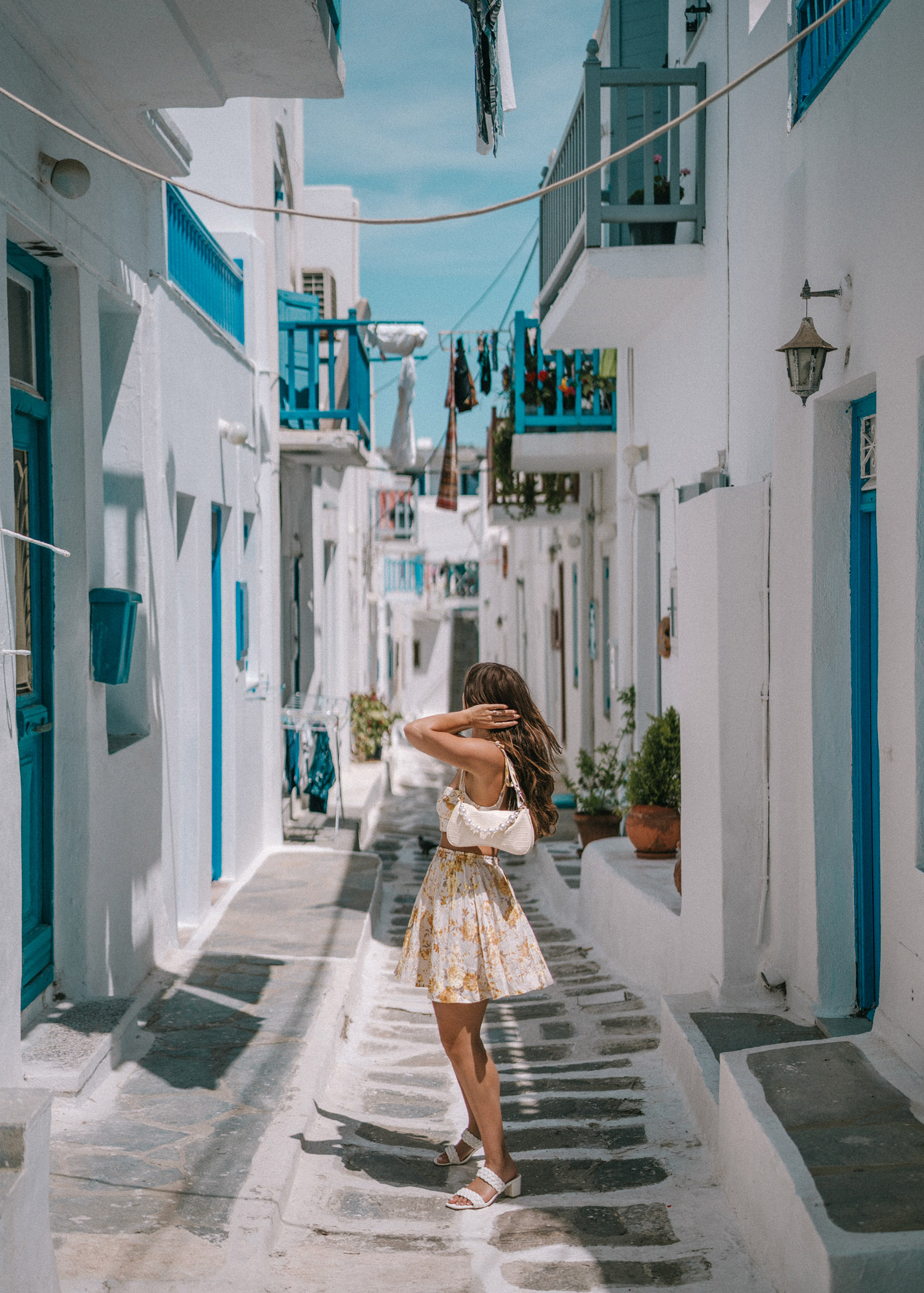
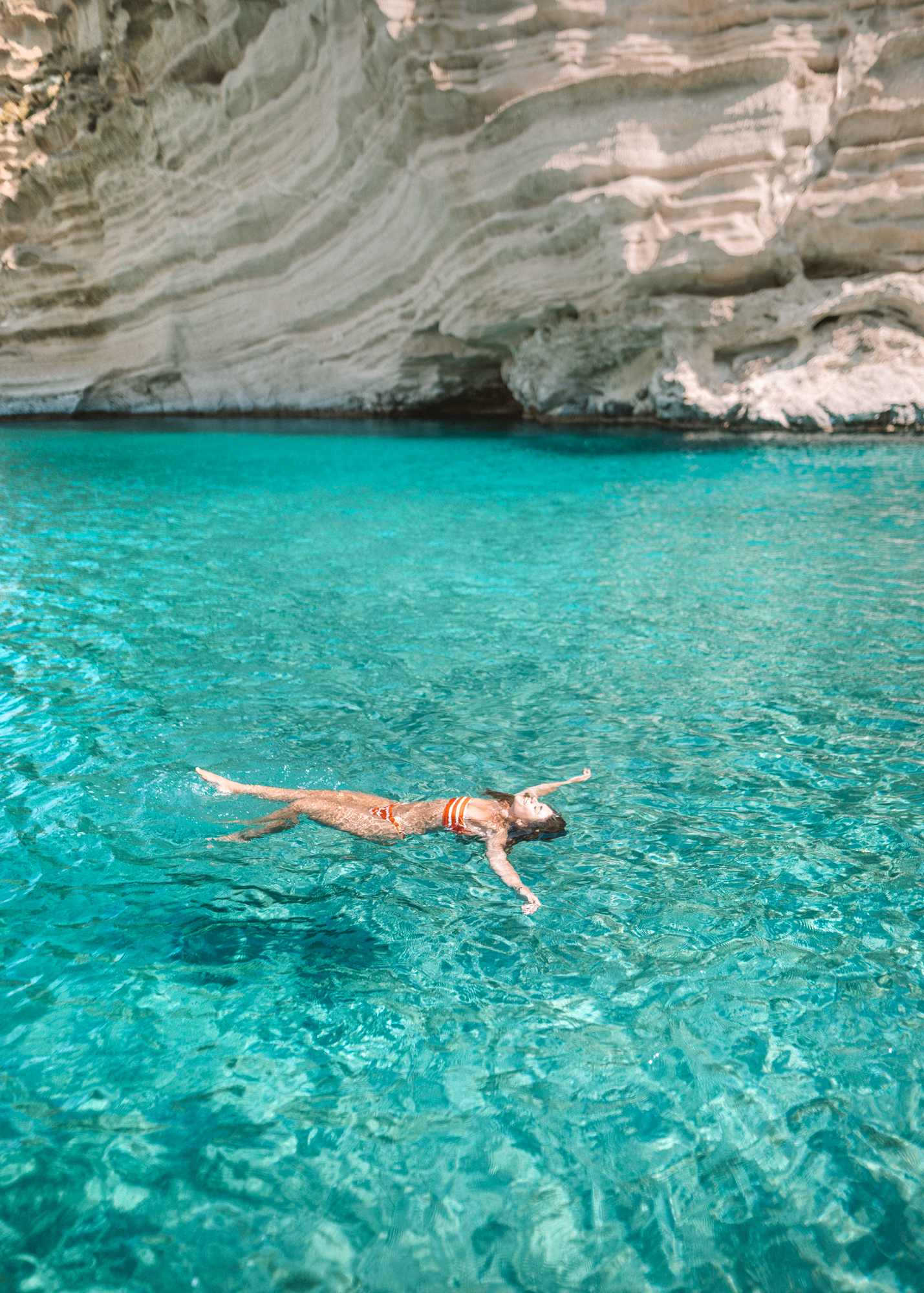
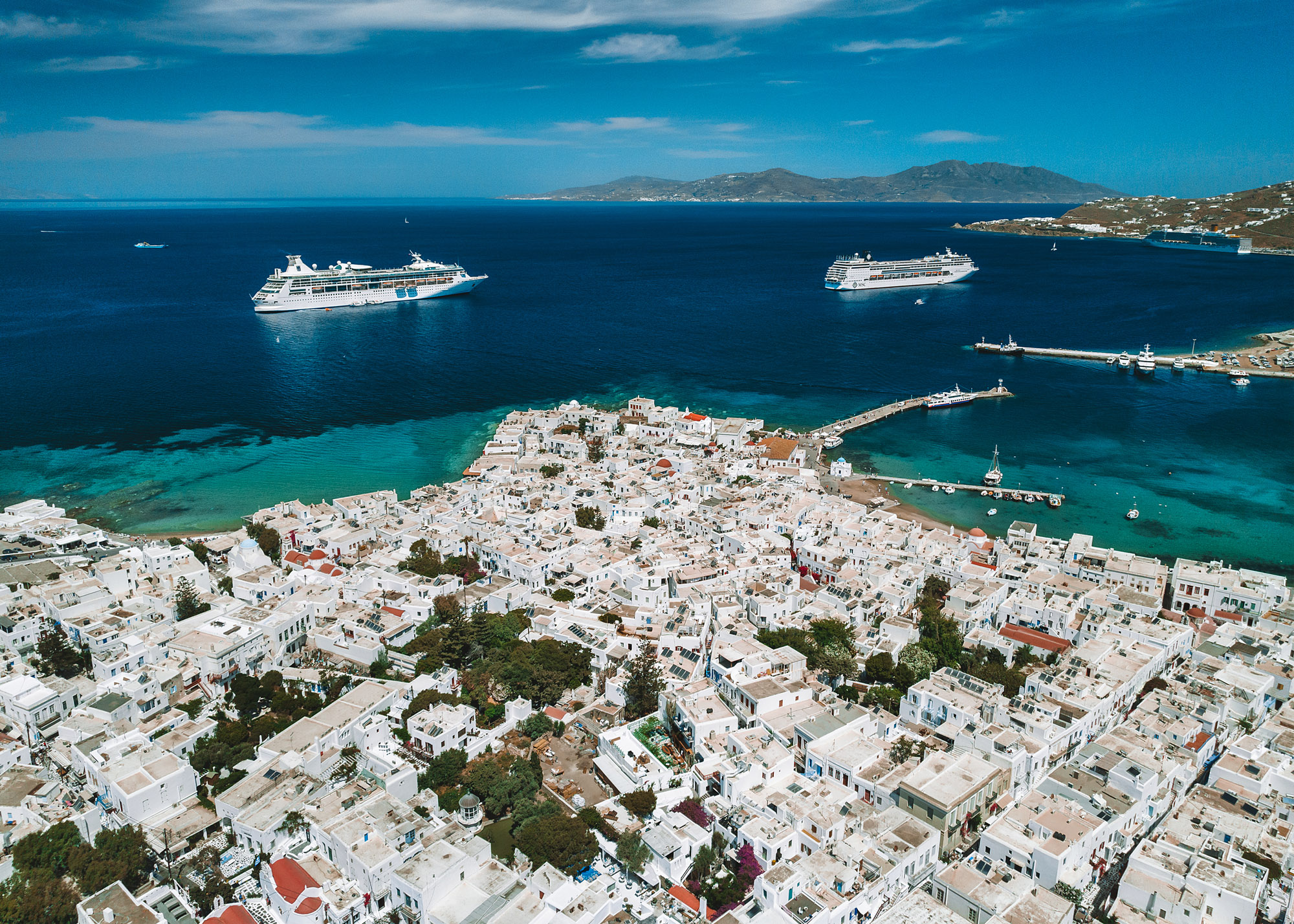
The Greek archipelago continues to attract photographers because the visual architecture of whitewashed villages, cobalt roofs, and volcanic cliffs pairs naturally with Aegean light, which is crisp, bright, and exceptionally clean. Cruising between islands provides a stable platform for shooting coastlines whose layered elevations and angular rooftops appear far more structured from the water than from within the narrow interior lanes.
- Santorini’s caldera is best photographed during late-day approaches when the sun drops behind the ridge
- Mykonos delivers strong sunrise directionality, highlighting its windmills and harbour curve
- Chania and Symi offer pastel harbours that benefit from cross-light reflecting off the sea
- Smaller islands reveal traditional architecture that feels untouched by contemporary design
These elements combine to create an environment where exposure control becomes easier and compositions naturally fall into place.
Caribbean Islands - Saturated Water Clarity and Tropical Surface Color
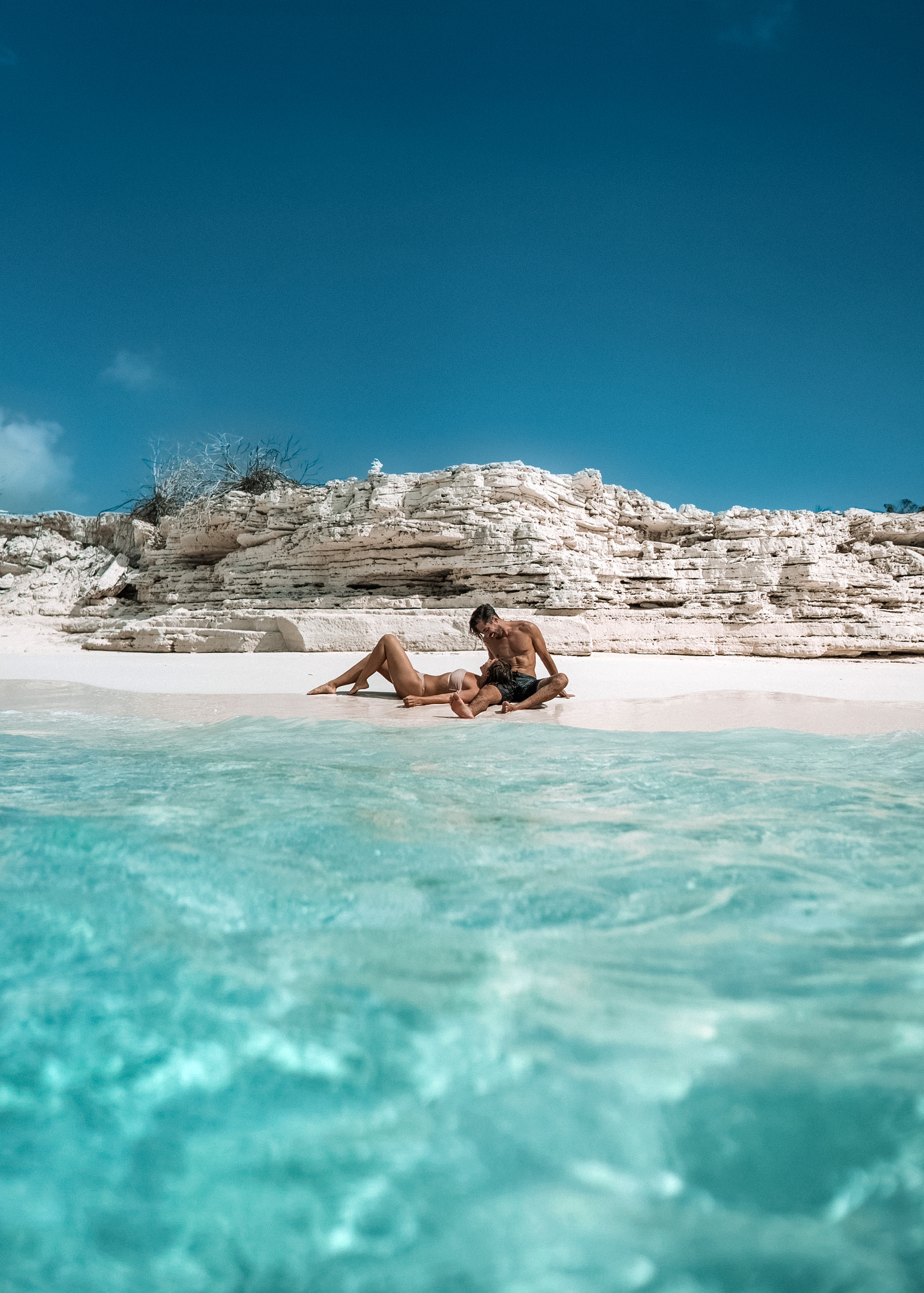
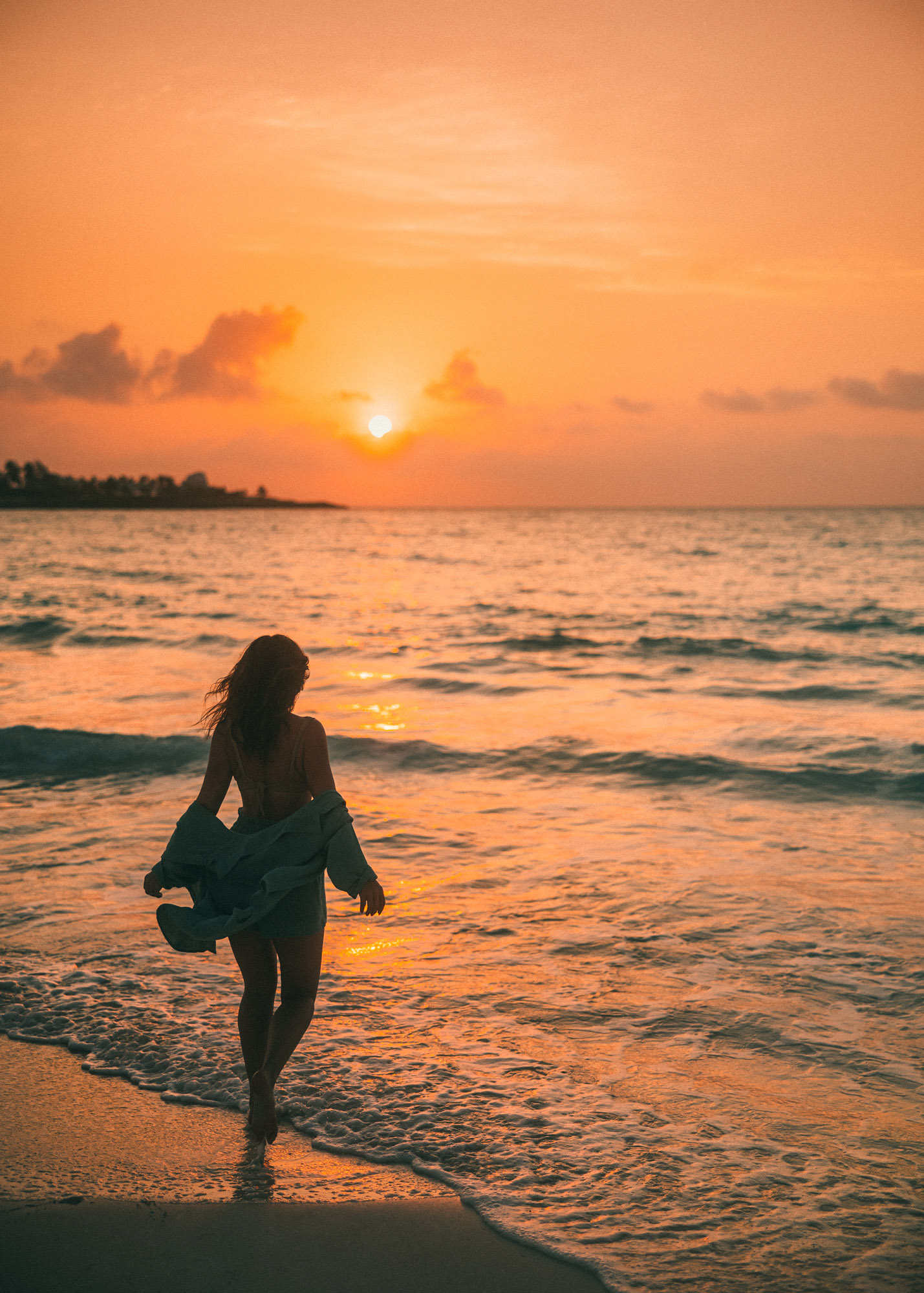
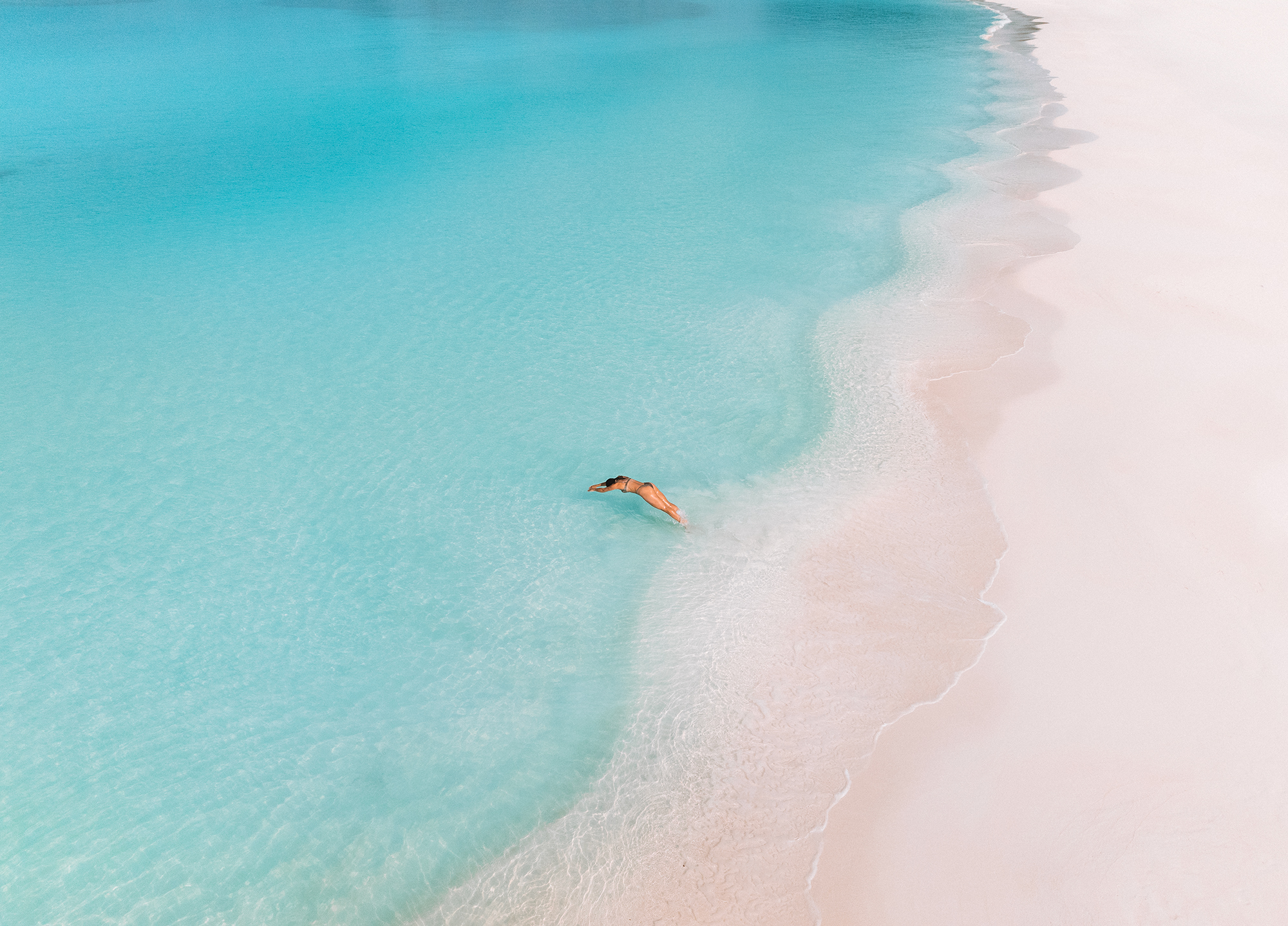
The Caribbean offers one of the world’s most consistent palettes for bright, high-saturation photography. Its shallow waters allow sunlight to penetrate fully, creating turquoise gradients that shift with depth and angle. Cruising between islands provides a smooth transition between visual styles, from colonial streets to volcanic silhouettes.
- Cuba’s vintage architecture, bold tones, and coastal fortifications
- Barbados and Curaçao, with their sharply defined waterfront hues
- St Lucia’s twin Pitons, which are easiest to photograph from offshore
- Reef-lined coastlines that appear brighter from the water than from land-based viewpoints
Across these routes, light remains strong throughout the year, which makes timing less restrictive and conditions more predictable.
Alaska - Large-Scale Terrain and Atmospheric Variability
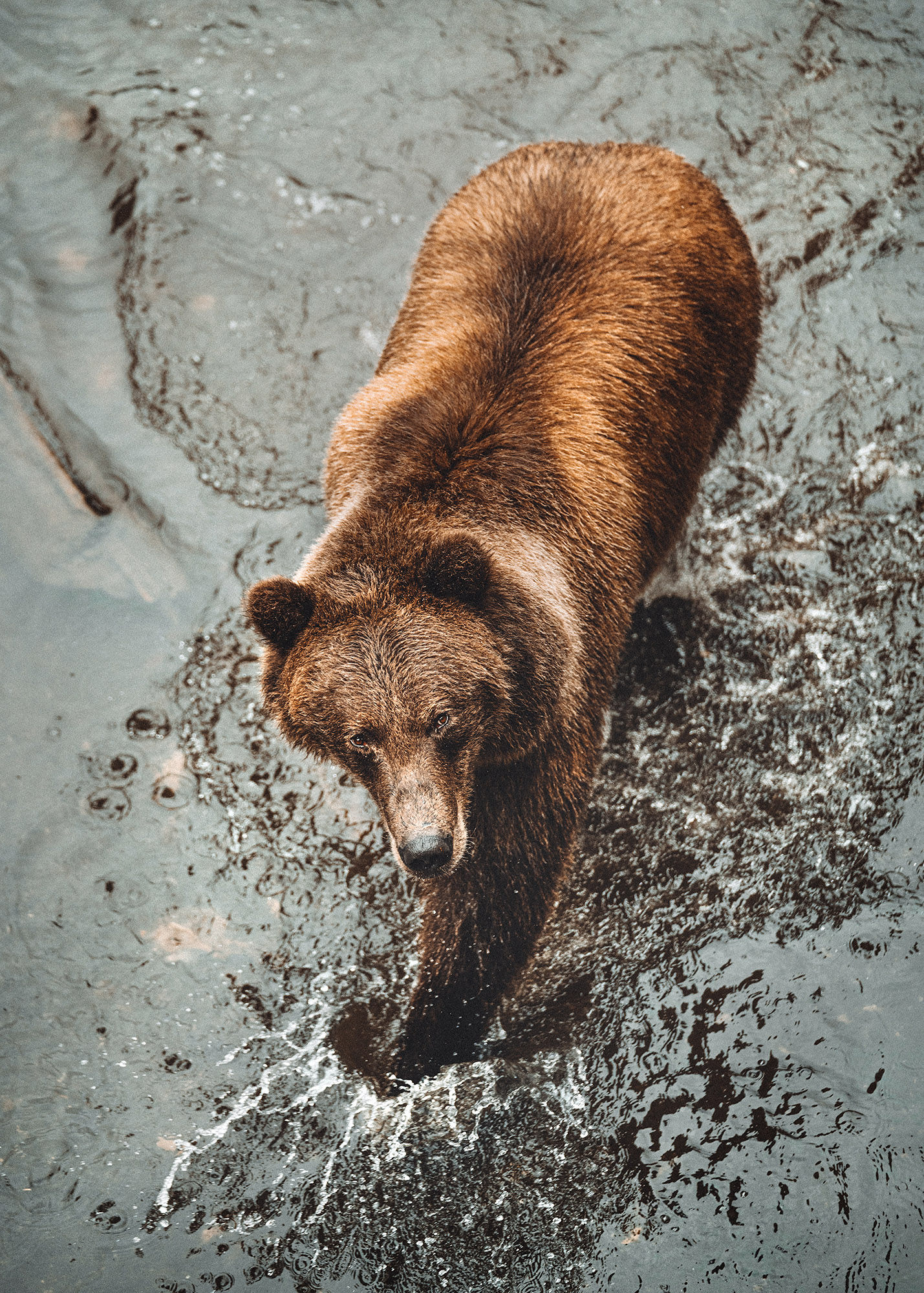
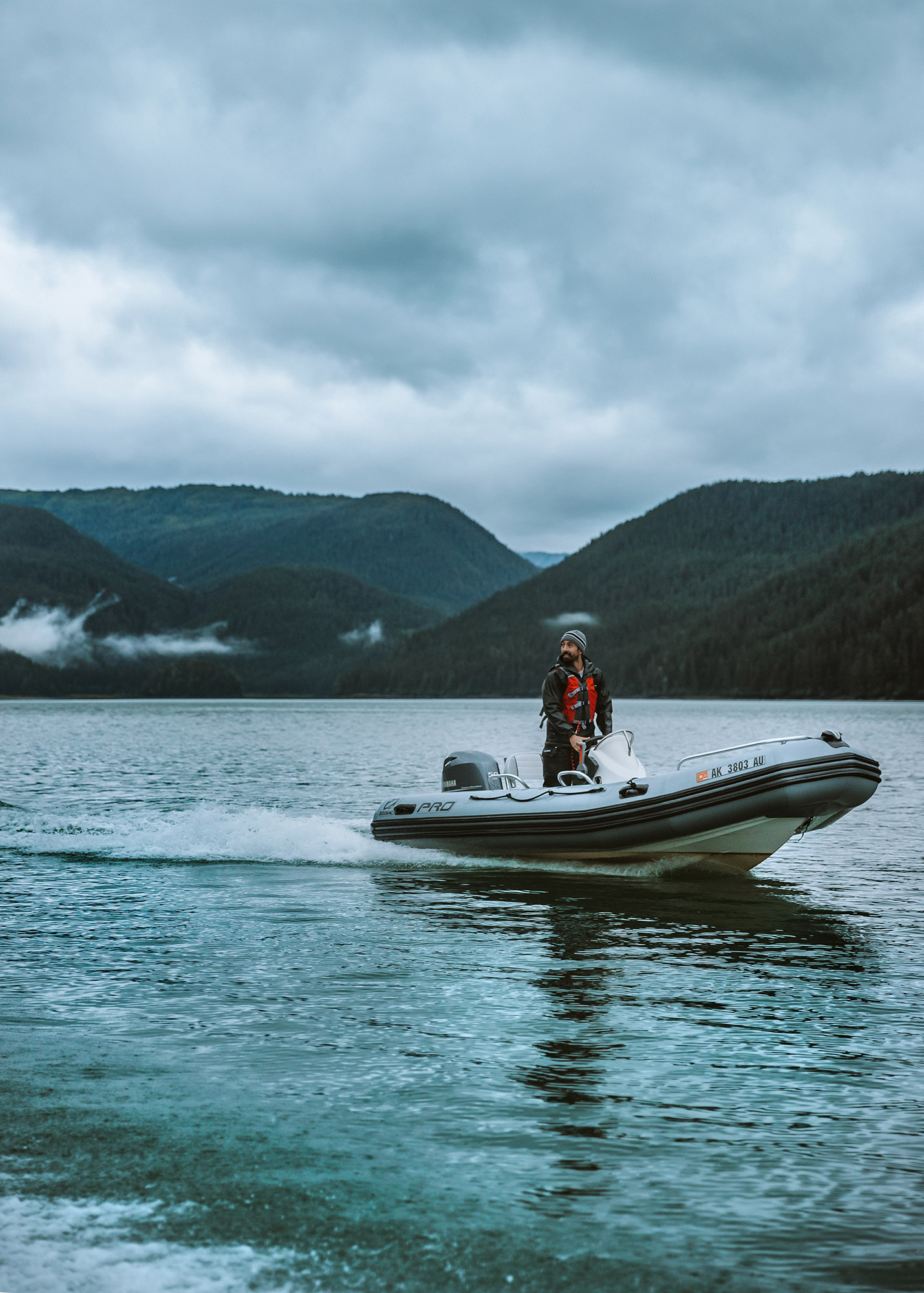
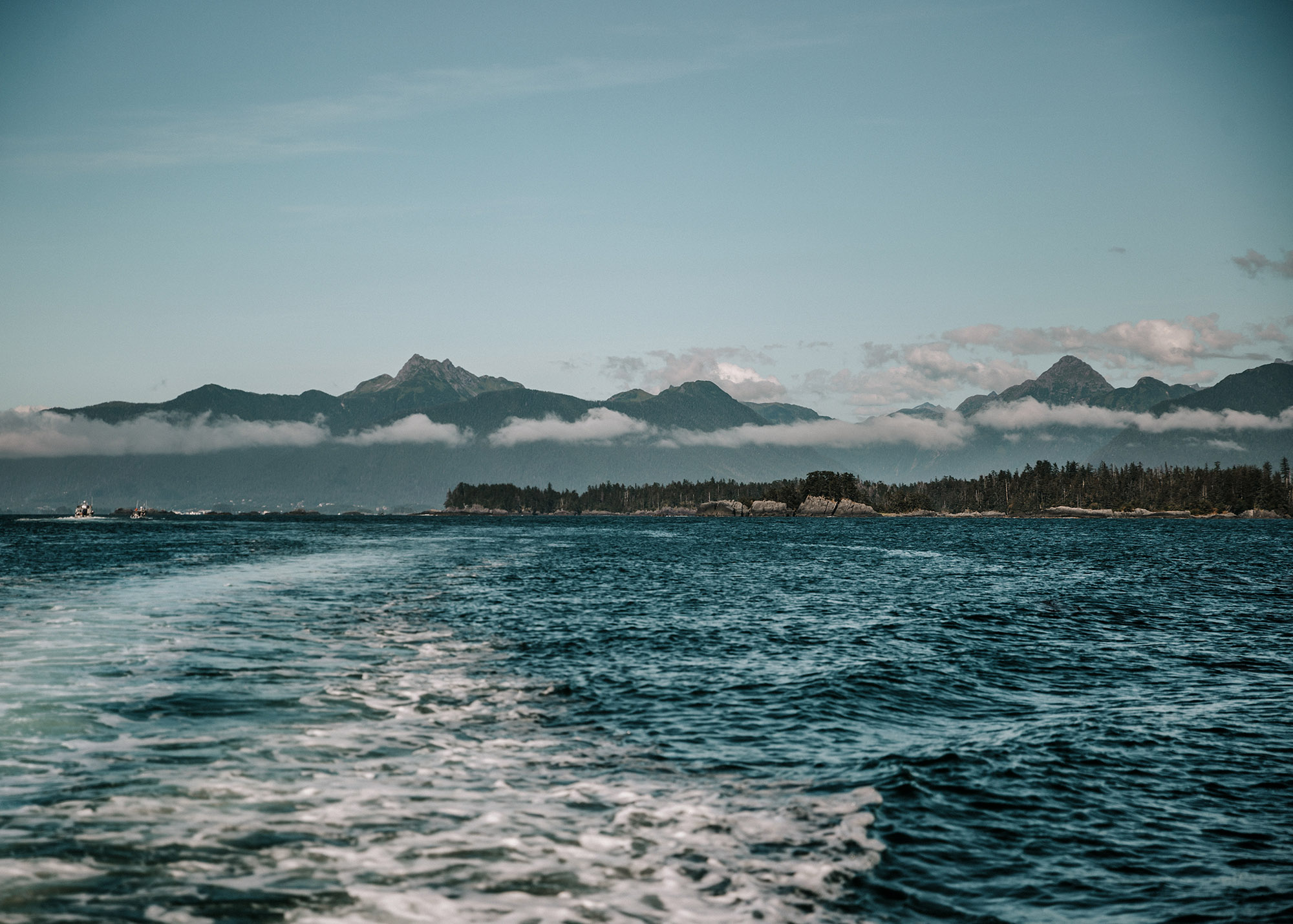
Alaska’s landscapes perform exceptionally well for photographers who work with texture, scale, and atmospheric contrast. Glacial formations, deep fjords, and broad valleys shift constantly as the ship moves, producing large compositions that would otherwise require airborne access.
- Glacier Bay’s ice fields and vertical faces
- Wildlife activity around protected coves
- Long sunset windows that stretch color through the clouds
- Mist layers that form around ridge lines and create natural diffusion
These conditions produce images that feel expansive and elemental, with a focus on depth rather than color alone.
South Pacific Islands - Lagoon Color Variations and Volcanic Geometry
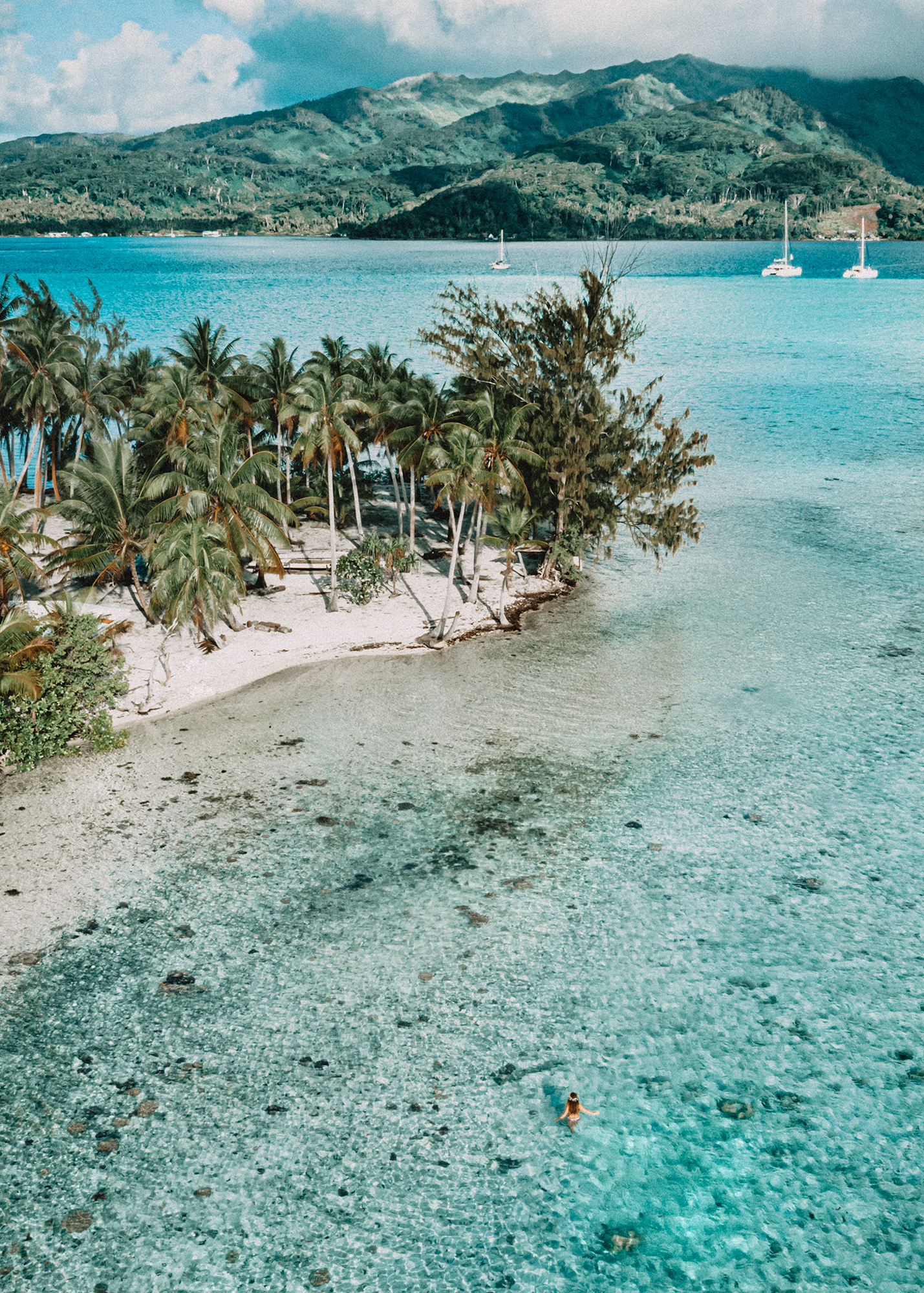
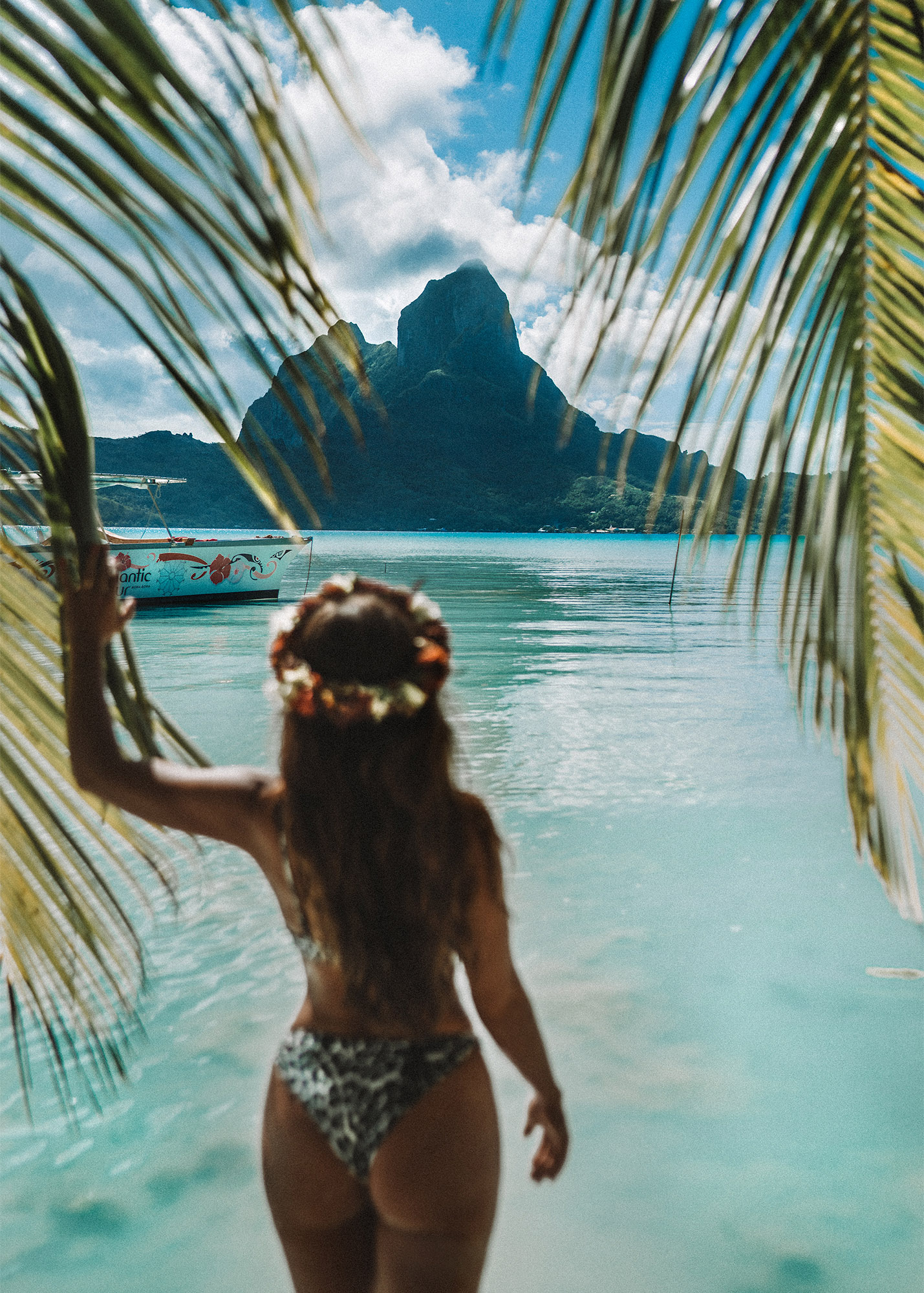
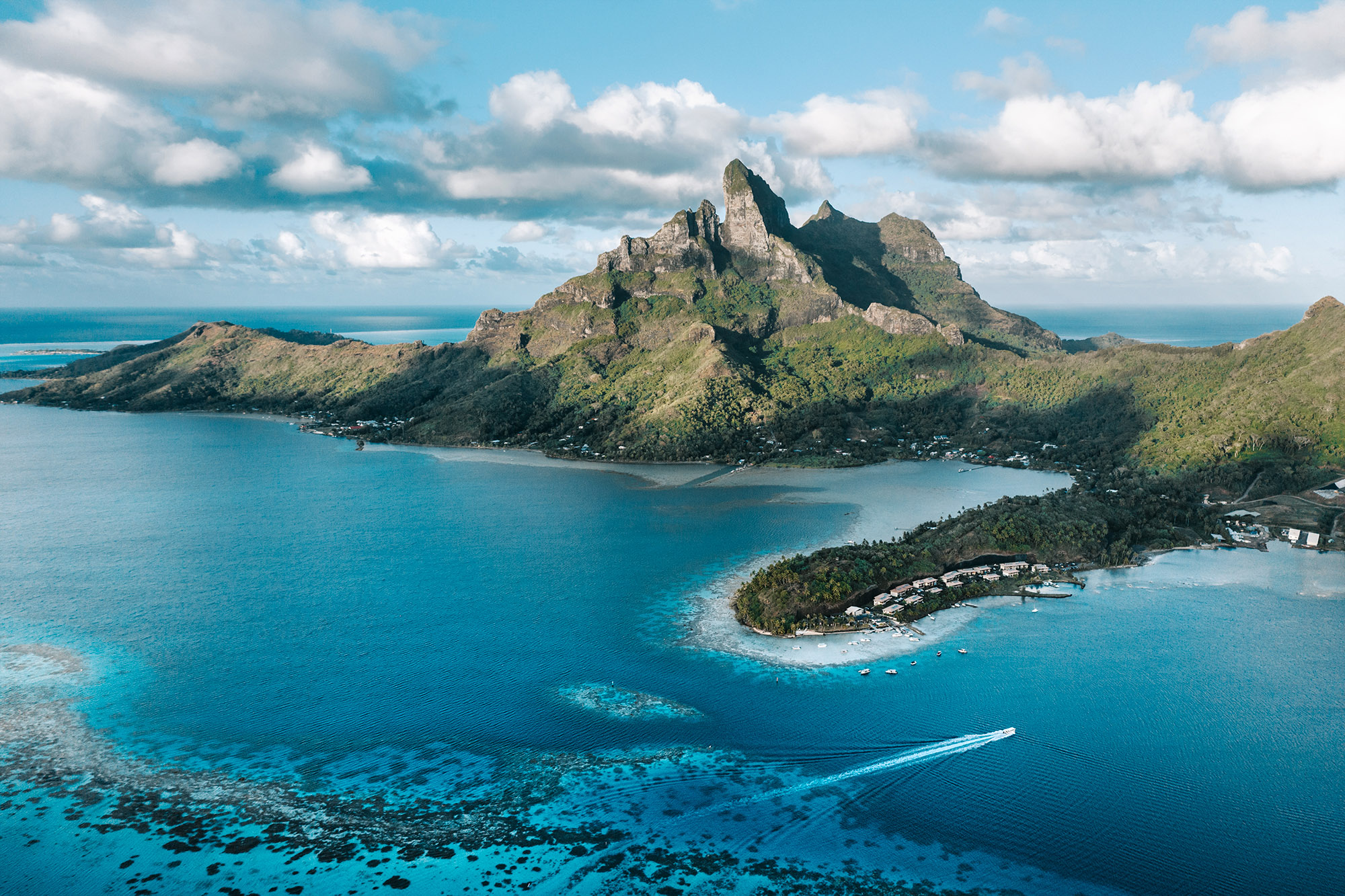
Cruising through the South Pacific allows you to document islands whose visibility, lagoon color, and volcanic geometry offer some of the clearest and most photogenic water environments on Earth. Offshore positioning helps you capture the sweeping arc of each island and the way reefs shape the colour of the surrounding shallows.
- Bora Bora’s lagoon gradients and its central mountain peak
- Moorea’s sharp volcanic ridges and deep-green interiors
- Fiji’s palm-lined bays and clear snorkelling waters
- Samoa’s lava cliffs and dramatic ocean blowholes
This region rewards those who prioritise warm tones, underwater clarity, and sculptural coastlines.
Dalmatian Coast - Coastal Fortifications and Transparent Adriatic Water
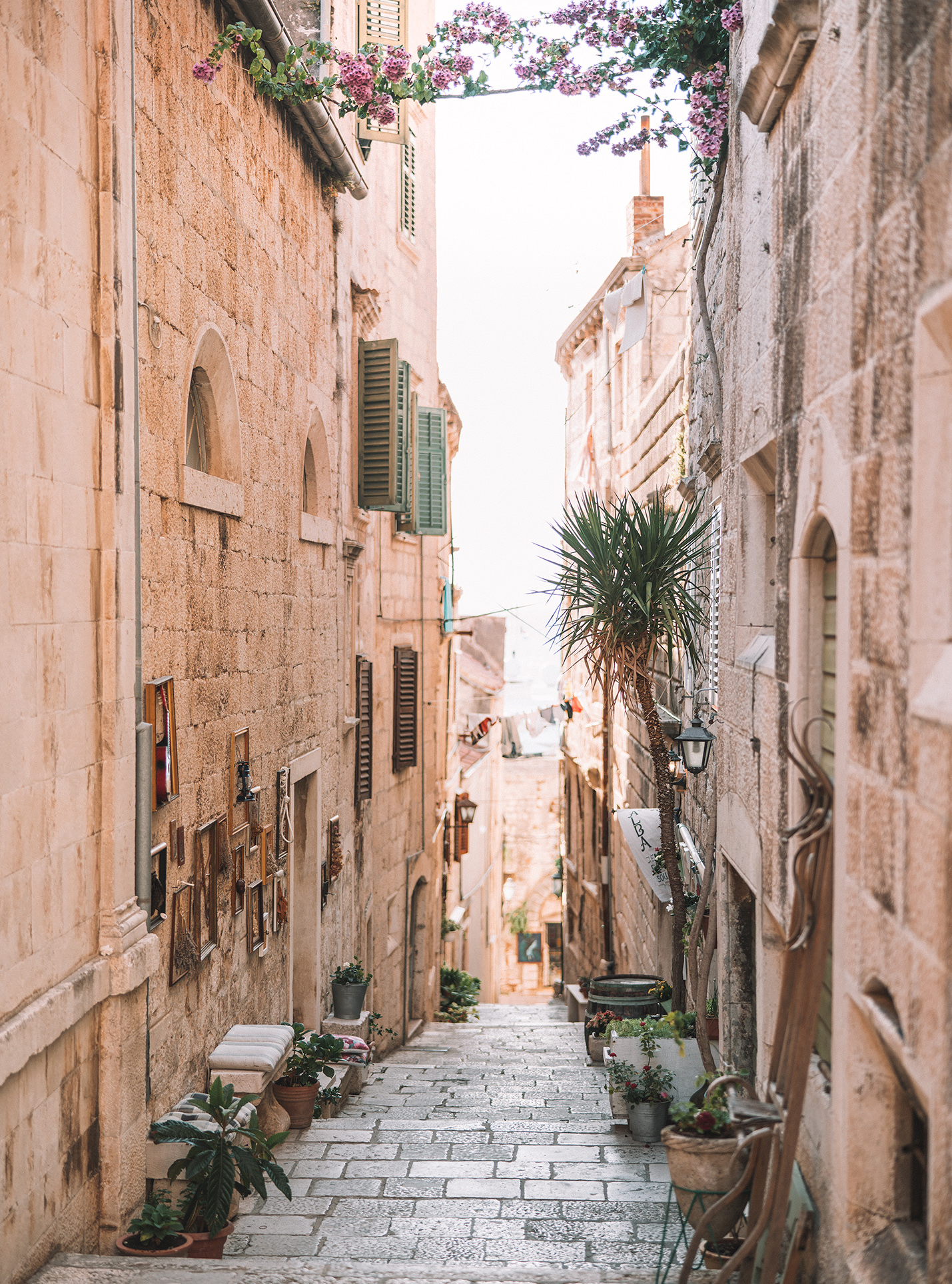
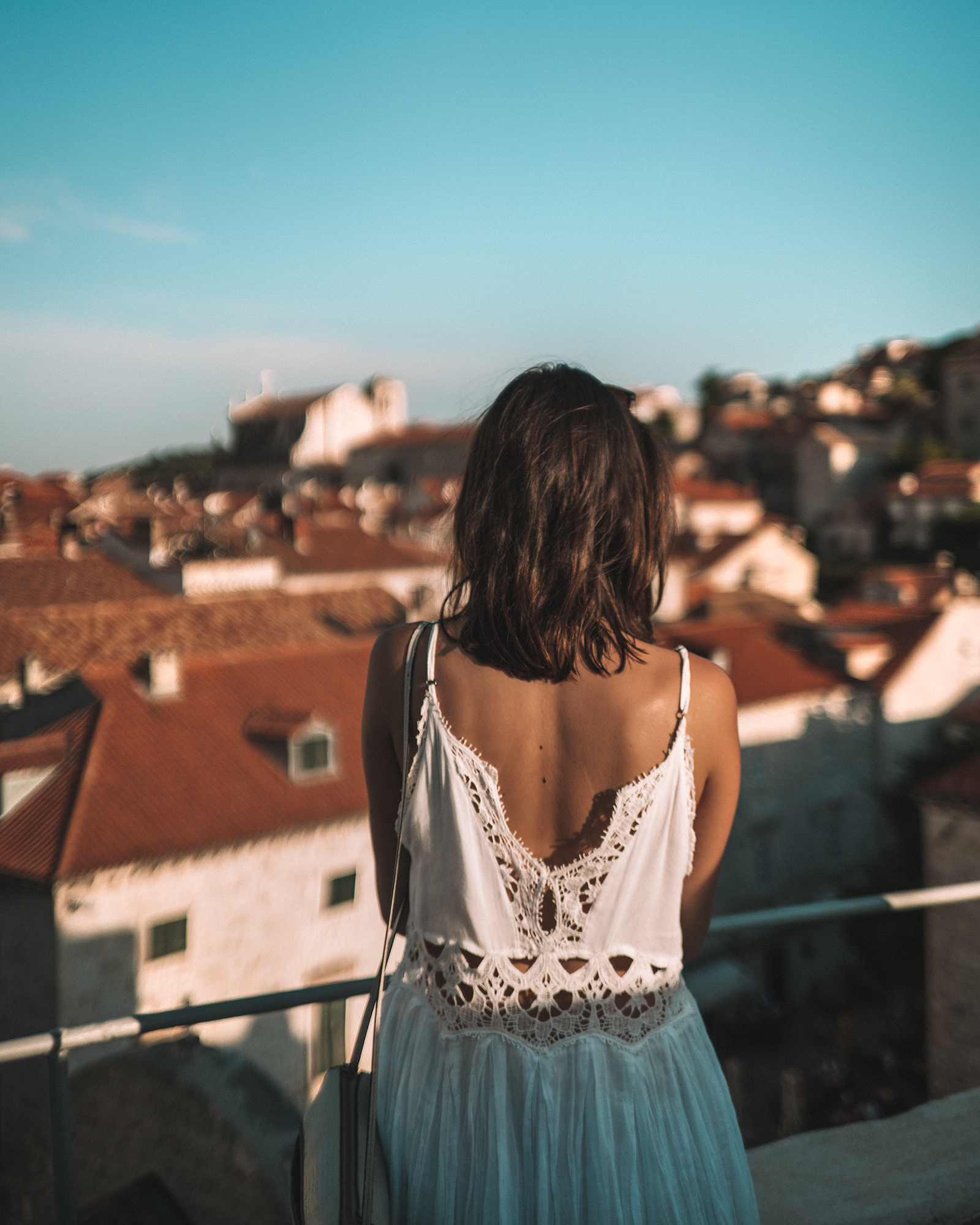
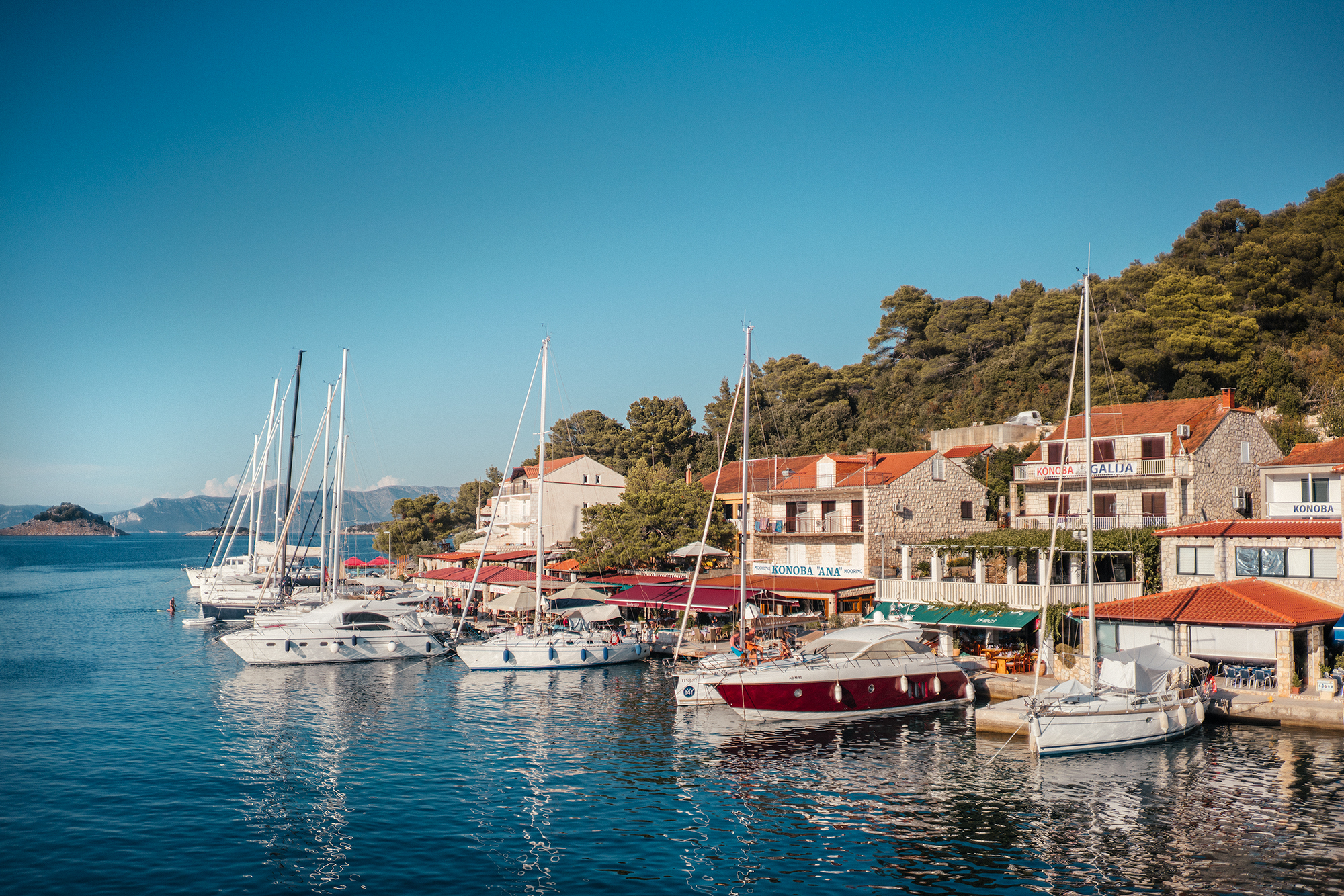
Croatia’s Dalmatian Coast blends medieval architecture with exceptionally clear water, allowing photographers to frame historic walls, fortified harbours, and limestone cliffs in a single composition. Cruising here also provides advantageous viewing angles of cities that historically developed around the waterfront.
- Dubrovnik’s stone ramparts and harbour curve
- Split’s blend of ancient and modern districts
- Hvar’s terraced hillsides and yacht-lined marina
- Kotor Bay’s dramatic mountain enclosure
The Adriatic’s clarity enhances reflective images, especially during calm weather and late afternoon light.
Japan and Southeast Asia - Contrasting Urban Geometry and Lush Natural Features
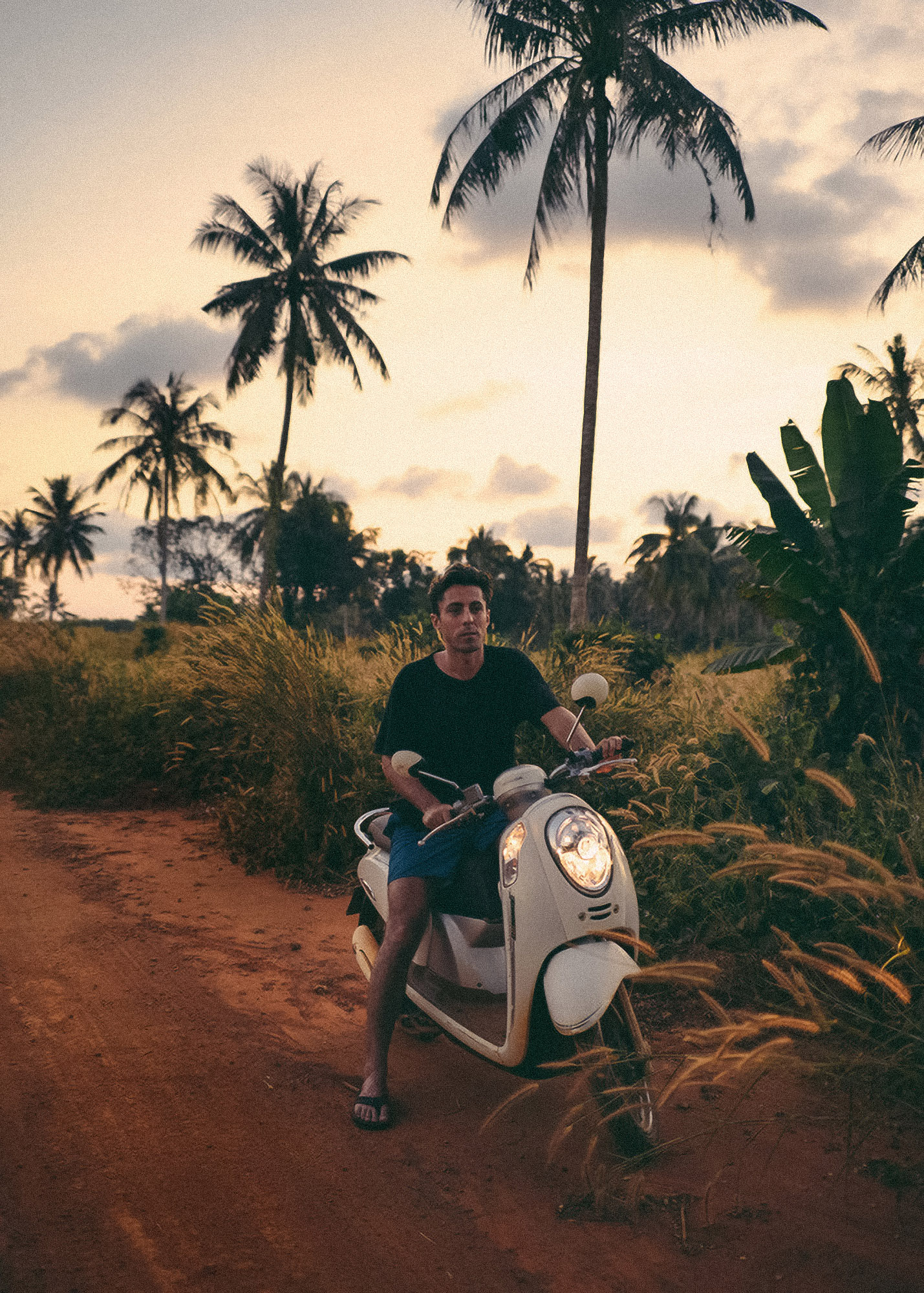
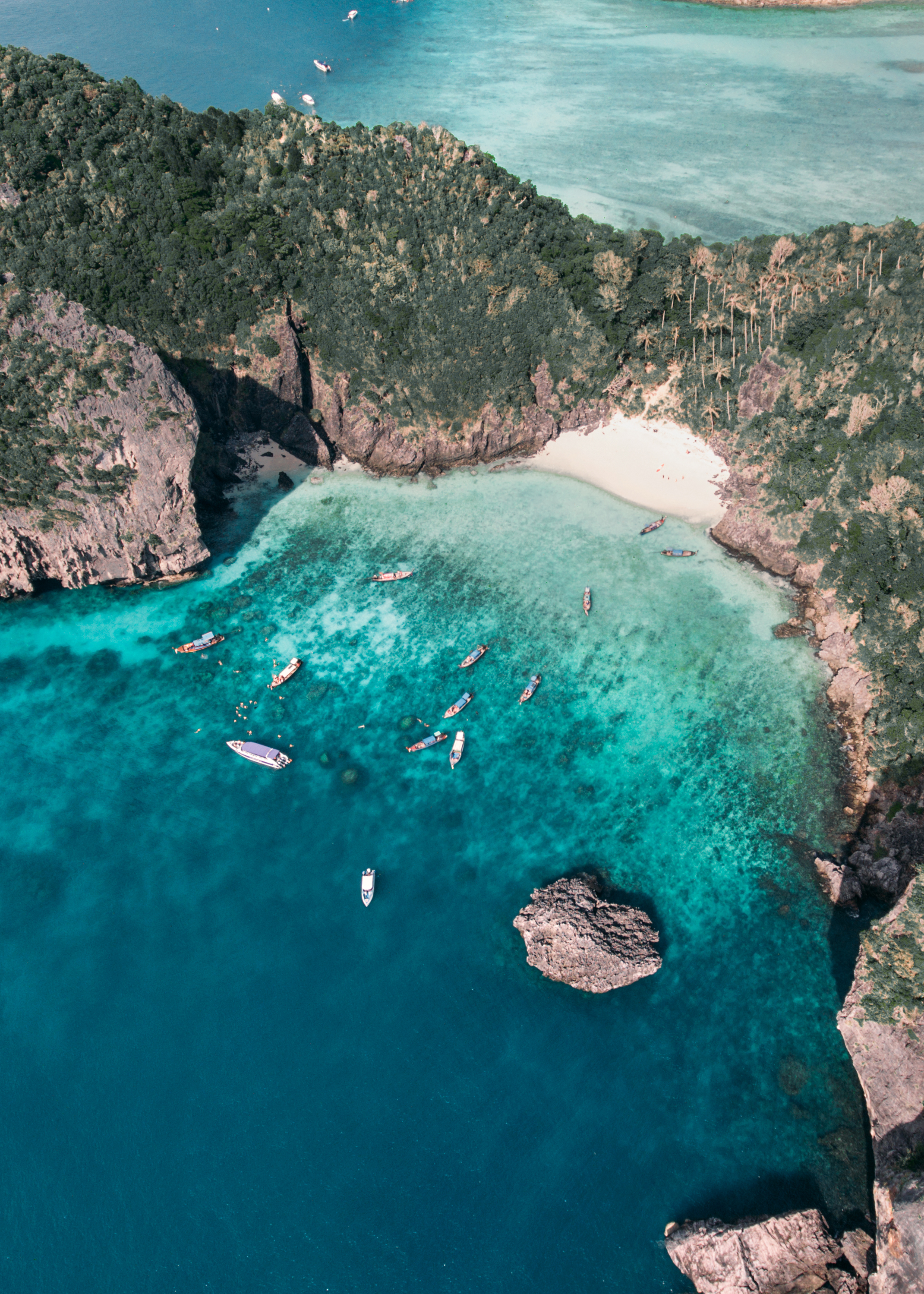
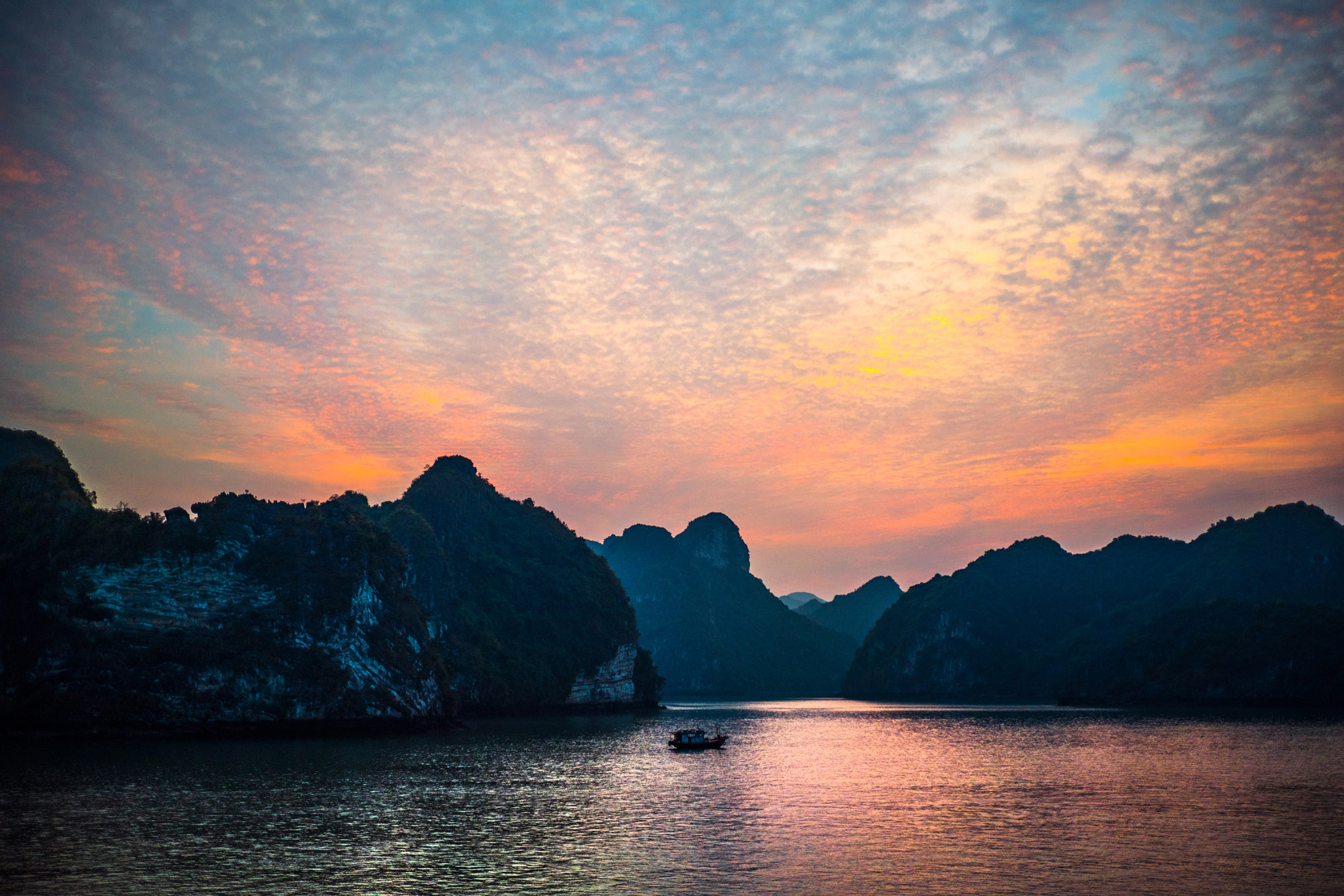
Routes across Japan and Southeast Asia deliver a dynamic spectrum of textures and cultural elements, from minimalist temple architecture to dense metropolitan skylines. The shift between urban intensity and natural landscapes creates a varied visual rhythm that plays well across longer itineraries.
- Tokyo’s sharp vertical lines and neon reflections
- Kyoto’s shrines, gardens, and seasonal landscapes
- Ha Long Bay’s limestone karsts rising out of calm water
- Singapore’s futuristic waterfront architecture
- Bali’s rice terraces, volcanic backdrops, and coastal temples
The interplay of traditional and contemporary environments makes this region especially rich for complex compositions.
Australia and New Zealand - Rugged Coastlines, Marine Clarity, and Expansive Horizons

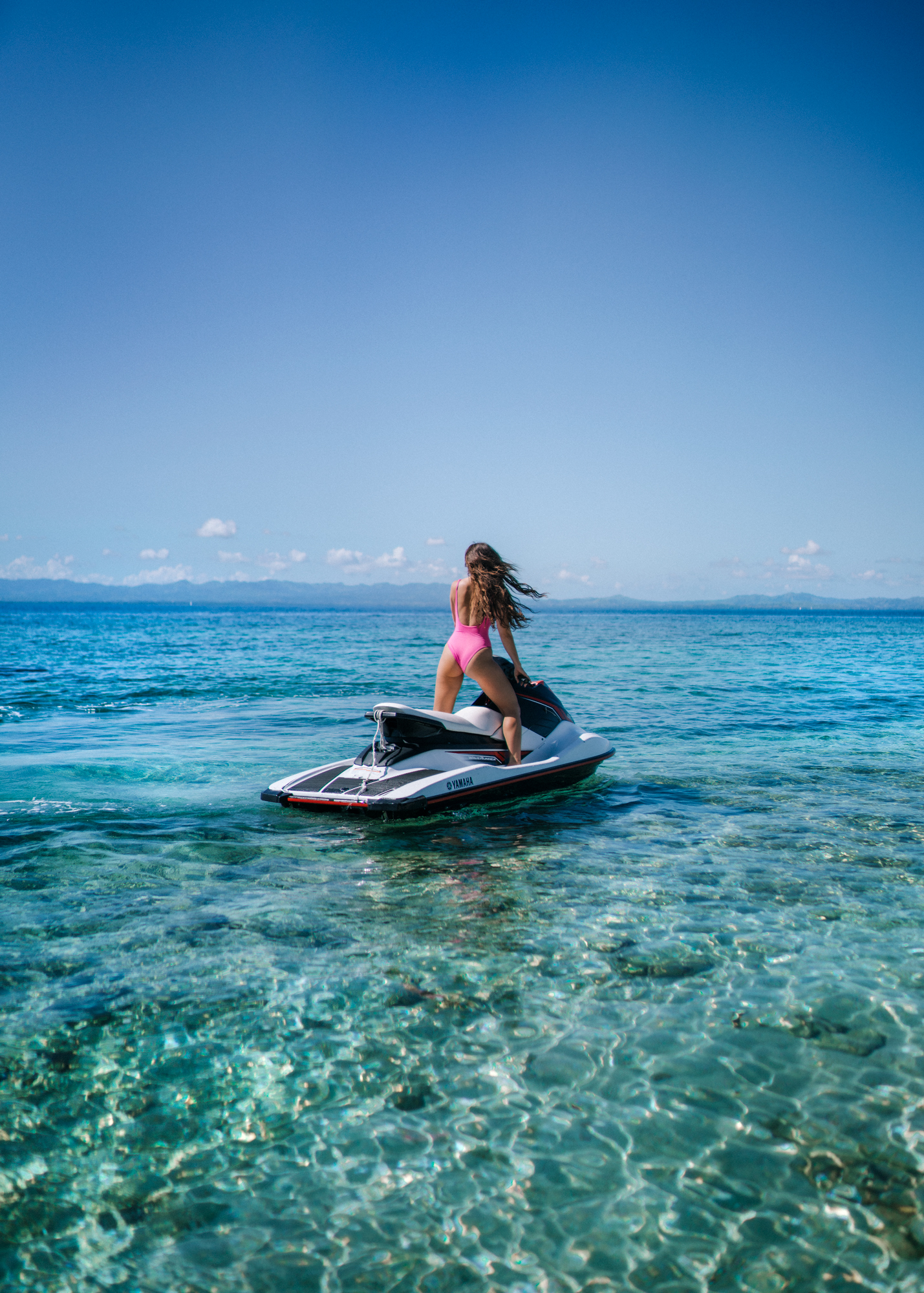
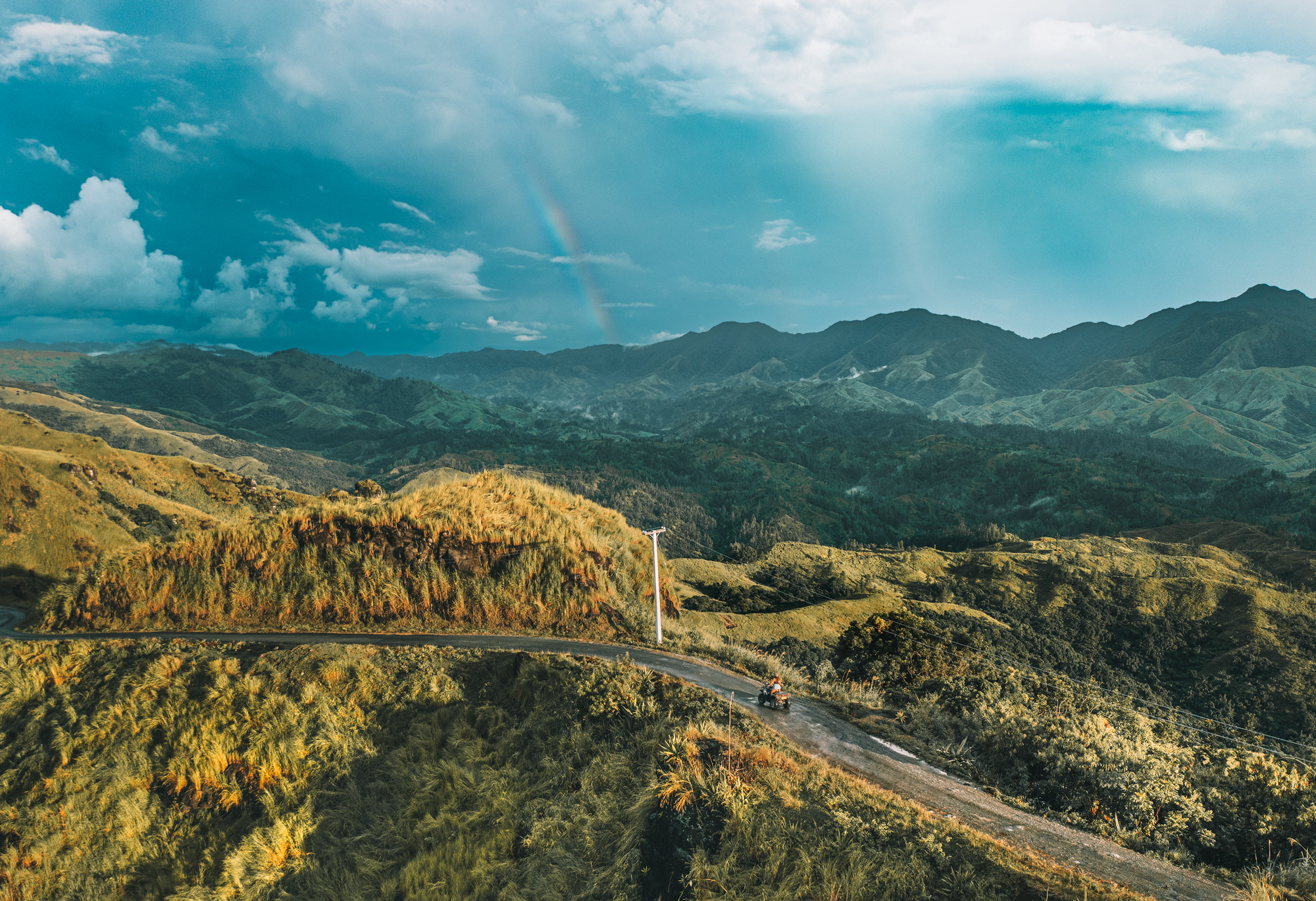
Cruising around Australia and New Zealand provides access to some of the world’s most dramatic coastal edges, shaped by tectonic activity and long stretches of exposed shoreline. Light tends to be strong and directionally consistent, which makes it easier to work with shadows and reflections.
- Milford Sound’s steep walls, waterfalls, and moody cloud patterns
- Sydney’s harbour and skyline viewed from the water
- Tasmania’s remote landscapes
- The Great Barrier Reef’s distinct colour bands visible from above the surface
These regions offer broad, uninterrupted views that highlight scale and detail in equal measure.
Why Fly-Cruising Unlocks the Best Photographic Routes
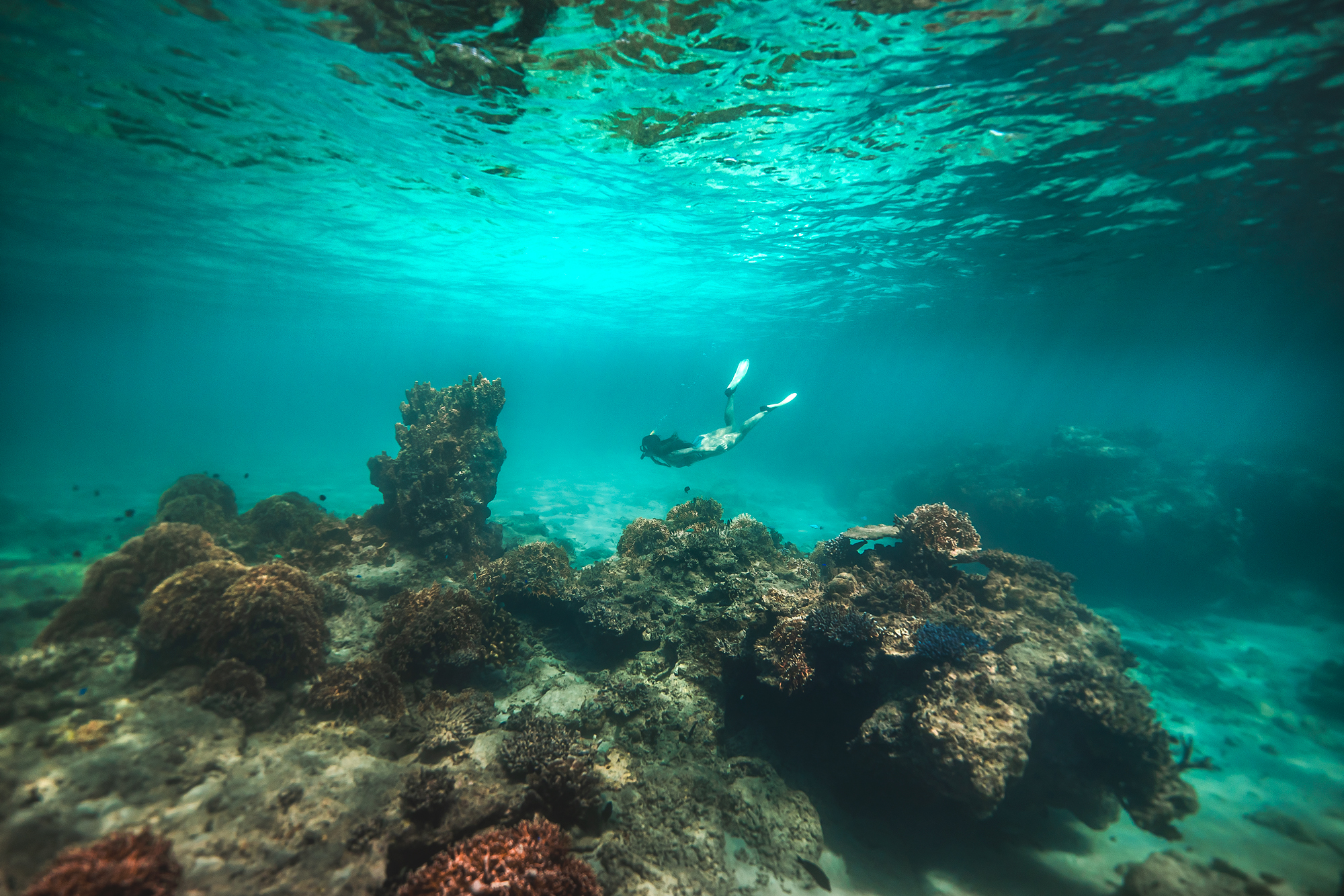
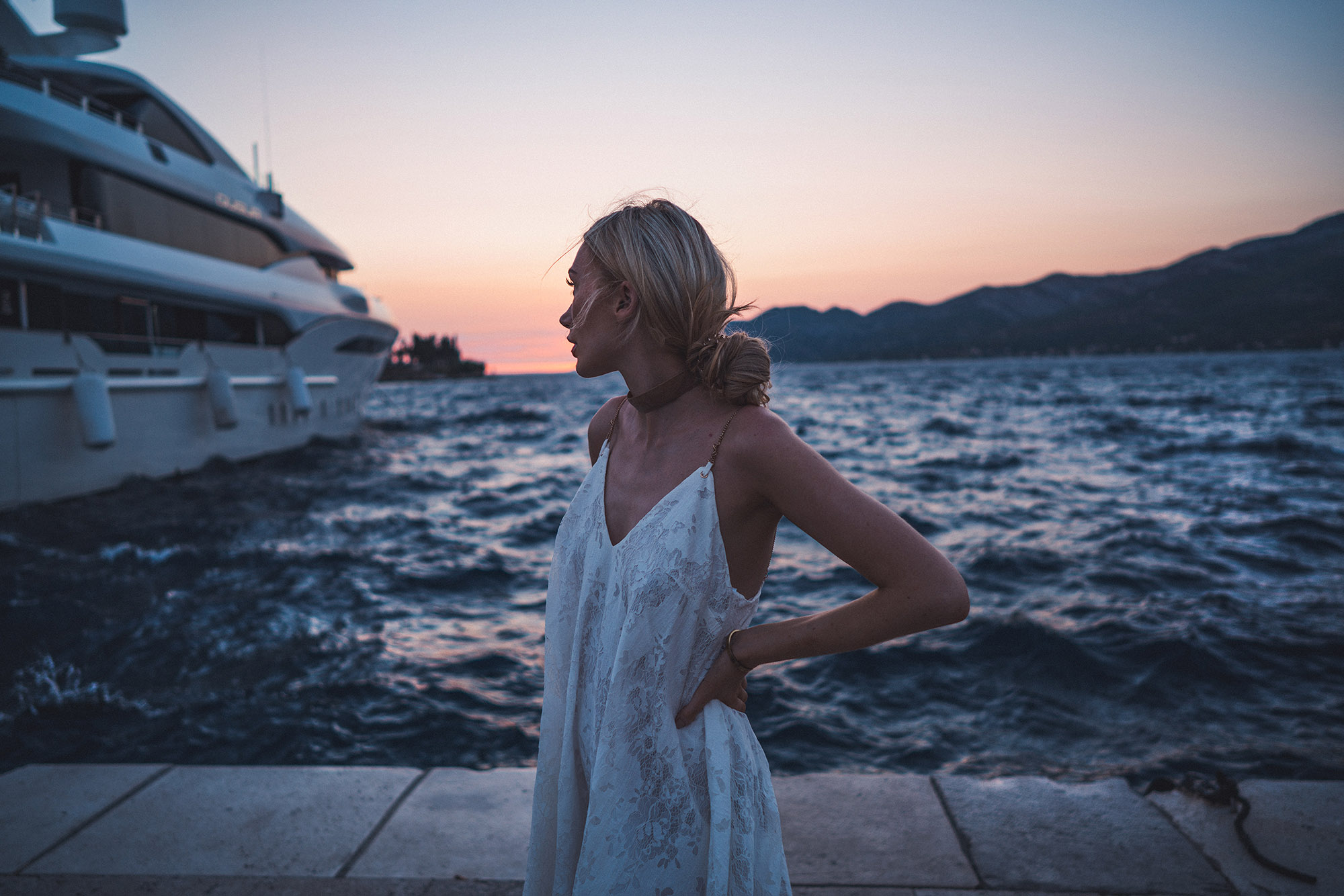
Reaching these highly photogenic regions often requires beginning your journey far from home, and fly-cruising provides a practical path to accessing coastlines that remain out of reach from traditional departure points. By flying to the embarkation port, you gain full control over your starting environment and can prioritize scenic efficiency over transit days at sea.
- Begin in a region optimized for strong visuals rather than convenience
- Maximise your days capturing landscapes instead of crossing open water
- Combine urban stays with remote coastlines
- Access islands and fjords that would require extensive time to reach by ship alone
- Build a varied visual portfolio within a single itinerary
This approach allows your route to revolve around the scenery you want most, enabling a more intentional and efficient photography-driven trip.
You experience a different relationship to a destination when your perspective shifts with the movement of the water; coastlines reveal their structure, scale, and rhythm more clearly, and photographing them becomes an ongoing exercise in observing light as it changes across distance. The best cruise routes serve as moving observation decks, giving you the rare opportunity to document the world from angles that exist only at sea.