Best Beaches in Italy (With Map)
Intro
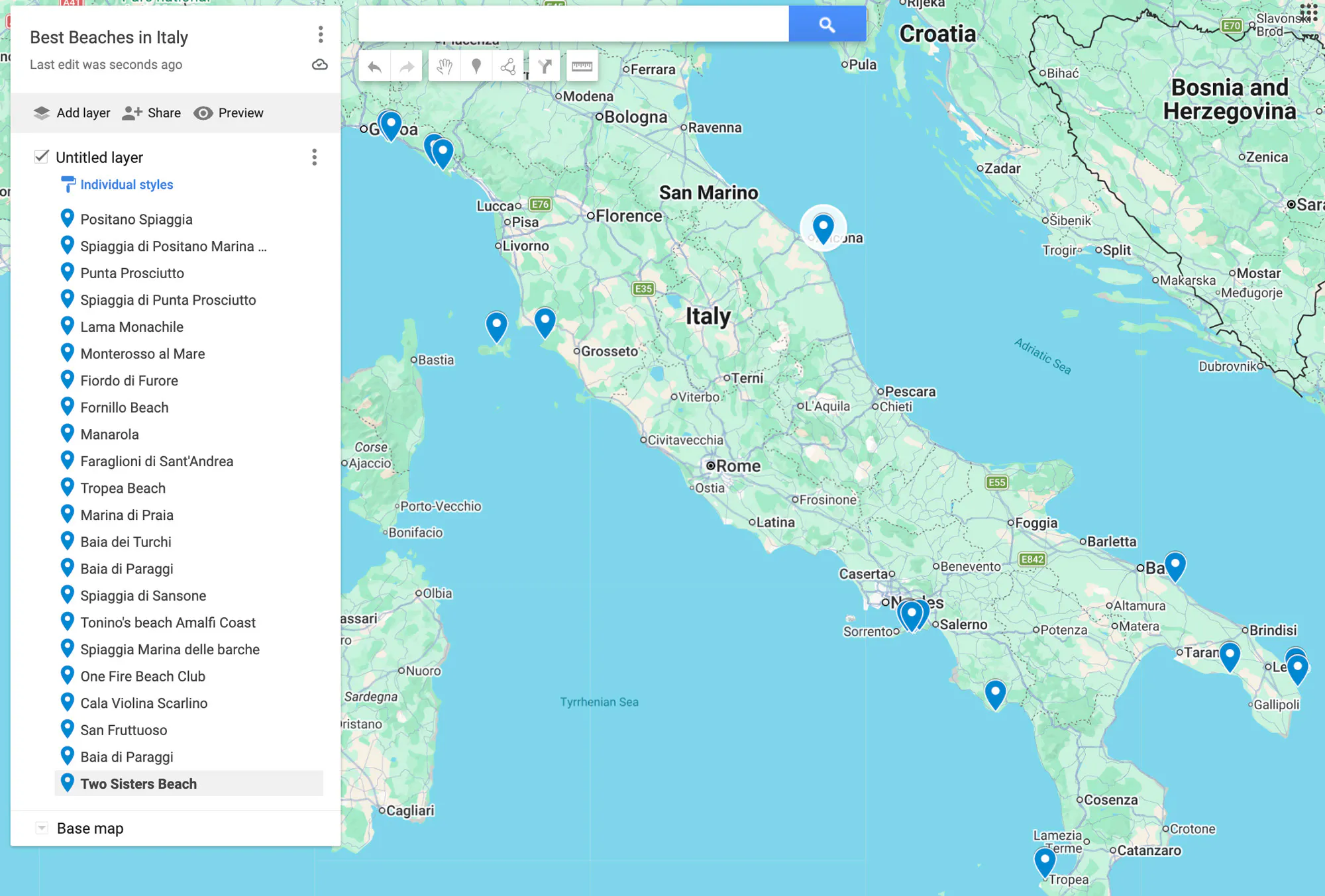
+ Want to save every spot easily? Scroll to the bottom of this post for a downloadable Google Map! +
1. Punta Prosciutto, Puglia
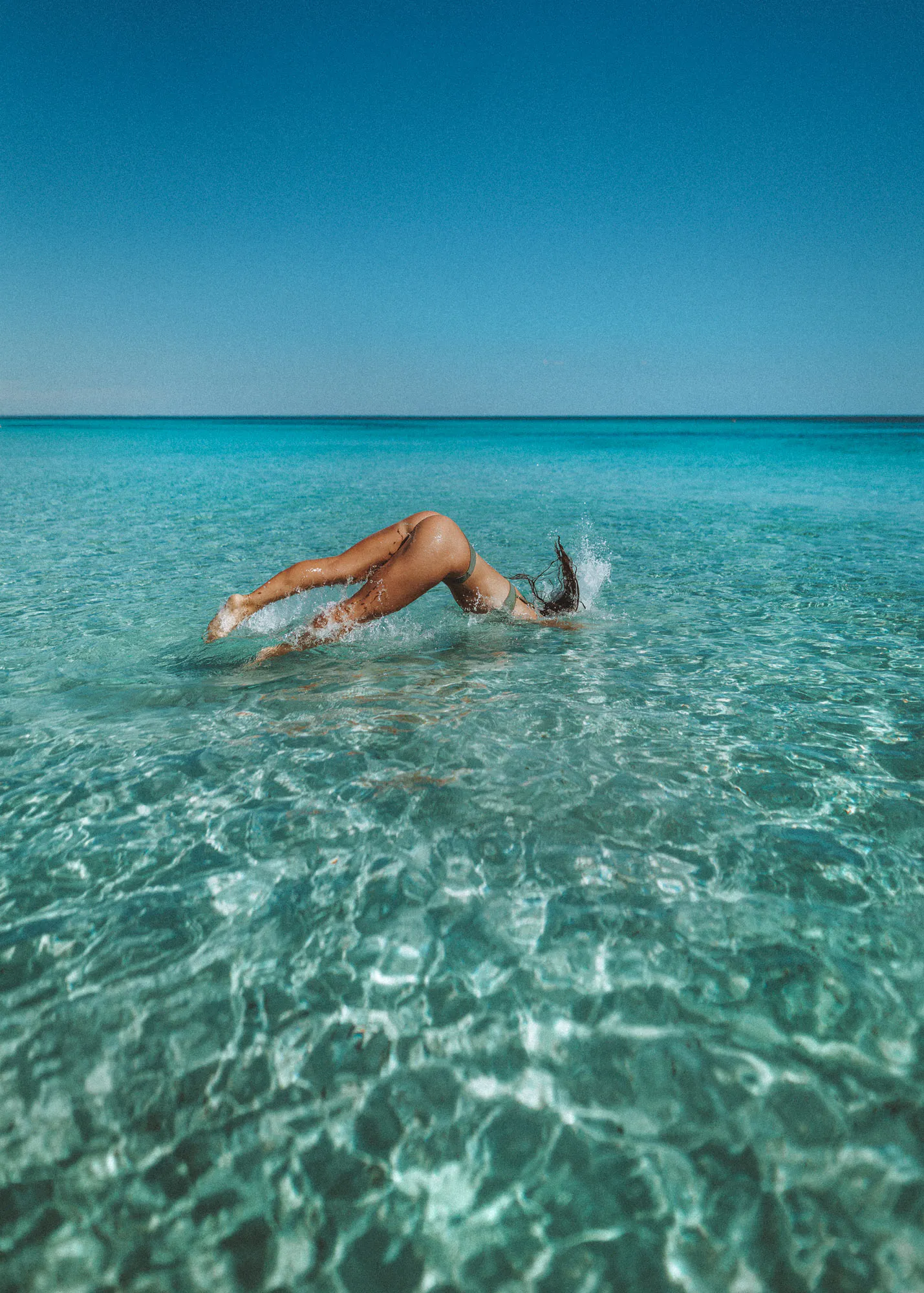

Punta Prosciutto sits along the Ionian coast and feels unusually open for Italy, where many beaches tend to compress into narrow coves or cliff-backed strips; here, the shoreline stretches wide, with shallow, transparent water that extends far out before dropping, making it one of the most swimmable beaches in southern Italy. The sand is soft and pale, and the absence of heavy development keeps the landscape feeling relatively untouched compared to more commercialized coastal zones.
The conditions remain consistently calm, especially in the morning, which makes it one of the few places in Italy where you can spend hours in the water without navigating rocks or steep entries.
- Parking: Unpaved roadside areas and small paid lots nearby
- Fees / Permits: Free access, with optional lidos
- How to Reach: About 40 minutes from Lecce by car
- Hazards: Minimal shade, intense midday sun
- Known For: Shallow water and soft sand
2. Polignano a Mare (Lama Monachile), Puglia
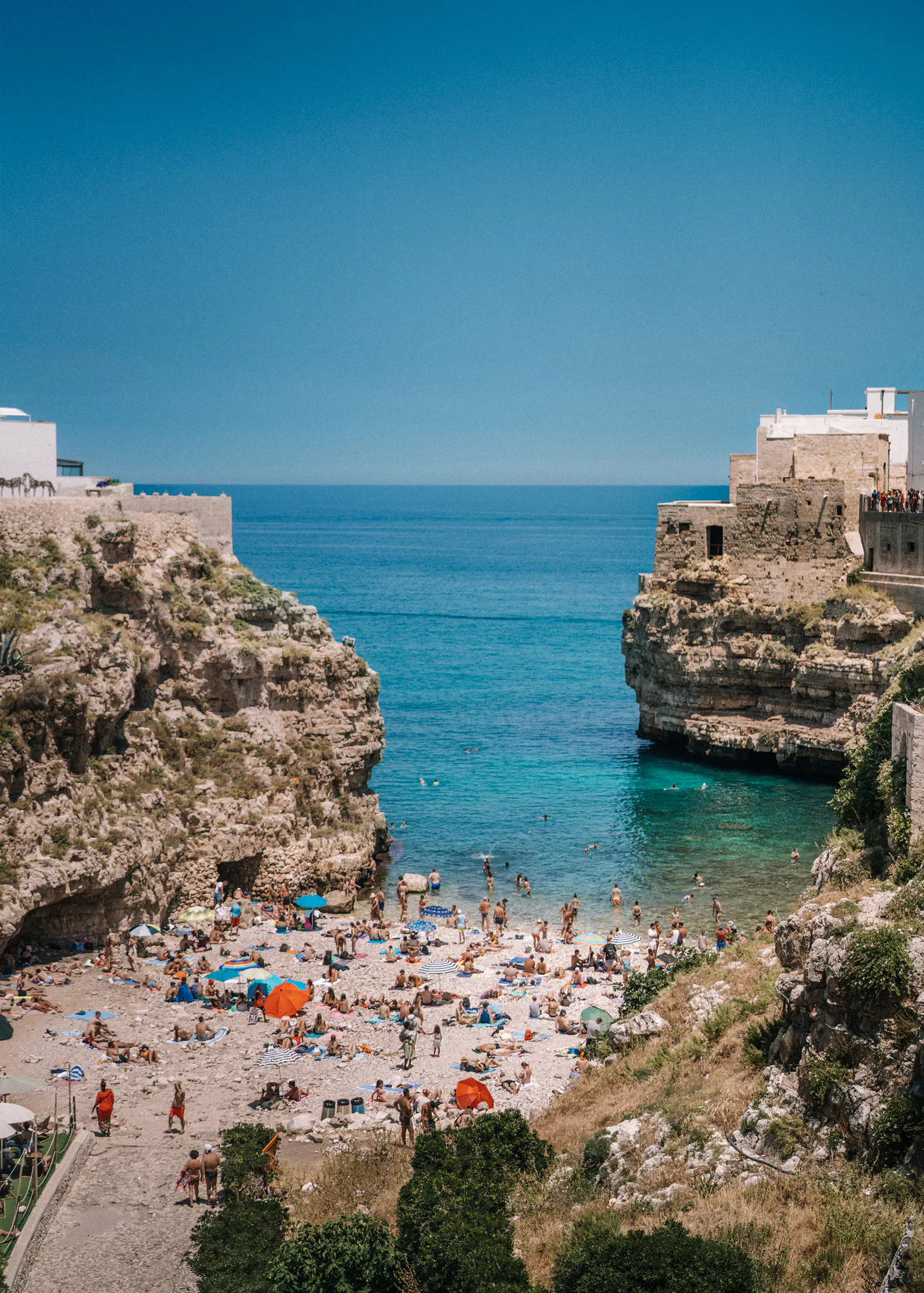
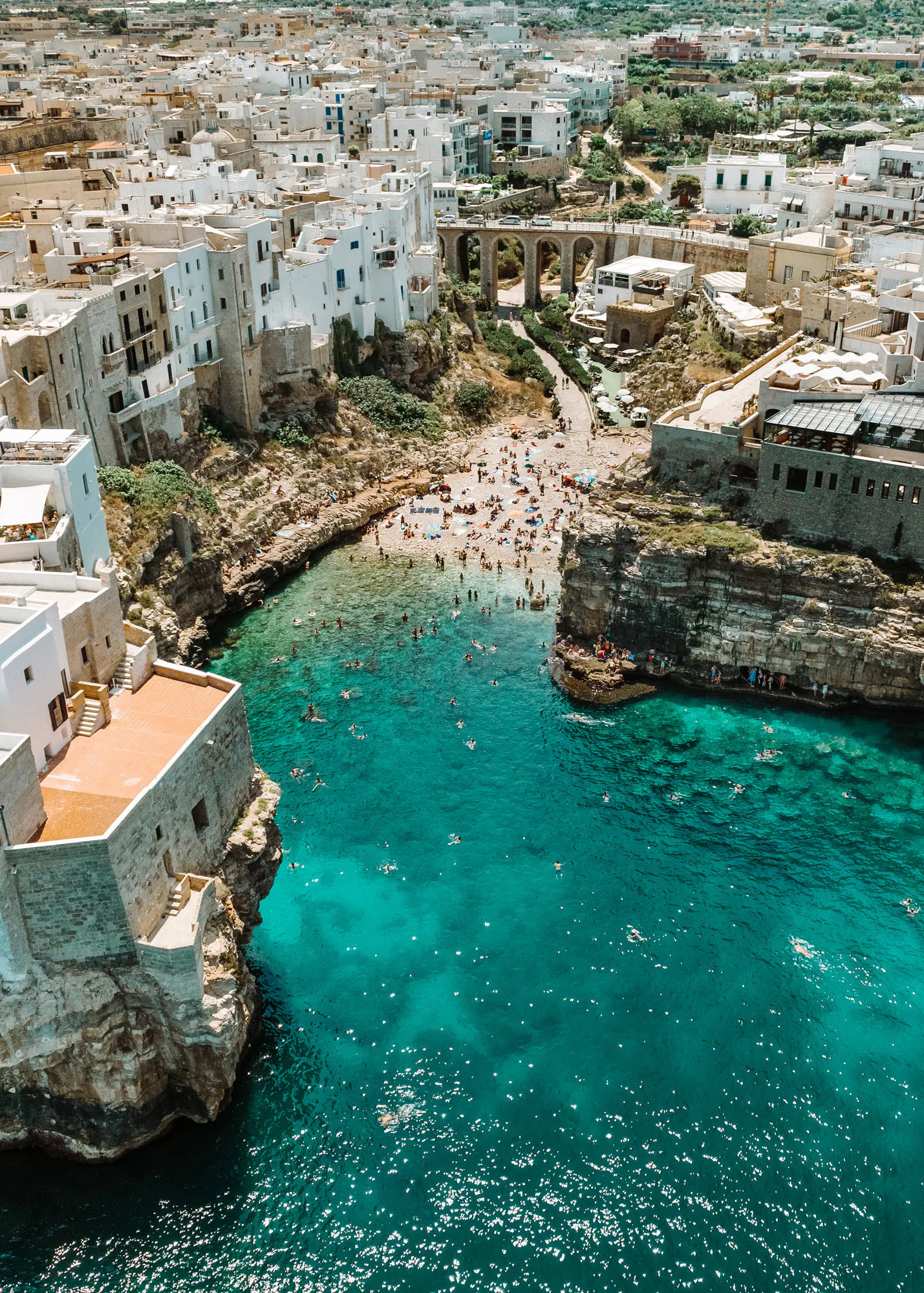
Lama Monachile’s appeal is immediate, but the experience shifts quickly depending on when you arrive, since the cove itself narrows significantly once crowds build; the contrast between the vertical limestone cliffs and the compact beach creates one of the most recognizable scenes in Italy, though it functions more as a short-stay destination rather than a full-day setup.
The water here is deep and clear, with a rocky entry that requires a bit more awareness than sandier beaches, and the surrounding viewpoints above the cove offer just as much value as the beach itself once the area fills in.
- Parking: Limited within town, easier outside center
- Fees / Permits: Free public beach
- How to Reach: Walk down through the old town
- Hazards: Rocky entry, high crowd density
- Known For: Cliffside setting and viewpoints
3. Monterosso al Mare, Cinque Terre
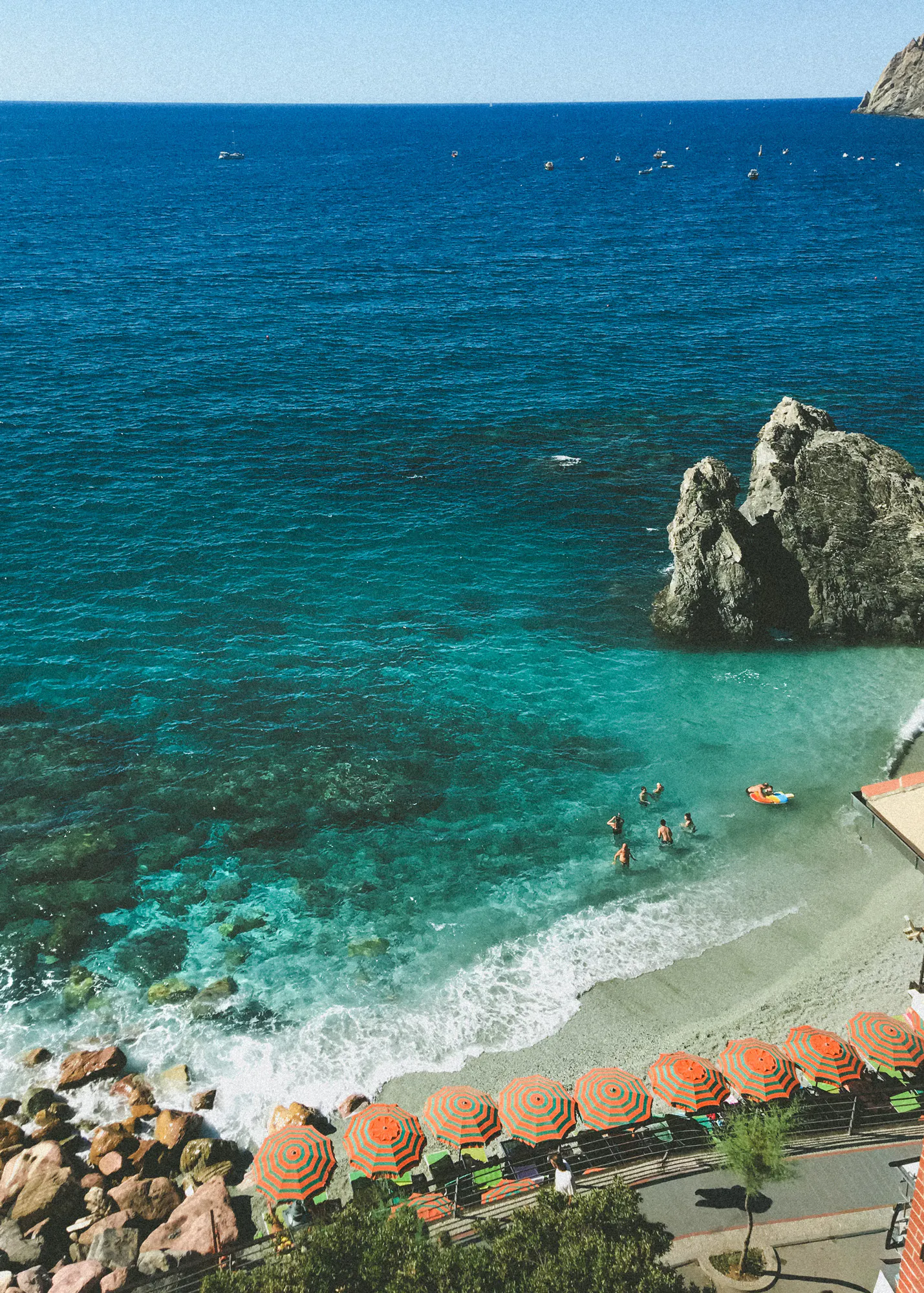
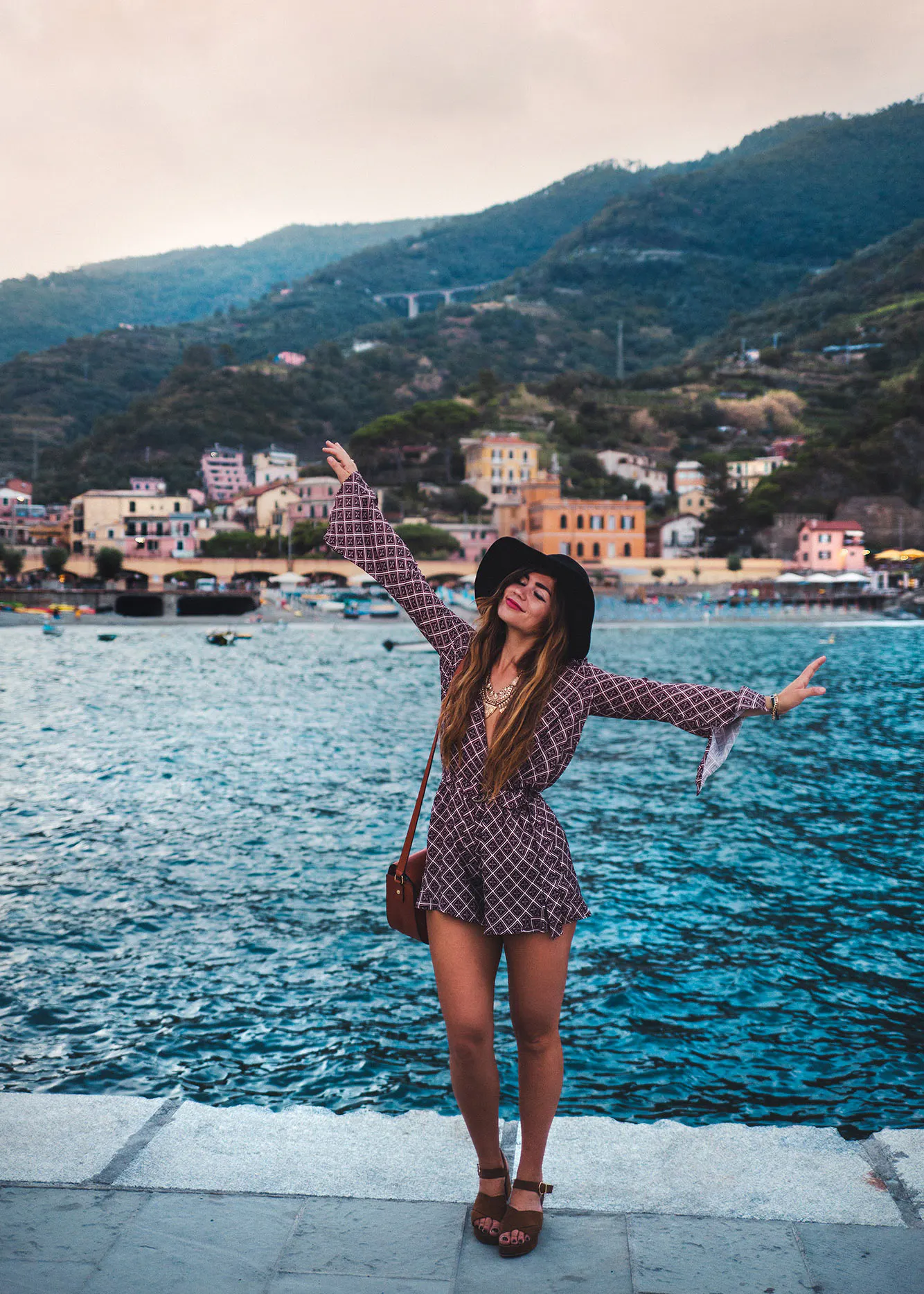
Monterosso stands apart within Cinque Terre because it provides a shoreline that can actually support a full beach day without constant movement; the sand here is softer than elsewhere in the region, and the beach extends long enough to accommodate both private and public sections without feeling entirely constrained.
Compared to the rest of the Cinque Terre villages, where access to the water often involves ladders or narrow platforms, Monterosso offers a more straightforward experience, which becomes especially relevant if you plan to spend multiple hours near the water rather than moving between viewpoints.
- Parking: Extremely limited, train recommended
- Fees / Permits: Paid lidos dominate, small free section
- How to Reach: Direct train access
- Hazards: Peak season crowding
- Known For: Sandier shoreline in a rugged region
4. Fiordo di Furore, Amalfi Coast
Fiordo di Furore stands out because of its vertical enclosure, where the surrounding rock walls create a microclimate that feels noticeably cooler than neighboring beaches; the water tends to be darker and deeper, and sunlight reaches the beach in shorter intervals.
The scale is smaller than most people expect, which means timing becomes important if you want space to sit or swim comfortably, especially during midday.
- Parking: Minimal along road
- Fees / Permits: Free
- How to Reach: Stairs from above
- Hazards: Limited space, cooler water
- Known For: Fjord-like formation
5. Fornillo Beach (Fornillo Spiaggia), Amalfi Coast
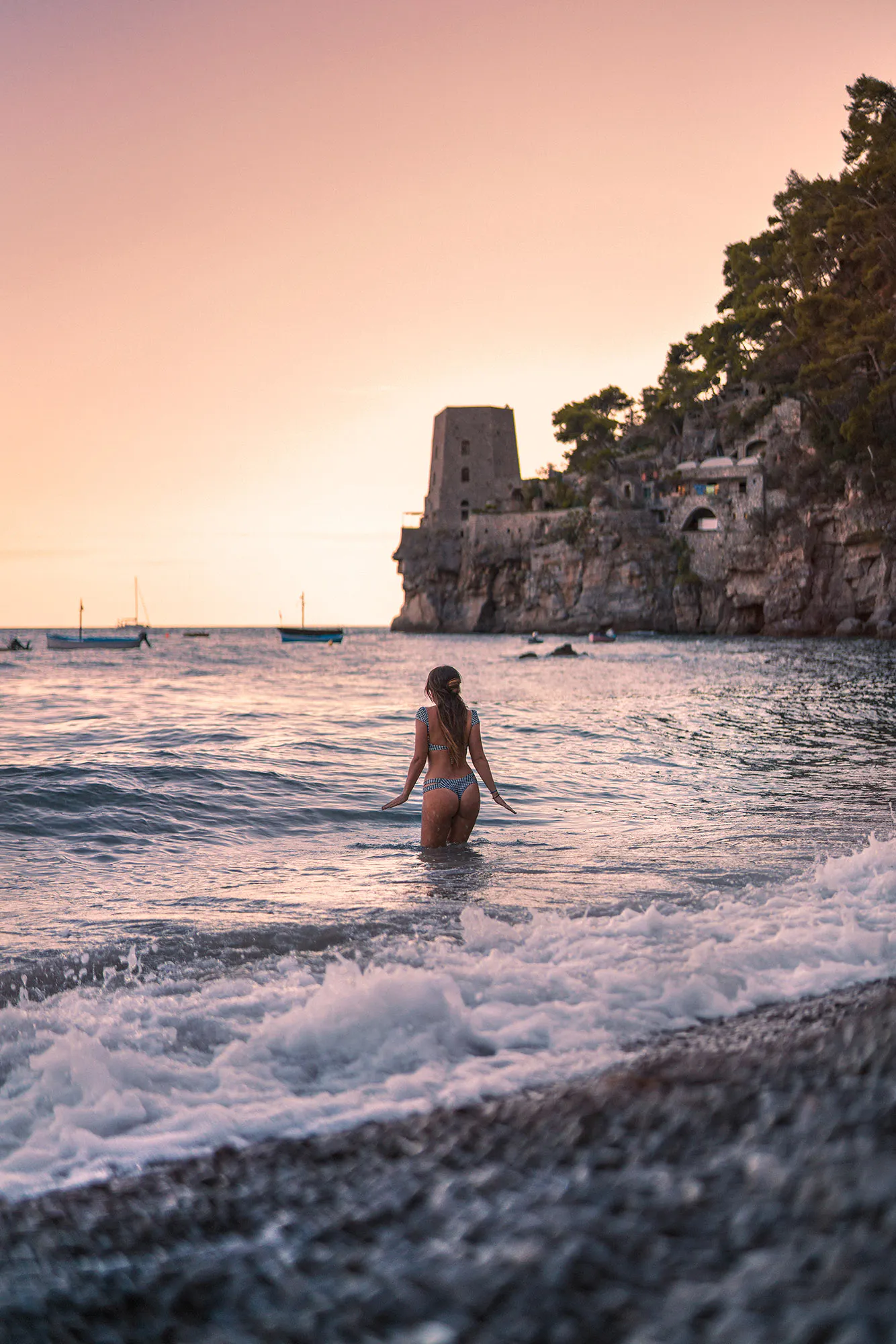
Fornillo Beach sits just west of Positano’s main beach, but the difference in atmosphere becomes apparent almost immediately once you walk the coastal path to reach it; the shoreline is smaller and more understated, with fewer large-scale beach clubs and a noticeably slower pace throughout the day.
The setting still delivers the Amalfi Coast’s signature cliffs and clear water, though the reduced density makes it easier to settle in without committing to the higher pricing and reservation pressure found at Spiaggia Grande.
- Parking: Not directly accessible
- Fees / Permits: Mix of free areas and smaller lidos
- How to Reach: 10 to 15 minute walk from Positano
- Hazards: Pebble beach, limited space
- Known For: Quieter alternative to Positano
6. Manarola Waterfront, Cinque Terre
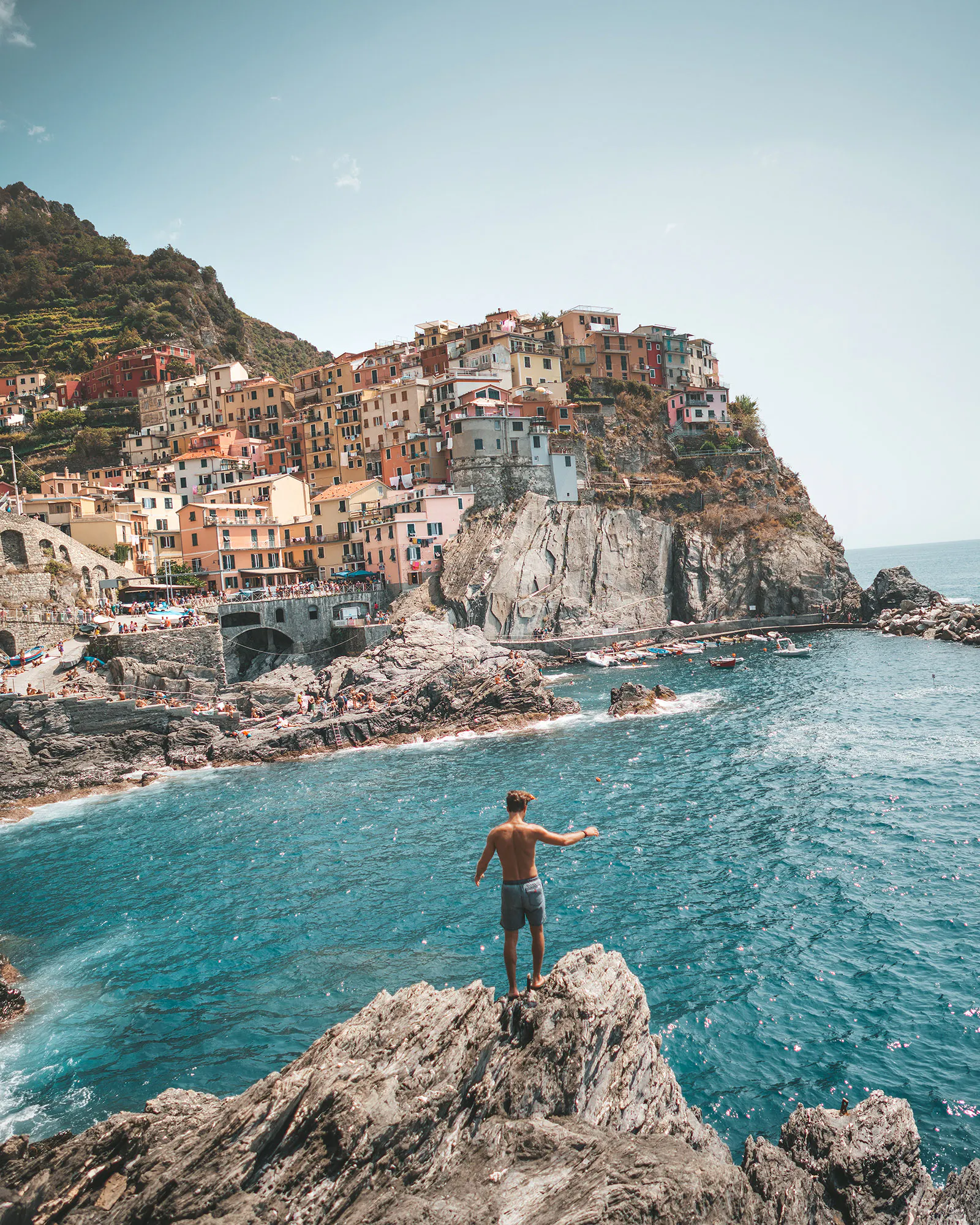
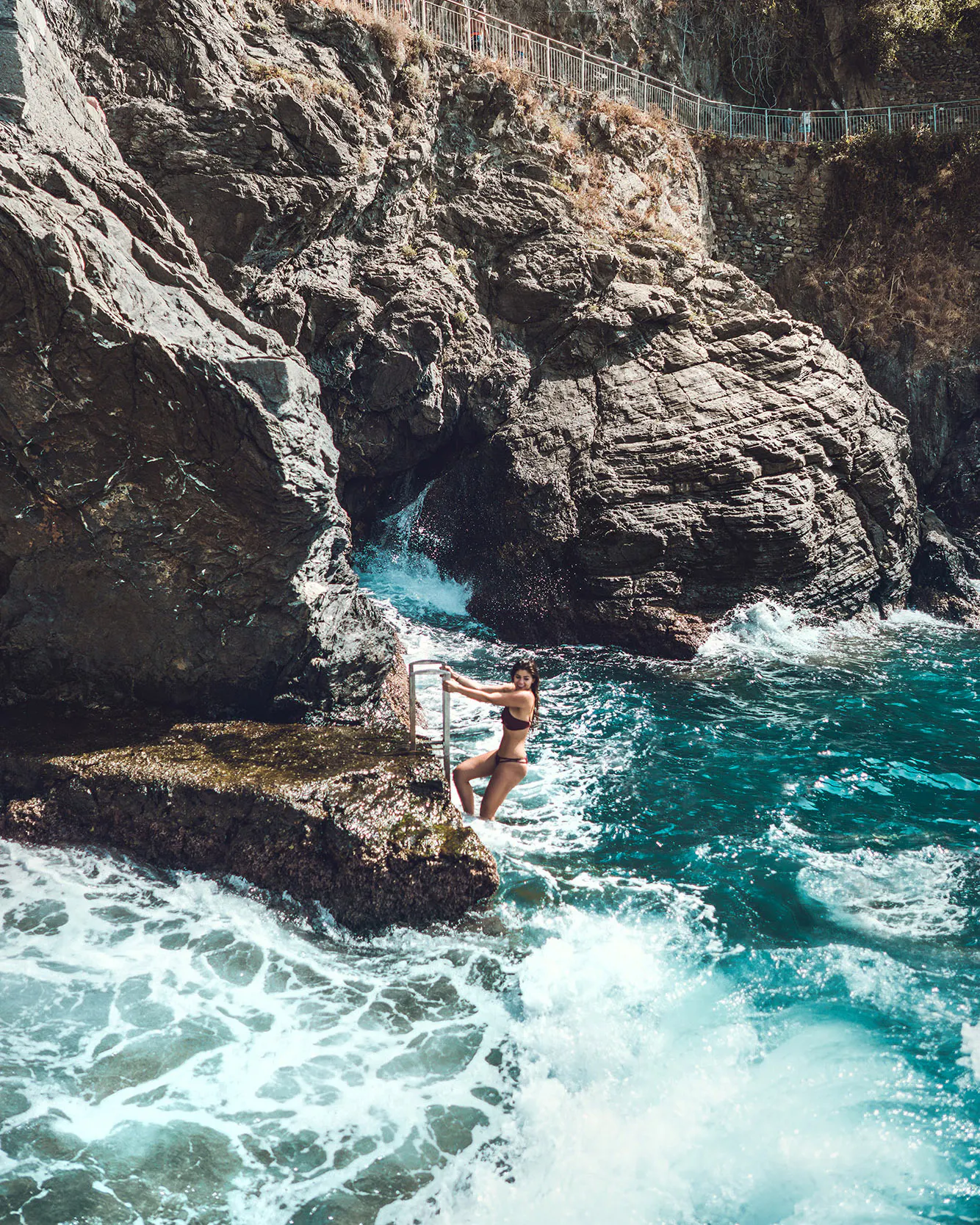
Manarola’s waterfront requires a different mindset, since there is no traditional beach and access to the water happens through rocky platforms and ledges; once you adjust to that, the clarity and depth of the water create one of the more immersive swim experiences in northern Italy.
The absence of sand keeps the area from becoming overly crowded, and the setting feels more integrated into the landscape, especially as the village rises directly behind the swimming area without a defined separation.
- Parking: No direct car access
- Fees / Permits: Free
- How to Reach: Train, then walk
- Hazards: Slippery rocks, no gradual entry
- Known For: Cliffside swimming
7. Faraglioni di Sant’Andrea, Puglia
Faraglioni di Sant’Andrea functions more as a coastal exploration area than a traditional beach, where limestone formations create a series of inlets and water channels that shift in color depending on the light; the terrain is rocky, but the visual impact remains one of the strongest in the region.
Swimming here depends on conditions and comfort navigating uneven surfaces, though the clarity of the water tends to remain consistently high.
- Parking: Roadside nearby
- Fees / Permits: Free
- How to Reach: Short walk
- Hazards: Rocky terrain
- Known For: Limestone sea stacks
8. Tropea Beach, Calabria
Tropea offers a more balanced setup than many southern Italian beaches, where a wide sandy shoreline sits directly below a historic cliffside town; the beach itself is long enough to absorb larger crowds without feeling overly compressed.
Water clarity remains strong throughout the day, and the combination of sand and accessibility makes it easier to settle in for longer periods compared to narrower coves.
- Parking: Available above town
- Fees / Permits: Mix of free and lidos
- How to Reach: Stair access
- Hazards: Steep descent
- Known For: Wide beach and clear water
9. Positano Beach (Spiaggia Grande), Amalfi Coast
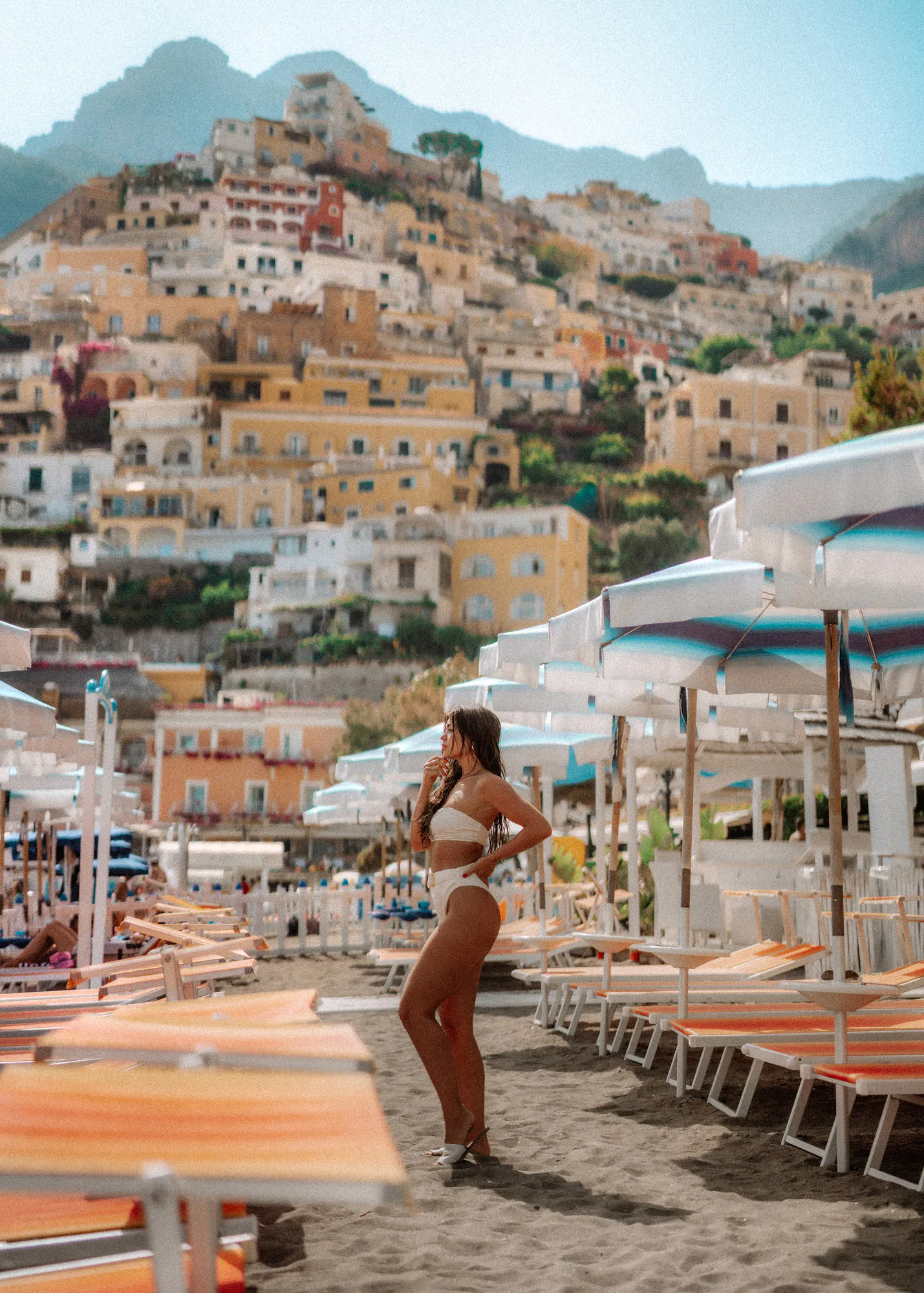
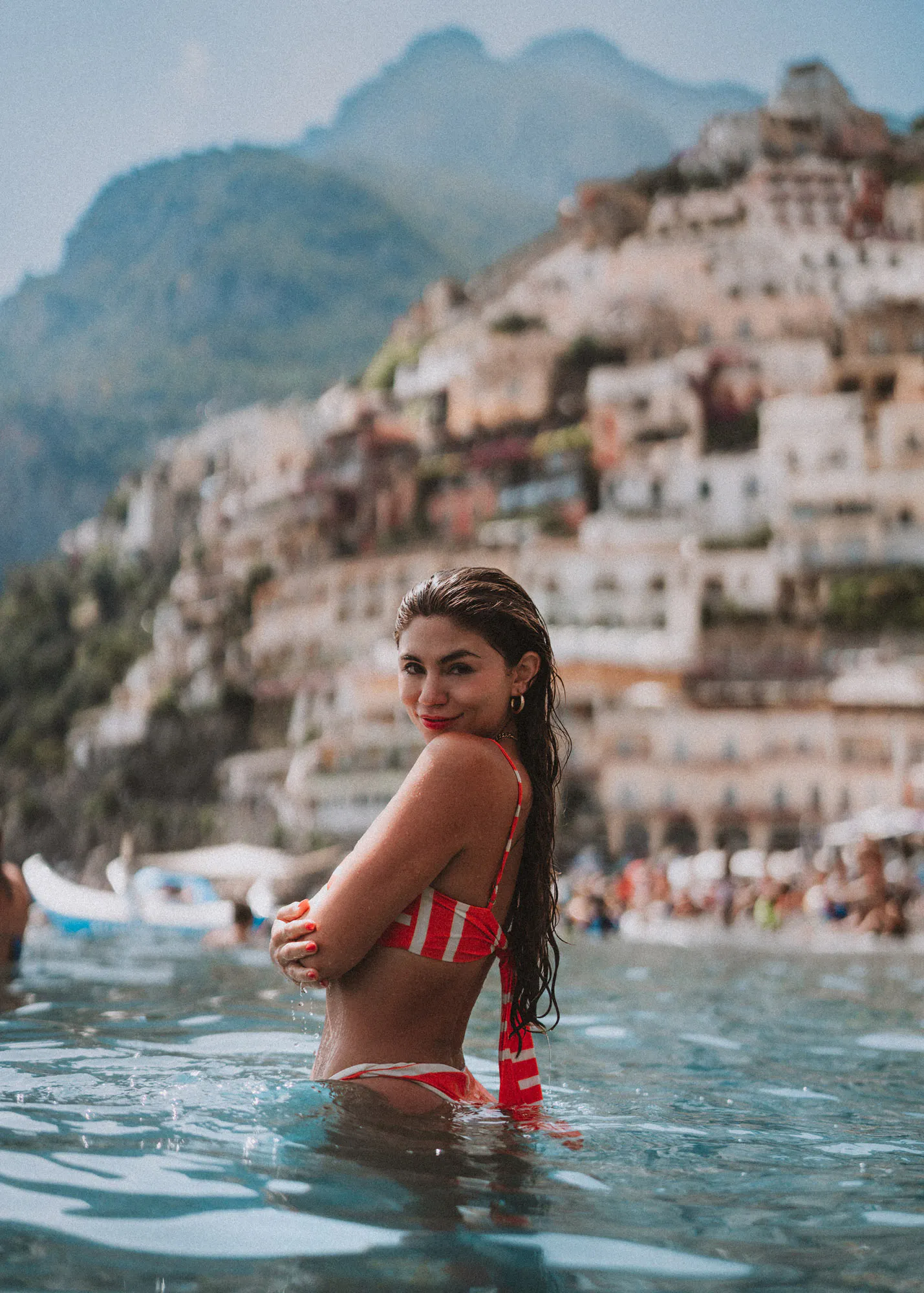
Spiaggia Grande operates as a structured beach environment, where reserving space becomes part of the day rather than an optional detail, especially during peak months when availability tightens quickly; the beach itself is larger than most along the Amalfi Coast, but the density of umbrellas and lidos creates a more organized, almost segmented layout.
The visual payoff comes from the vertical layering of Positano above, which shifts in tone throughout the day as light moves across the buildings, making early morning and late afternoon noticeably different experiences.
- Parking: Nearly nonexistent
- Fees / Permits: High-cost beach clubs, limited free space
- How to Reach: Walk or ferry access
- Hazards: Pricing, density in summer
- Known For: Iconic Amalfi Coast views
10. Praia Beach, Amalfi Coast
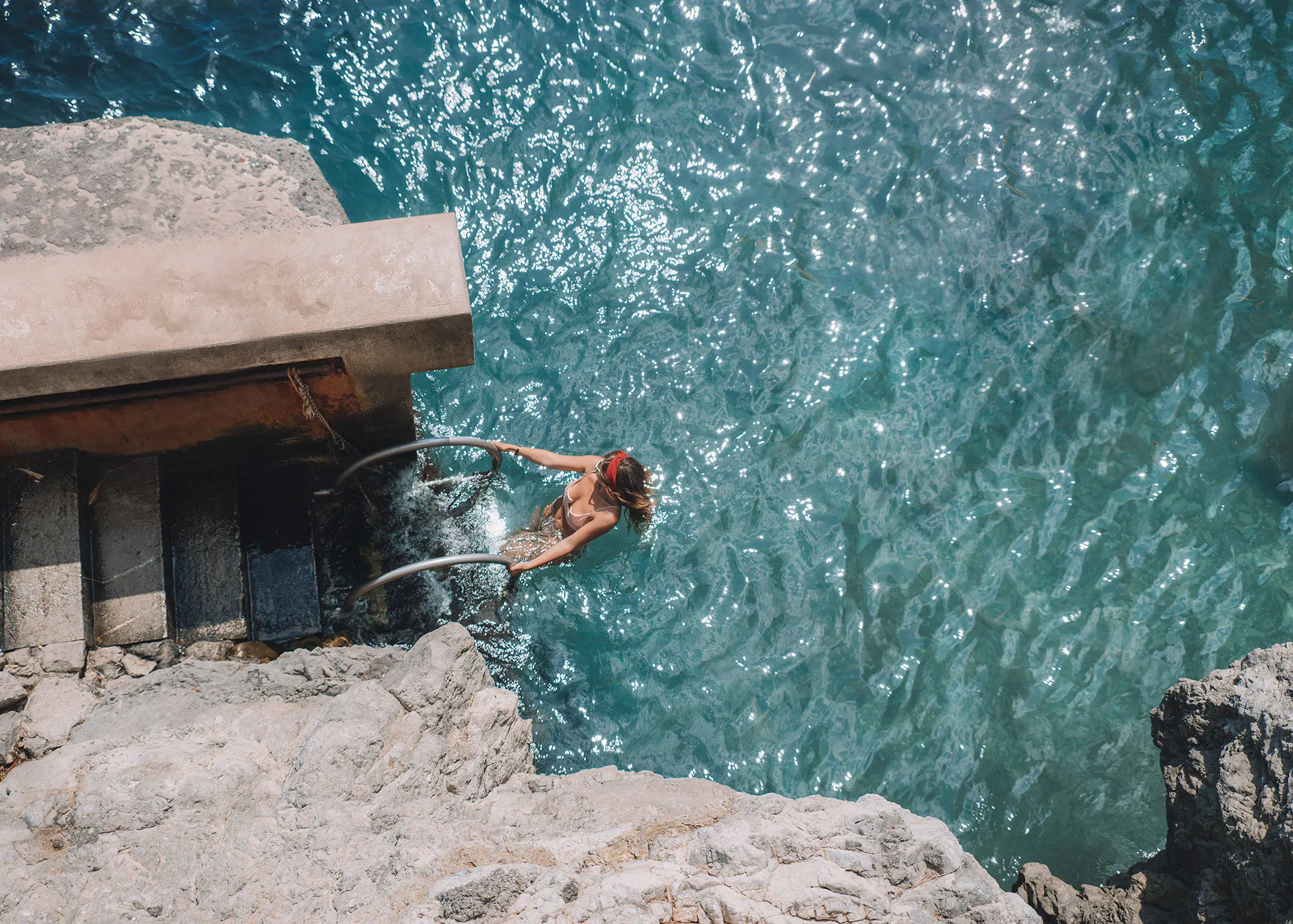
Praia Beach sits within a narrow inlet that naturally limits how much light reaches the shoreline as the day progresses, which shifts the best window for visiting toward the morning and early afternoon; the cliffs on either side create a contained environment that feels more enclosed than other Amalfi beaches.
The water remains relatively calm, though the pebble shoreline and tighter space make it better suited for shorter stays rather than a full day, especially during busier periods.
- Parking: Limited roadside
- Fees / Permits: Mix of free and paid
- How to Reach: Stairs from coastal road
- Hazards: Tight space, early shade
- Known For: Compact cove setting
11. Baia dei Turchi, Puglia
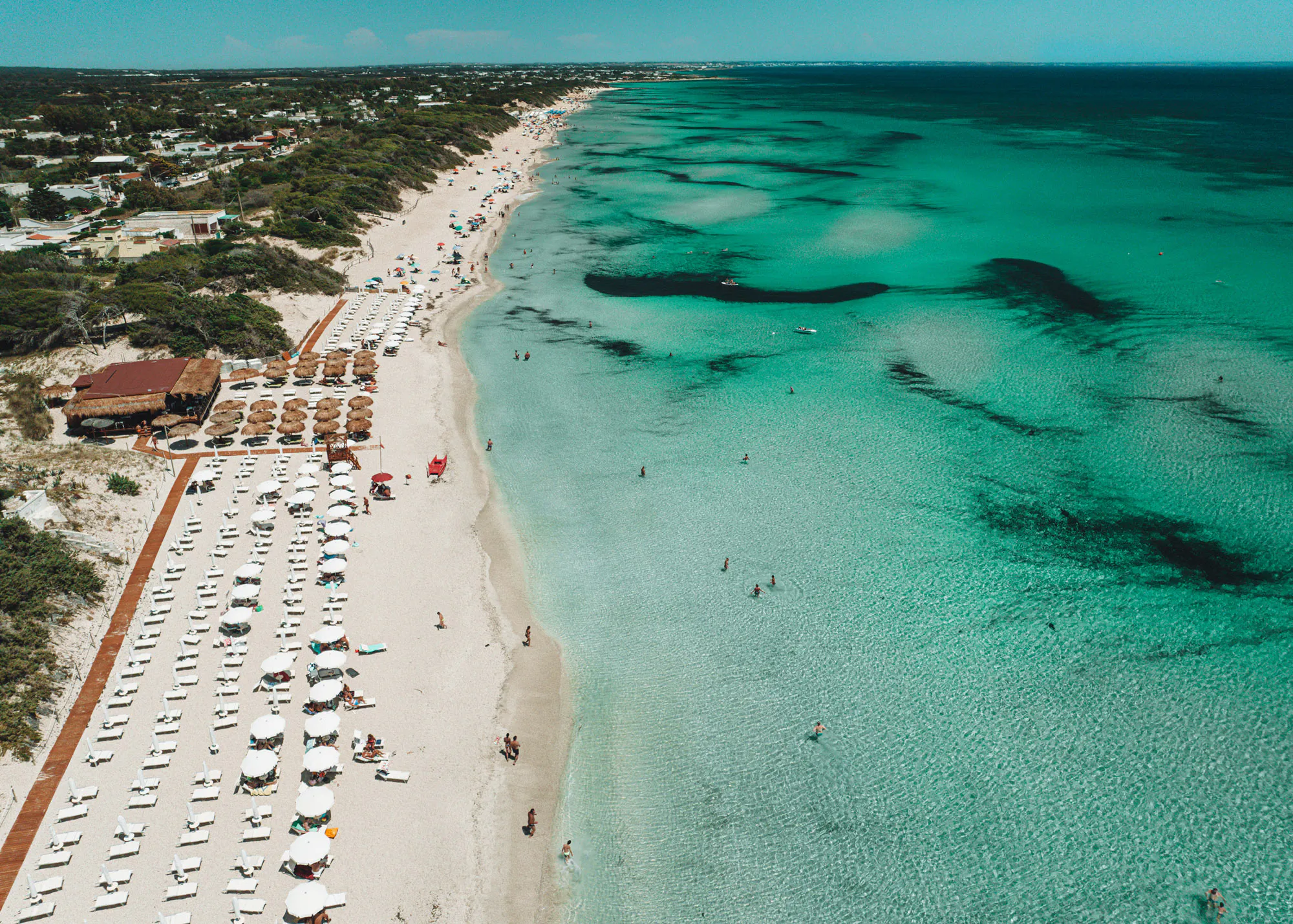
Baia dei Turchi requires a short walk through a shaded pine forest, which changes the arrival experience entirely and helps maintain a quieter, more natural atmosphere once you reach the shoreline; the beach opens into a wide sandy stretch with consistently clear water.
The gradual entry and stable conditions make it one of the more reliable swimming beaches in Puglia, especially if you prefer a less built-out environment without constant rows of umbrellas.
- Parking: Paid lot near entrance
- Fees / Permits: Free with optional lidos
- How to Reach: 10 to 15 minute walk
- Hazards: Limited services off-season
- Known For: Natural setting and sand
12. Paraggi Beach, Liguria
Paraggi offers one of the few sandy beaches in Liguria, with calmer water that is more protected from open sea conditions; the setting feels more refined, with beach clubs that cater to a higher-end experience.
The limited size of the bay means availability can tighten quickly, particularly during peak months, which makes planning ahead more relevant here than at larger beaches.
- Parking: Very limited
- Fees / Permits: Mostly paid beach clubs
- How to Reach: Drive or boat
- Hazards: High pricing
- Known For: Calm water and upscale setting
13. Spiaggia di Sansone, Tuscany (Elba Region)
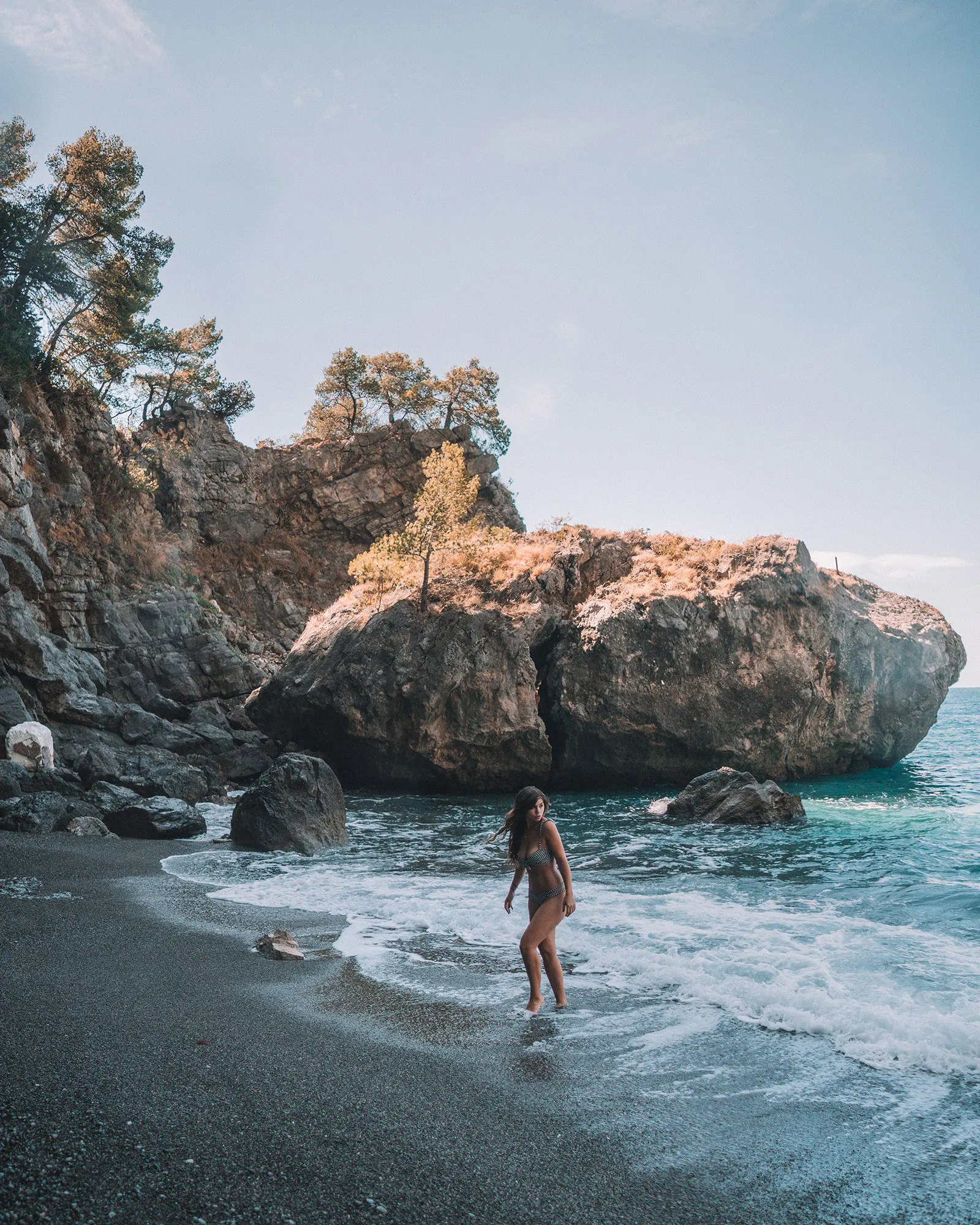
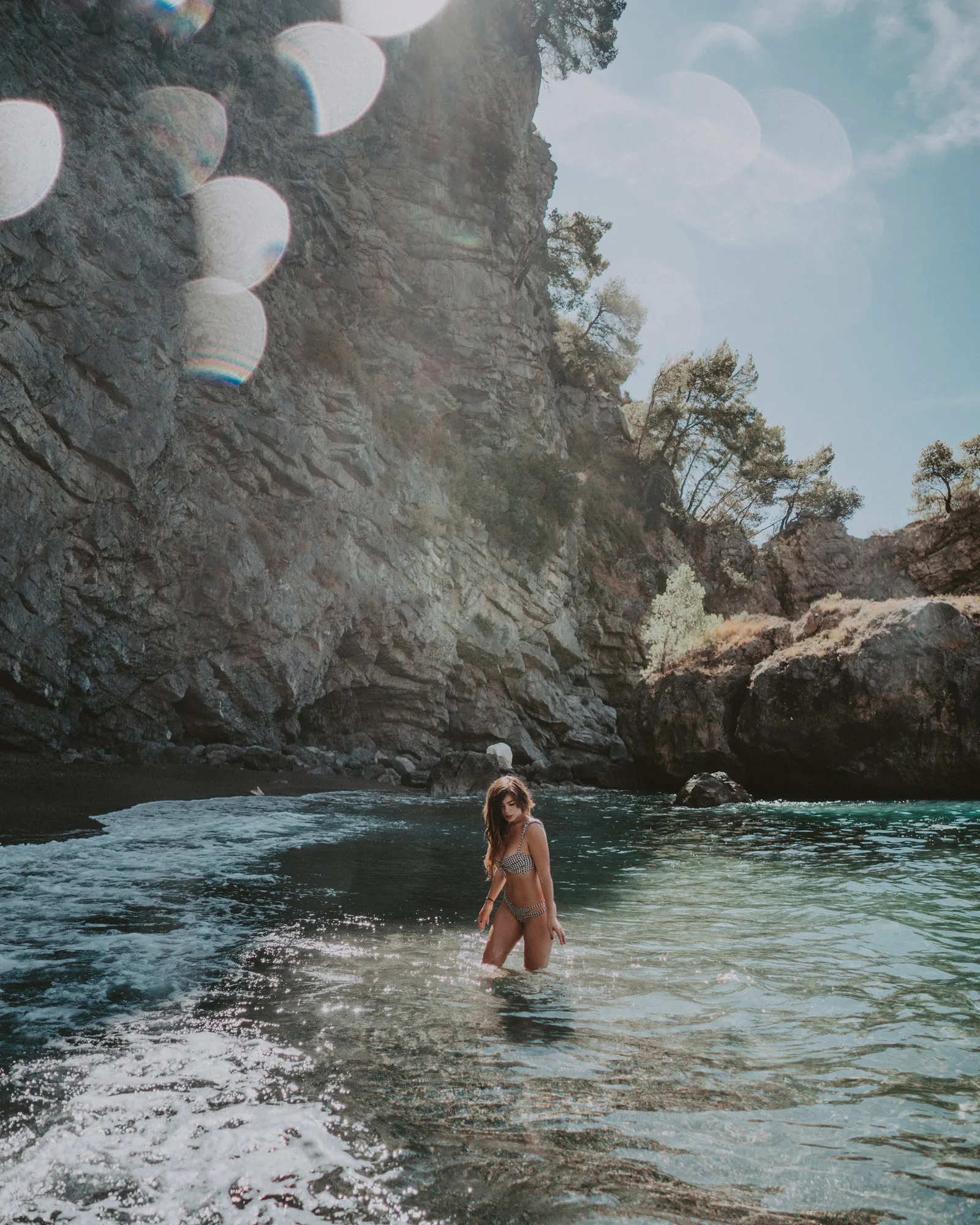
Spiaggia di Sansone stands out for its white pebbles and unusually transparent water, where visibility extends deeper than most mainland beaches, making it one of the stronger snorkeling locations in central Italy.
The descent to the beach adds a slight barrier, which helps limit volume, though the space itself remains relatively compact once you arrive.
- Parking: Small lot above
- Fees / Permits: Free
- How to Reach: Short but steep walk
- Hazards: Slippery stones
- Known For: Clear water and visibility
14. Tonino’s Beach Area, Amalfi, Amalfi Coast
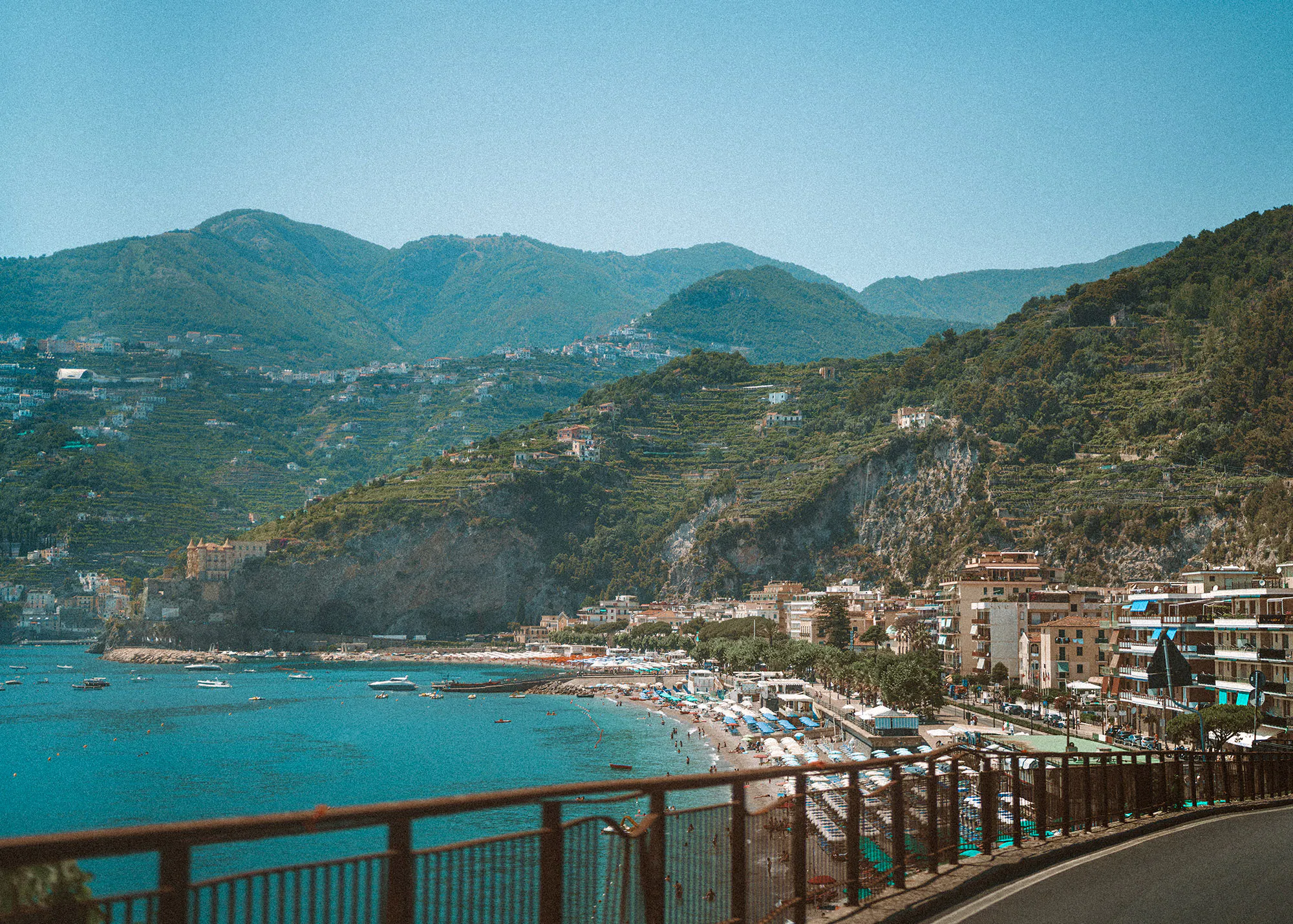
This section of Marina di Praia carries a more local pace, where smaller restaurants and beach setups operate without the same level of intensity found in Positano; the setting remains dramatic, but the overall flow of the day feels more measured.
The shoreline is narrower and more pebbled, which shifts the focus toward the water and surrounding cliffs rather than extended time on the beach itself.
- Parking: Limited roadside
- Fees / Permits: Mix of paid and free
- How to Reach: Stair descent
- Hazards: Rocky seabed
- Known For: Low-key Amalfi experience
15. Marina di Camerota, Campania
Marina di Camerota provides a noticeably different experience from the Amalfi Coast, where the beaches are wider, flatter, and easier to access without navigating extensive stairs or tight coastal roads; the overall pace feels more relaxed.
The water remains clear and swimmable, and the additional space allows for more flexibility in how you structure the day without relying entirely on reserved seating.
- Parking: Readily available
- Fees / Permits: Free and paid options
- How to Reach: Drive from Salerno
- Hazards: Less built infrastructure
- Known For: Spacious sandy coastline
16. One Fire Beach Club, Praiano (Amalfi Coast)
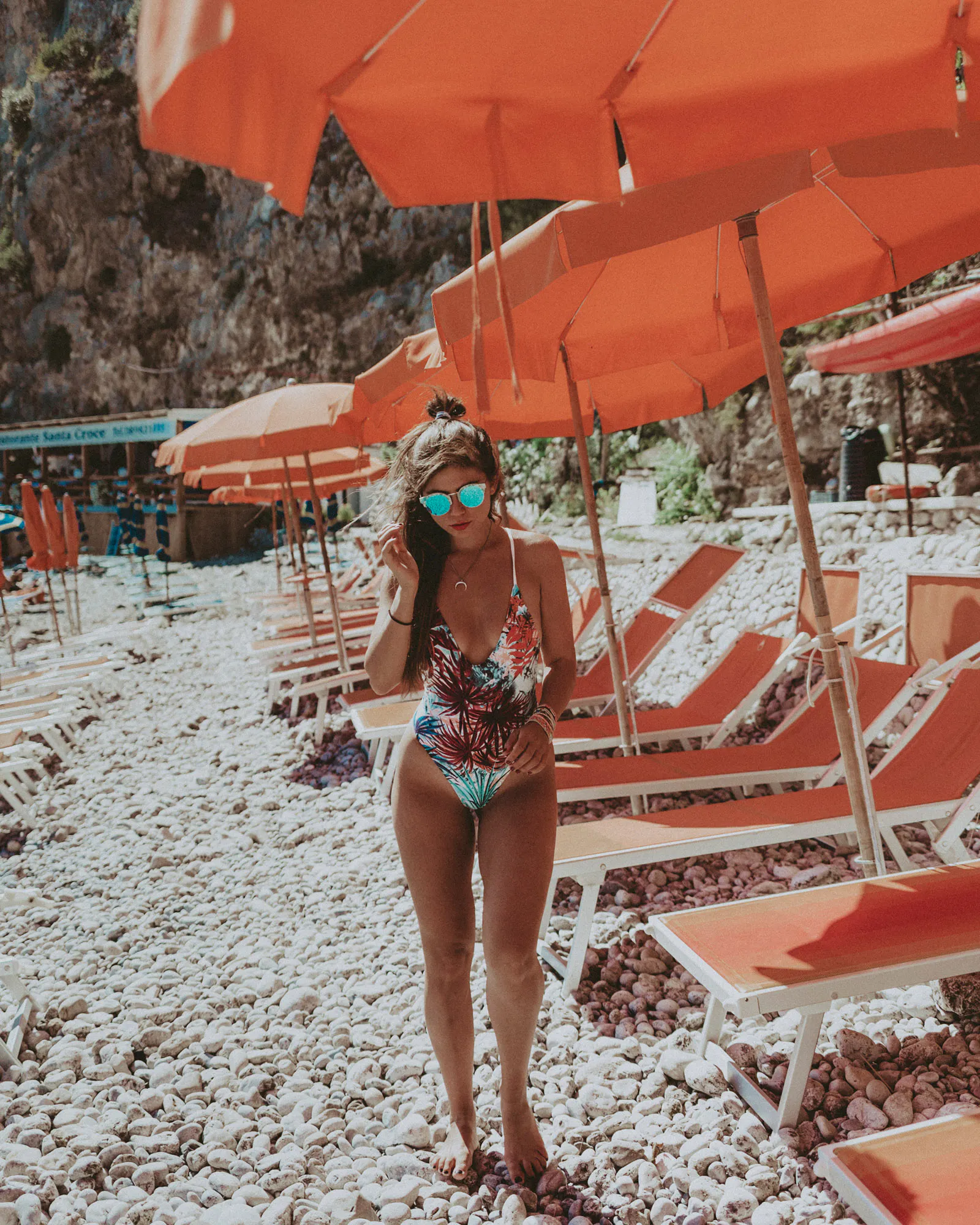
One Fire Beach Club sits just outside Praiano and shifts the idea of a “beach day” into something more curated, where the focus leans toward atmosphere, music, and a structured setup rather than open shoreline; instead of sand, you are working with platforms carved into the rock, direct ladder access into deep water, and a layout designed for spending the entire day in one place. The experience builds as the day goes on, with music, drinks, and a more social energy that feels distinct from the quieter coves nearby, which makes it a better fit if you are looking for a full-day environment rather than a quick swim stop.
It requires a reservation in advance during peak season, and once you arrive, the setup encourages you to stay put, which can be a positive if you want something organized and contained, though it is not interchangeable with a traditional beach.
- Parking: Limited roadside above, most arrive via taxi or driver
- Fees / Permits: Entry fee with minimum spend
- How to Reach: Shuttle boat or stairs from coastal road
- Hazards: No sand, deep water entry only
- Known For: Social atmosphere and cliffside beach club experience
17. Cala Violina, Tuscany
Cala Violina sits within a protected reserve, and access is managed through a reservation system during peak season, which keeps the beach from becoming overcrowded despite its popularity; the sand is fine and the water clarity remains consistently high.
The walk through forested paths creates a more gradual transition into the beach environment, which tends to shift the pace of the day in a noticeable way.
- Parking: Designated lot with walk or shuttle
- Fees / Permits: Reservation required in peak season
- How to Reach: 20 minute walk
- Hazards: Limited shade
- Known For: Soft sand and controlled access
18. San Fruttuoso, Liguria
San Fruttuoso sits in a small bay that is primarily accessed by boat or hiking trail, which immediately limits volume and creates a more contained experience; the presence of the historic abbey directly on the shoreline adds a distinct architectural element to the setting.
The beach itself is pebbled and relatively small, though the surrounding water remains clear and calm, particularly in the morning.
- Parking: Not directly accessible
- Fees / Permits: Free beach, paid transport
- How to Reach: Boat or hike
- Hazards: Limited space
- Known For: Secluded cove and abbey backdrop
19. Paraggi Beach, Liguria
Paraggi offers one of the few sandy beaches in Liguria, with calmer water that is more protected from open sea conditions; the setting feels more refined, with beach clubs that cater to a higher-end experience.
The limited size of the bay means availability can tighten quickly, particularly during peak months, which makes planning ahead more relevant here than at larger beaches.
- Parking: Very limited
- Fees / Permits: Mostly paid beach clubs
- How to Reach: Drive or boat
- Hazards: High pricing
- Known For: Calm water and upscale setting
20. Spiaggia delle Due Sorelle, Marche
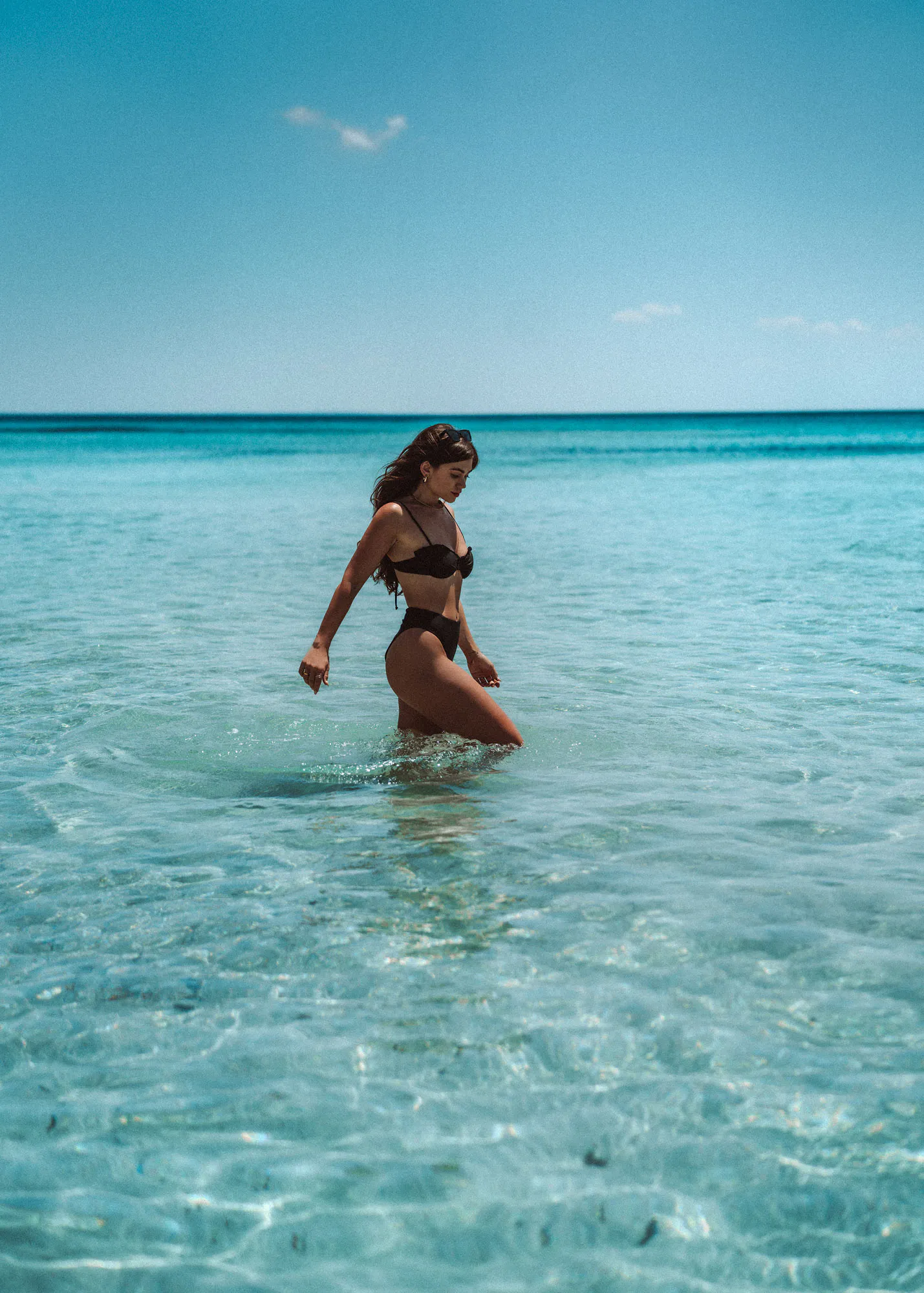

Spiaggia delle Due Sorelle sits along the Adriatic coast and is defined by two rock formations rising from the water; access is primarily by boat, which naturally controls crowd levels and preserves a quieter atmosphere.
The beach itself is composed of pebbles, and the water tends to remain clear due to the limited sediment and reduced foot traffic.
- Parking: No direct access
- Fees / Permits: Boat required
- How to Reach: Boat from nearby ports
- Hazards: Limited facilities
- Known For: Distinct rock formations