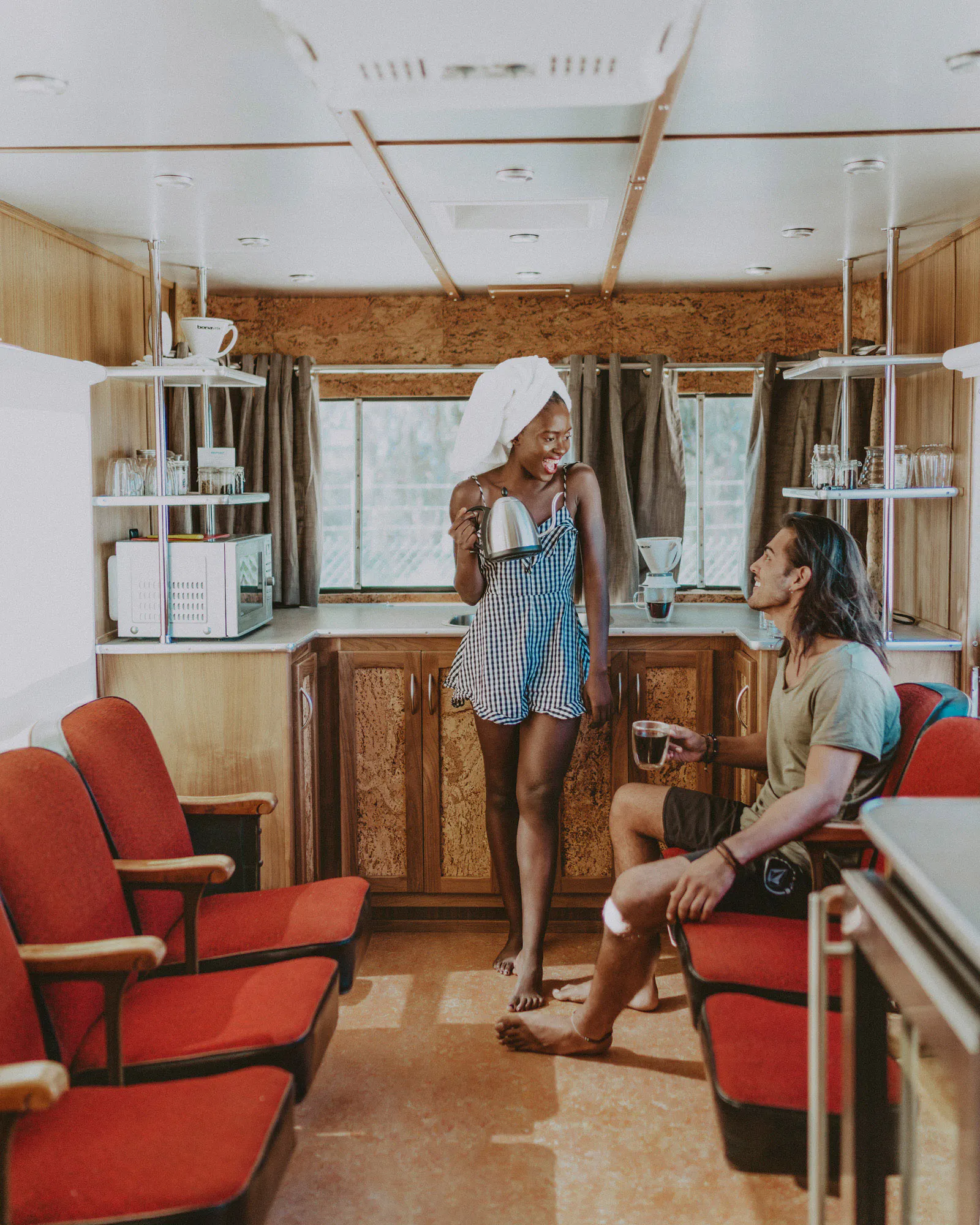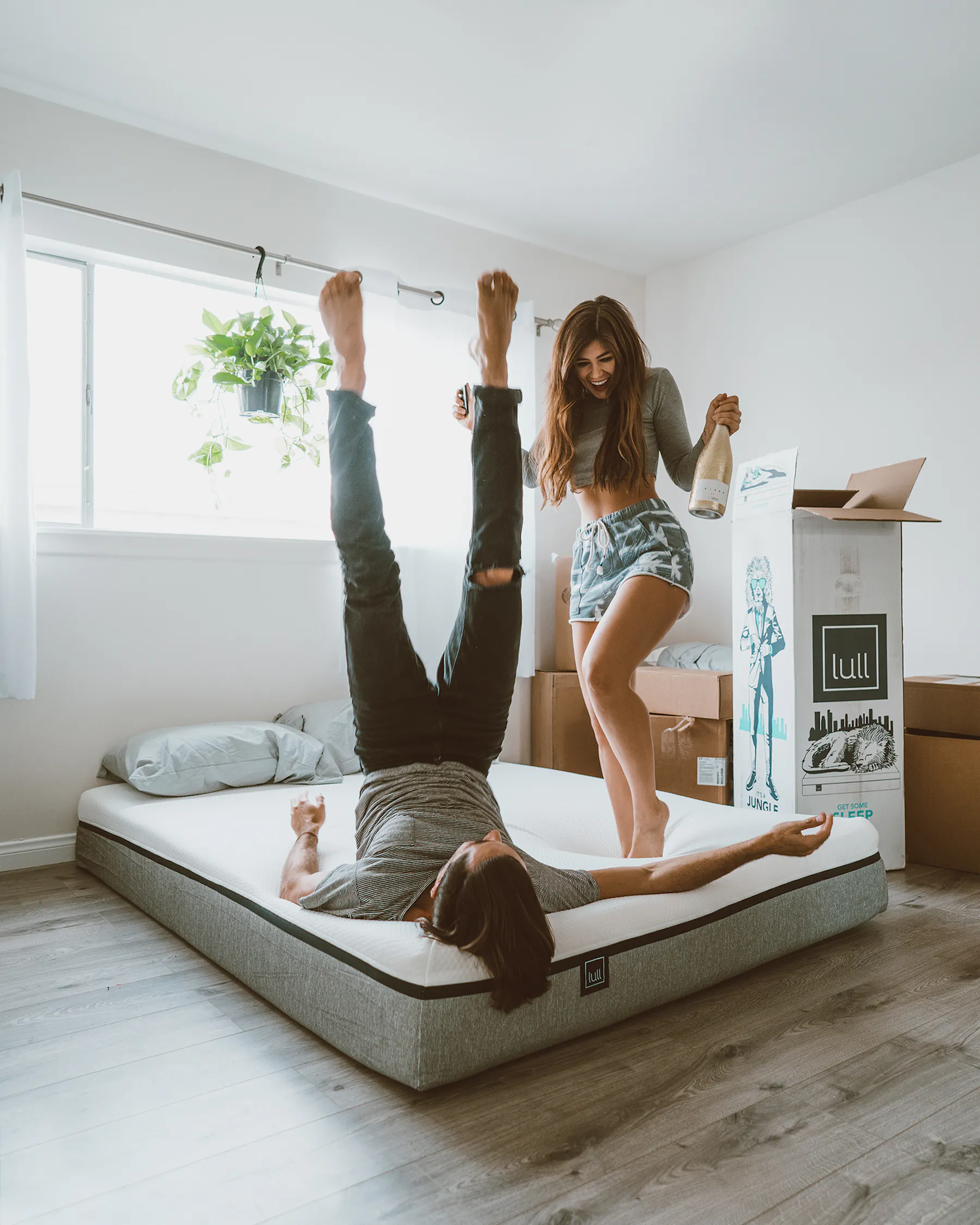
Most people focus on the perks of a smaller mortgage or less time spent cleaning when they decide to downsize. They don't usually mention the reality of trying to squeeze a lifetime of belongings into fewer square metres.
It's often a shock when you realise how much floor space your favourite armchair actually takes up. You'll likely spend the first week tripping over boxes you thought would fit easily into the cupboards. Find out why downsizing usually feels a bit more complicated than the brochures suggest below.
1. Why Furniture Dimensions Often Lie
You might measure your new living room and think your old sofa fits. However, it's worth pointing out that you often forget about the swing of doors or the space needed to walk around a coffee table. Many people find themselves with a house full of furniture that makes the place feel like a cluttered warehouse instead of a home.
To avoid living in a maze, many homeowners use professional self-storage services to hold onto pieces while they decide what stays. This gives you breathing room to live in the house before you make permanent decisions about what to sell. It's much easier to judge the space when you aren't constantly bumping into a sideboard that's too big for the wall.
Practical Ways to Use Extra Space
You can use a storage unit to keep the items you aren't ready to let go of just yet. It helps you keep your new home tidy while you organize your long-term plans. It's also true that having a clear floor helps you feel more relaxed in a smaller property. For those downsizing in Alberta, self storage units Calgary offer a flexible, accessible option for keeping the items you're not ready to part with while you settle into your new space at your own pace.
2. The Struggle with the Sentimental Pile
We all have boxes in the attic or garage that haven't been opened in years. In a large house, it's easy to ignore them and let them gather dust. When you move to a flat or a small cottage, those boxes suddenly need a permanent home.
You'll find that 'maybe' is the hardest word in the English language during a move. You won't want to bin your old photo albums or your children's school projects, even if there's no shelf for them. You'll likely need to go through these boxes several times before you can actually part with anything.
Here's a list of common items that often end up in the 'I will deal with it later' category:
- Bulky winter coats and heavy sports gear.
- Power tools and large gardening equipment.
- Heirloom furniture that doesn't fit the new decor.
- Archived paperwork and old tax records.
3. How to Handle The Loss of a Spare Room
If you're used to having a spare bedroom, losing it is a massive adjustment. You won't just lose a place for guests to sleep on the weekend. You'll also lose the place where you kept the ironing board, the Christmas tree, and your gym equipment.
It forces you to be much more creative with vertical space and hidden storage options. You'll start looking at the space under your bed and above your kitchen cabinets in a completely different way. Instead of just throwing things in a spare room, you'll have to find a specific home for every single item you own.
4. How to Stop Your New Home Feeling Cramped
Clutter doesn't just look messy in a small home. It actually makes the rooms feel smaller, and the air feel thinner. When every surface is covered in ornaments or mail, it's harder to keep the place clean.
You'll need to develop a strict one-in, one-out rule for everything you buy from now on. If you bring home a new book, an old one has to go to the charity shop. It's the only way to ensure your new living space stays comfortable and functional over the coming years.
Final Overview
Downsizing is a major lifestyle shift that requires more than just a smaller van on moving day. It's about changing how you think about your possessions and how you use your daily environment.
While the process can be stressful, the result is often a much simpler and more manageable way of living. If you take your time and use tools like storage to help the transition, you'll soon feel settled in your new space.