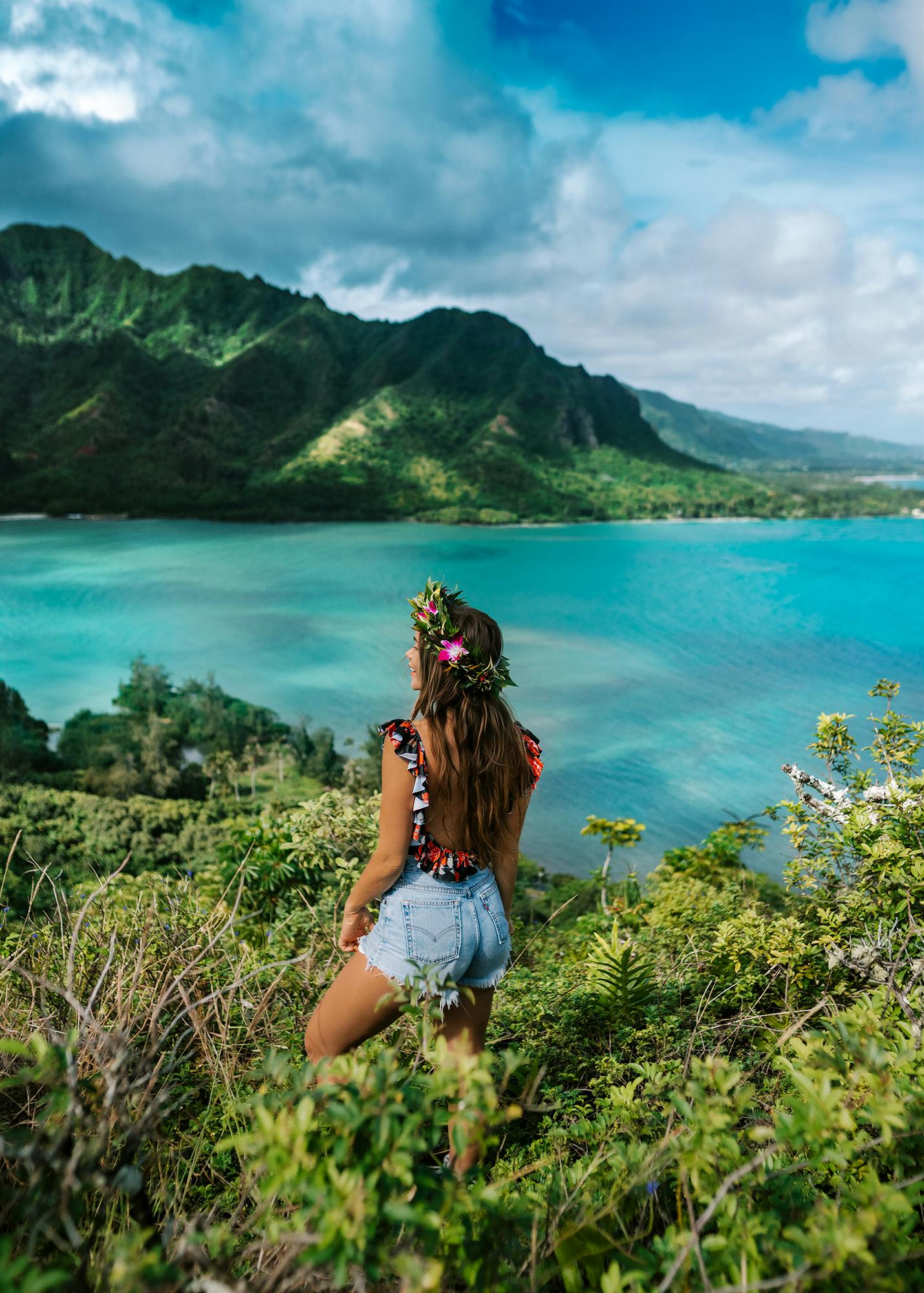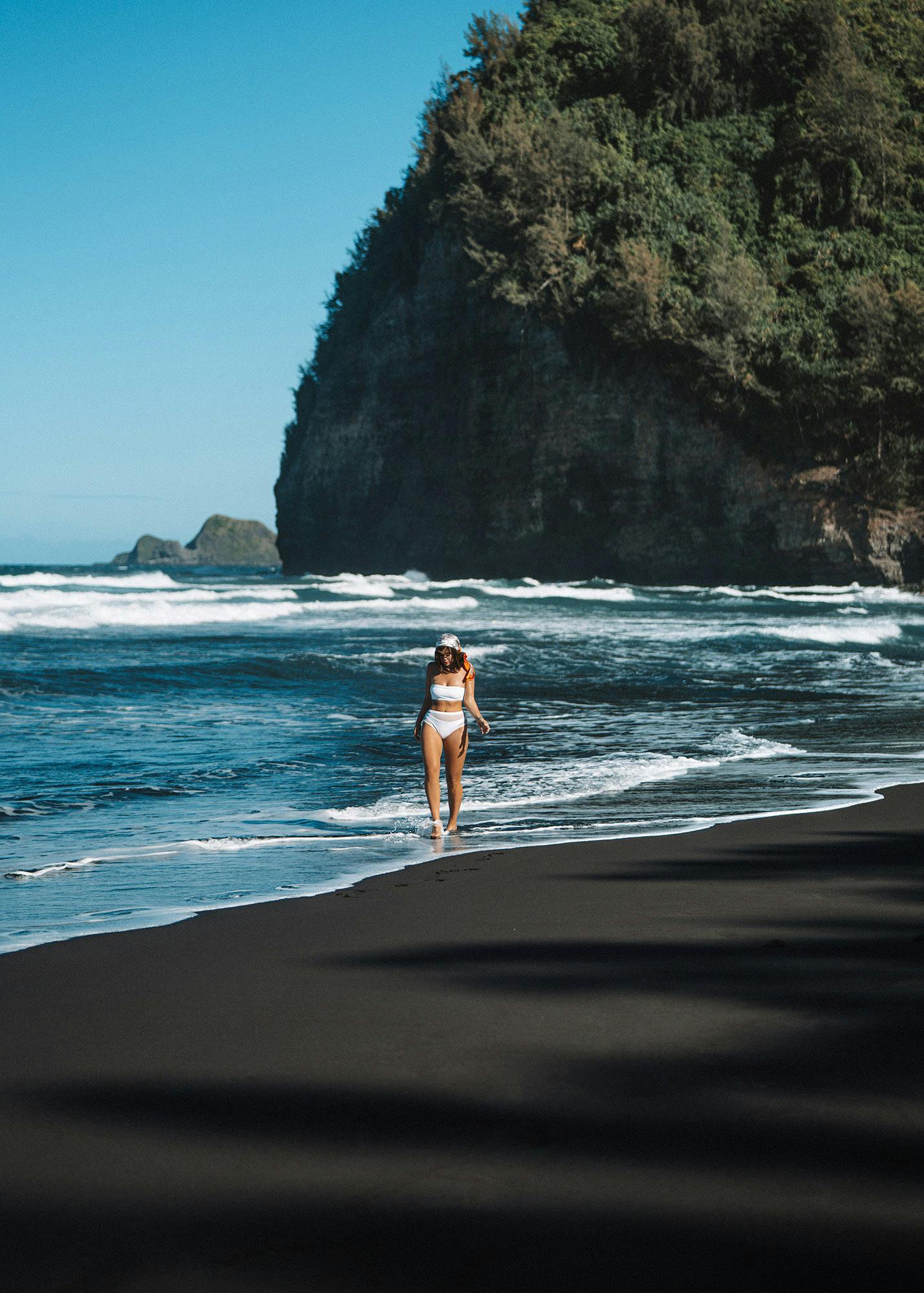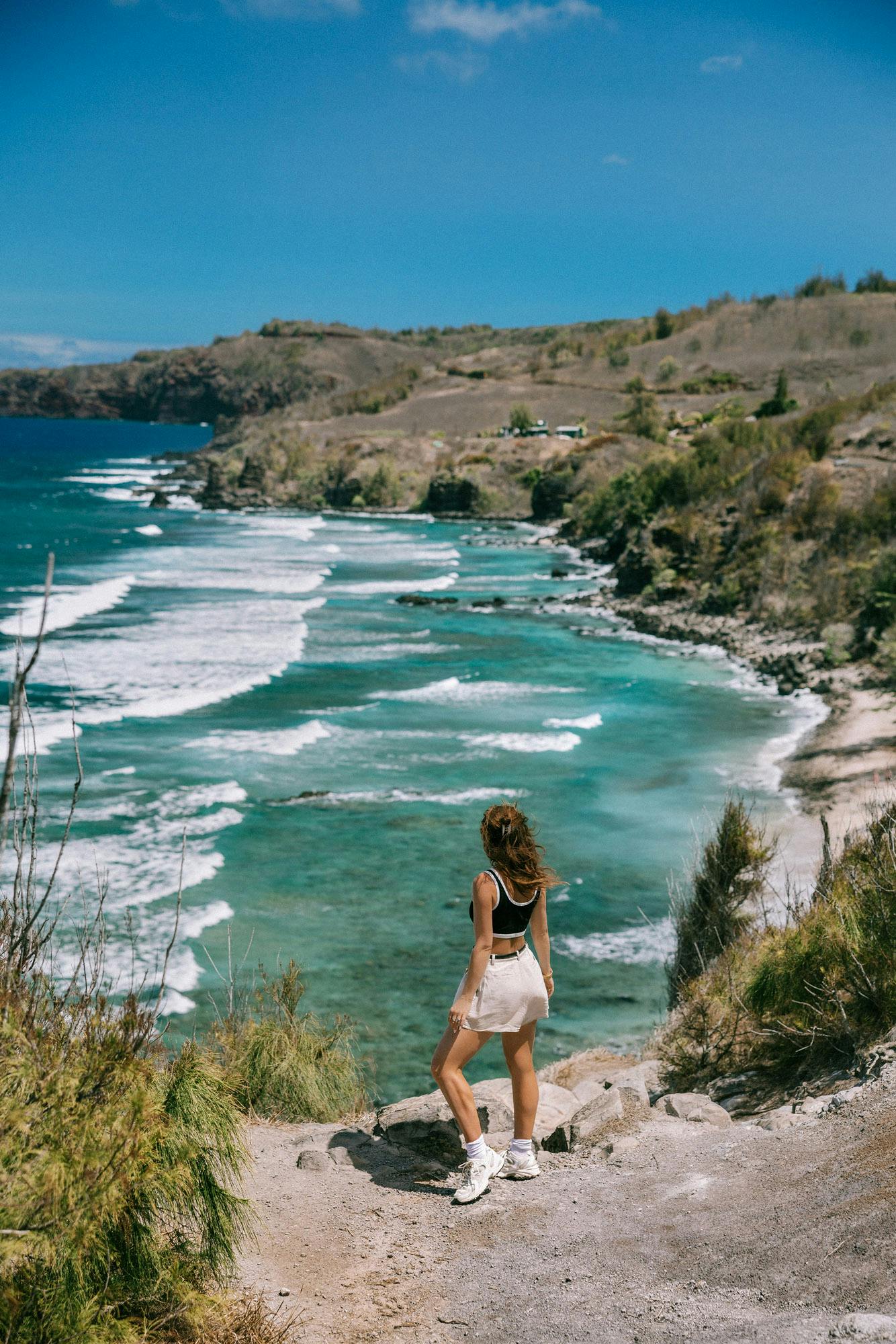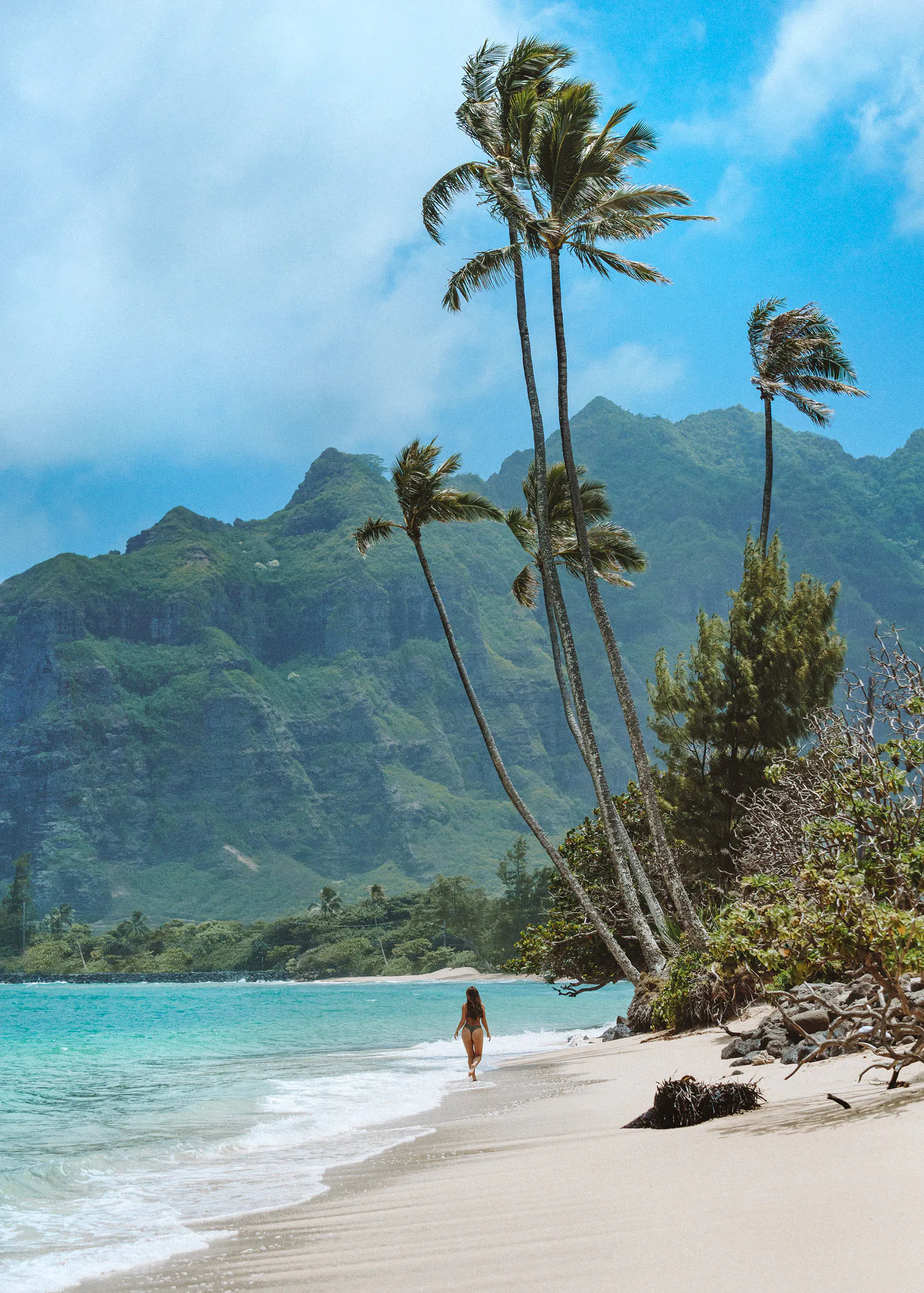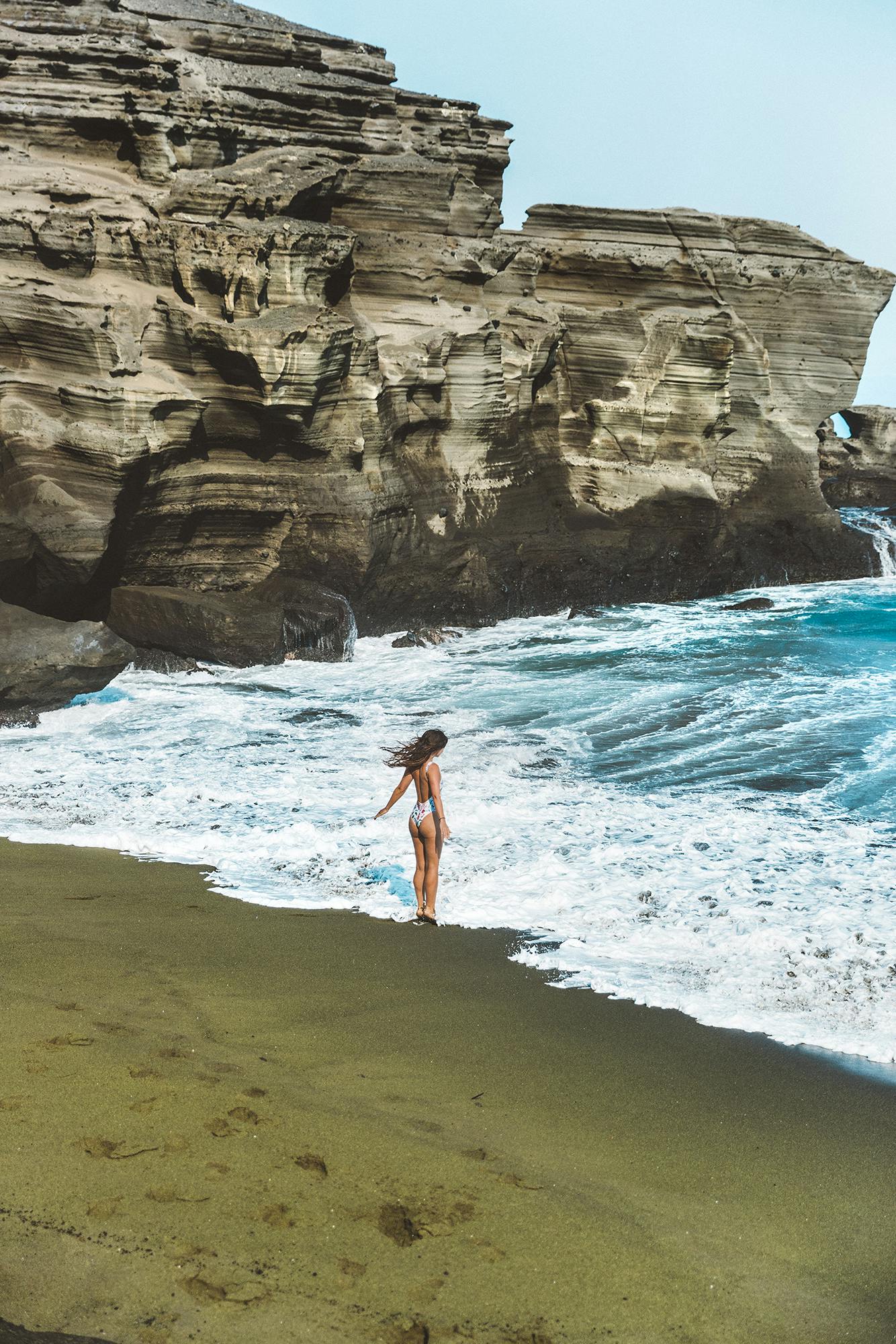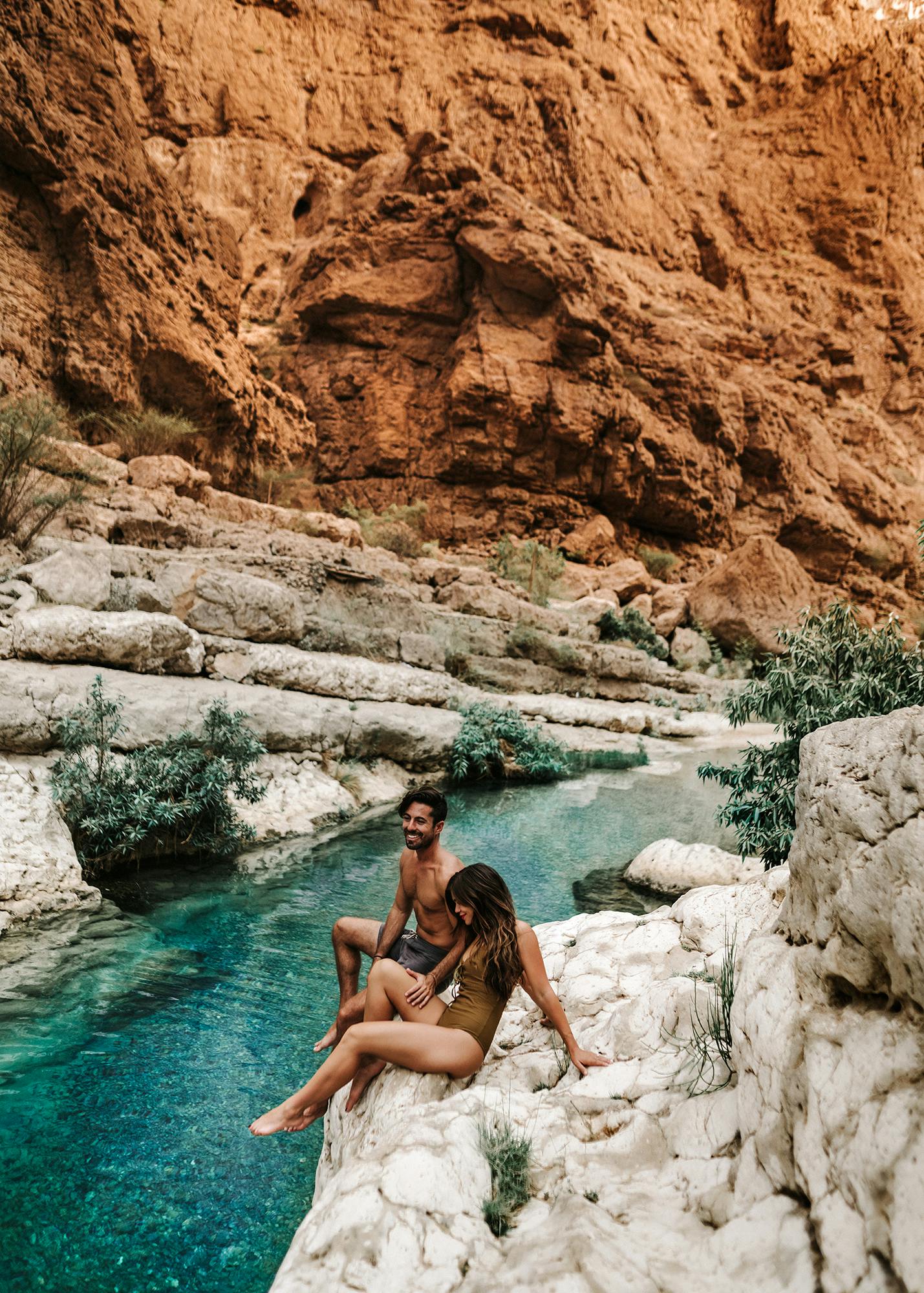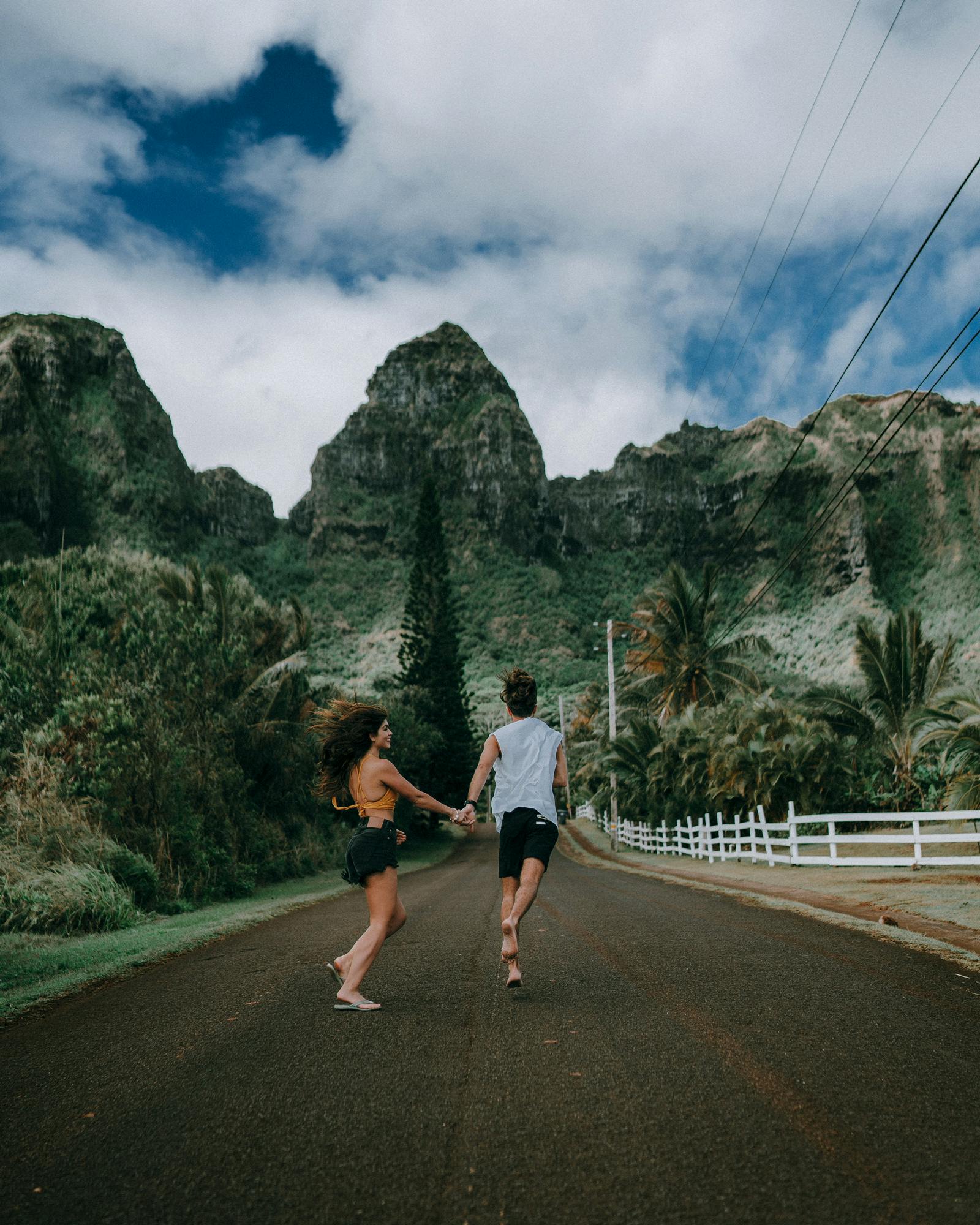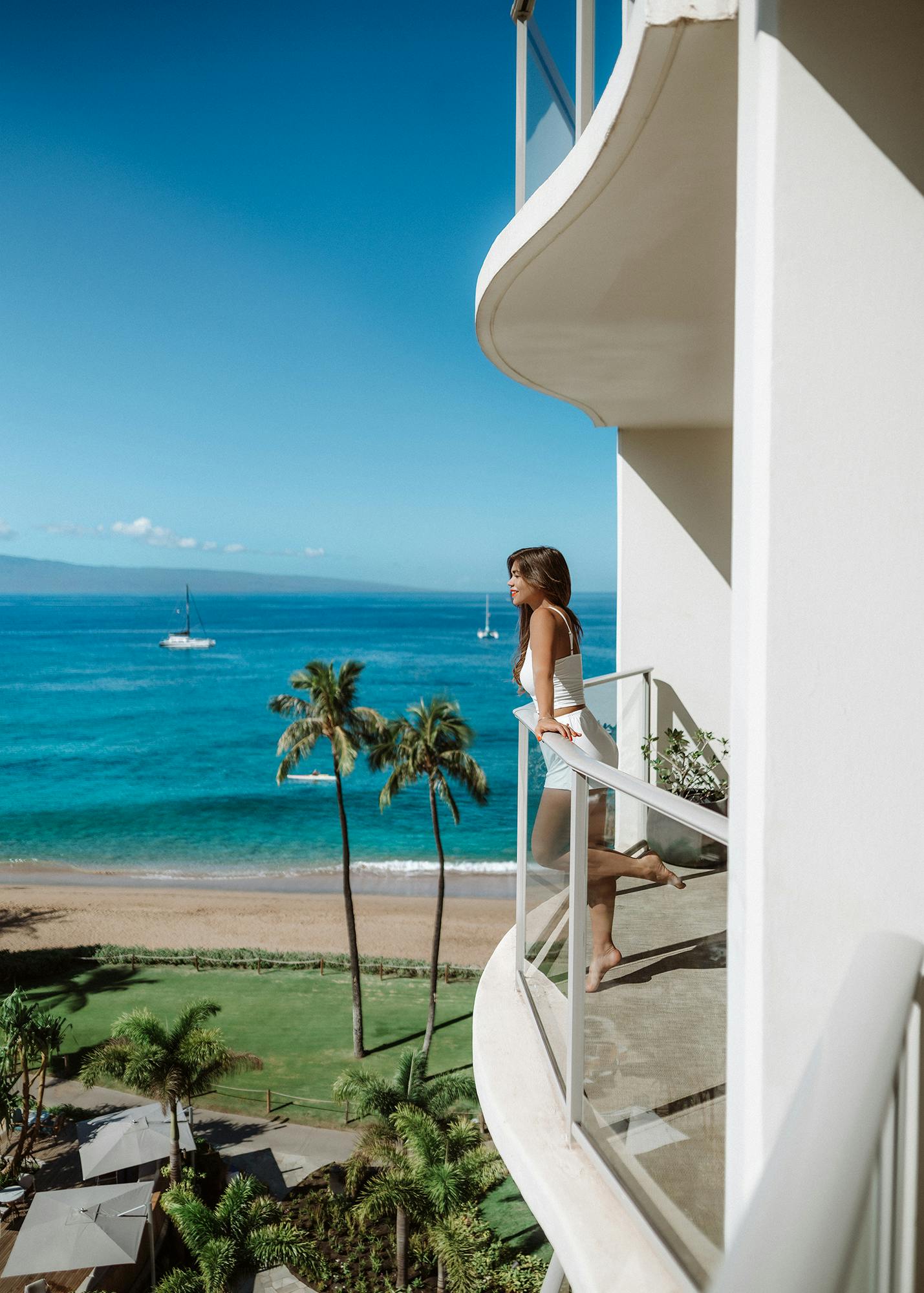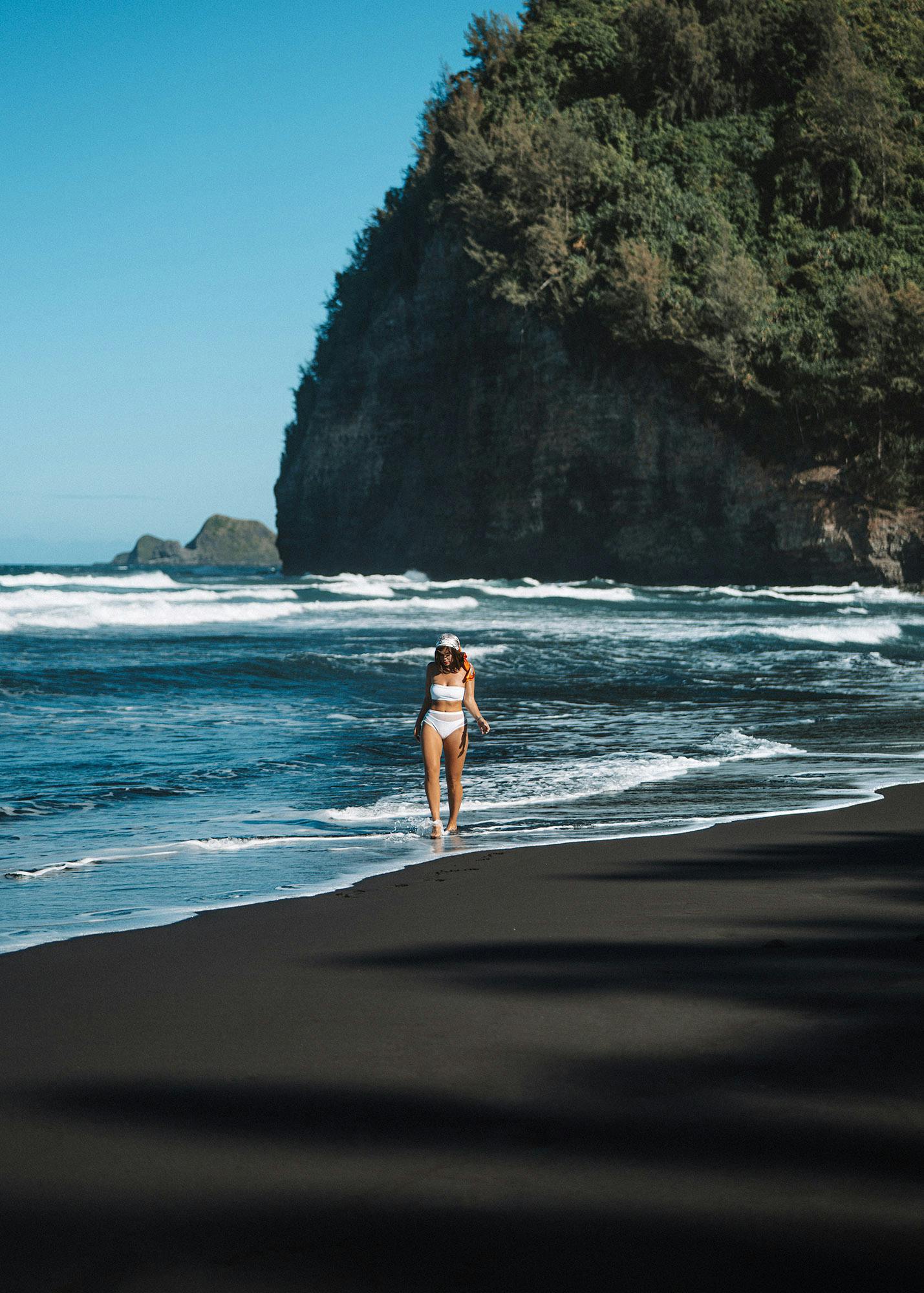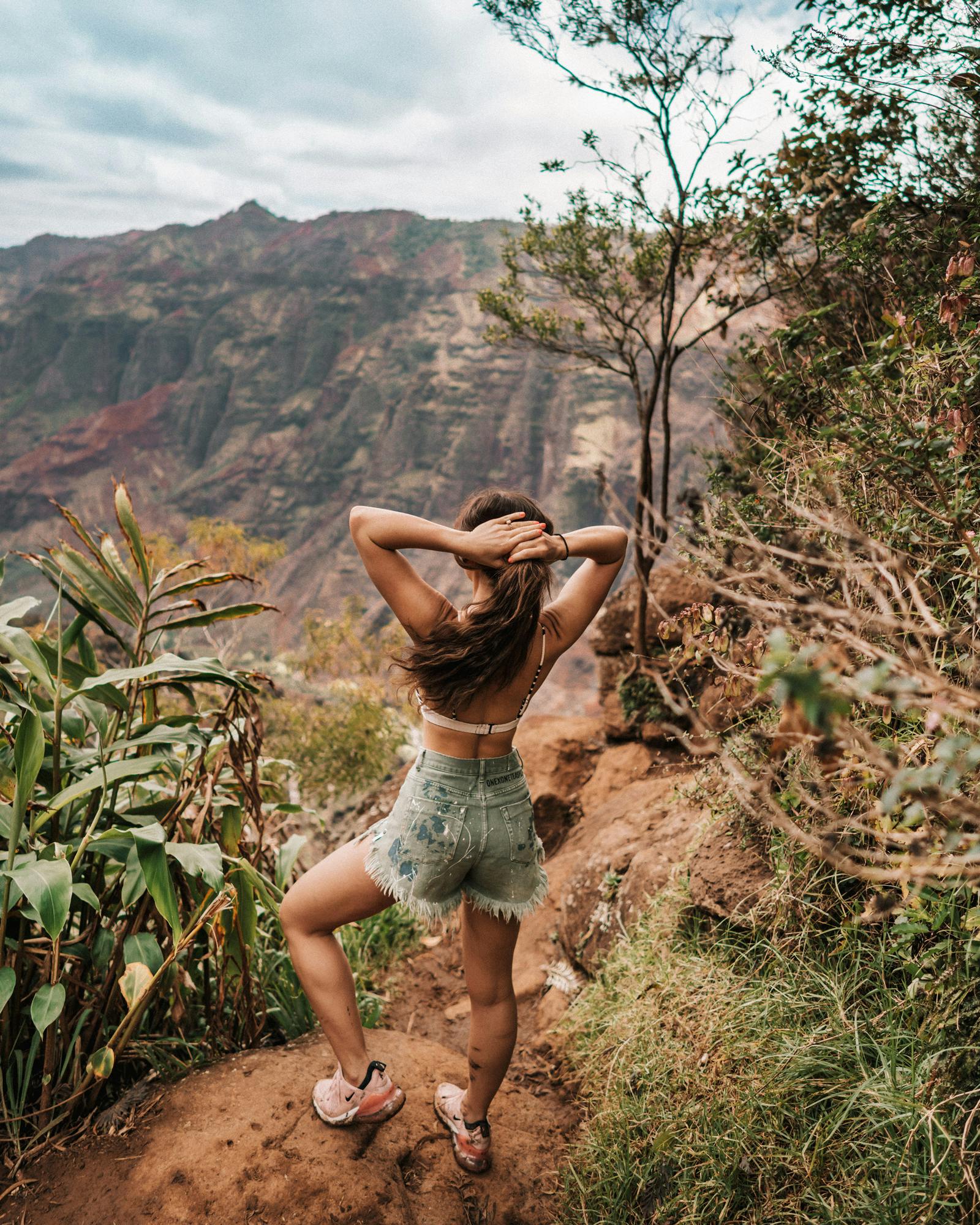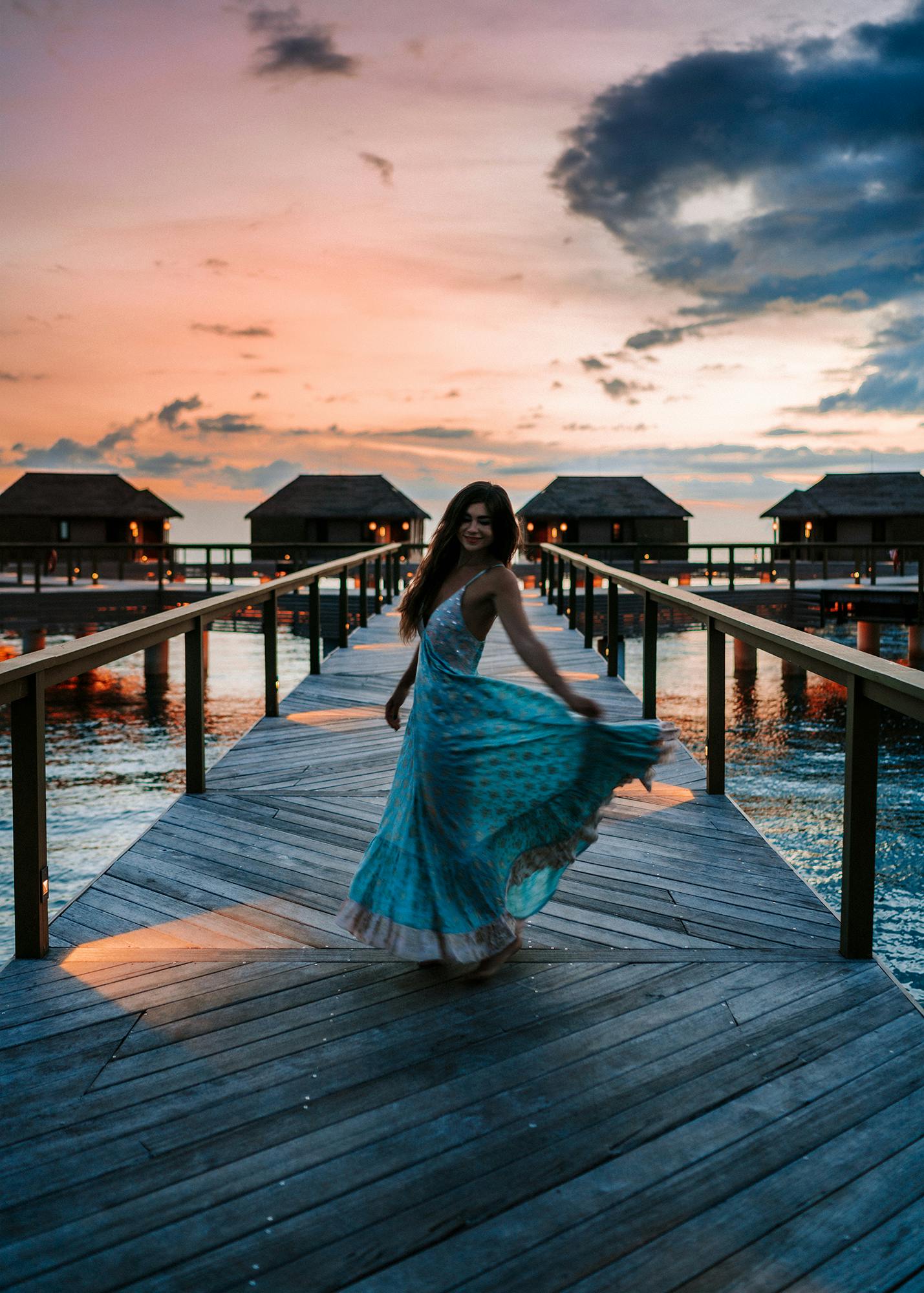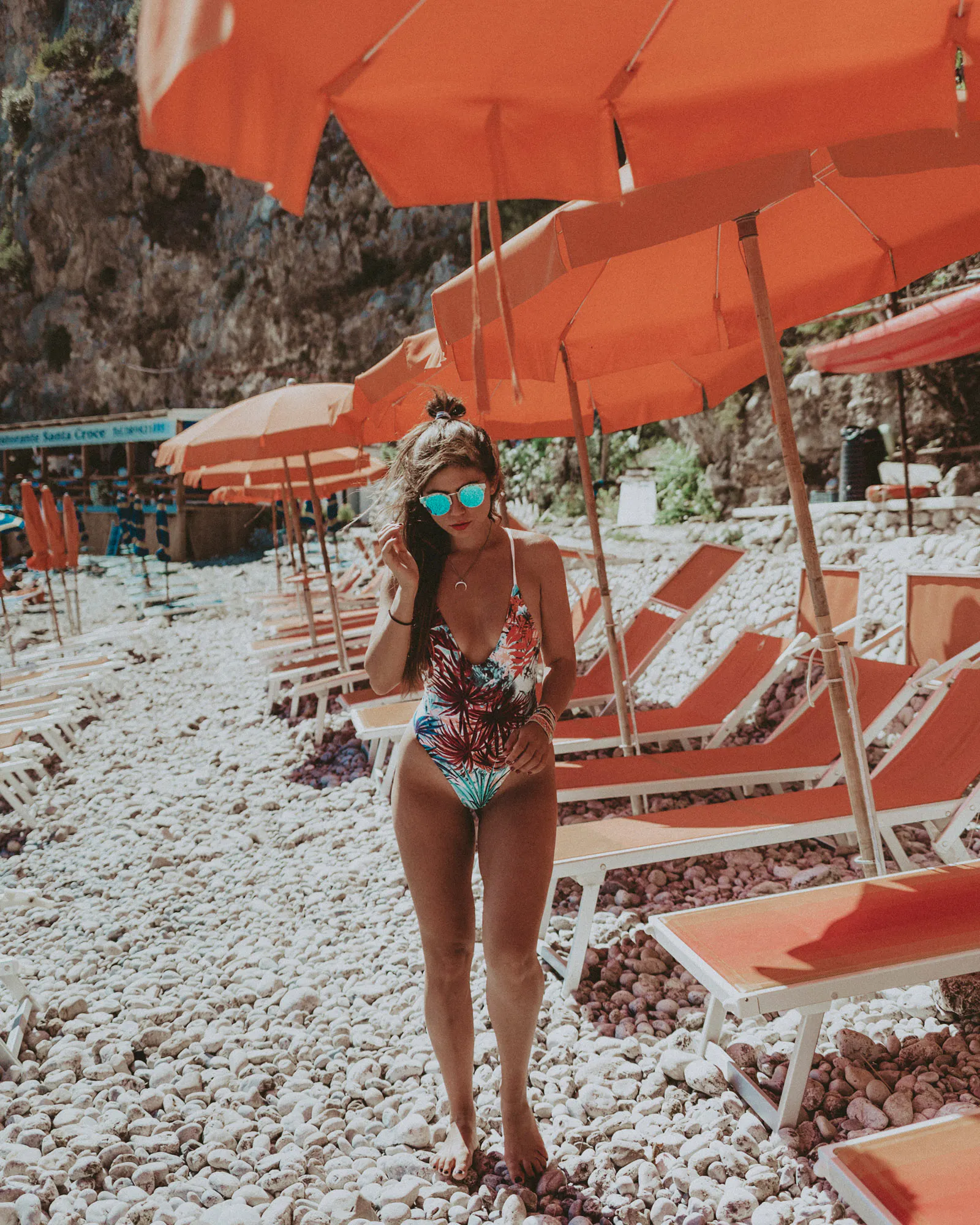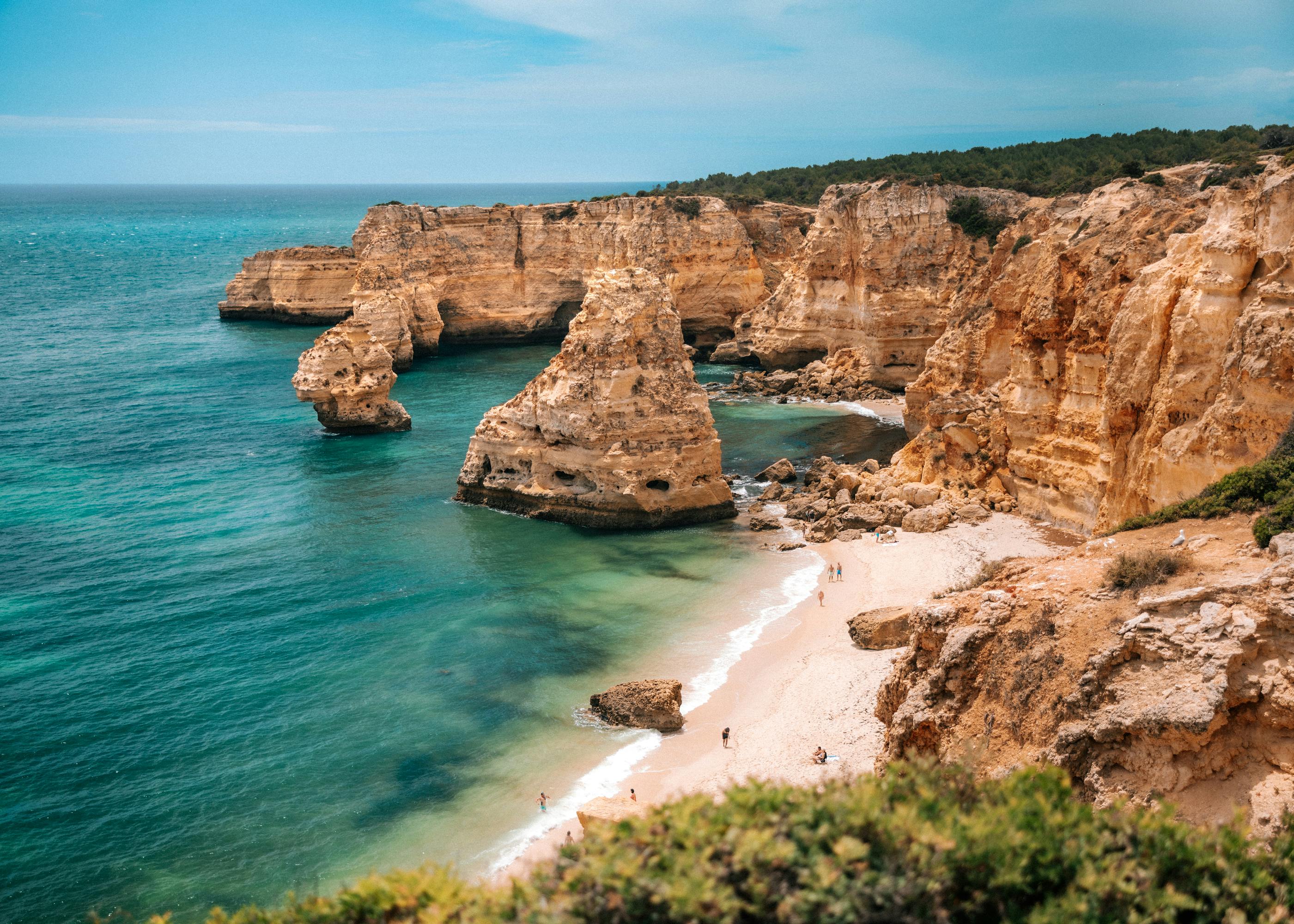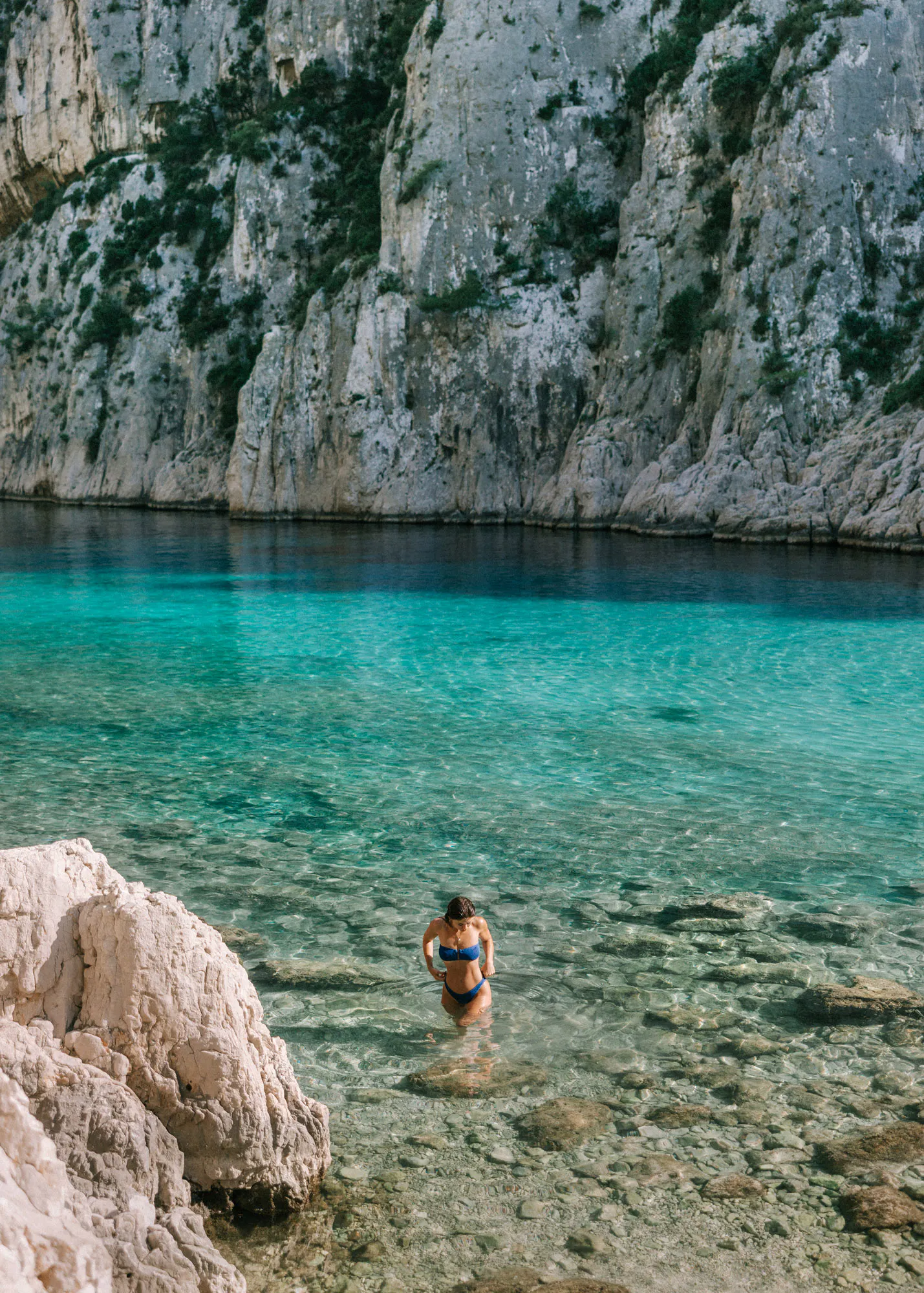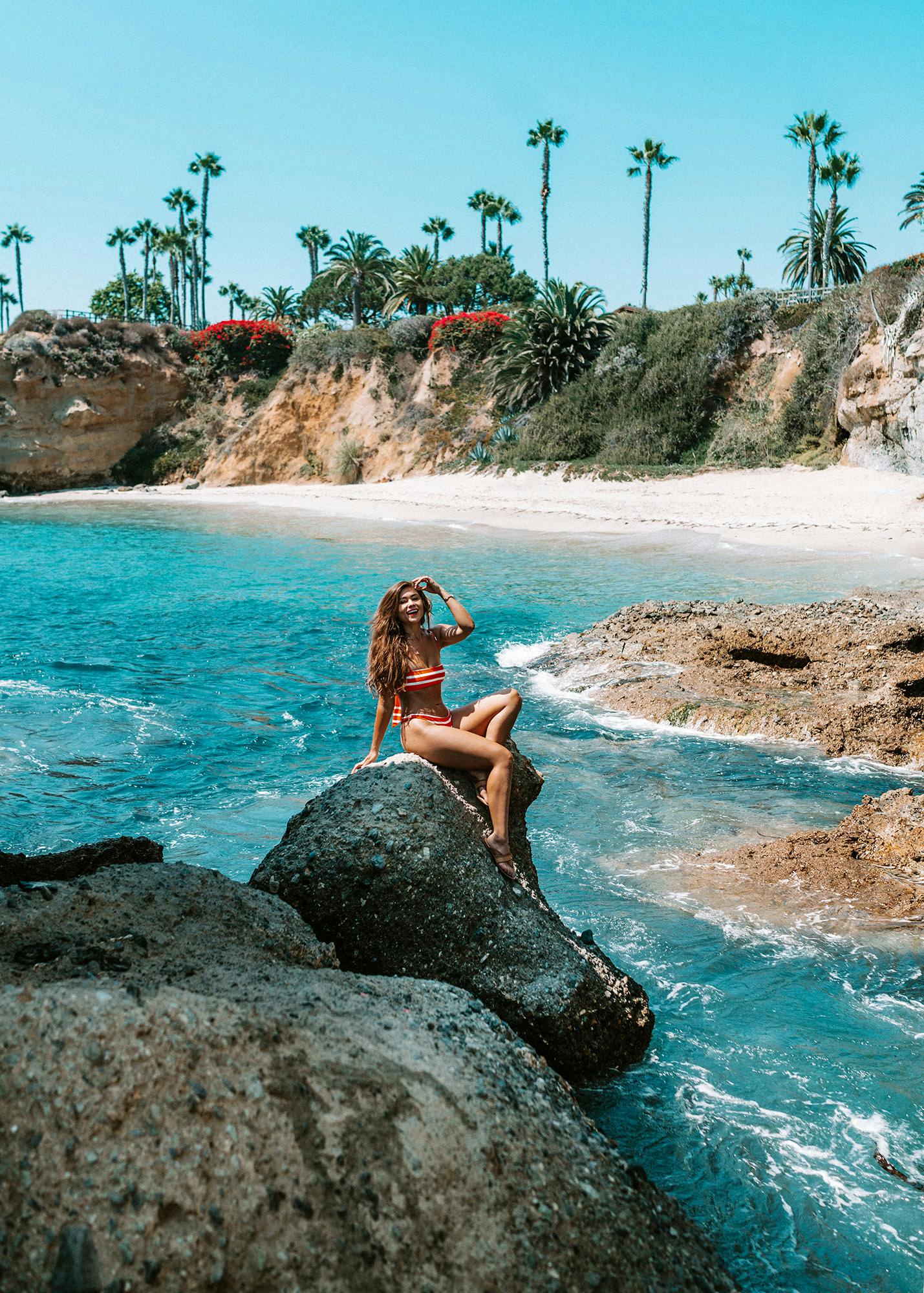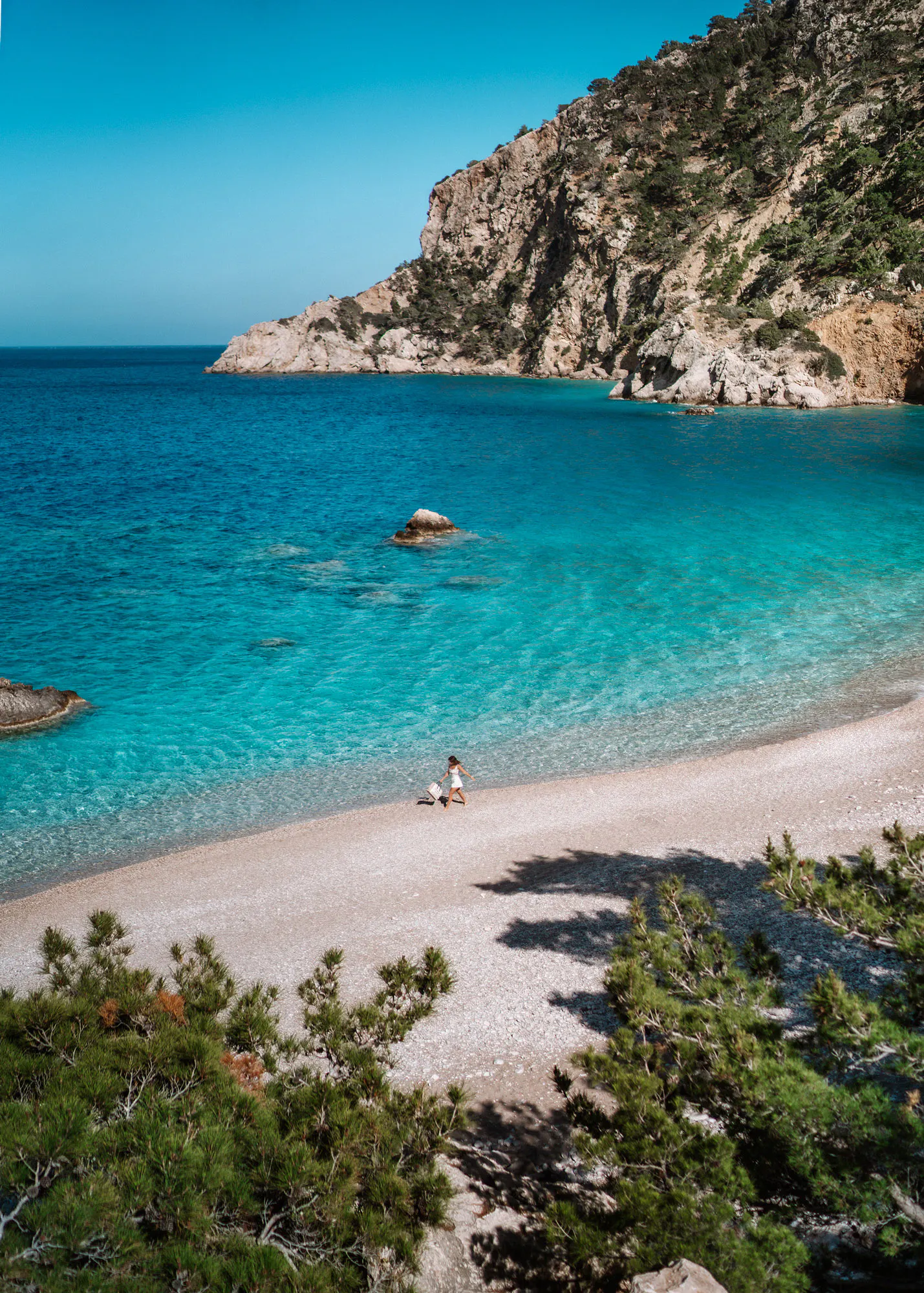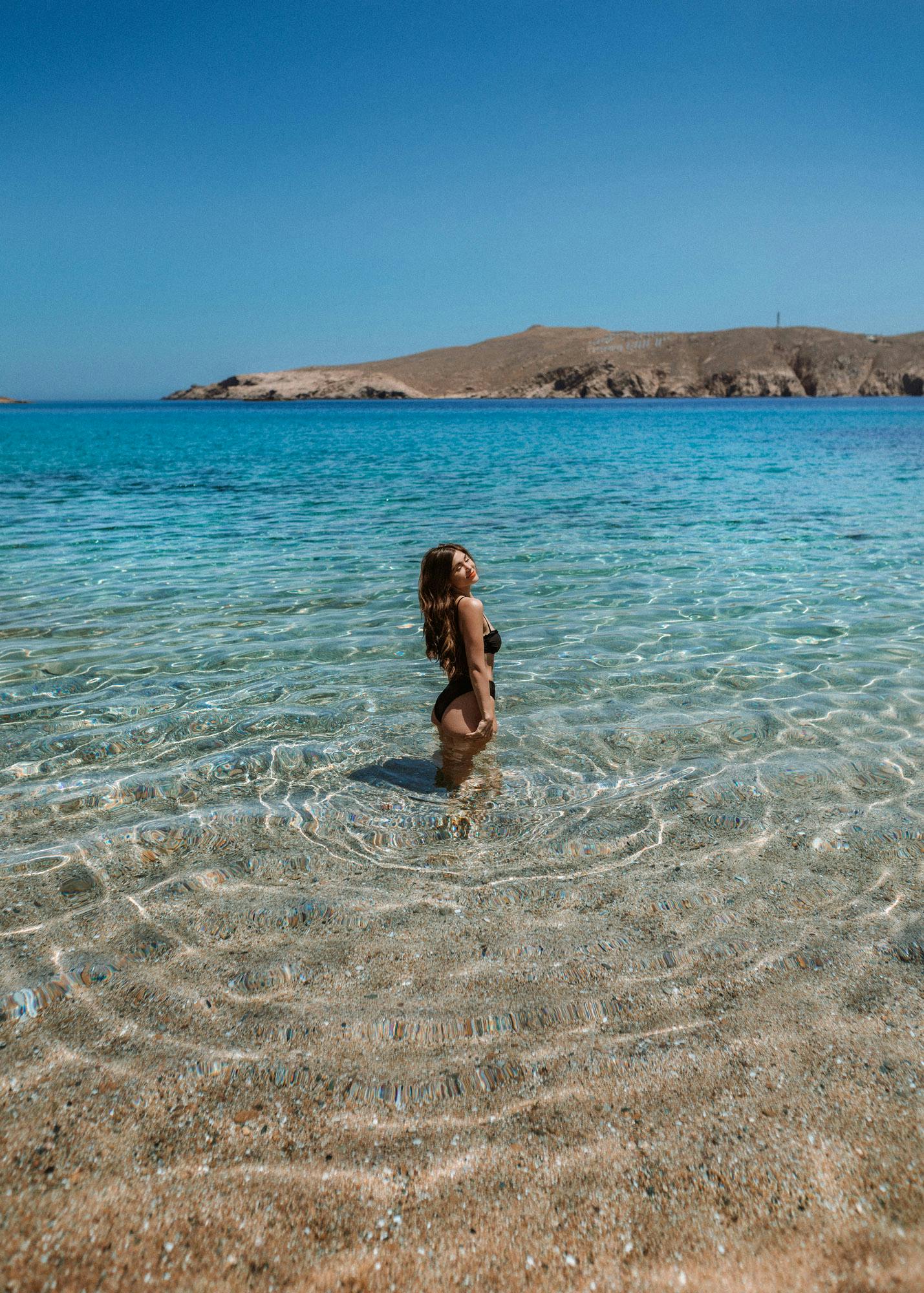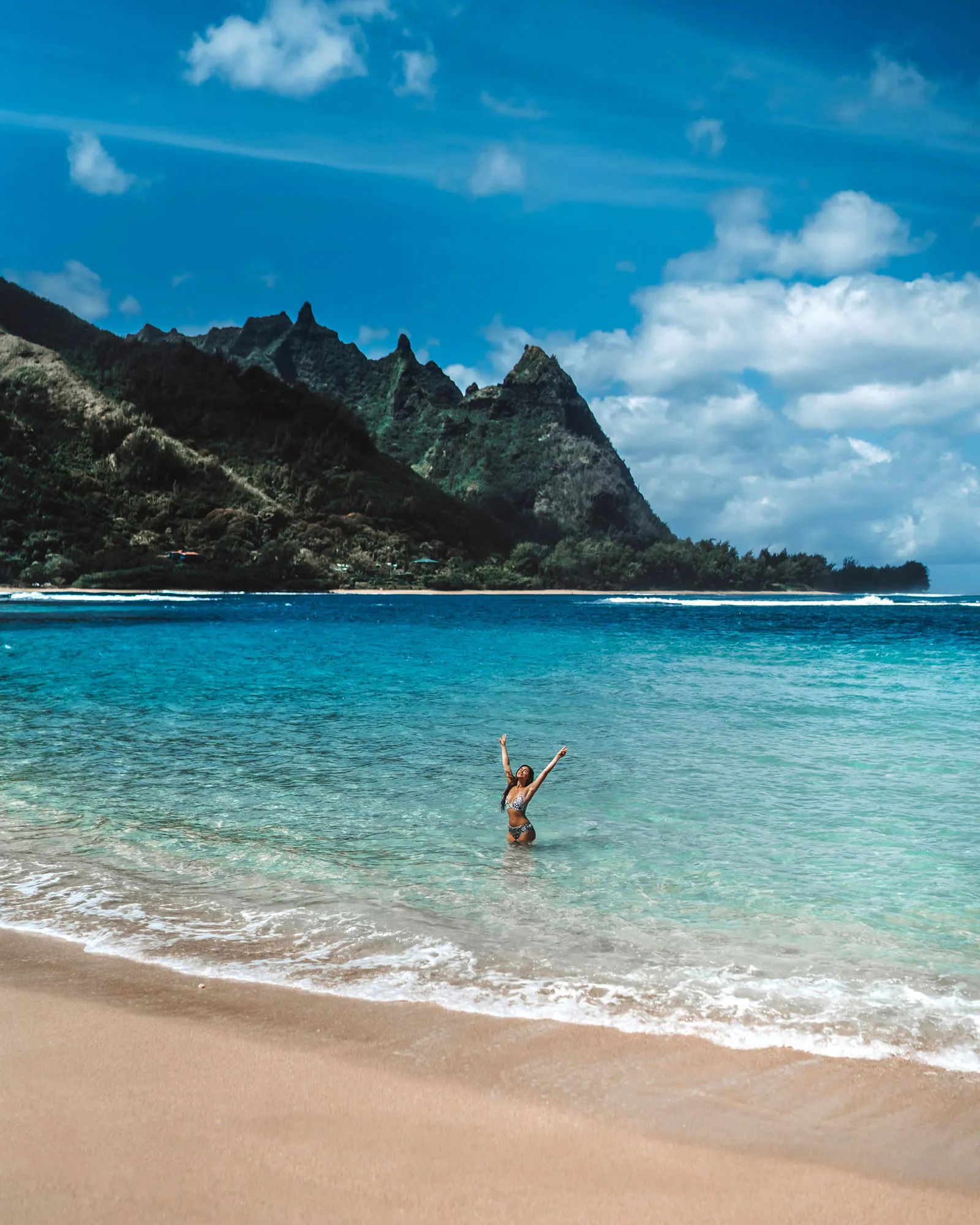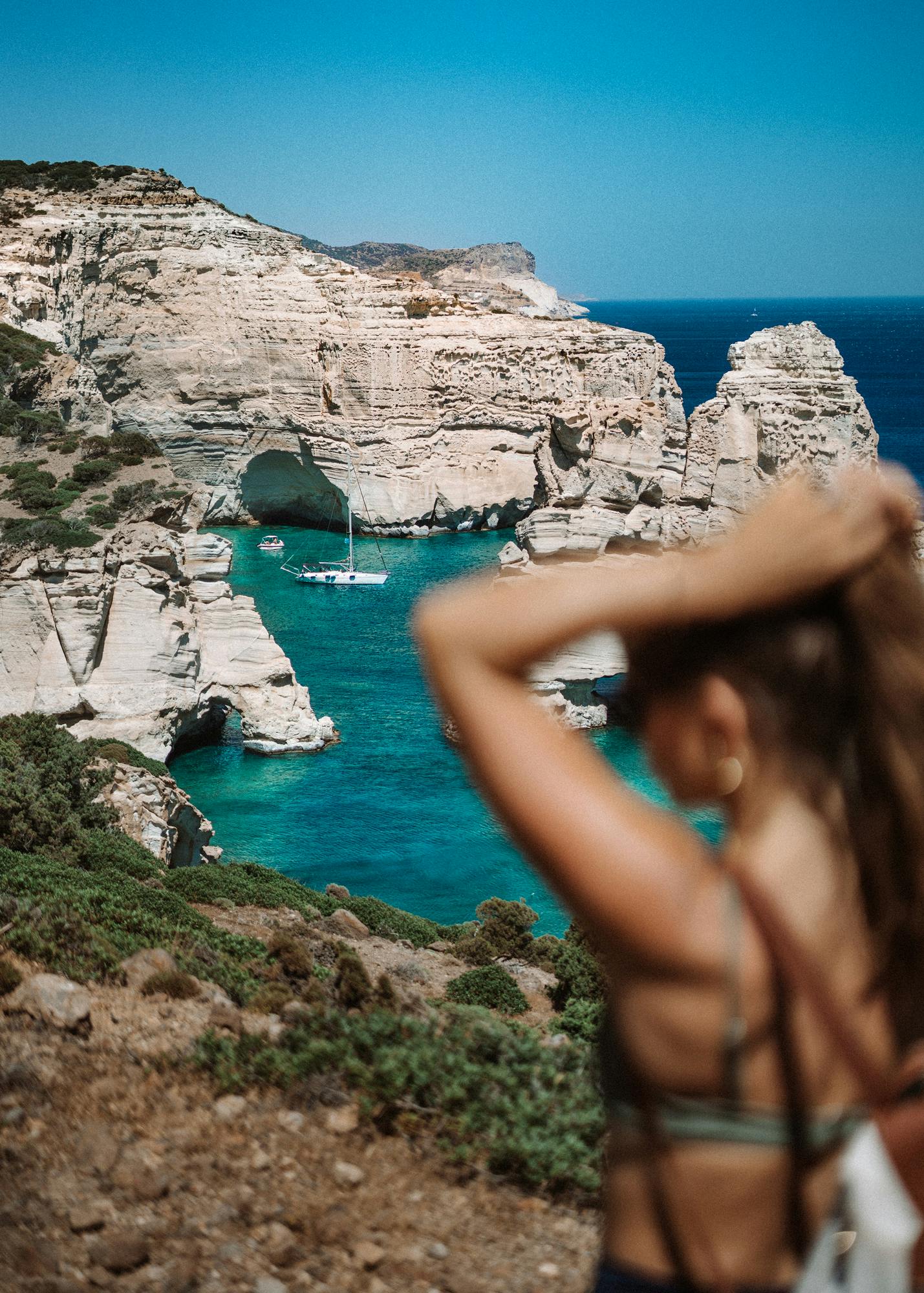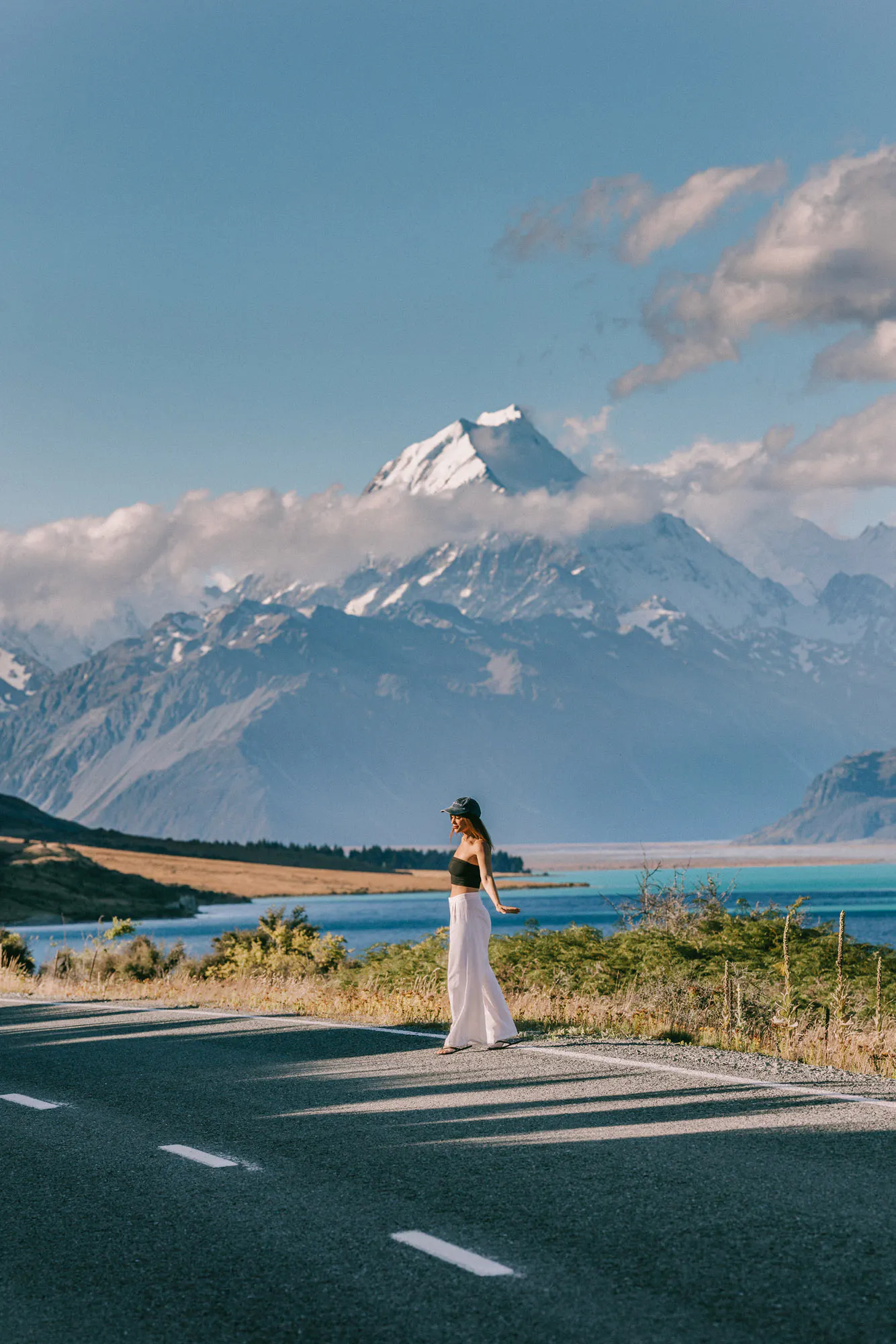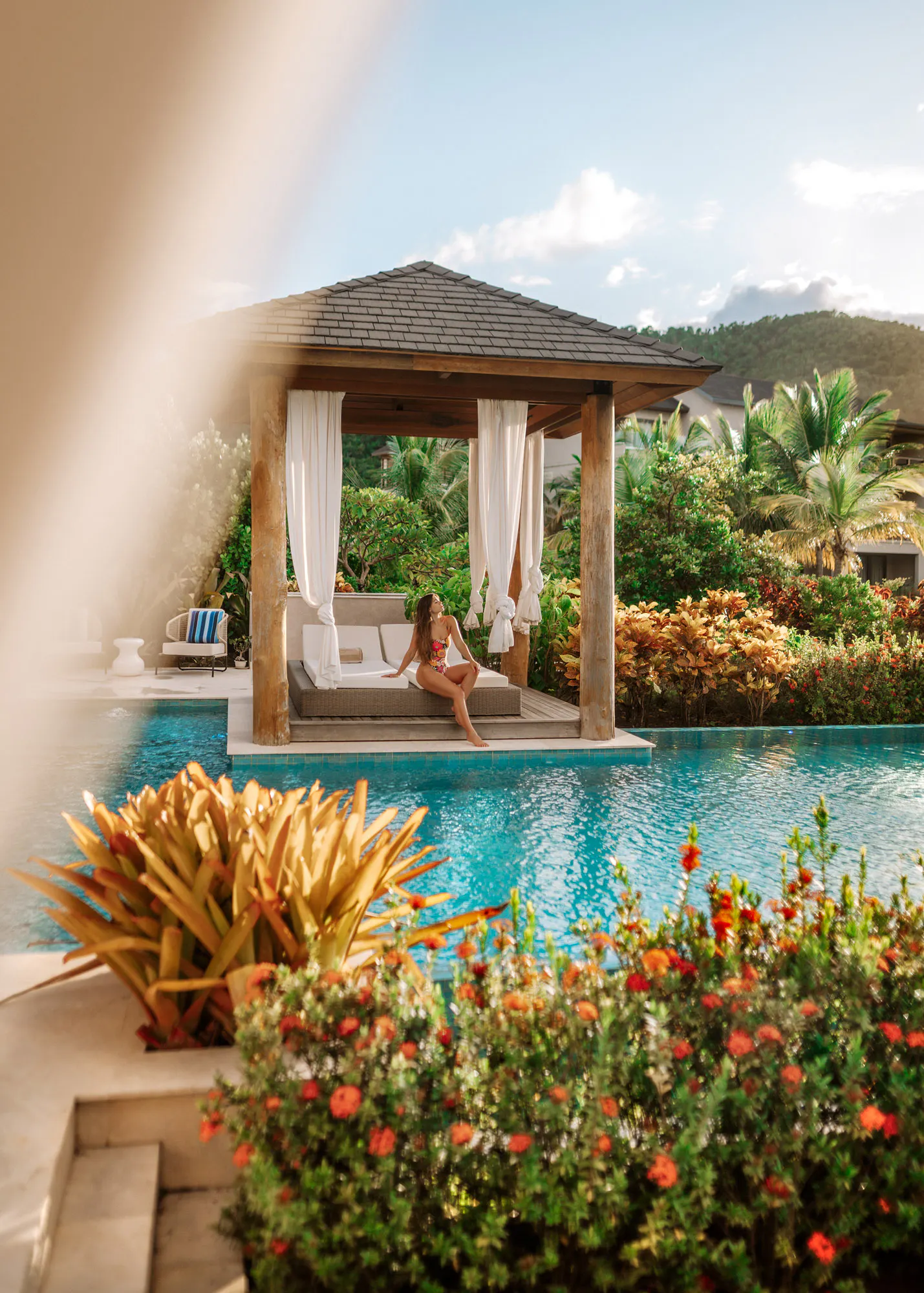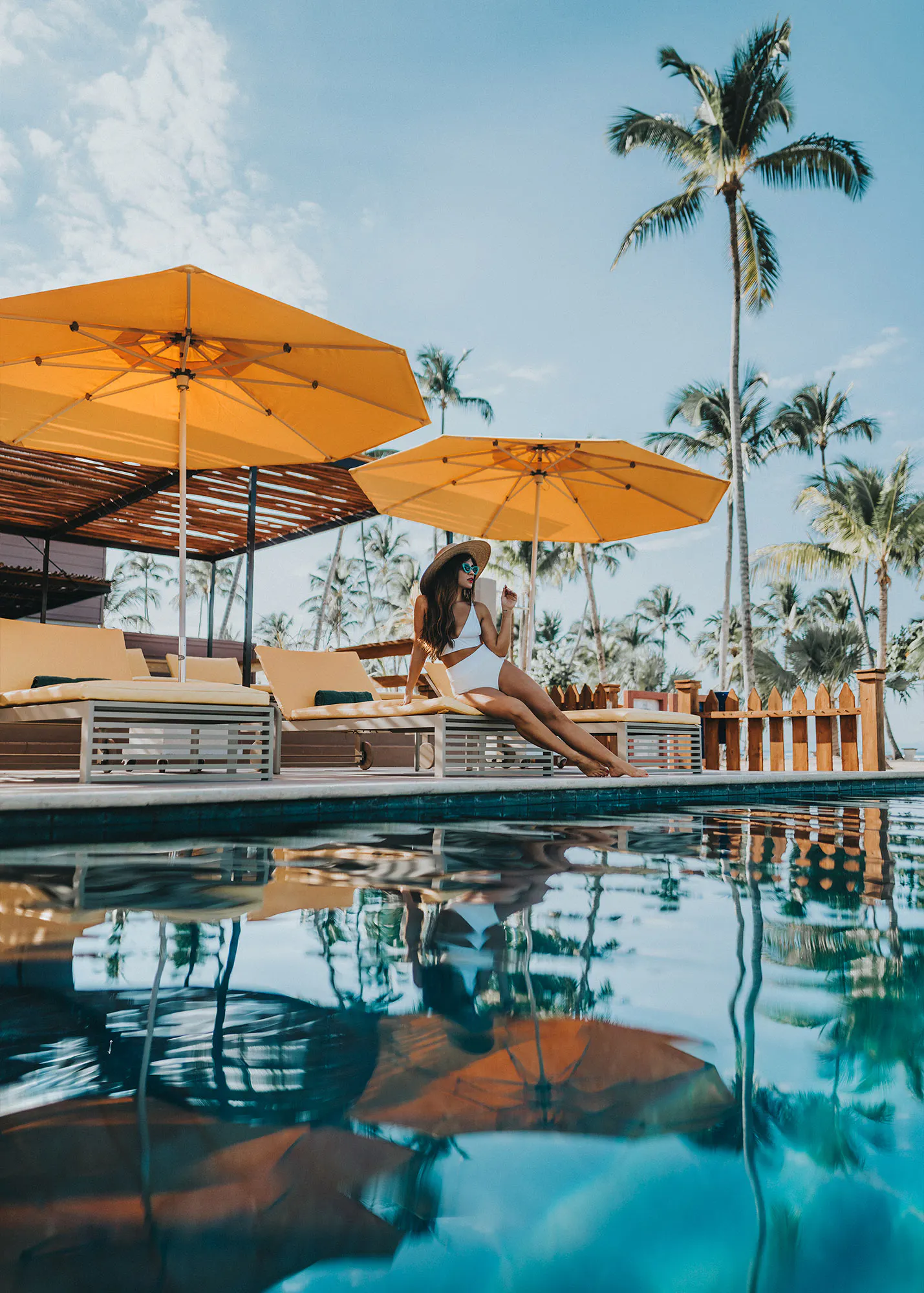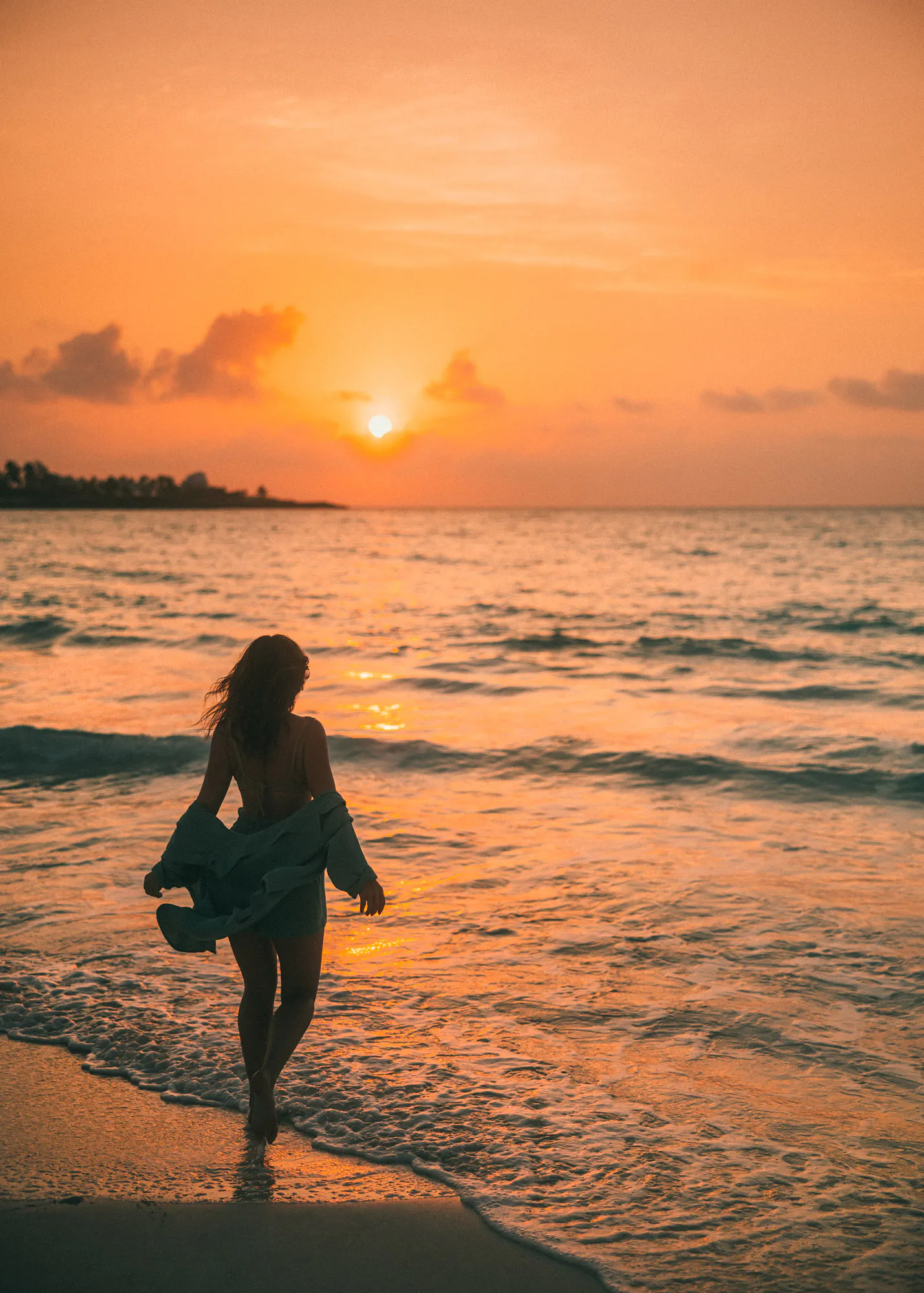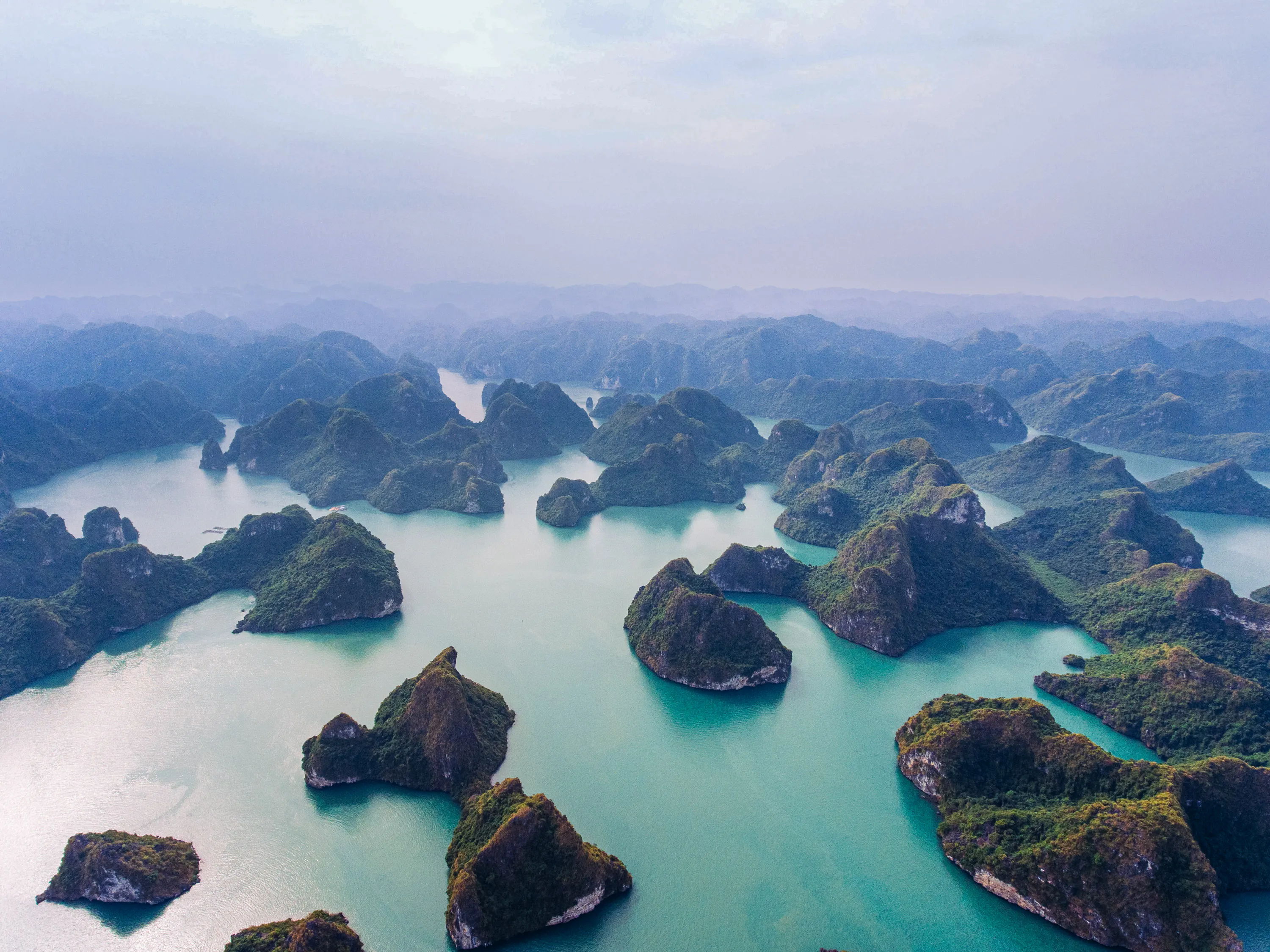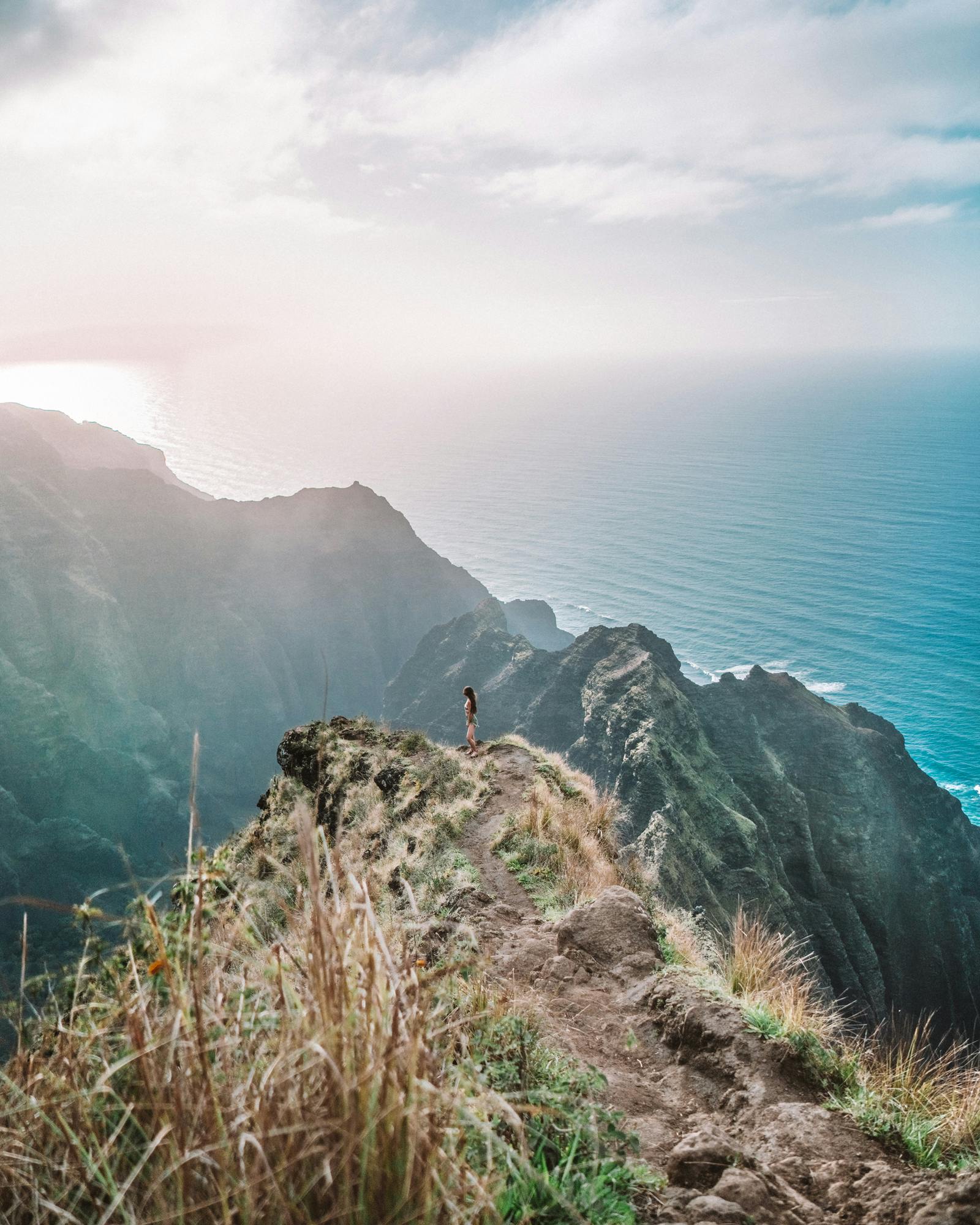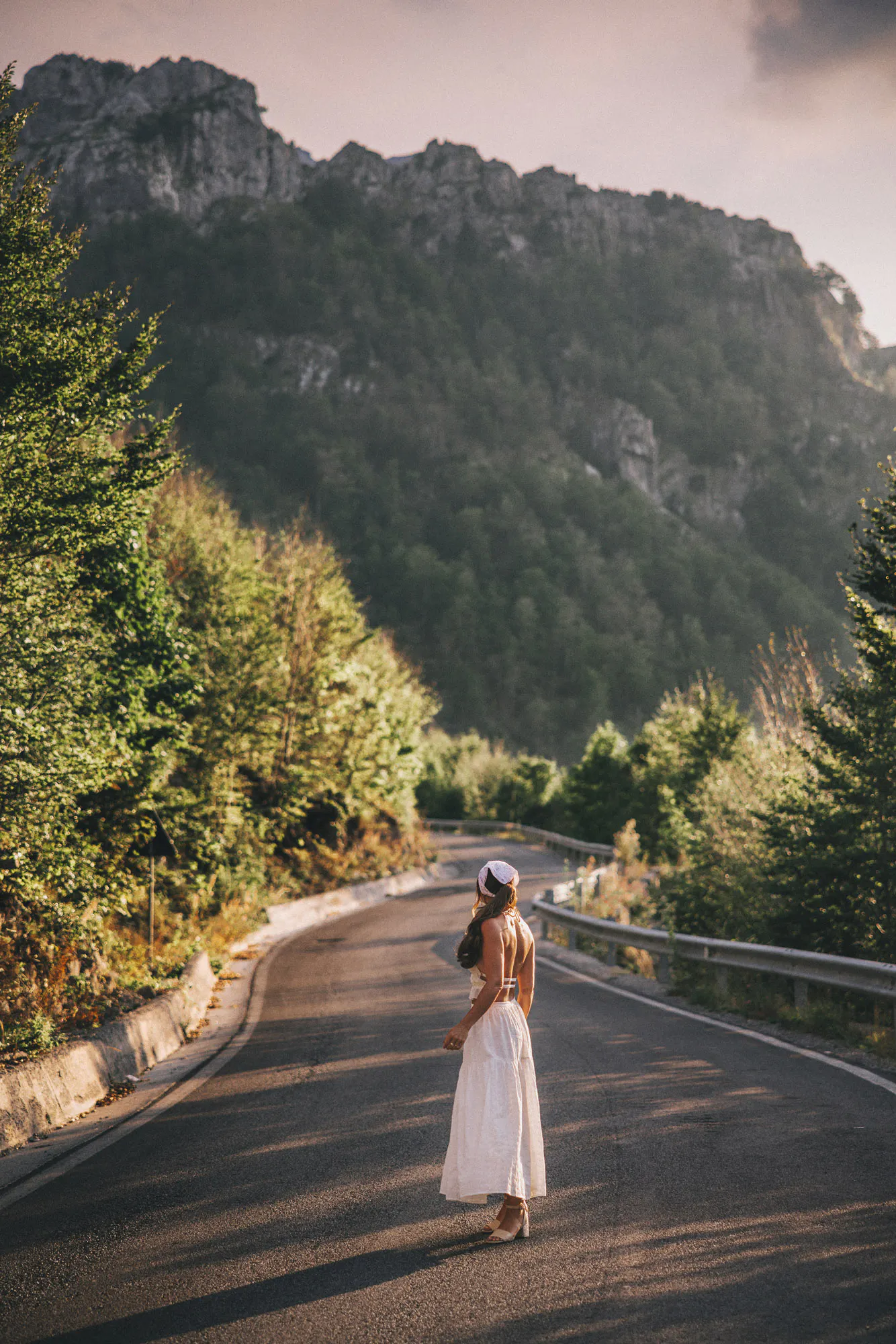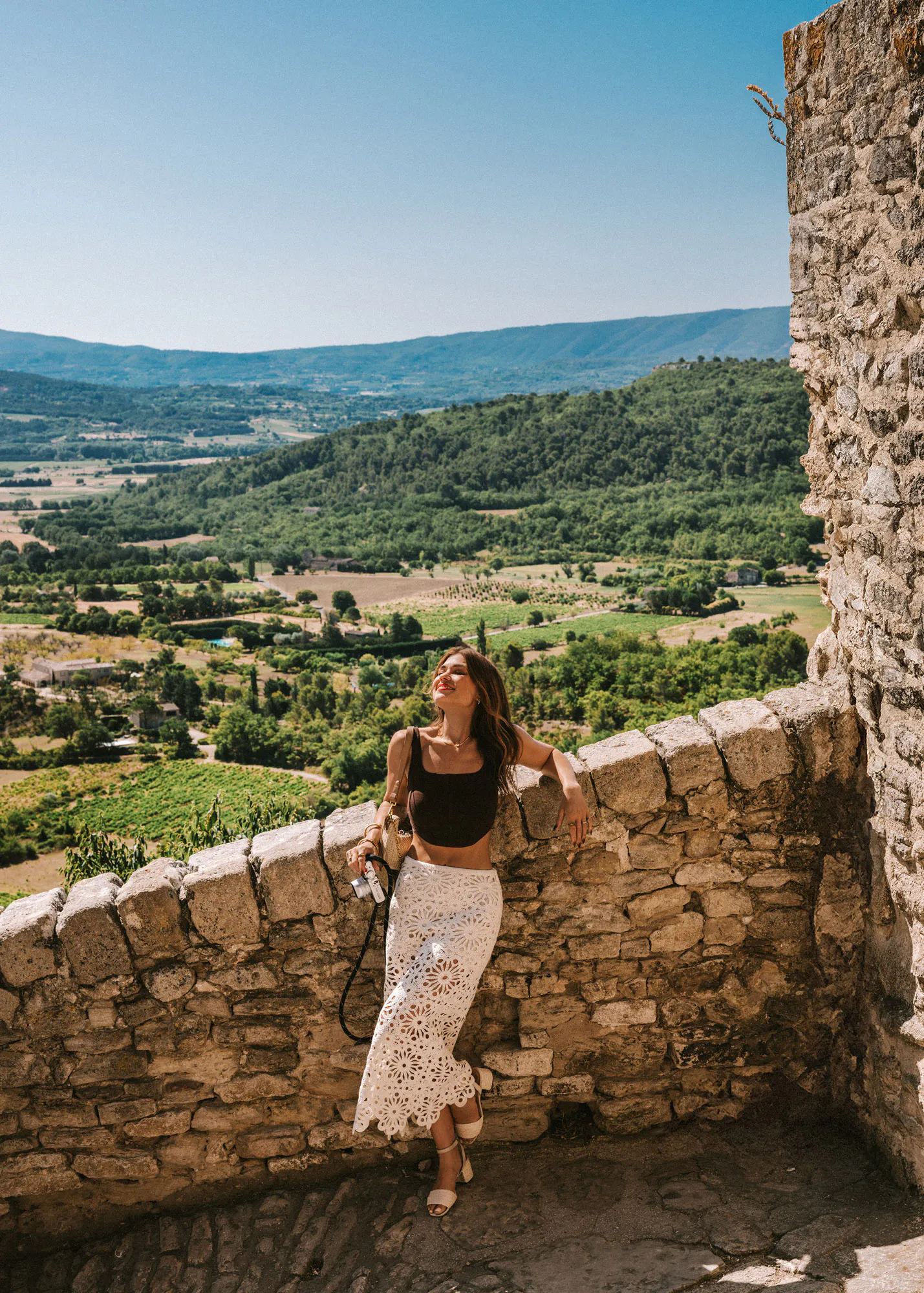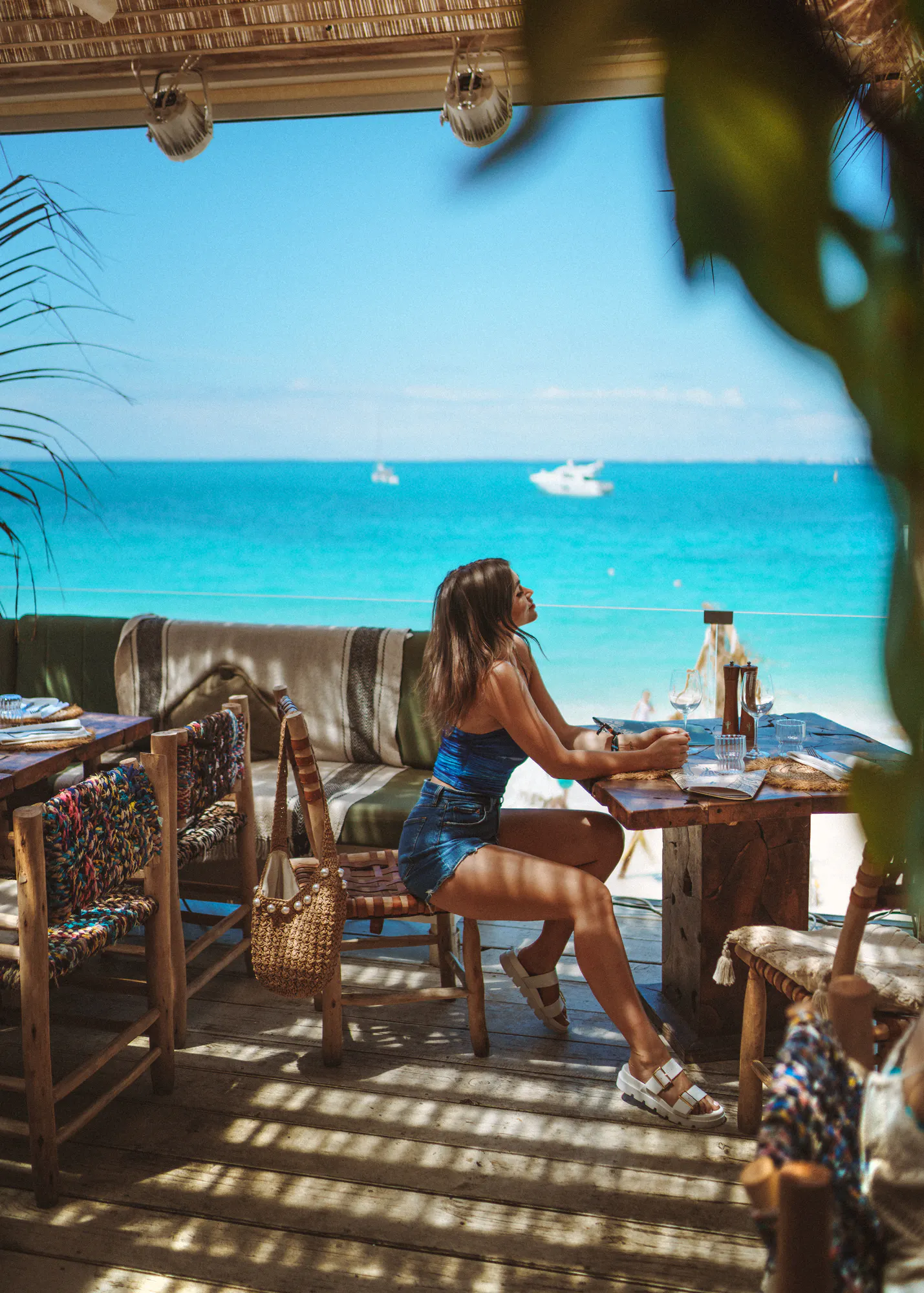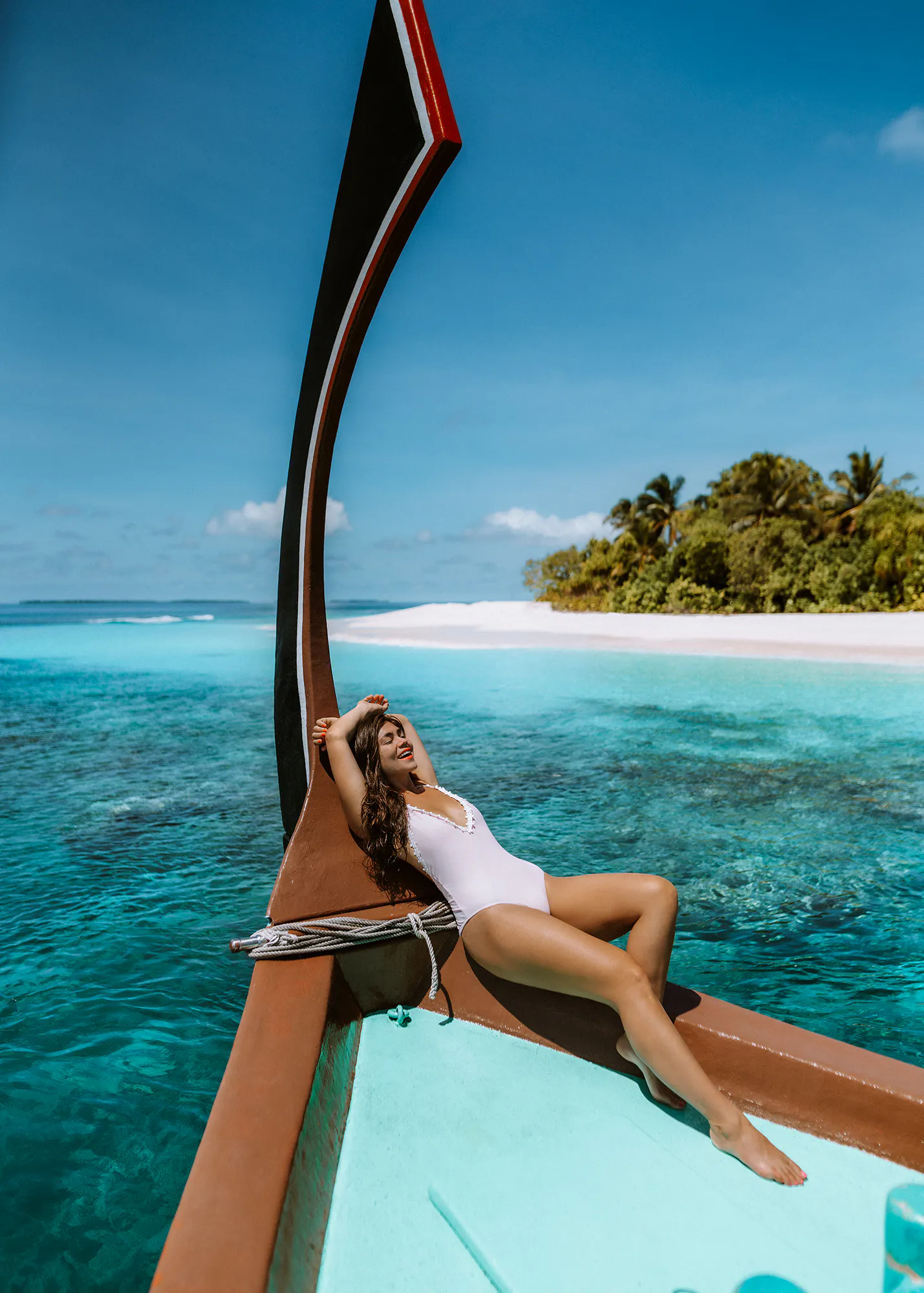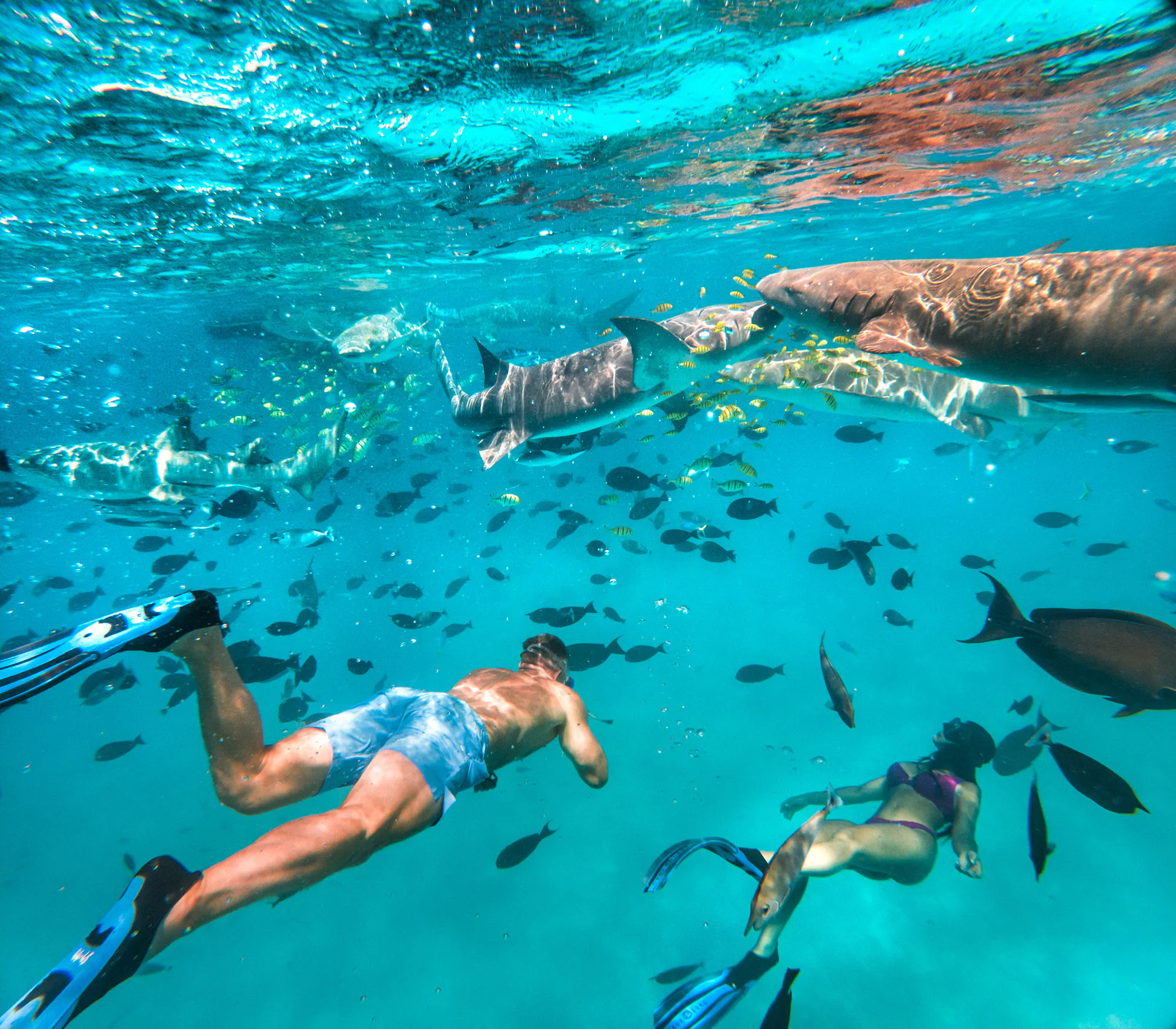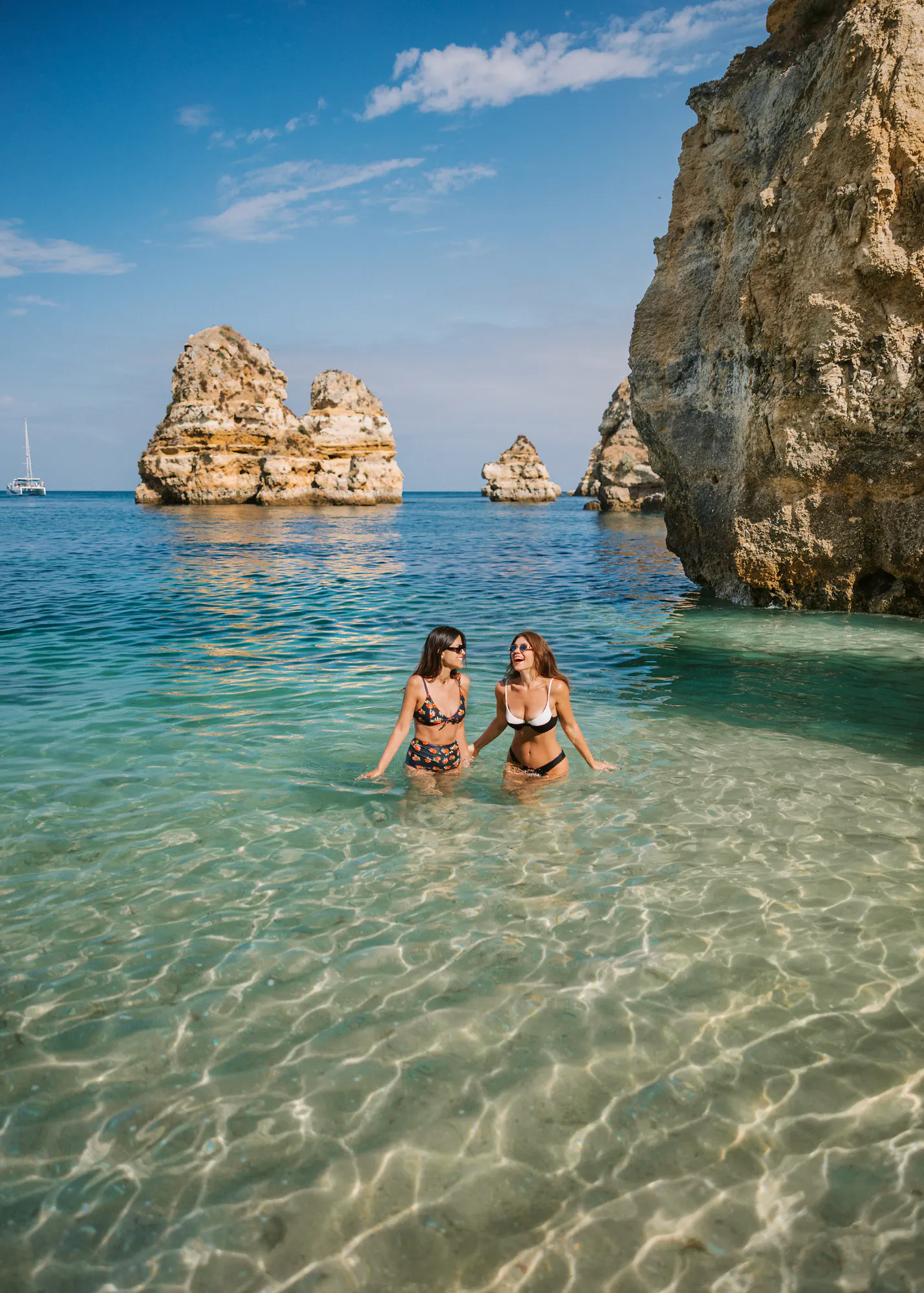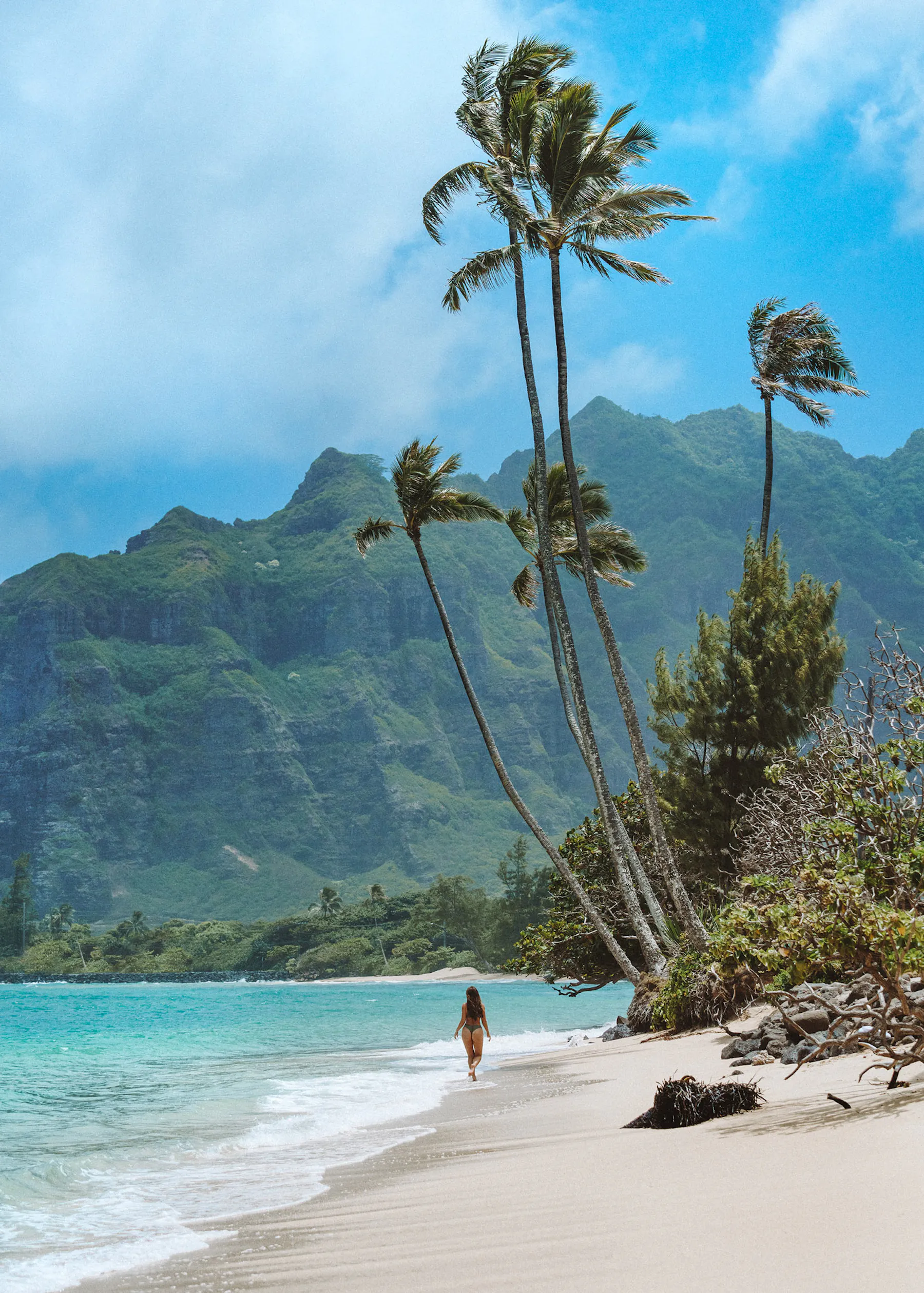
From the prettiest, bluest water in the Hawaiian Islands to the North Shore, tide pools, and secret mermaid caves, Oahu has some of the most beautiful beaches in Hawaii, circling all around every side of the island. Get beyond Honolulu and Waikiki with everything you need to know, including parking, permits, walking distance, and ocean conditions - I have done all the planning for you - with a downloadable Google Map! And don't miss my Hawaii Packing Guide here.
+ Want to save every spot easily? Scroll to the bottom of this post for a downloadable Google Map! +
1. Lanikai Beach
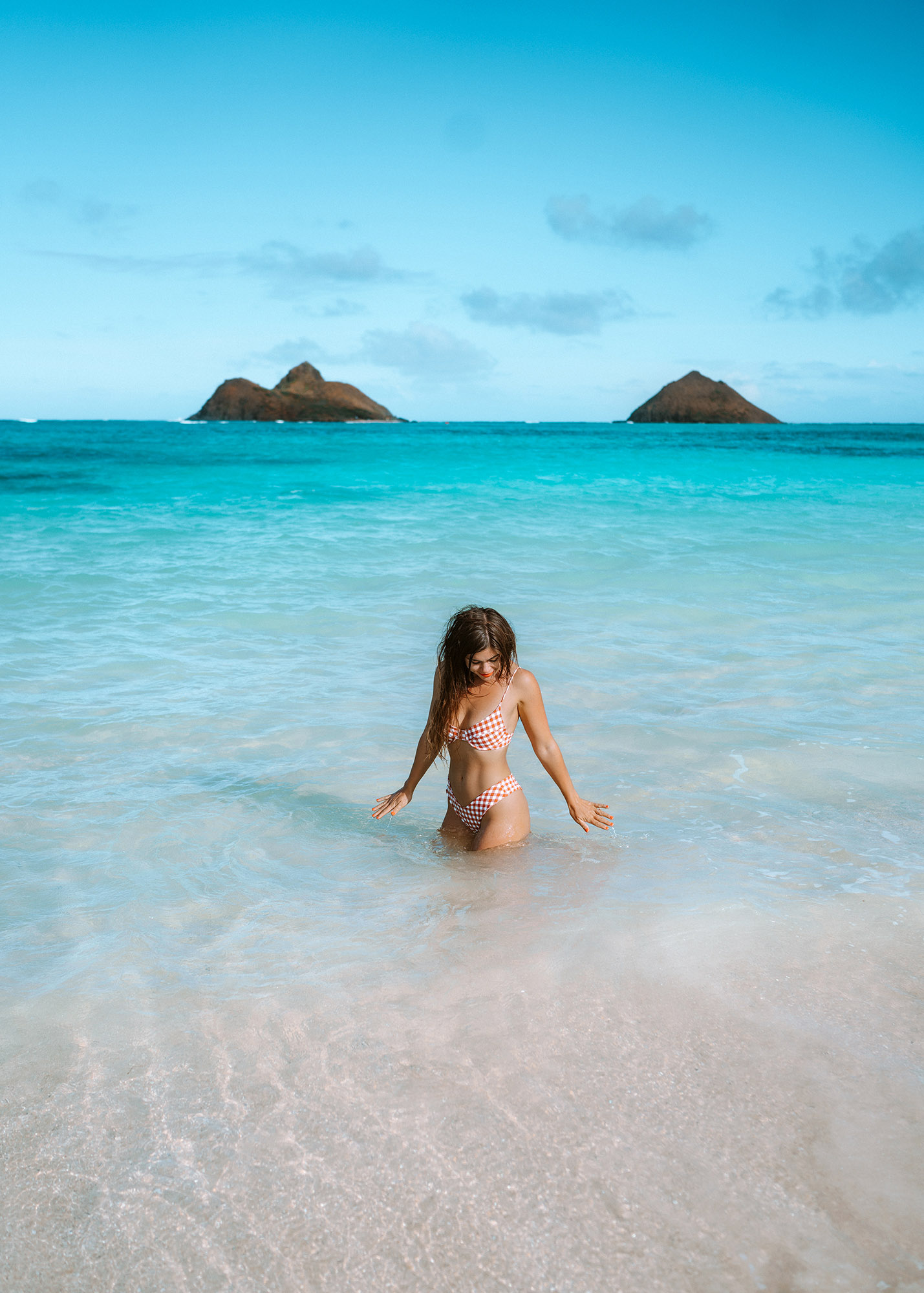
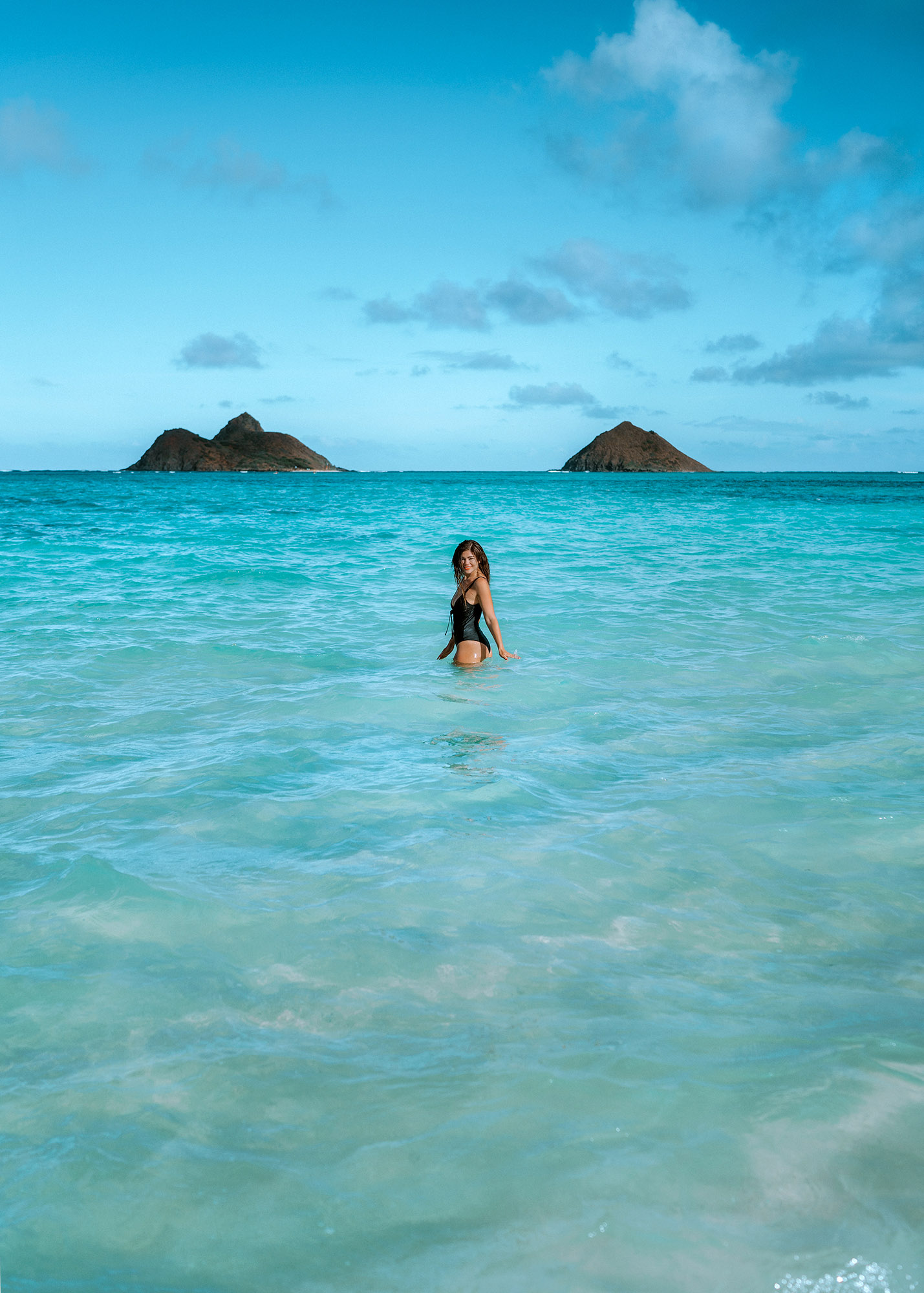
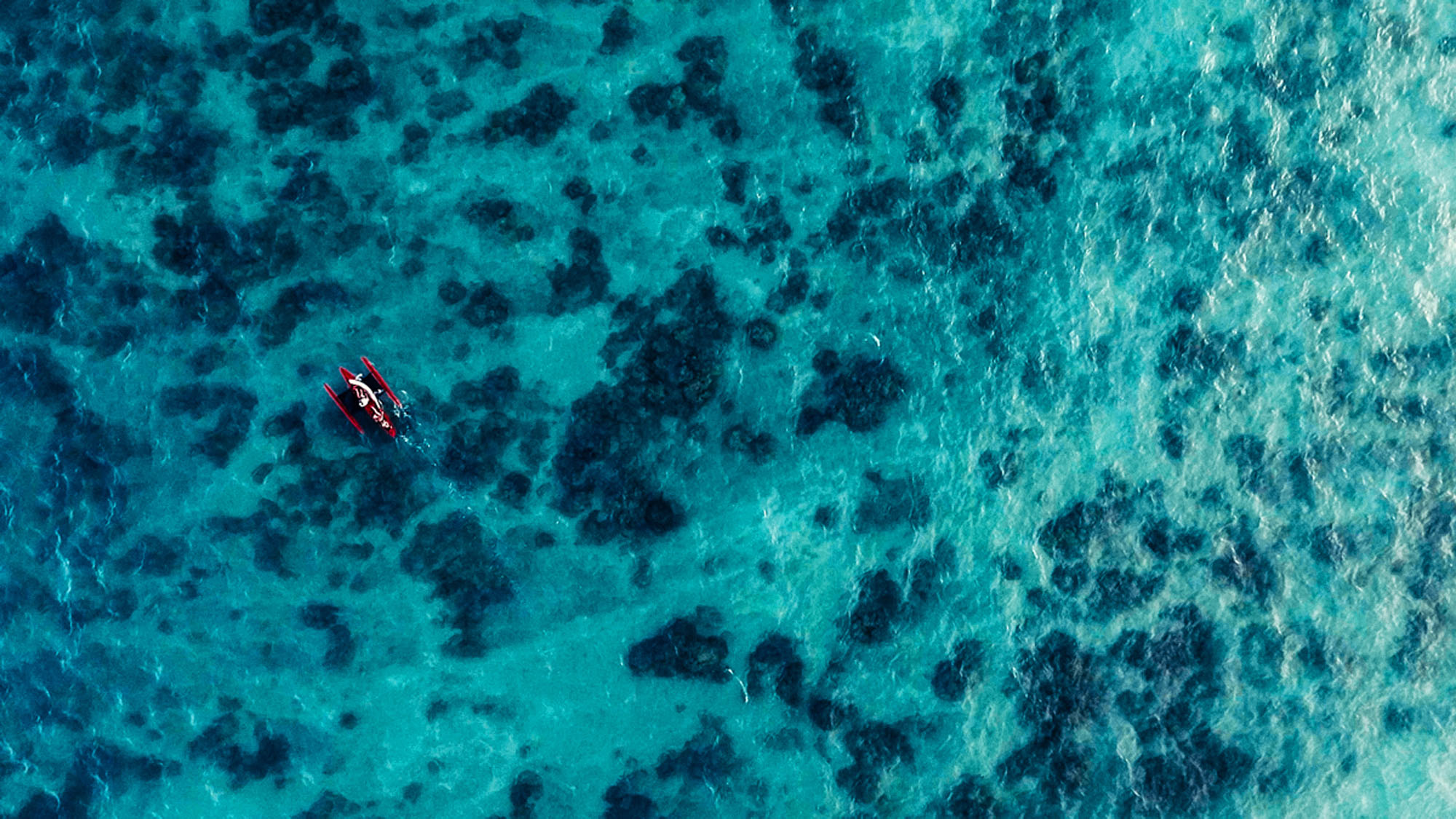
Lanikai Beach is widely regarded as one of the most visually refined beaches in Oahu, defined by its pale sand, shallow reef-protected water, and direct sightlines to the Mokulua Islands - and it is 100% worth the hype. Lanikai has some of the whitest sand and clearest, most vibrant aqua blue water of anywhere on the Hawaiian islands. What often surprises visitors is how residential the setting is, which affects both parking and access, especially during peak morning hours. Swimming conditions are typically calm in summer and early fall, making it one of the more dependable Windward options when trade winds are lighter.
- Location: Kailua, Windward Oahu
- Parking: Parking at Kailua Beach Park. Within Lanikai, there is street parking only, and residential restrictions strictly enforced
- Fees or permits: None
- How to reach: Walk-in access via signed public beach paths
- Known for: Clear shallow water, sunrise views, fine sand
- Hazards: Crowding, limited shade, occasional box jellyfish presence
2. Moku Nui (Mokulua Islands)
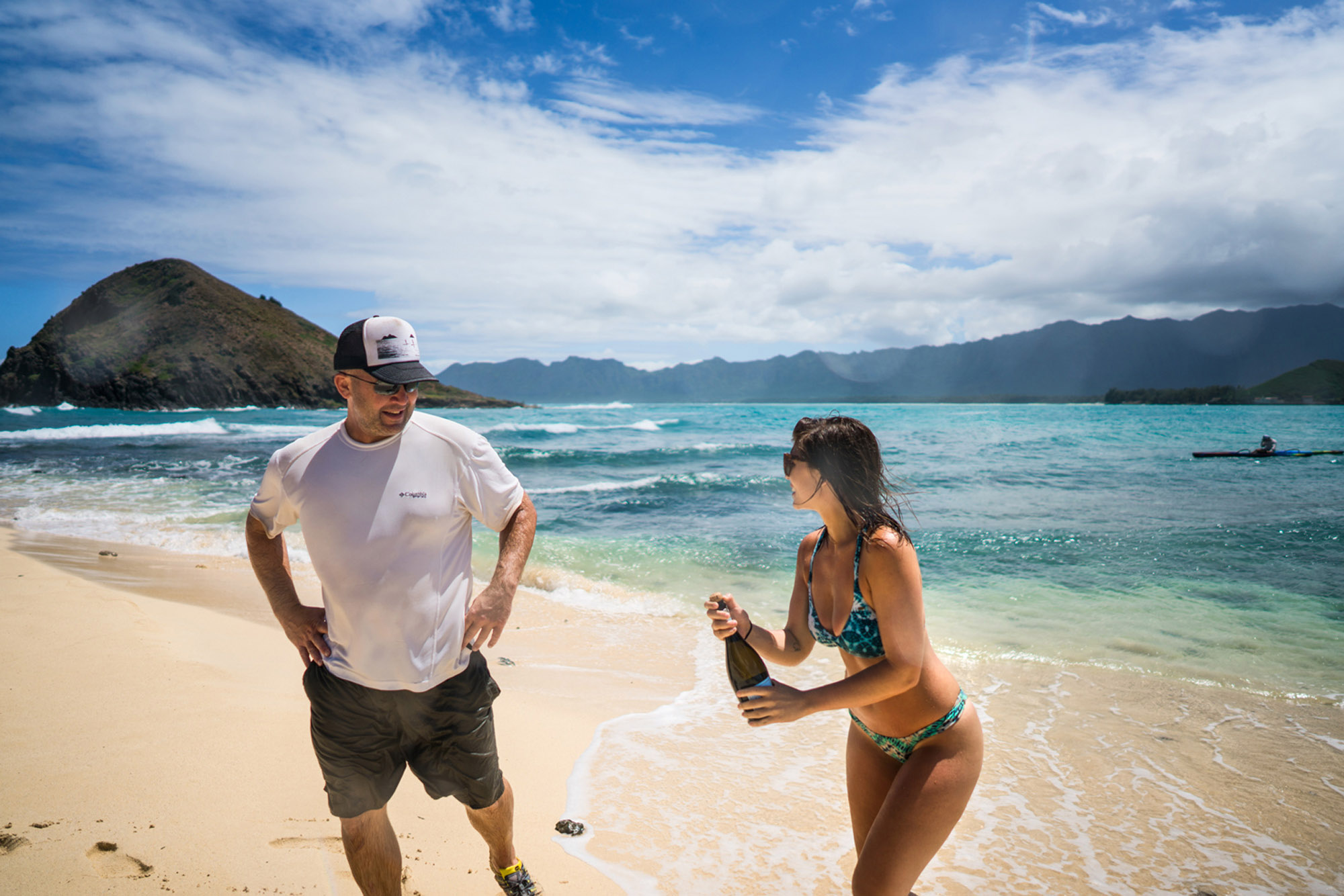
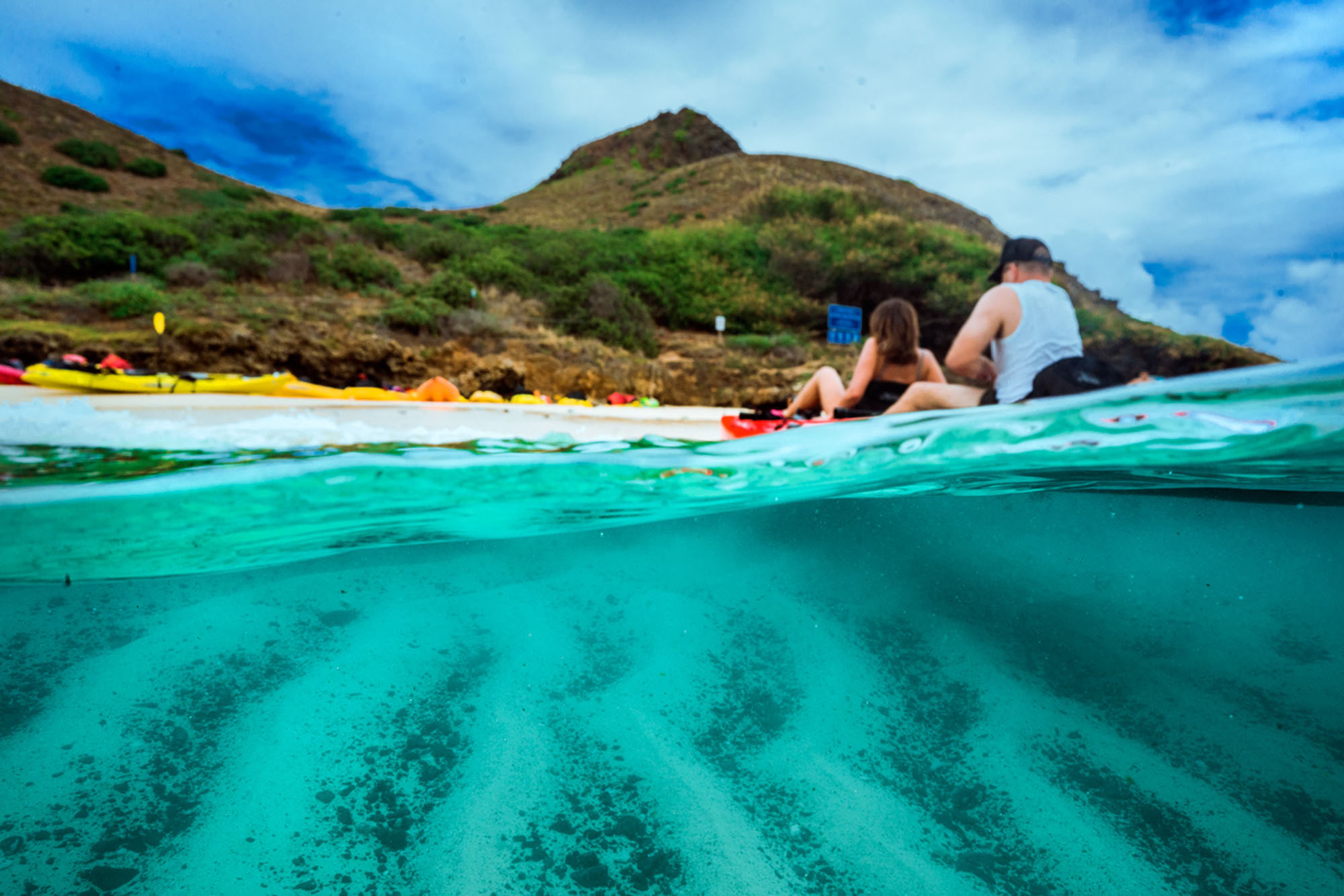
Moku Nui is the larger and only publicly accessible island of the twin Mokulua islands, and its appeal lies as much in the journey as the destination. Reaching the island requires kayaking across open water, where wind direction and morning timing significantly affect safety and effort - depending on the current, the kayak trip can be a fairly easy crossing, or a strenuous one. Once ashore, the environment feels distinctly removed from the mainland, although strict wildlife protections limit where visitors can land and explore.
- Location: Offshore from Lanikai and Kailua
- Parking: Dependent on mainland launch point
- Fees or permits: None, wildlife regulations enforced
- How to reach: Kayak or paddleboard during calm conditions
- Known for: Seabird habitat, elevated viewpoints, offshore clarity
- Hazards: Wind shifts, currents, limited landing areas
3. Kaʻaʻawa Beach Park
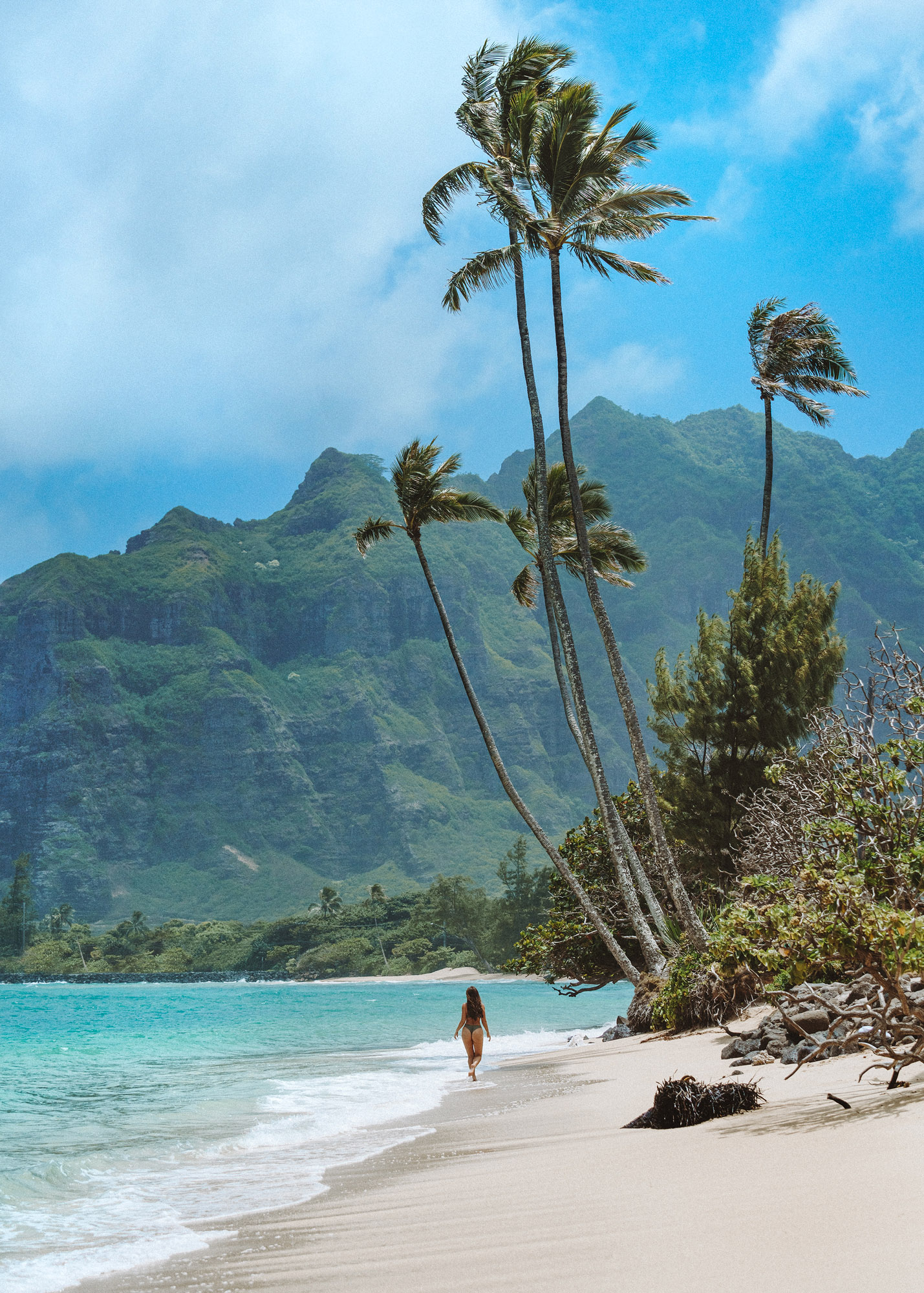
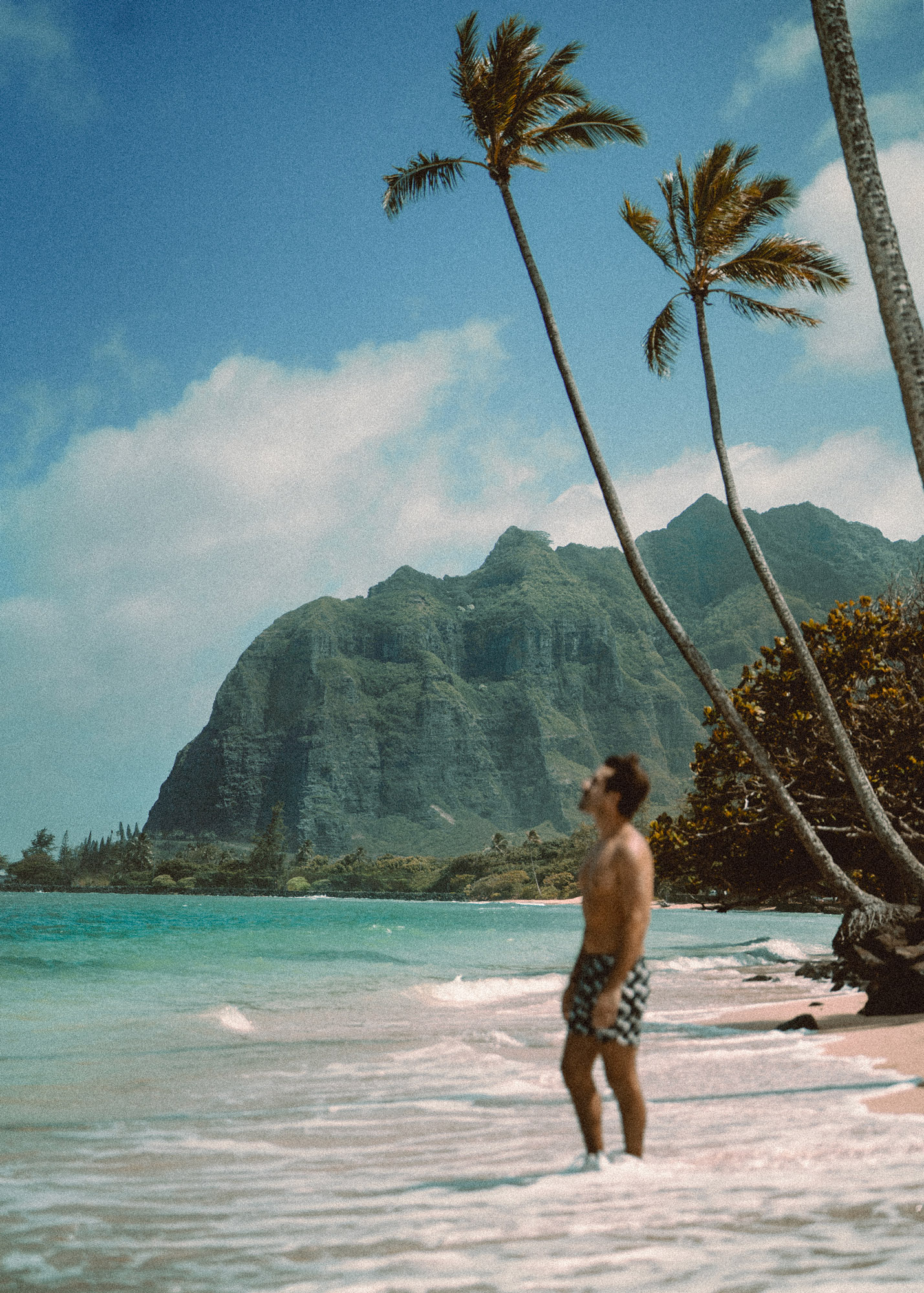
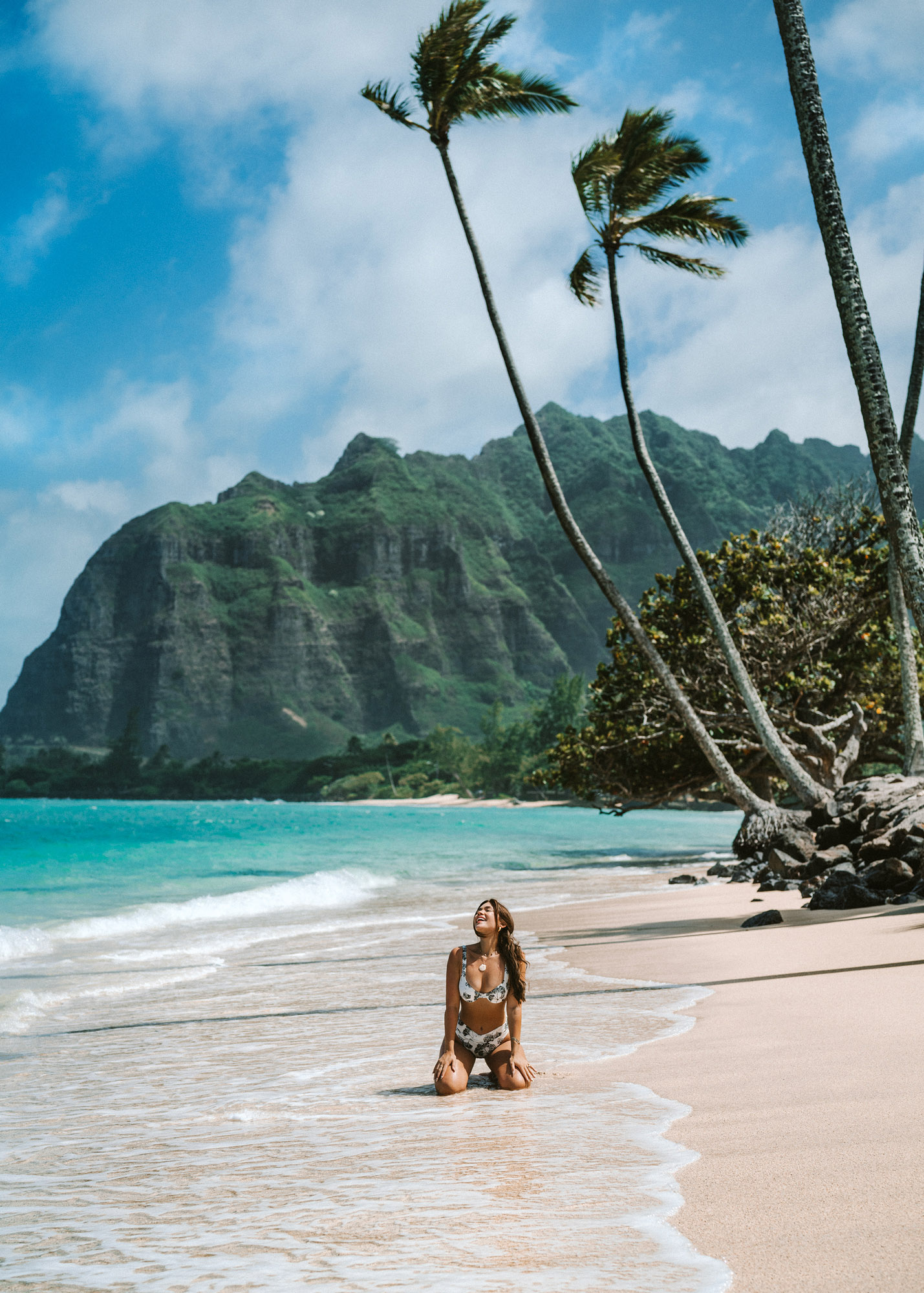
Kaʻaʻawa Beach Park is one of Oahu's best little-known beaches - and the one that looks the most like you landed on an uninhabited island straight out of Moana or Jurassic Park. The small beach runs parallel to Kamehameha Highway and offers consistent views of offshore islets framed by steep Koʻolau ridges. The shoreline alternates between sandy and rocky sections, which limits swimming during rougher conditions but makes the area ideal for walking and coastal stops. Facilities and parking are straightforward, positioning this beach as a convenient break rather than a destination that demands planning.
- Location: Kaʻaʻawa, Windward Oahu
- Parking: On-site lot
- Fees or permits: None
- How to reach: Direct roadside access
- Known for: Scenic coastline, open space
- Hazards: Rocky entry points, variable surf
4. Makua Beach
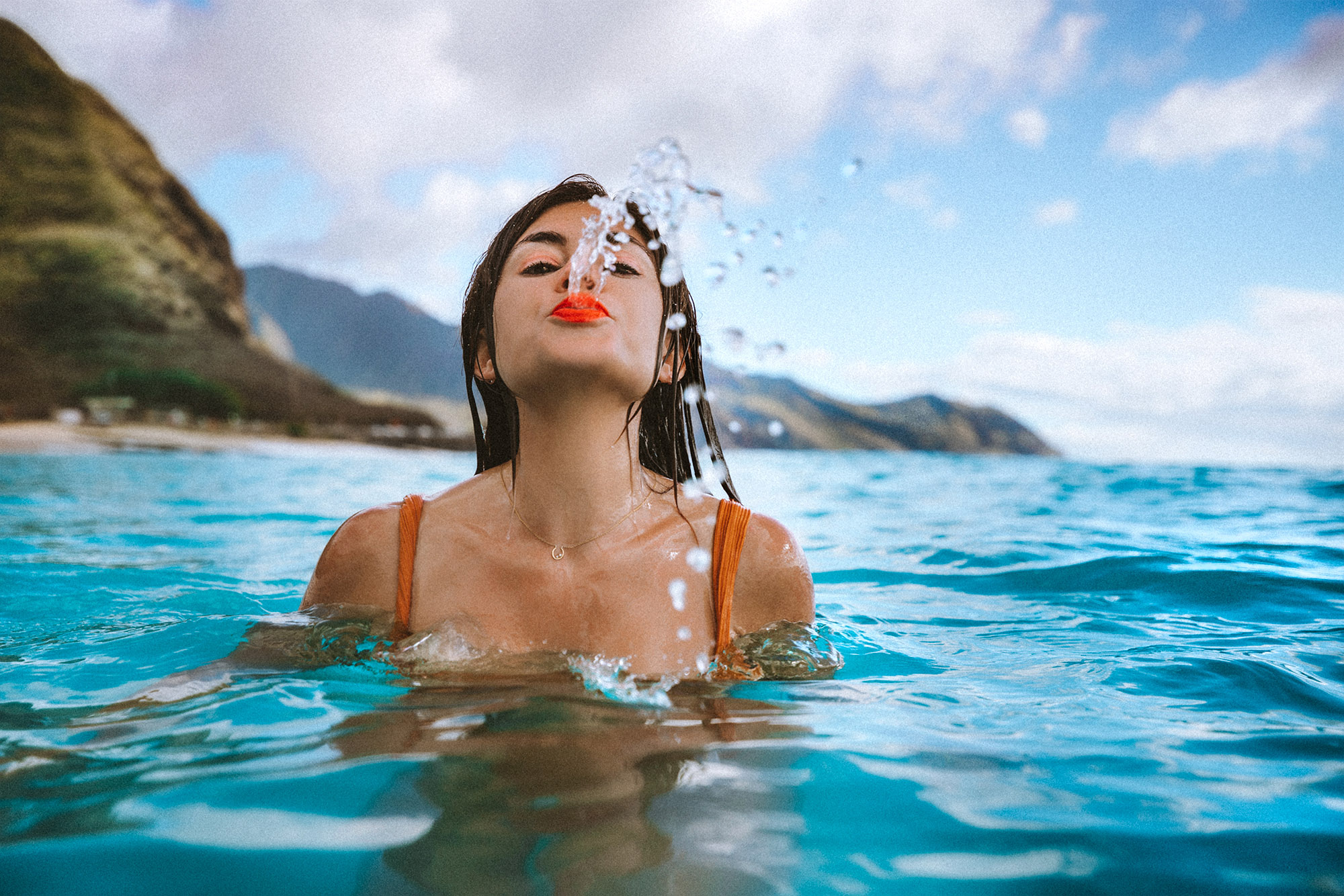
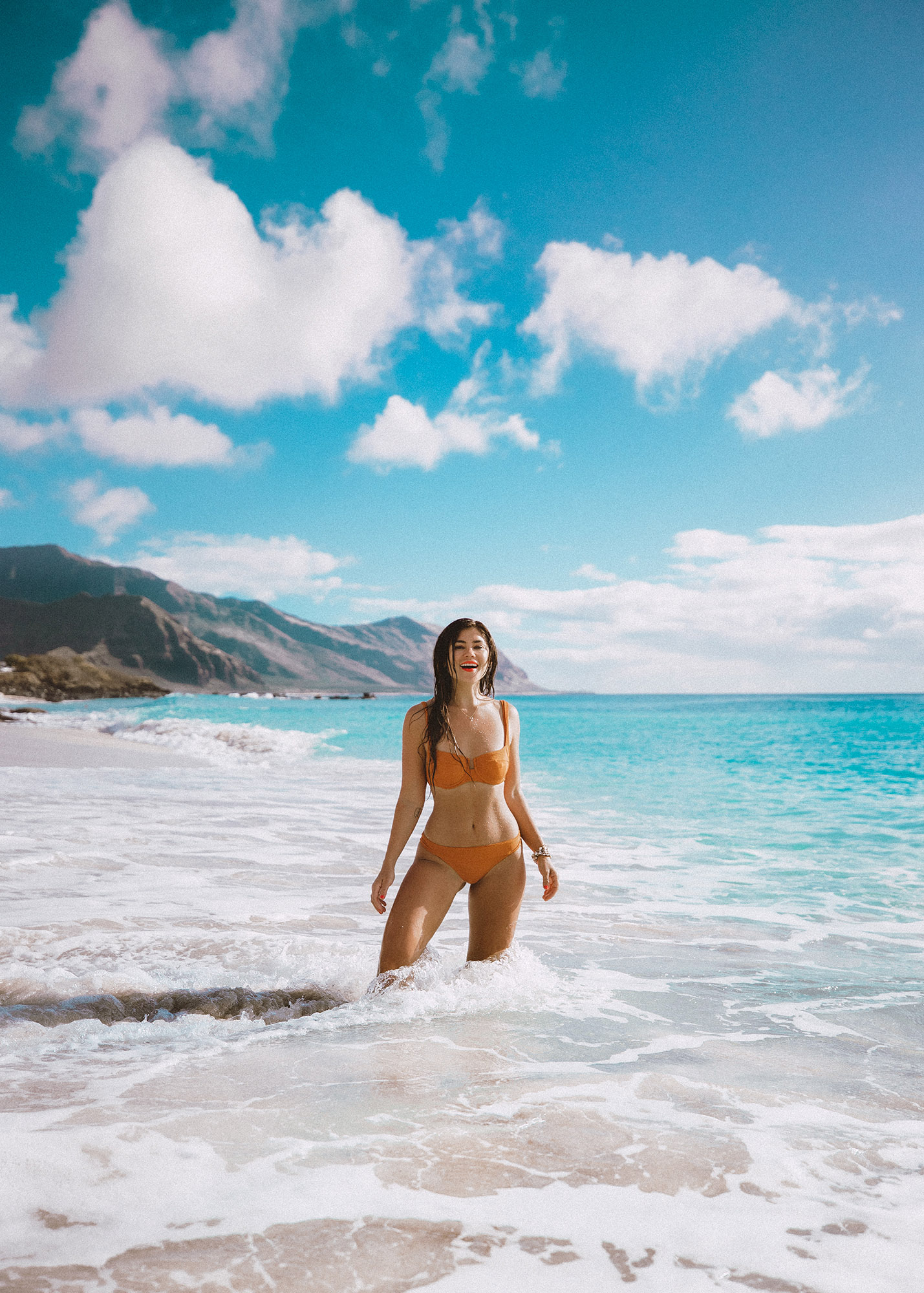
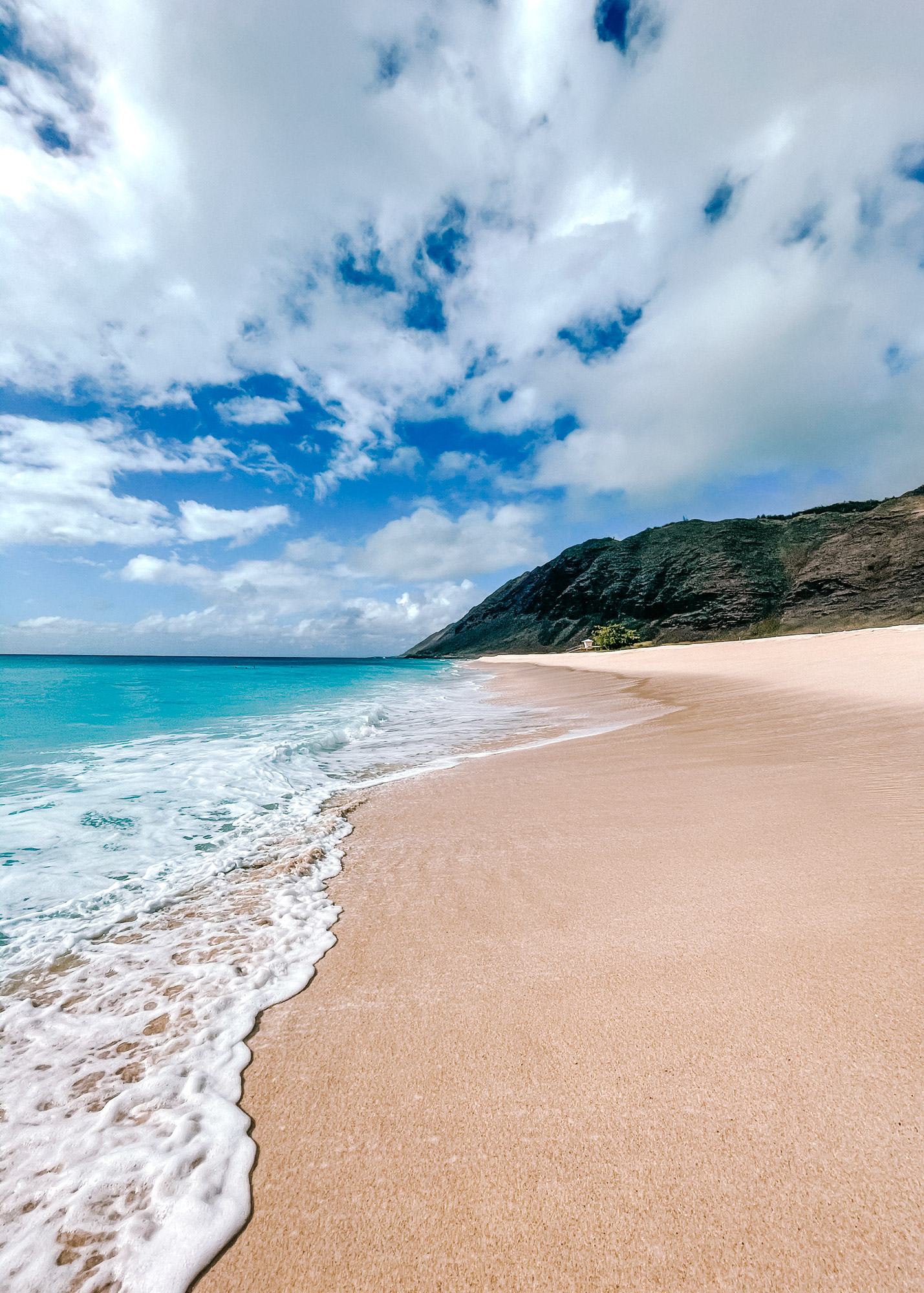
Makua Beach combines clear water with a dramatic cliff-lined backdrop, although public access has been inconsistent due to adjacent military land. When open, calm days offer good swimming and occasional snorkeling near the reef edges. There are no facilities or lifeguards, which reinforces the need for self-awareness and conservative judgment.
- Location: Waianae Coast
- Parking: Roadside when access is permitted
- Fees or permits: None
- How to reach: Farrington Highway
- Known for: Clear water, natural setting
- Hazards: Sudden surf changes, limited access
5. Waikiki Beach
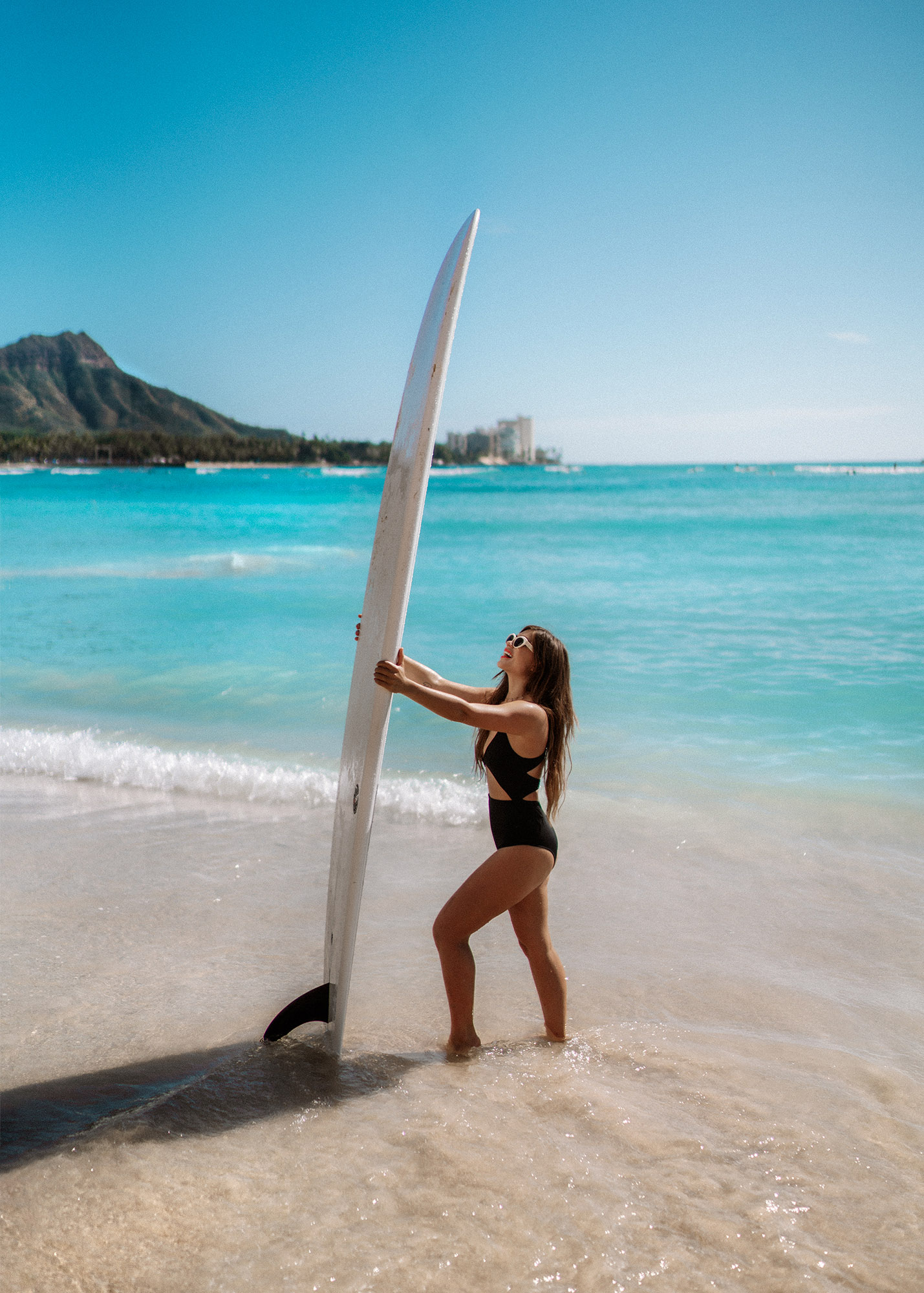
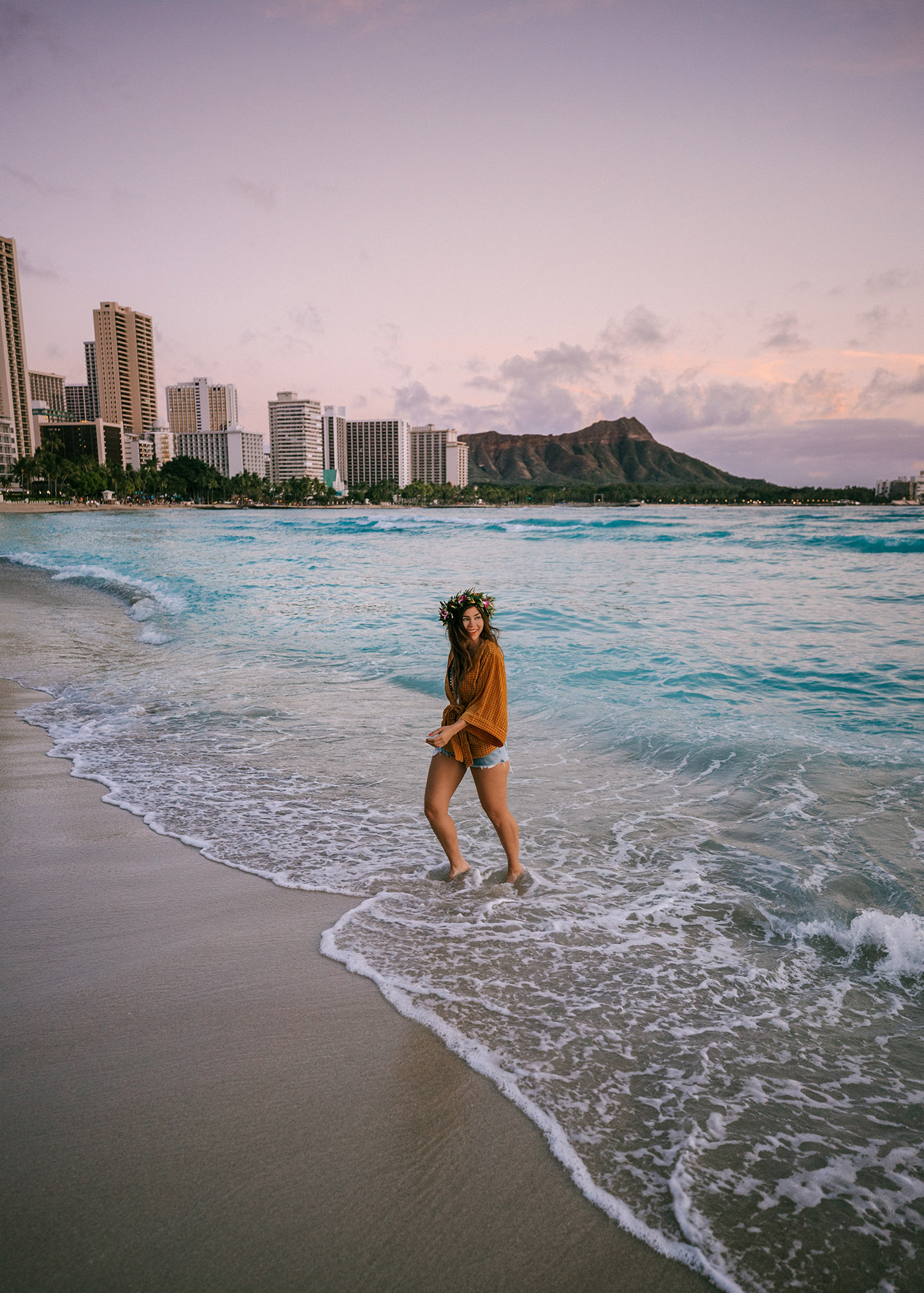
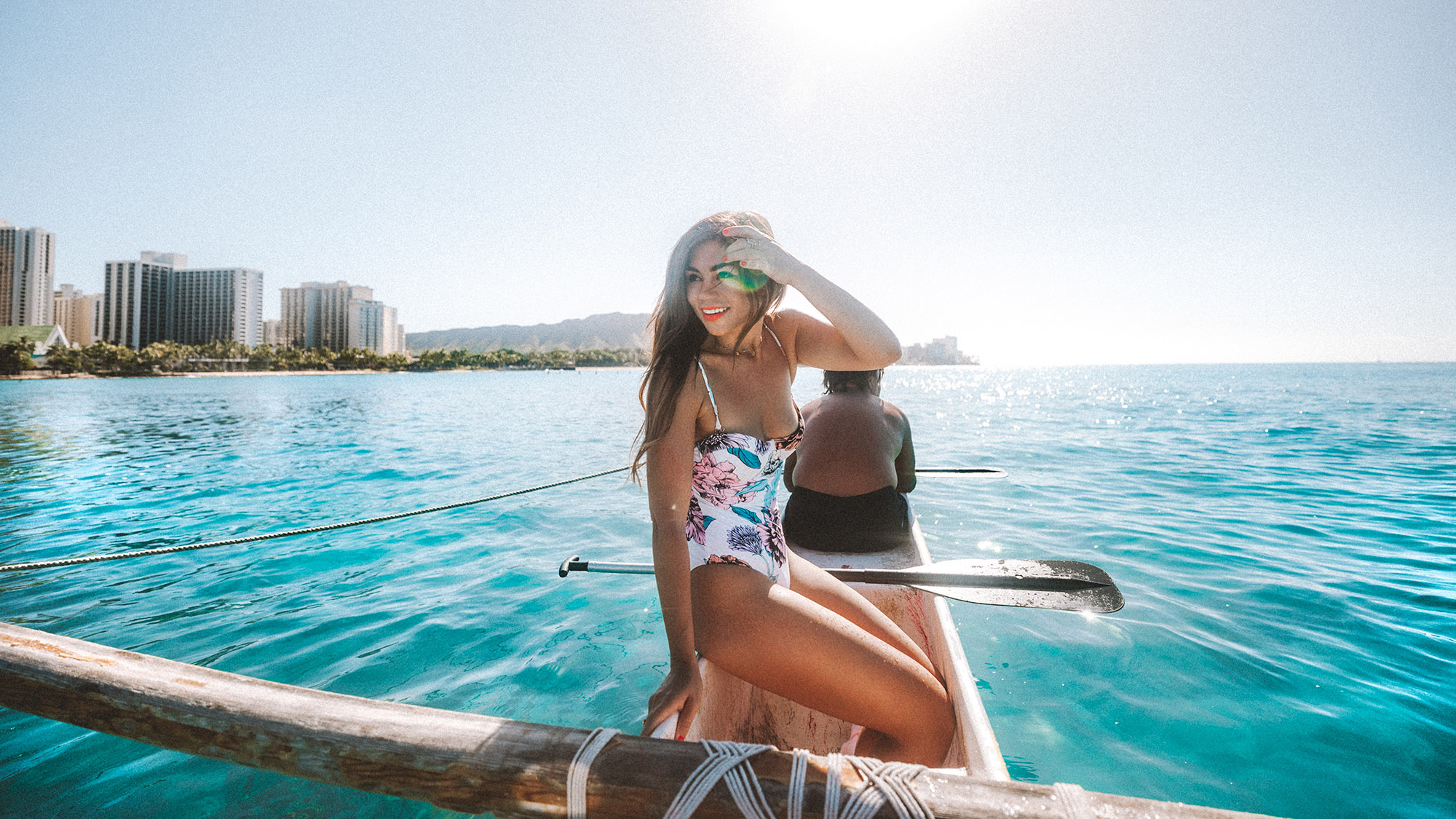
Waikiki Beach remains Oahu’s most predictable shoreline, offering groomed sand, protected swimming zones, and a full range of services, with a long line of resorts spanning the beach. While it lacks the natural variability found elsewhere on the island, it excels in consistency, particularly for visitors prioritizing convenience. Lifeguards, restrooms, and surf schools are present year-round. While the beach is always busy and filled with tourists, the brilliant blue water, and gentle rolling surf break still makes it very worthy of a visit.
- Location: South Shore, Honolulu
- Parking: Paid garages and hotel parking
- Fees or permits: None
- How to reach: Urban access via Honolulu
- Known for: Beginner surfing, amenities
- Hazards: Heavy foot traffic, limited reef
6. Halona Beach Cove

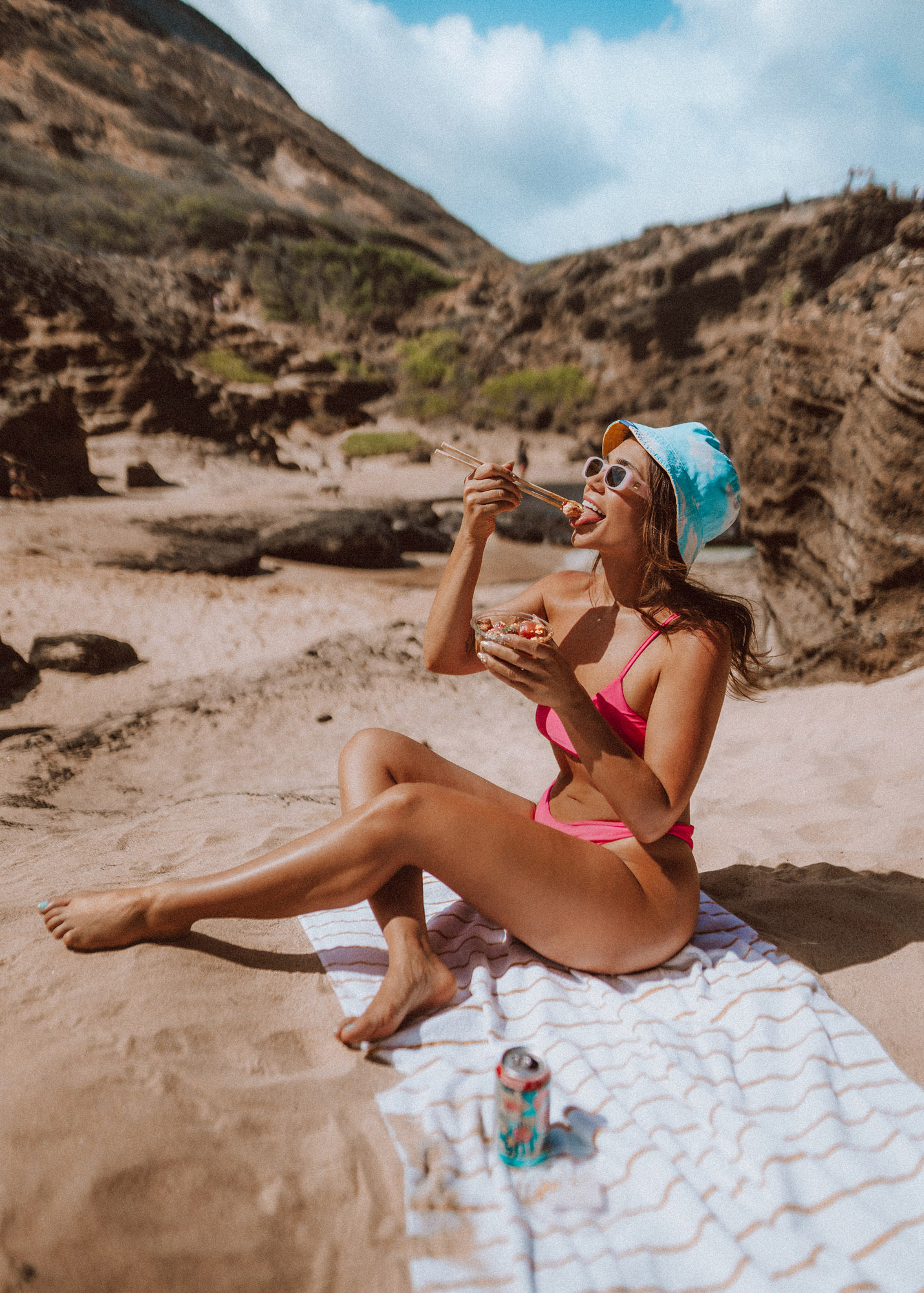
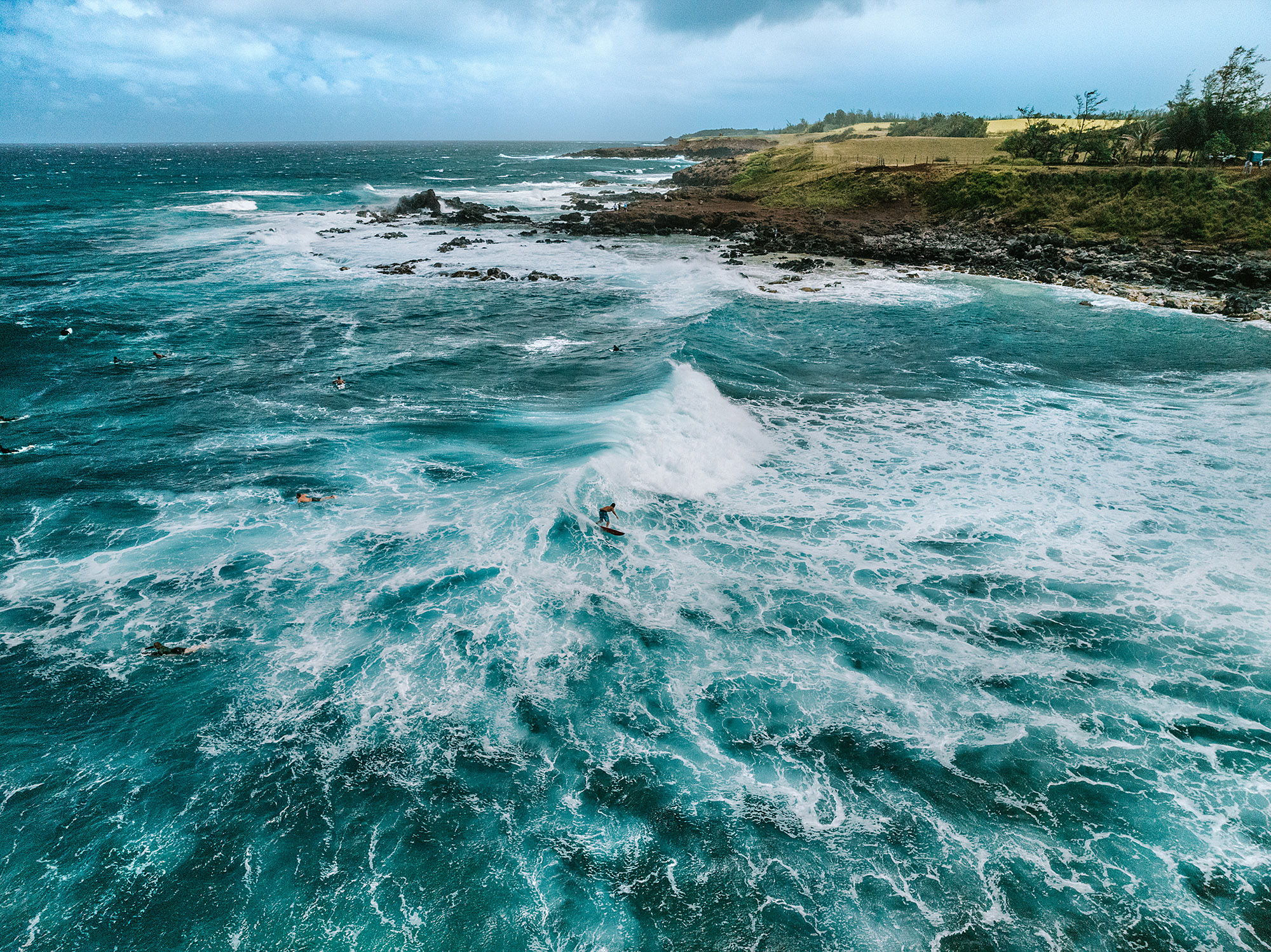
Pohaku Park is shaped more by surf culture than casual beach use, with rocky entry points and consistent wave energy. It is commonly used as a visual lookout rather than a swimming beach, particularly when surf is up. Visitors often stop briefly rather than settling in for extended time.
- Parking: Free roadside parking near the highway
- How to reach: Short walk from pull-off areas
- Ocean conditions: Typically rough
- Known for: Surf breaks and ocean views
- Hazards: Strong currents and sharp rocks
7. Kalanianaʻole Zablan Beach / The Mermaid Caves
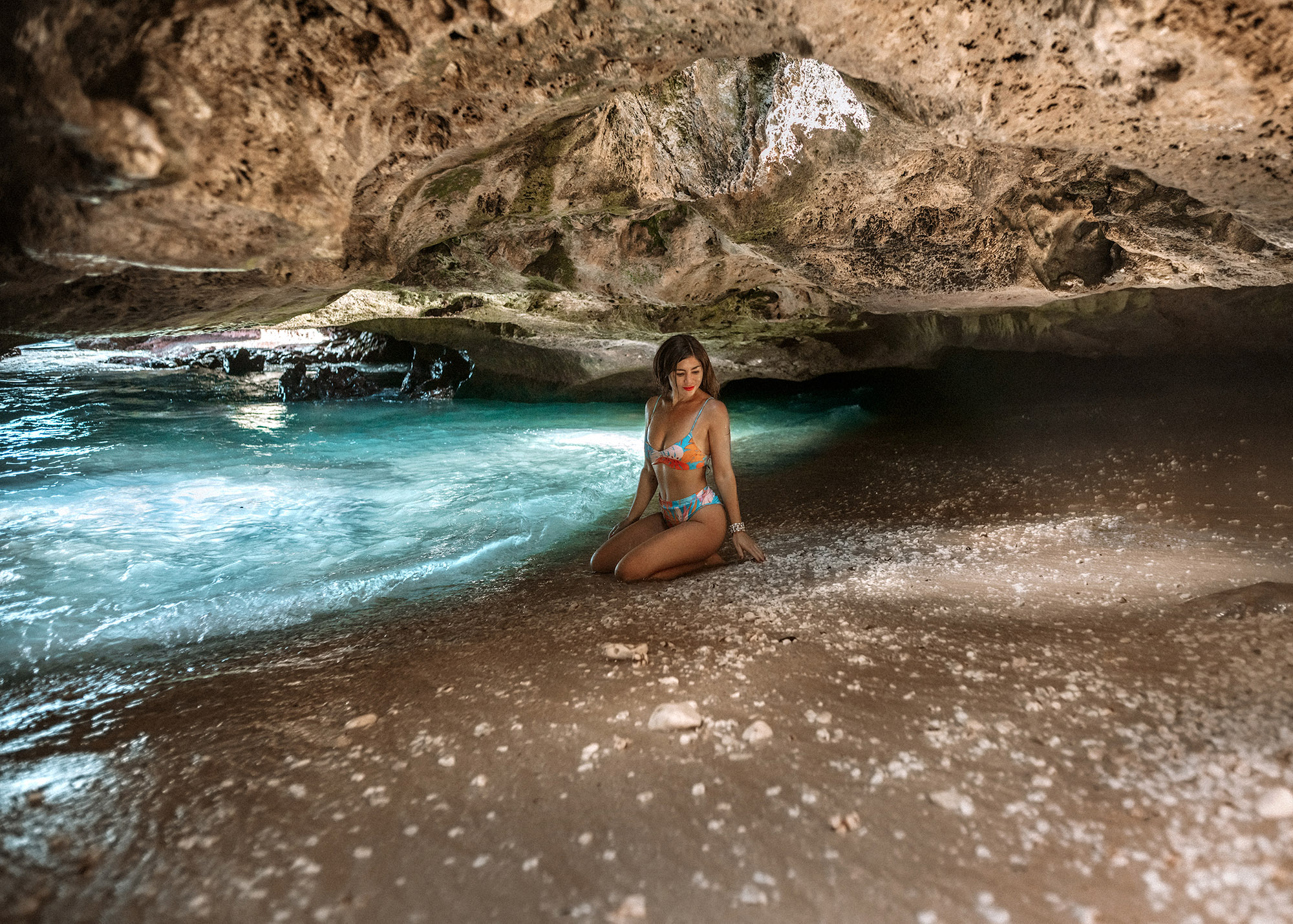
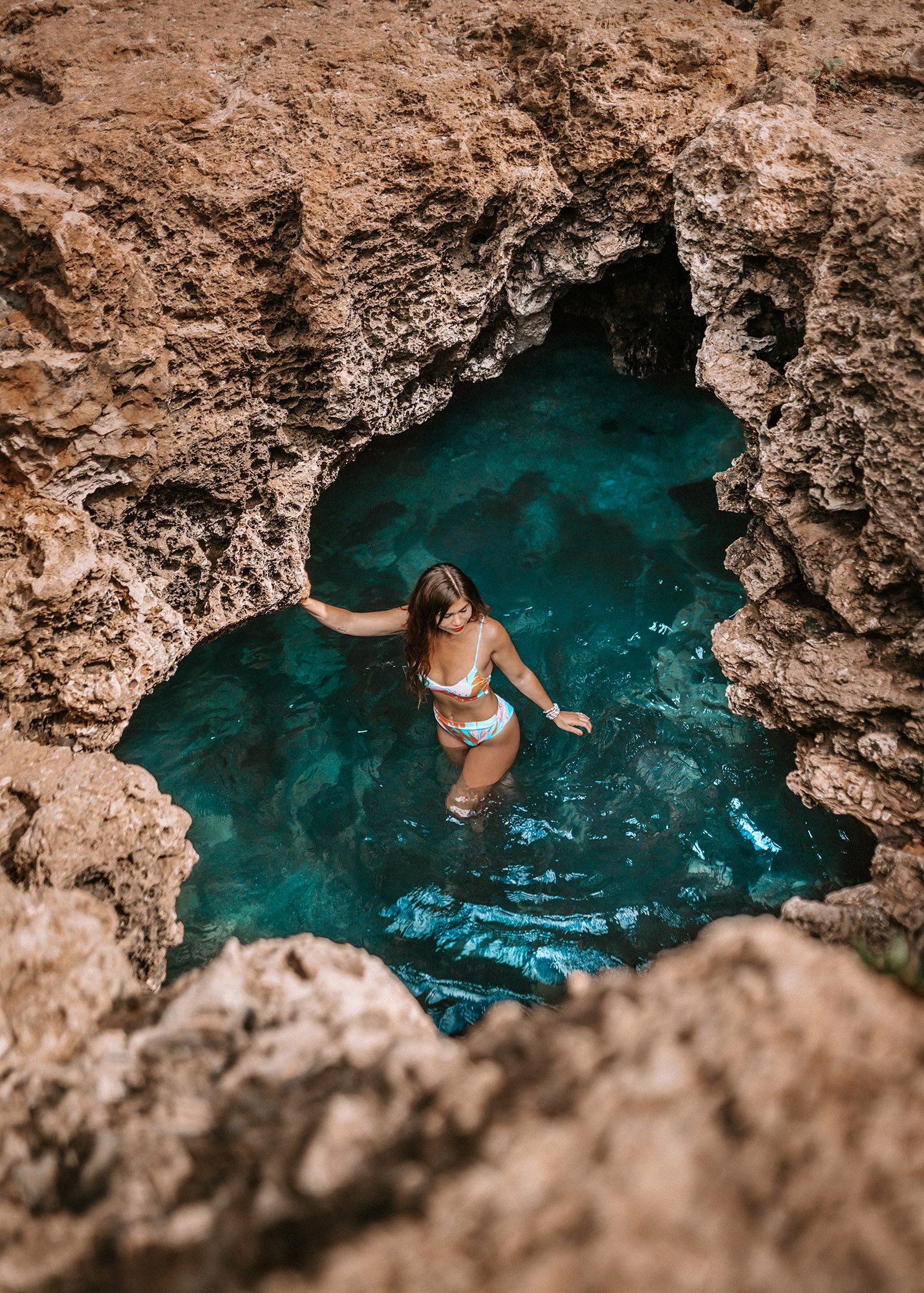
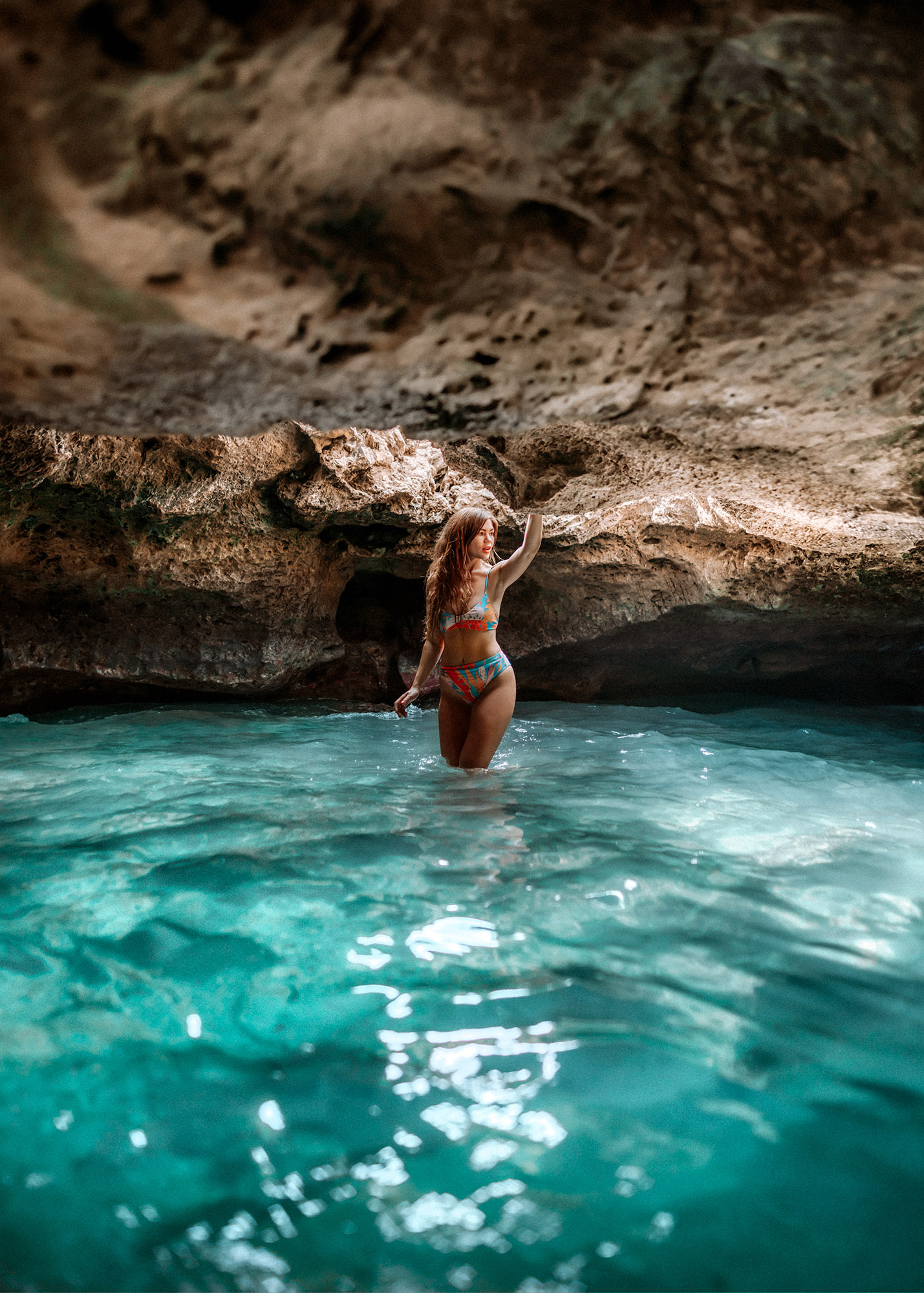
This compact South Shore beach park sits along the Kaiwi Coast and serves as one of the more accessible entry points to this rugged stretch of shoreline, including the area commonly referred to as the Mermaid Caves. The park itself offers comparatively calmer nearshore water during summer, which makes it suitable for short swims and relaxed stops, while the surrounding coastline draws visitors interested in lava formations and dramatic ocean scenery. Its location along Kalanianaʻole Highway makes it an easy addition to a South Shore itinerary without requiring extended planning.
The Mermaid Caves are a series of lava rock formations shaped by wave action over time, visible from the shoreline and most approachable during low tide and calm conditions. While they are not a formal attraction, many people enjoy viewing the caves from above or along the coast, appreciating how the ocean interacts with the rock formations rather than entering them. When conditions align, the area offers a striking example of Oahu’s more exposed coastal geology.
- Location: South Shore, Kaiwi Coast
- Parking: Small on-site lot at Forac Beach Park, with additional roadside parking along Kalanianaʻole Highway
- Fees or permits: None
- How to reach: Park at Forac Beach Park and walk east along the shoreline toward the Kaiwi Coast
- Known for: Proximity to Mermaid Caves, coastal views, easy roadside access
- Hazards: Limited space, slick lava rock, variable surf conditions near the caves
8. Yokohama Bay (Keawaʻula Beach)
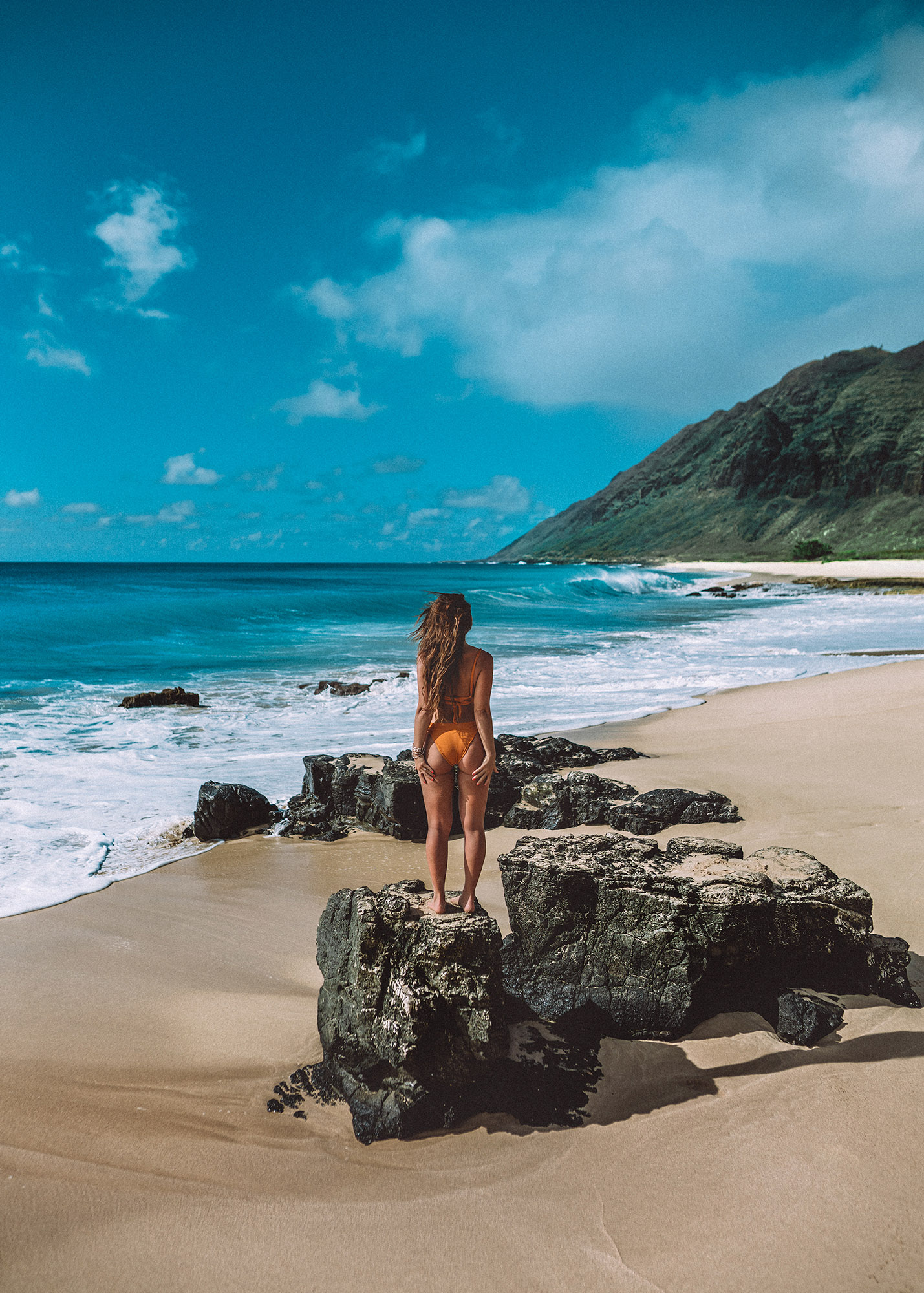
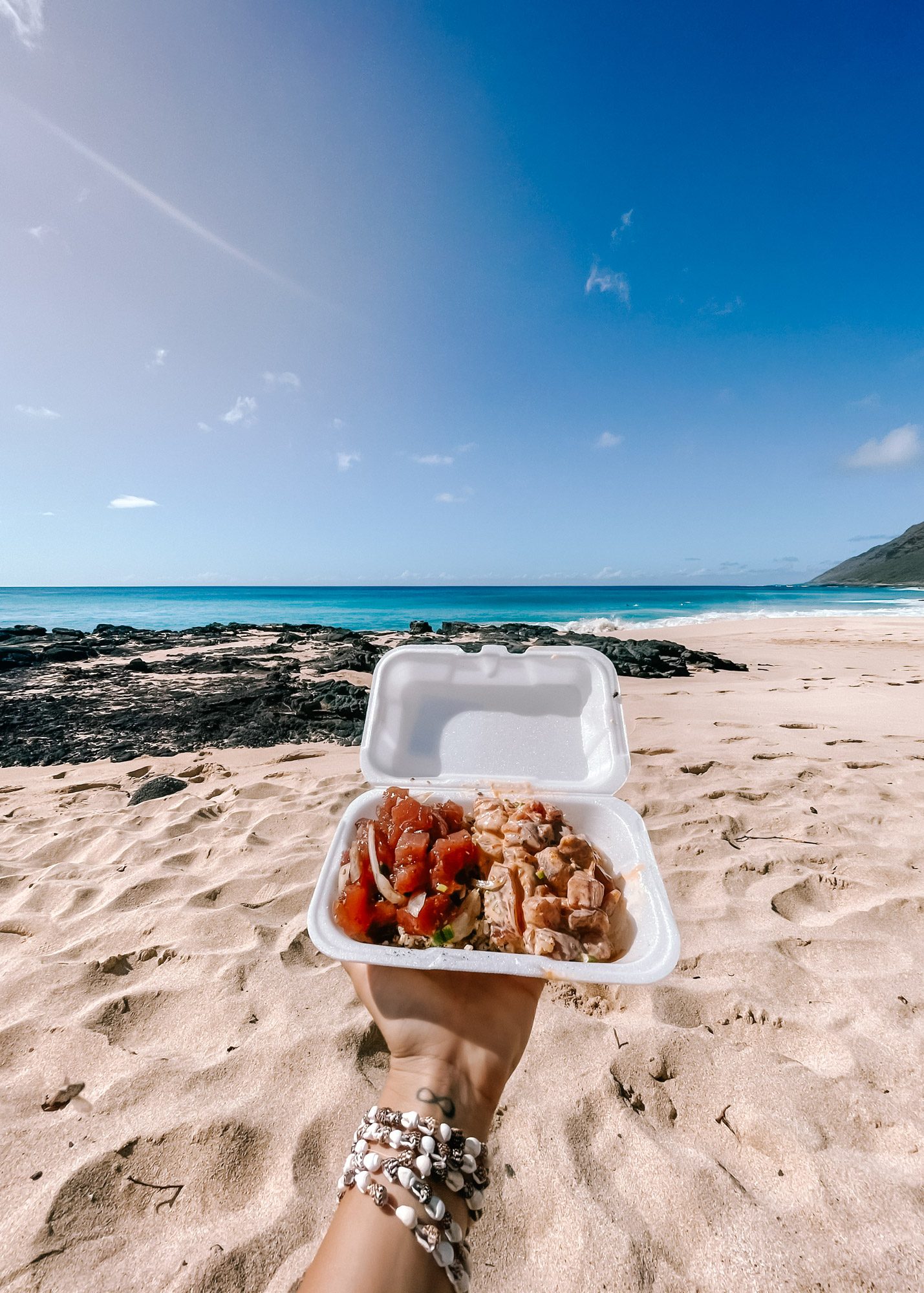
Yokohama Bay marks the end of the road on Oahu’s Waianae Coast and feels distinctly removed from the island’s urban core. Summer typically brings calmer water suitable for swimming, while winter swells can transform the bay into a high-energy surf zone. Facilities are basic but functional, and the sense of scale here sets it apart.
- Location: Waianae Coast
- Parking: On-site beach lot
- Fees or permits: None
- How to reach: Farrington Highway
- Known for: Expansive views, sunsets
- Hazards: Seasonal surf, strong currents
9. Cash Beach, Lanikai
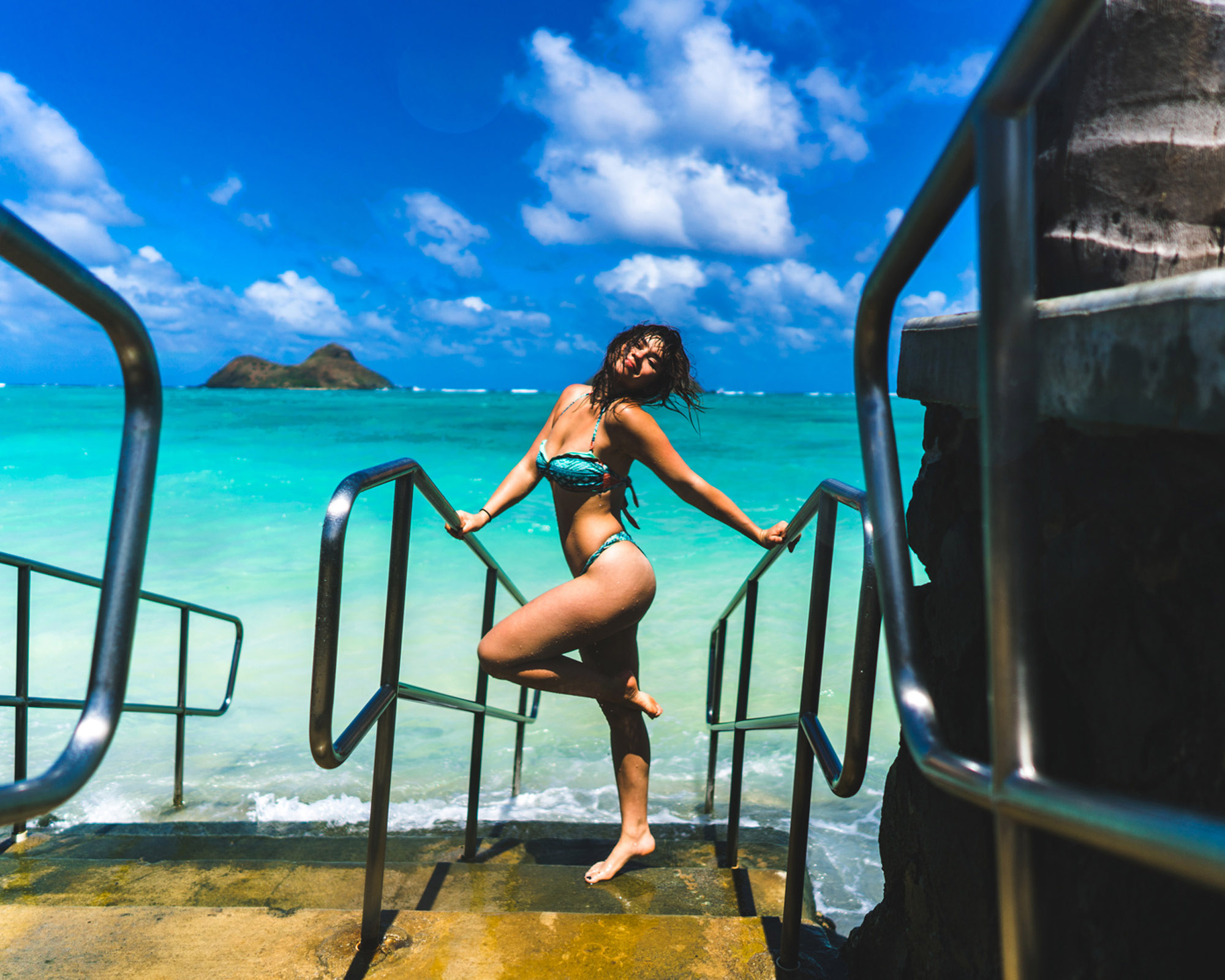
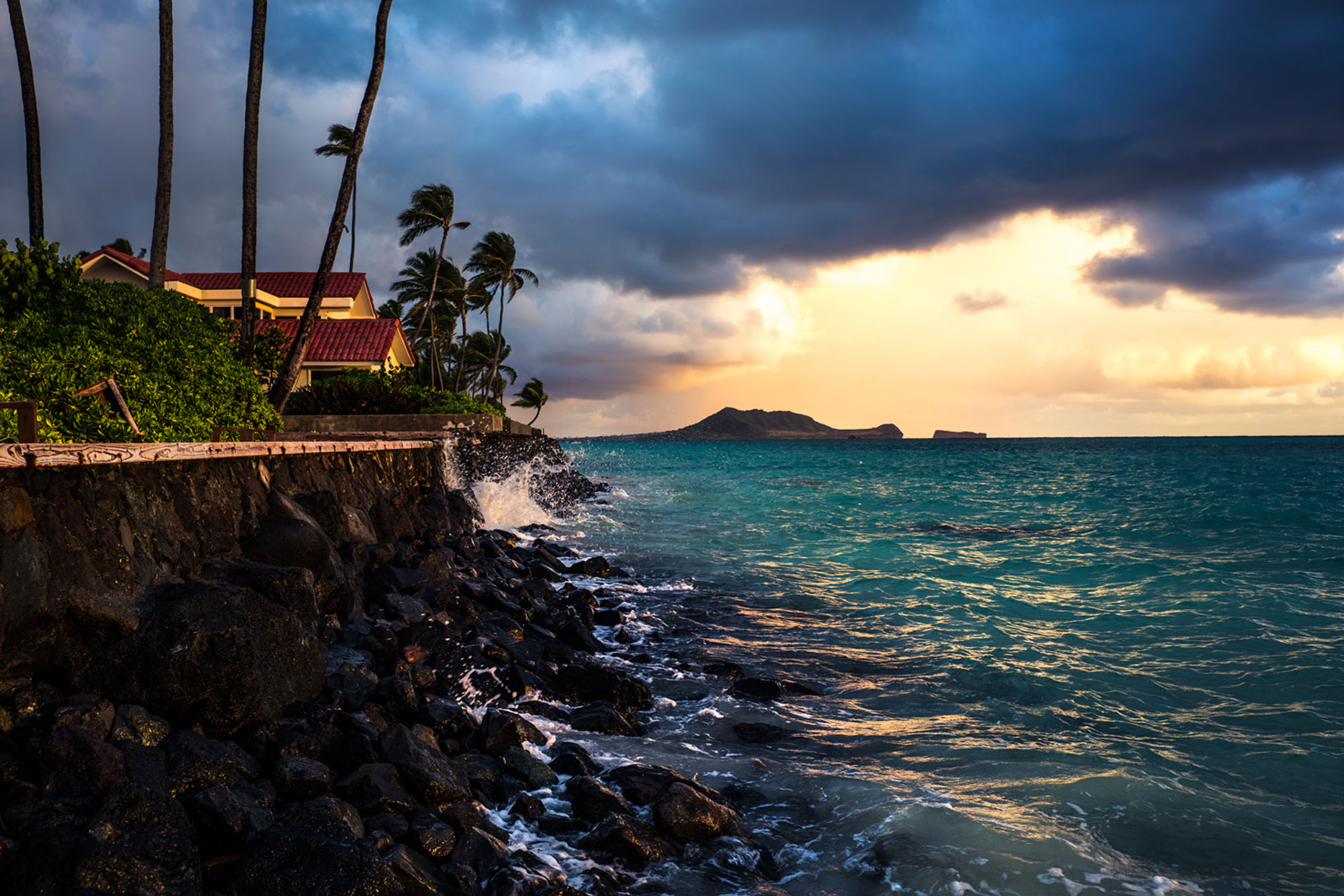
Cash Beach refers to a quieter stretch near the northern end of Lanikai, where foot traffic tends to thin slightly compared to the central access points. The shoreline feels more relaxed, particularly outside peak hours, although logistical constraints remain identical to the rest of Lanikai. Water depth stays shallow for an extended distance, making this area better suited to floating and wading than snorkeling.
- Location: Northern Lanikai residential area
- Parking: Limited street parking, enforcement common - if possible, the easiest way to reach here is to park further out and ride a bike in from Kailua
- Fees or permits: None
- How to reach: Neighborhood beach access paths
- Known for: Reduced foot traffic, calm water
- Hazards: Minimal facilities, limited emergency access
10. Kaneohe Sandbar
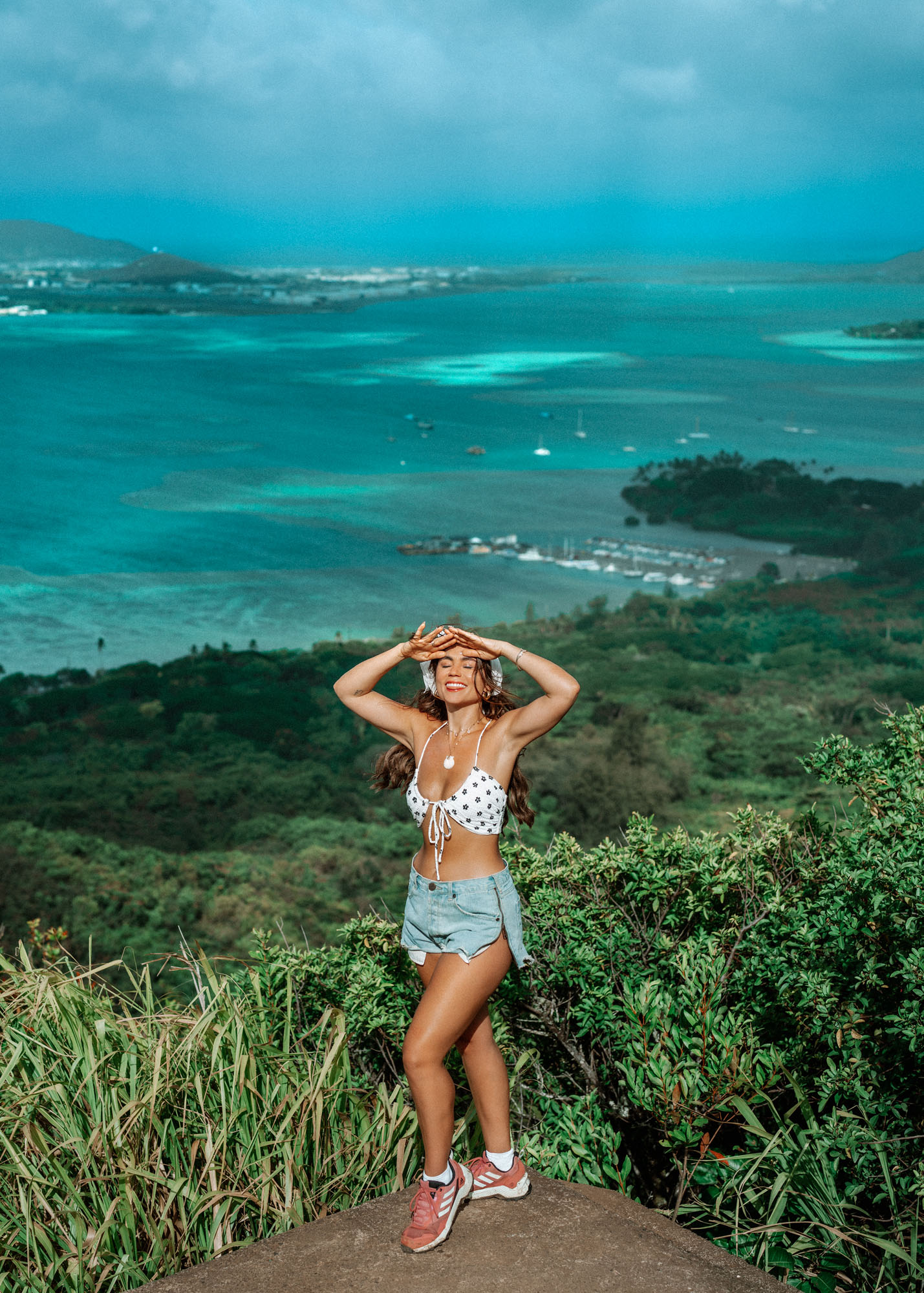
Kaneohe Sandbar emerges during low tide as a broad, shallow reef flat in the center of Kaneohe Bay, drawing boaters and tour groups when conditions align. Despite its popularity, the sandbar’s appeal depends heavily on timing, wind, and tide height, which can shift the experience quickly. Responsible reef behavior is essential, as coral damage has been an ongoing concern in the bay.
- Location: Kaneohe Bay
- Parking: Marina dependent
- Fees or permits: Tour fees if using commercial boats
- How to reach: Boat or guided excursion
- Known for: Shallow turquoise water, mountain backdrop
- Hazards: Sun exposure, wind chop, reef sensitivity
11. Kaimana Beach
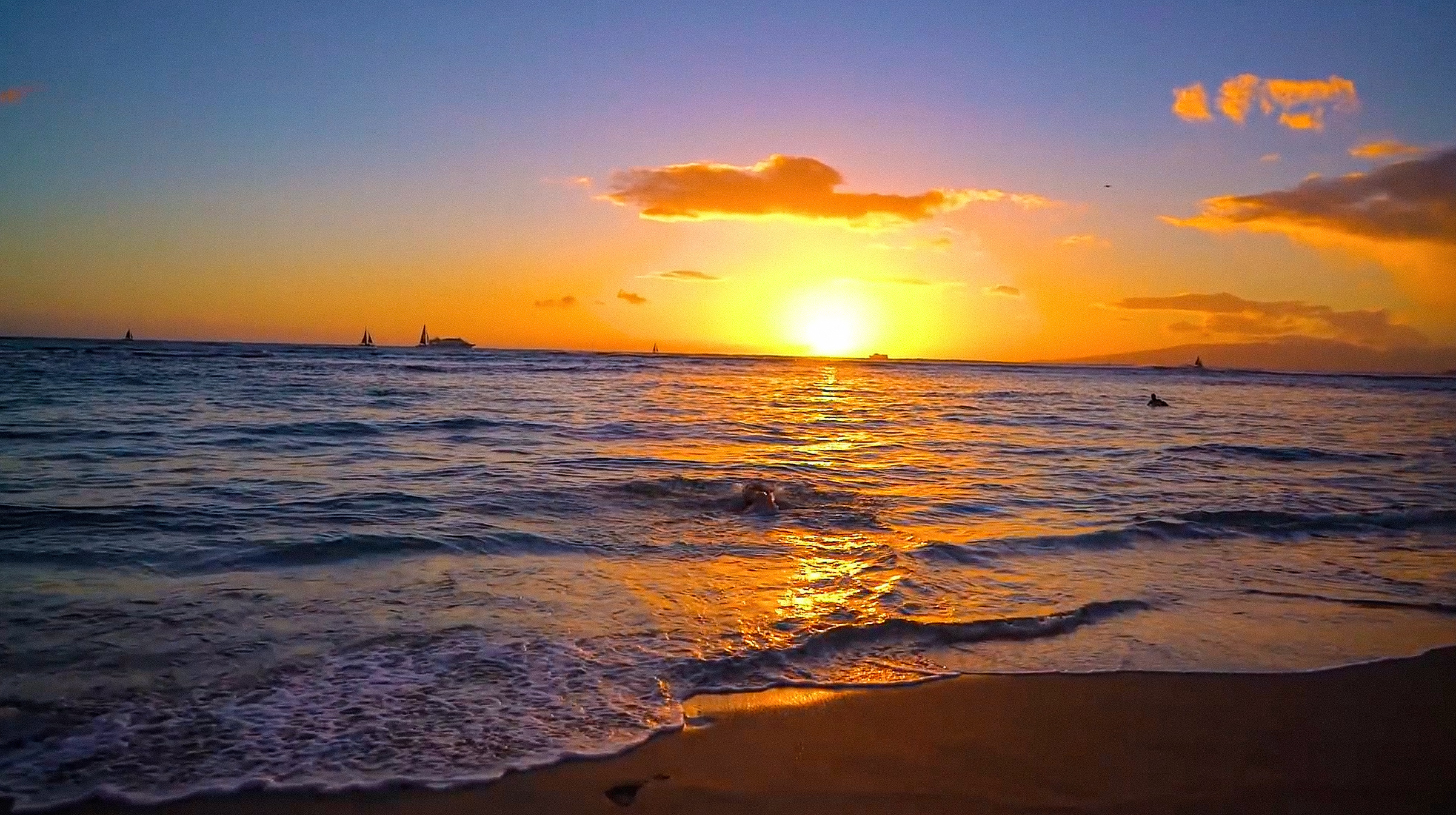
Kaimana Beach sits at the eastern edge of Waikiki near Diamond Head, offering a noticeably more relaxed environment - and, notably, is one of the best beaches in the Honolulu/Waikiki area for unobstructed sunset views. Offshore reef structures help moderate wave energy, creating reliable swimming conditions for much of the year. The beach attracts a mix of locals and visitors without feeling compressed.
- Location: Near Diamond Head
- Parking: Street parking and nearby park lots
- Fees or permits: None
- How to reach: Short walk from Waikiki
- Known for: Reef protection, quieter atmosphere
- Hazards: Rocky entry points in some areas
12. Makapuʻu Tide Pools
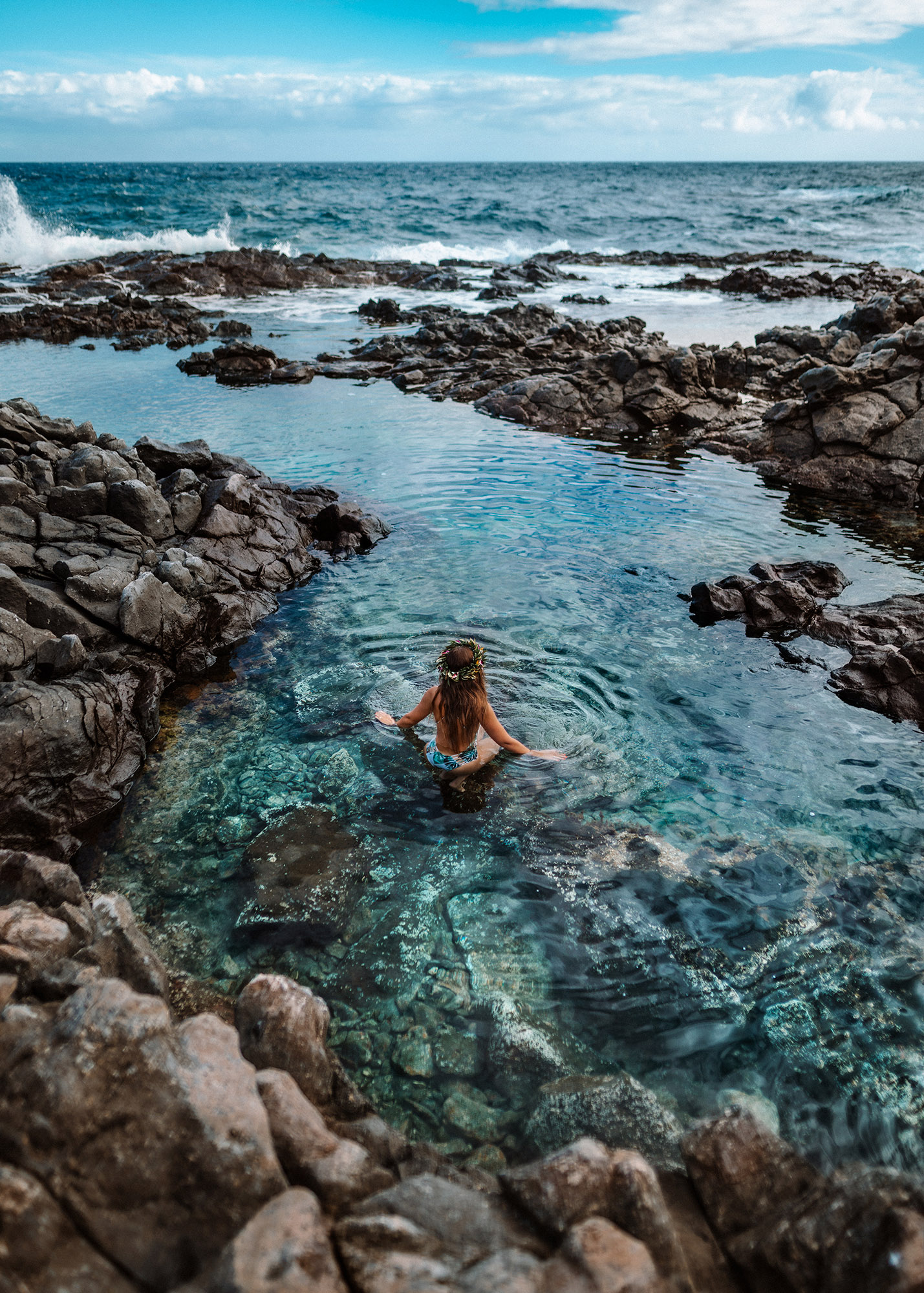
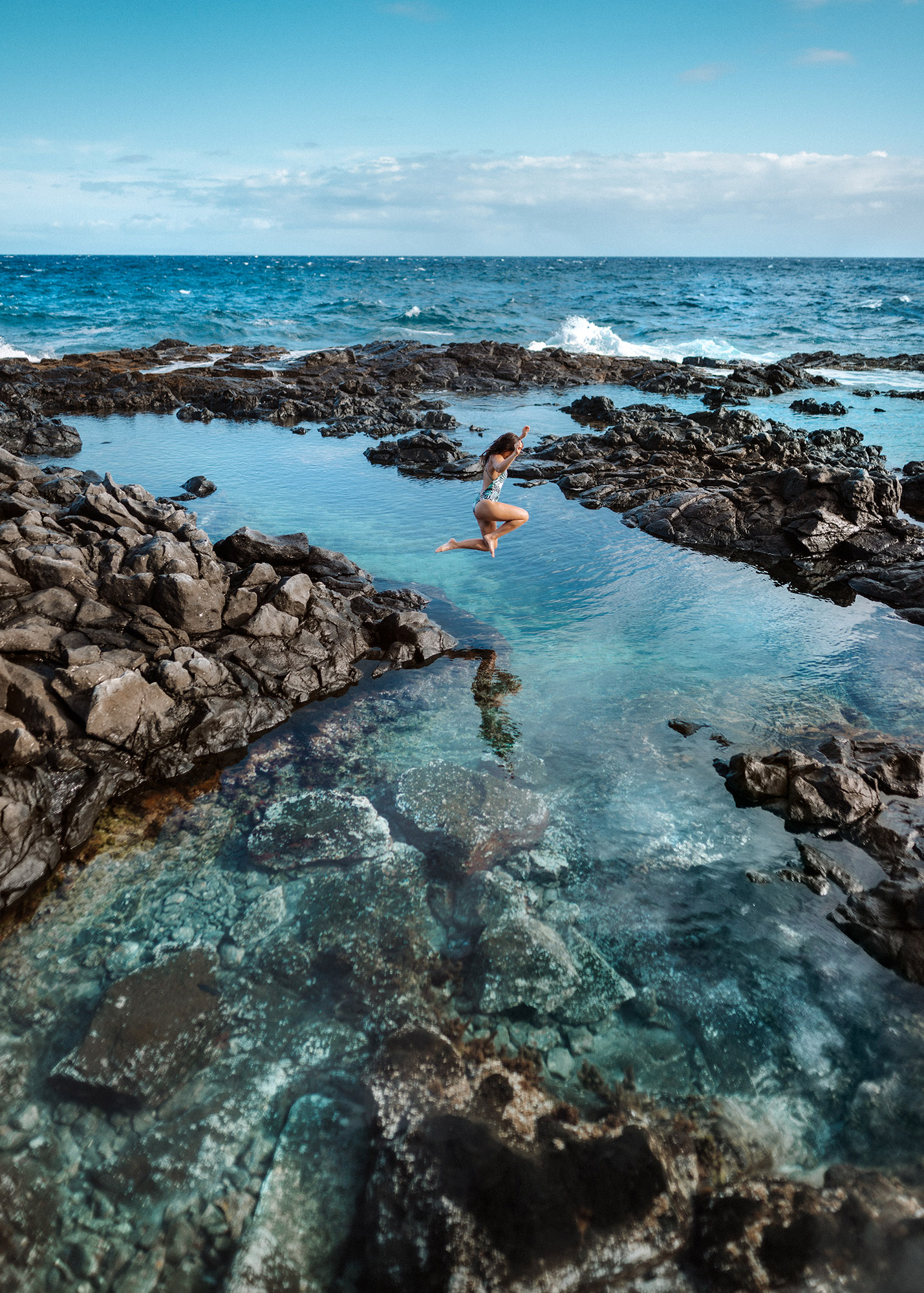
Makapuʻu Tide Pools form along a rocky stretch of coastline and are accessible only during calm conditions and low tide. The area is better suited to exploration than swimming, with uneven lava rock and shifting water levels. Proper footwear and situational awareness are essential.
- Location: Southeast Oahu
- Parking: Makapuʻu Lookout lot
- Fees or permits: None
- How to reach: Coastal scramble from lookout area
- Known for: Tide pools, lava formations
- Hazards: Slippery rocks, rising tides
13. Kaupō Beach Park
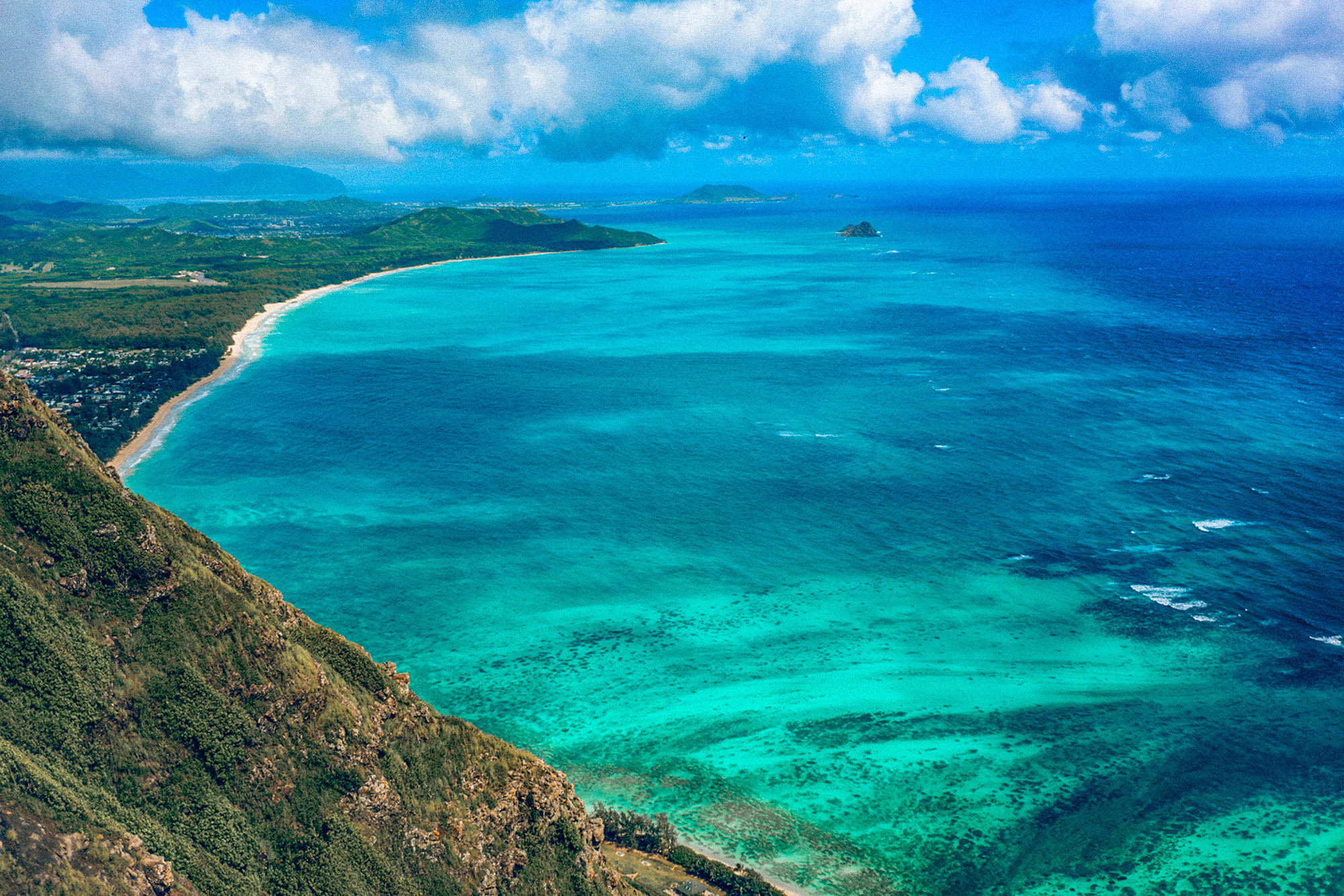

Kaupō Beach Park sits along Oahu’s southeastern coastline and functions more as a scenic coastal stop than a traditional swimming beach - and is an amazing view from a hike above. The shoreline is narrow and rocky, with persistent wave energy and limited sand, which makes it better suited to experienced ocean users and shoreline walks rather than casual swimming. Its value lies in accessibility, open views toward the Kaiwi Coast, and its role as a less crowded alternative to nearby, more regulated beaches.
- Location: Southeast Oahu, along Kalanianaʻole Highway
- Parking: Small roadside lot and shoulder parking
- Fees or permits: None
- How to reach: Direct roadside access via Kalanianaʻole Highway
- Known for: Coastal views, fishing, low foot traffic
- Hazards: Rocky shoreline, strong shore break, limited swimming conditions
14. Hanauma Bay Beach
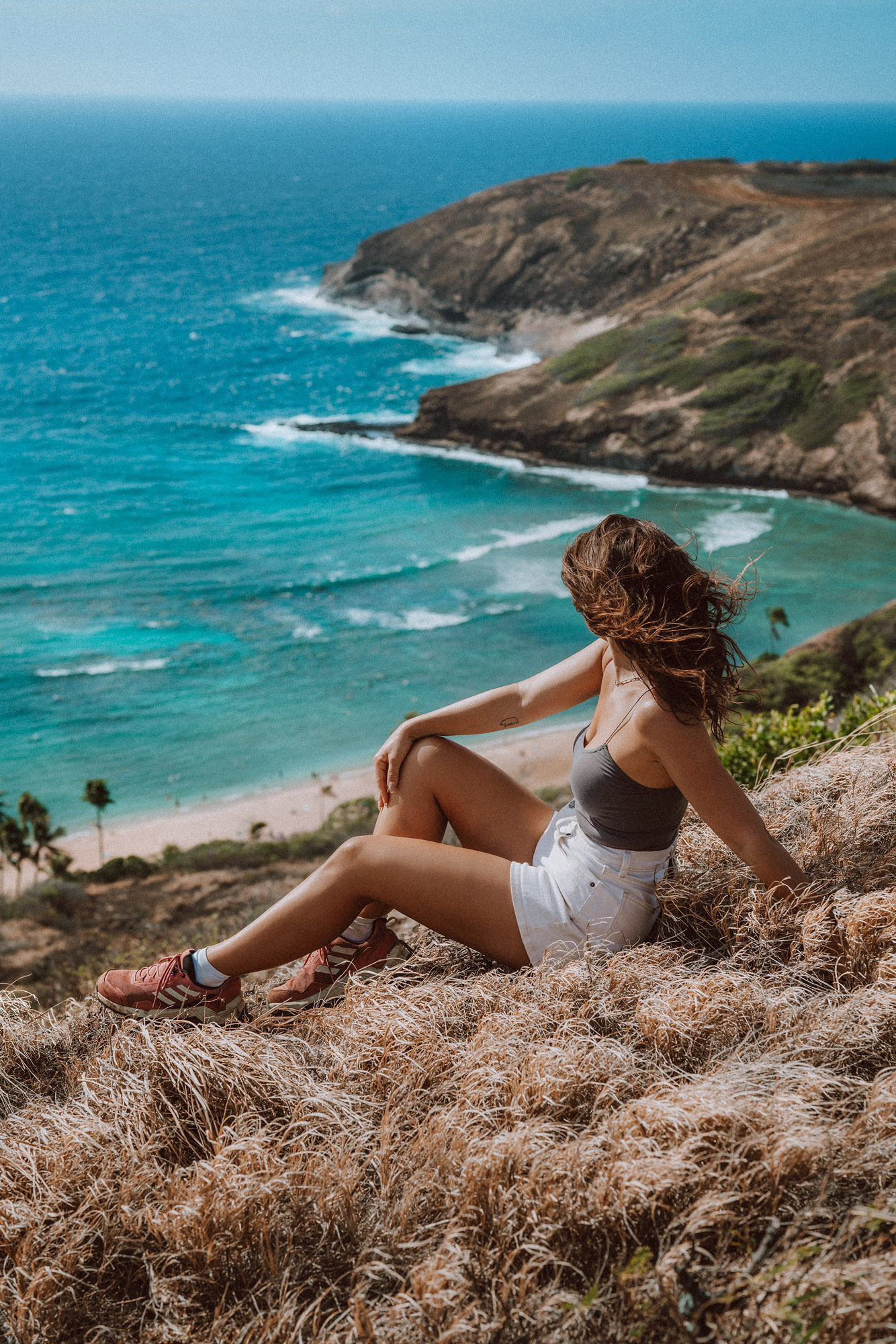
Hanauma Bay operates as a tightly managed marine conservation area, with daily entry caps, mandatory reservations, and weekly closures to protect reef health. Snorkeling conditions can be exceptional during calm mornings, although crowds and sun exposure remain factors. Planning ahead is essential here, as walk-in access is no longer guaranteed.
- Location: Southeast Oahu
- Parking: Reservation-based, limited
- Fees or permits: Entry fee for non-residents
- How to reach: Advance reservation required
- Known for: Snorkeling, marine biodiversity
- Hazards: Overcrowding, intense sun
15. Mokuleia Beach Park
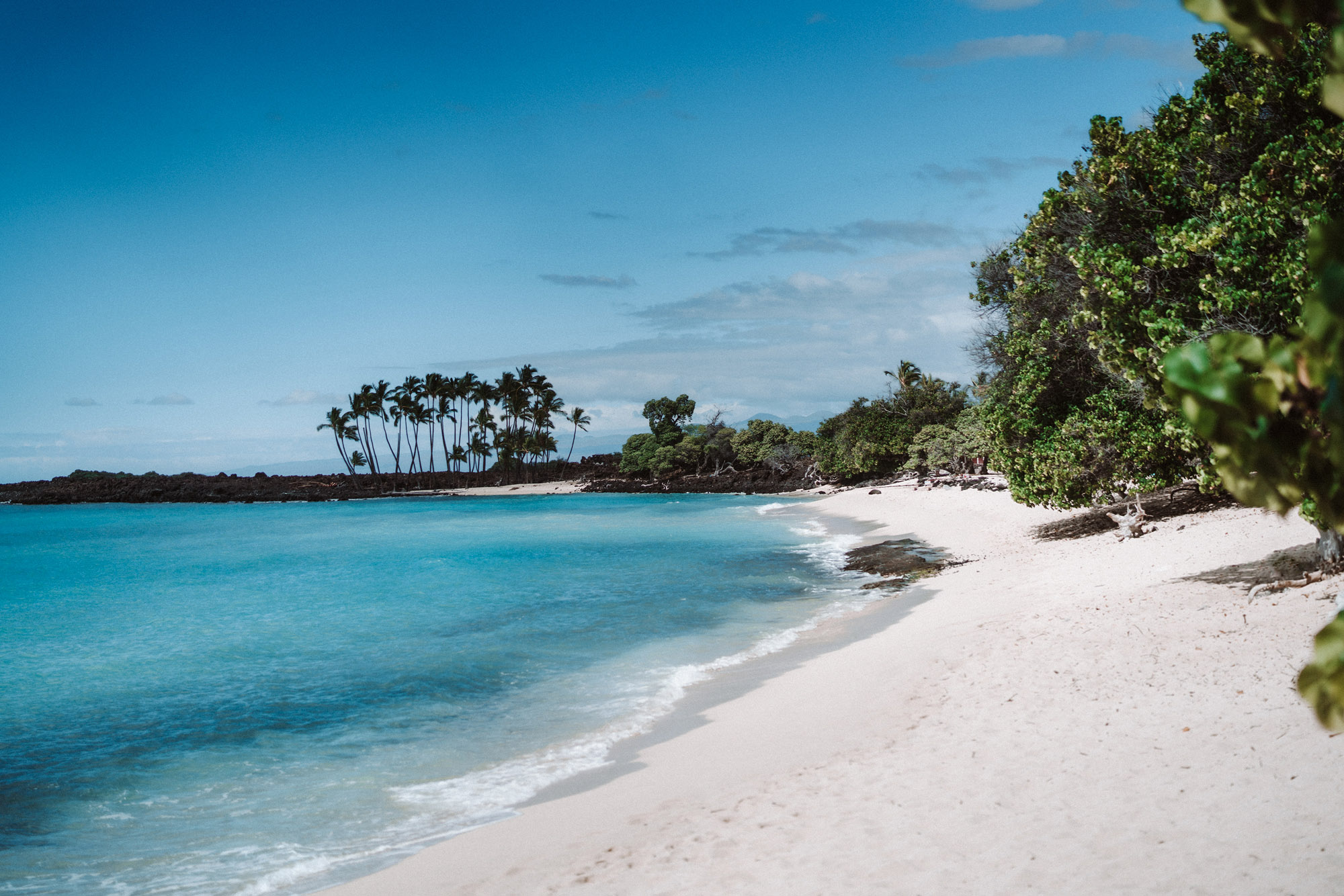
Mokuleia Beach Park stretches along Oahu’s North Shore with a broad, open shoreline and constant mountain views inland. Wind exposure is common, particularly in the afternoon, but the space and scenery make the area appealing even when water conditions are marginal. Seasonal surf patterns dictate whether swimming is advisable.
- Location: North Shore
- Parking: On-site beach lot
- Fees or permits: None
- How to reach: Farrington Highway
- Known for: Wide shoreline, open views
- Hazards: Wind, seasonal surf
Oahu’s beaches reward alignment rather than comparison, and the most satisfying experiences tend to come from choosing a shoreline that matches the day’s conditions rather than chasing reputation alone. Understanding access, exposure, and limitations before leaving your accommodation often determines whether a beach feels effortless or frustrating once you arrive.
16. Kahana Bay Beach Park
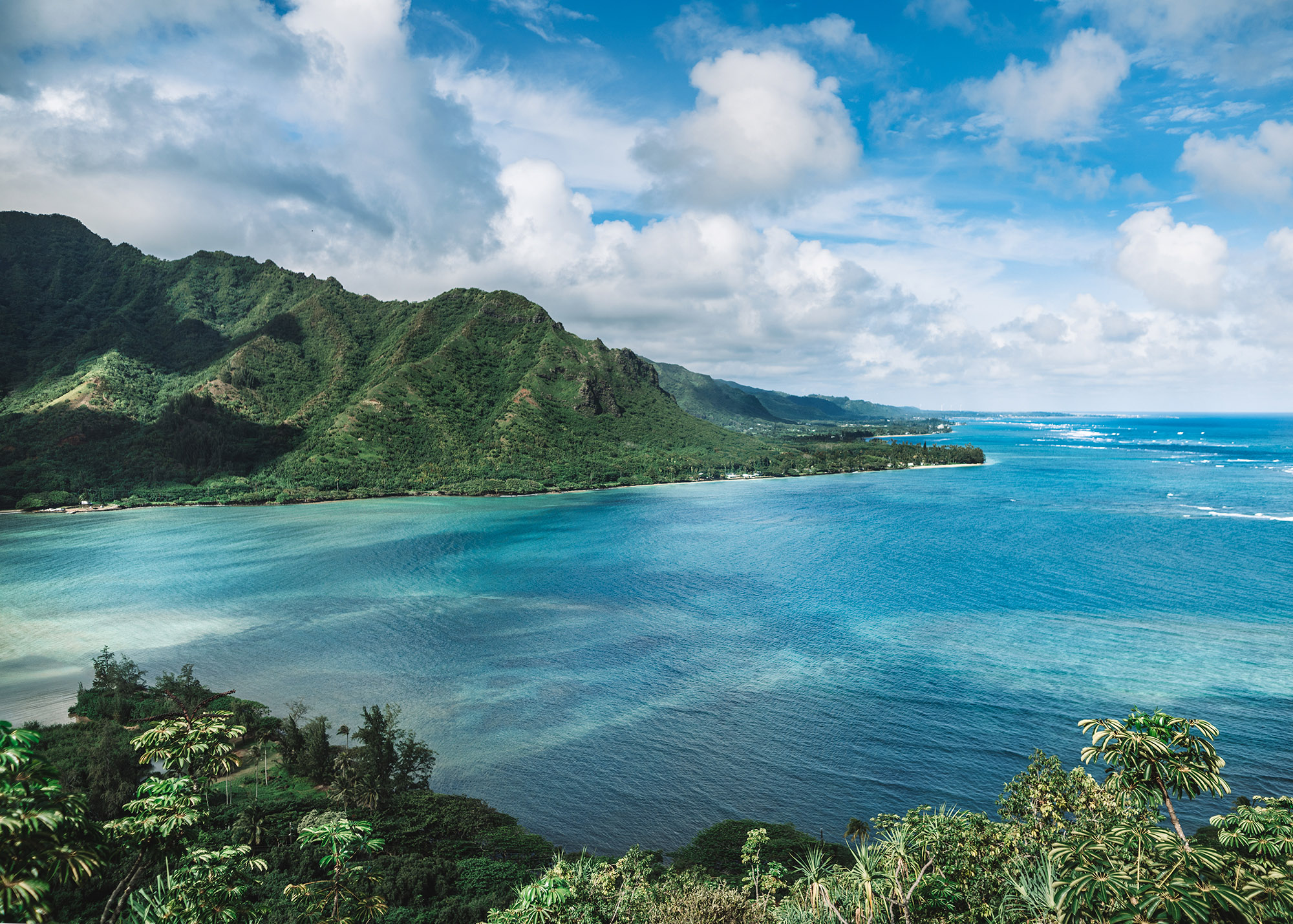
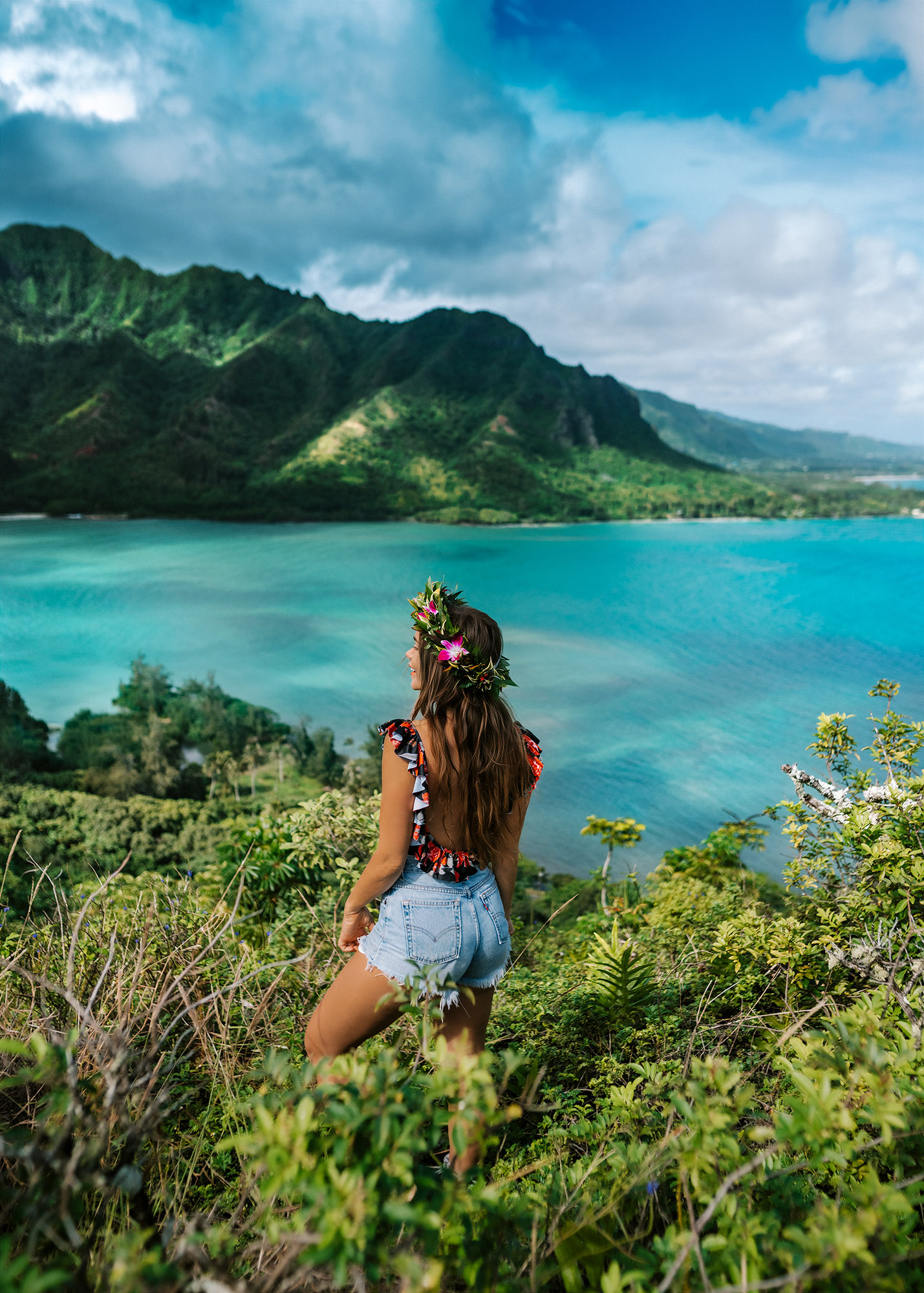
Kahana Bay is expansive and often quiet, with a wide shoreline backed by forested ridges that create a more remote atmosphere than nearby Windward beaches. Water clarity can fluctuate after rainfall due to runoff, and swimming conditions vary with seasonal swell patterns. The beach works best for relaxed days centered on space and scenery rather than extended time in the water.
- Location: Windward coast, north of Kaʻaʻawa
- Parking: Large beach park lot
- Fees or permits: None
- How to reach: Kamehameha Highway
- Known for: Broad shoreline, mountain views
- Hazards: Murky water after rain, shore break
17. Sand Cove, Kaʻena Point
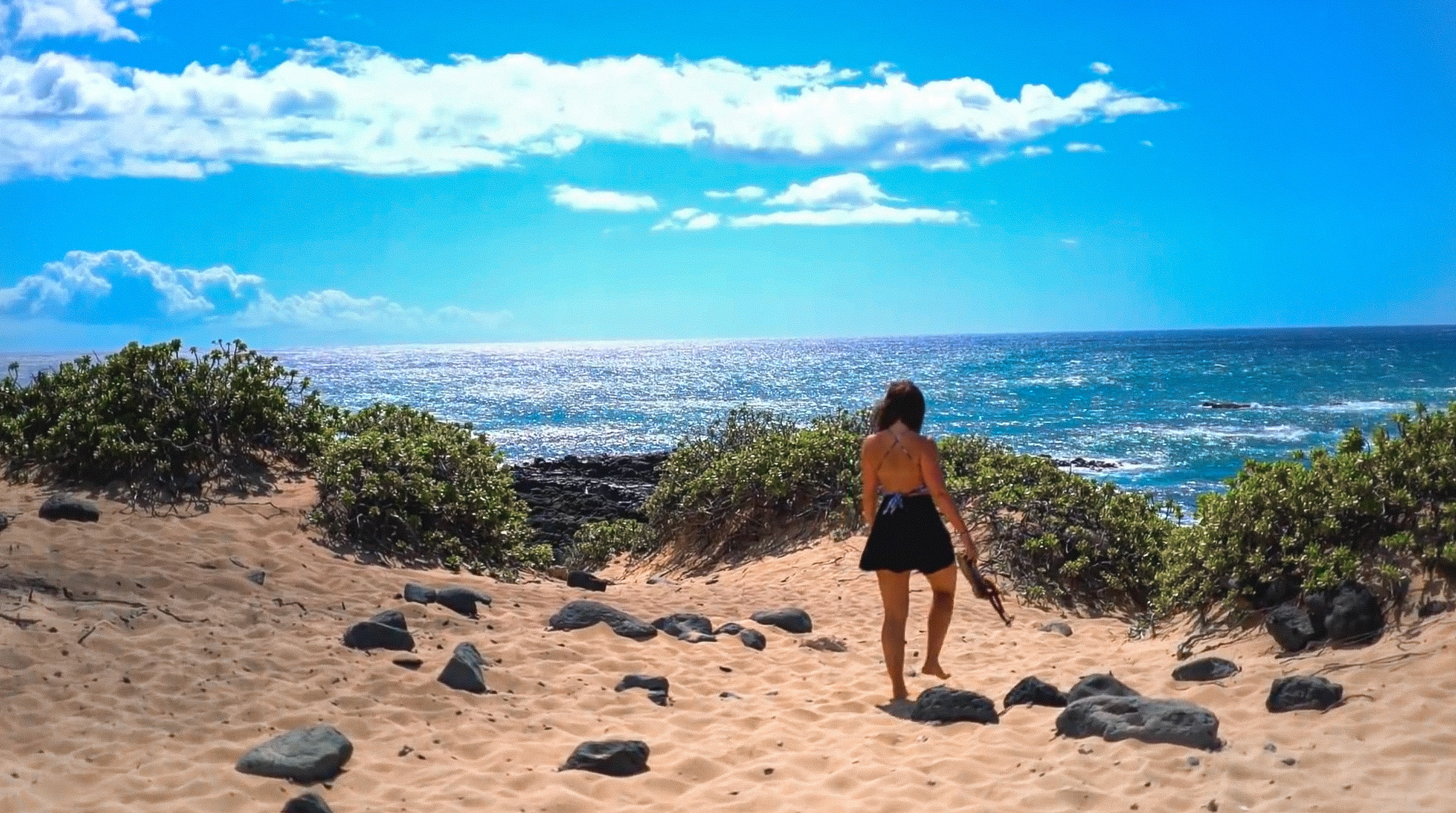
Sand Cove sits near the boundary of Kaʻena Point Natural Area Reserve, where infrastructure intentionally tapers off. Reaching the area requires off-road driving or hiking along a rugged coastal route, and amenities are virtually nonexistent. This is a place for those seeking isolation and raw coastal scenery rather than comfortable swimming conditions.
- Location: Northwestern Oahu
- Parking: Dirt roadside near trailheads
- Fees or permits: None
- How to reach: 4WD vehicle - this is a serious off-roading area, so I would advise only doing this with experience and an SUV that can handle it, or you can hike in for access
- Known for: Seclusion, natural coastline
- Hazards: Strong currents, no lifeguards
18. Royal Moana Beach, Waikiki

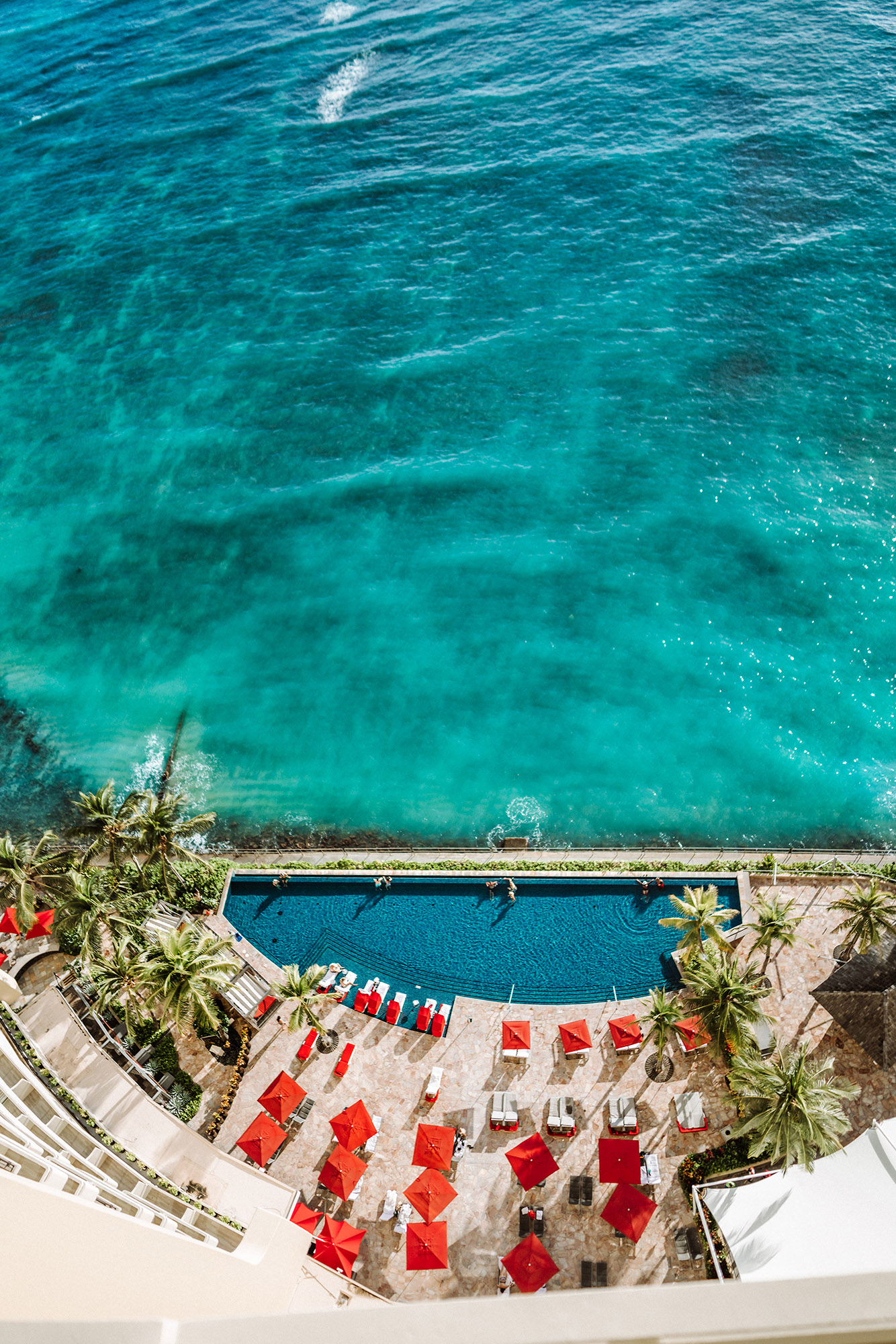
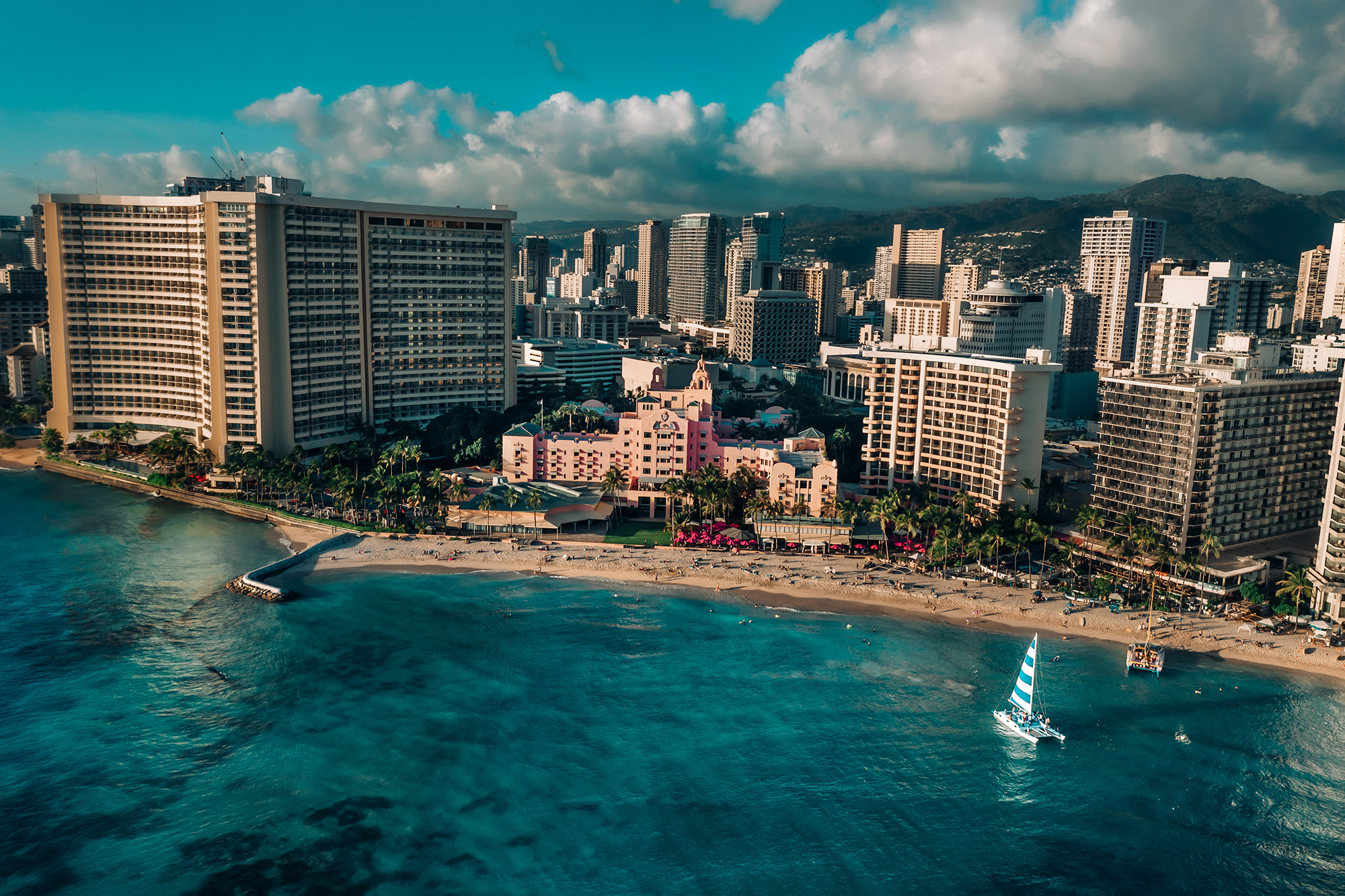
Royal Moana Beach occupies a slightly quieter stretch of Waikiki, where crowds thin just enough to change the feel of the shoreline. The water remains calm and swimmable most days, supported by South Shore reef protection. Proximity to hotels makes access easy without overwhelming the space.
- Location: Central Waikiki
- Parking: Hotel and public garages
- Fees or permits: None
- How to reach: Walking access
- Known for: Manageable crowds, calm conditions
- Hazards: Limited natural shade
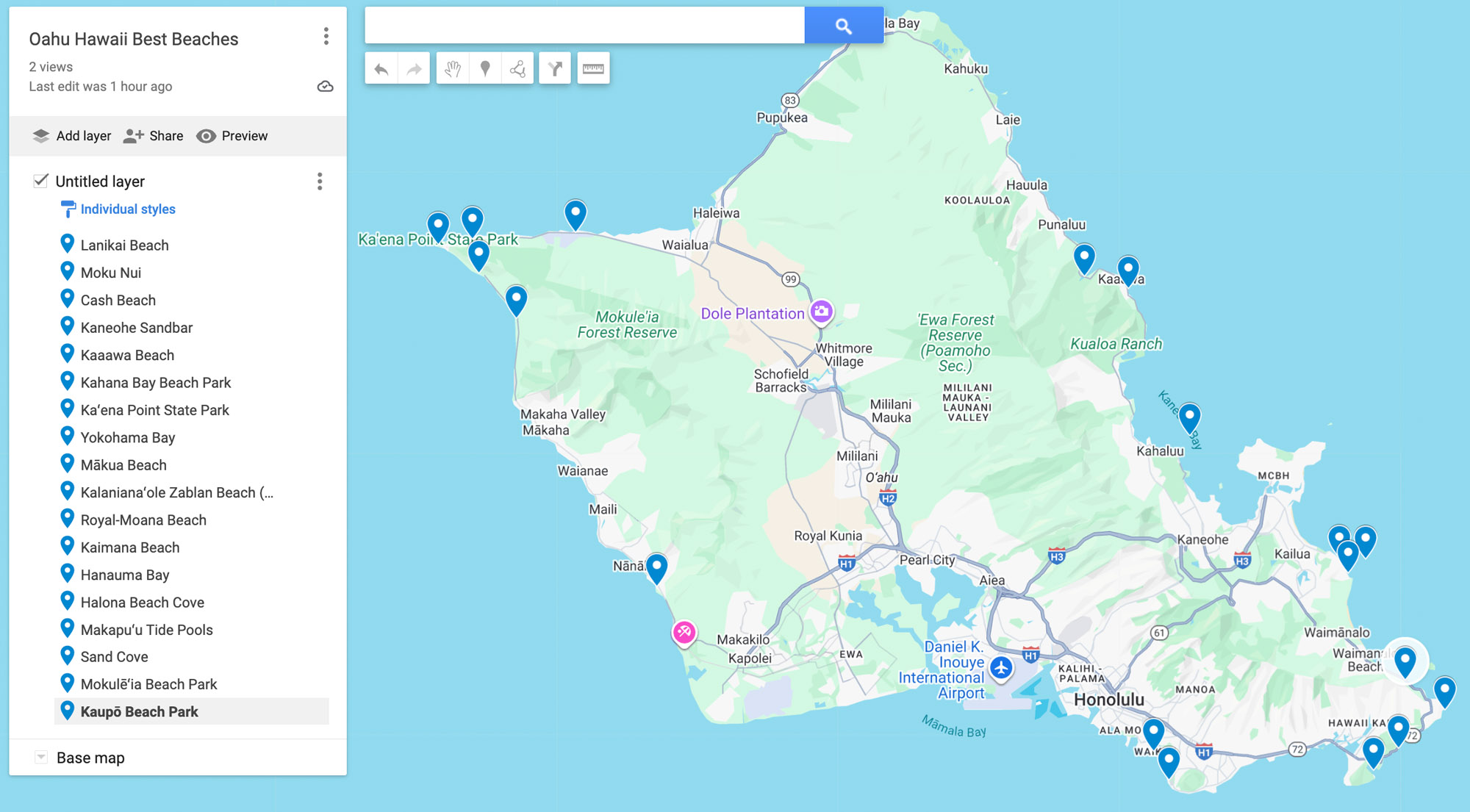
Download The Google Map Of All Spots Here!
Like this post? Pin it for later and share it with others!
%201.png)
%202.png)
x