

15 Most Beautiful Places to Visit in New Zealand for First-Time Travelers Across North and South Islands
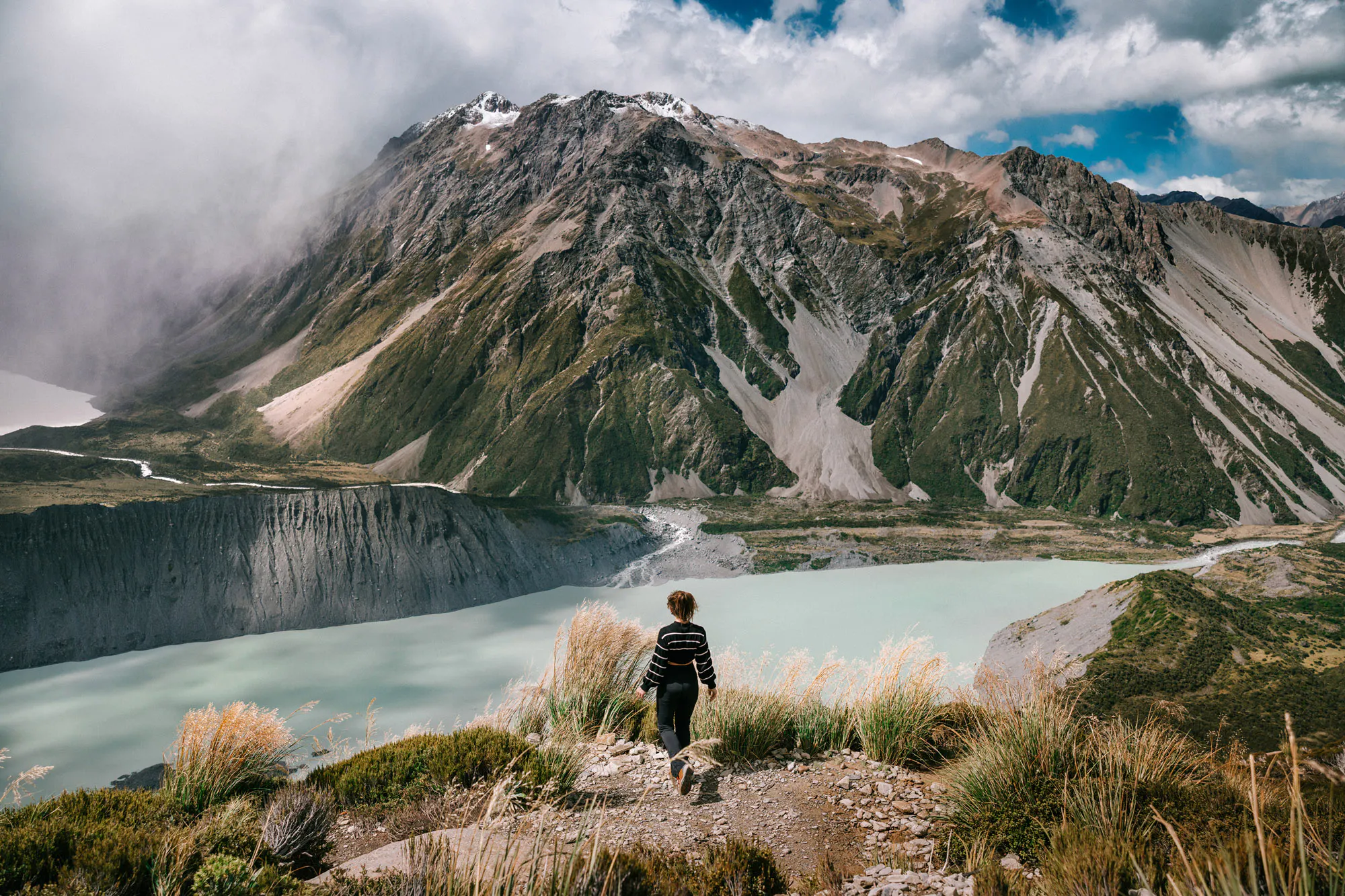
Best Places to Visit in New Zealand
• New Zealand overall is much larger than you likely initially think when beginning travel planning: the islands combined are about the same length as all of California! It is really not possible to see the entire country in a two-week trip, so it is best to pick certain areas between each island and experience those regions, rather than trying to fit in everything and spend most of your time in transit.
• New Zealand is divided into the North Island and South Island, with most visitors traveling between them by domestic flight or ferry
• The South Island is known for mountains, glacier lakes, fjords, and alpine drives, while the North Island is more associated with beaches, rainforest, surf towns, and coastal scenery
• Renting a car is the easiest way to explore New Zealand because many of the country’s best landscapes sit far outside major cities
• Driving times are often longer than expected due to narrow mountain roads, changing weather conditions, and scenic routes throughout both islands
South Island, New Zealand
The South Island tends to dominate most New Zealand itineraries because the scenery feels unusually dramatic even by global standards. Glacier-fed lakes, snow-covered mountain ranges, fjords, alpine hiking trails, waterfalls, and winding mountain roads exist across enormous stretches of the island, particularly throughout Otago, Fiordland, and the Mount Cook region. Distances can become deceptive here because roads are slower and weather conditions change constantly, although the drives themselves often become one of the best parts of the trip.
1. Wilsons Creek, Haast Pass
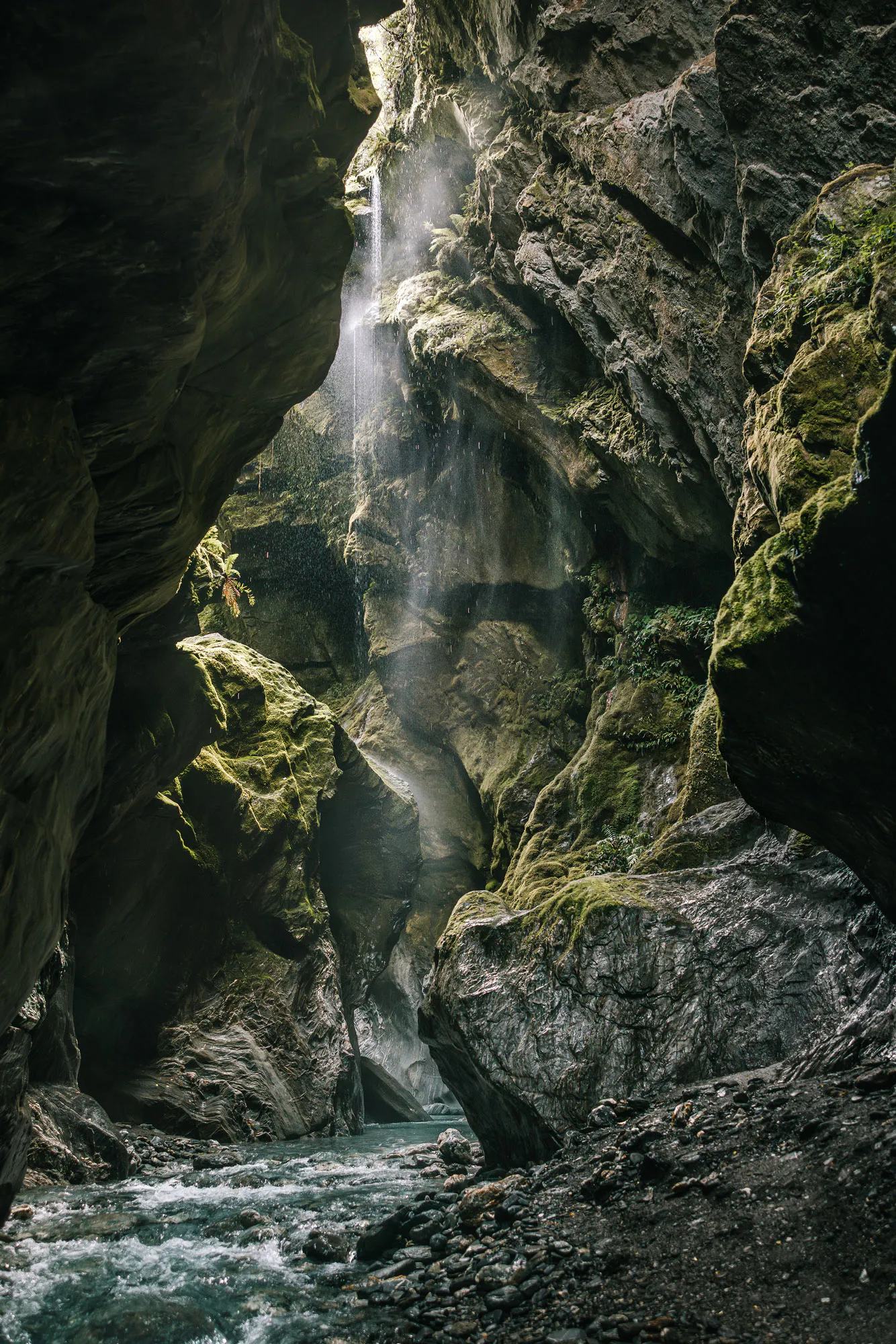
Wilsons Creek sits along Haast Pass on the drive between Wanaka and the West Coast, and despite being relatively accessible from the road, it still feels strangely untouched. The water shifts between turquoise and deep glacial blue depending on rainfall and sunlight, while the surrounding rainforest creates the kind of atmosphere that makes the entire West Coast feel prehistoric.
Most people drive straight through Haast Pass without stopping long enough to explore the smaller pull-offs, which becomes a mistake considering how visually dense this region is.
What makes the area worth stopping for:
• Clear glacial water surrounded by dense native forest
• Easy roadside access compared to many South Island nature spots
• One of the most scenic drives anywhere in New Zealand
• Excellent photography conditions during overcast weather
2. Sealy Tarns Track, Mount Cook
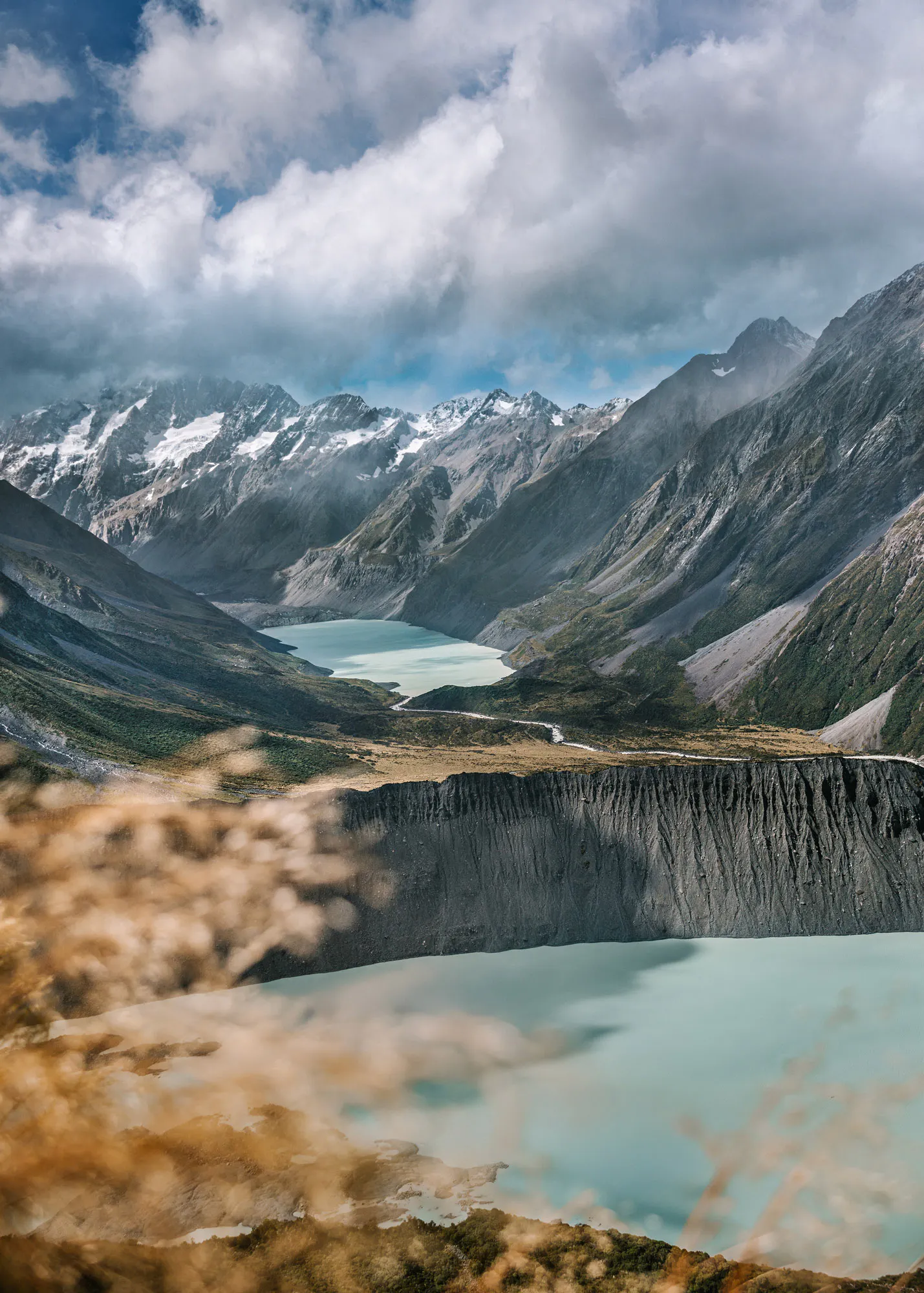
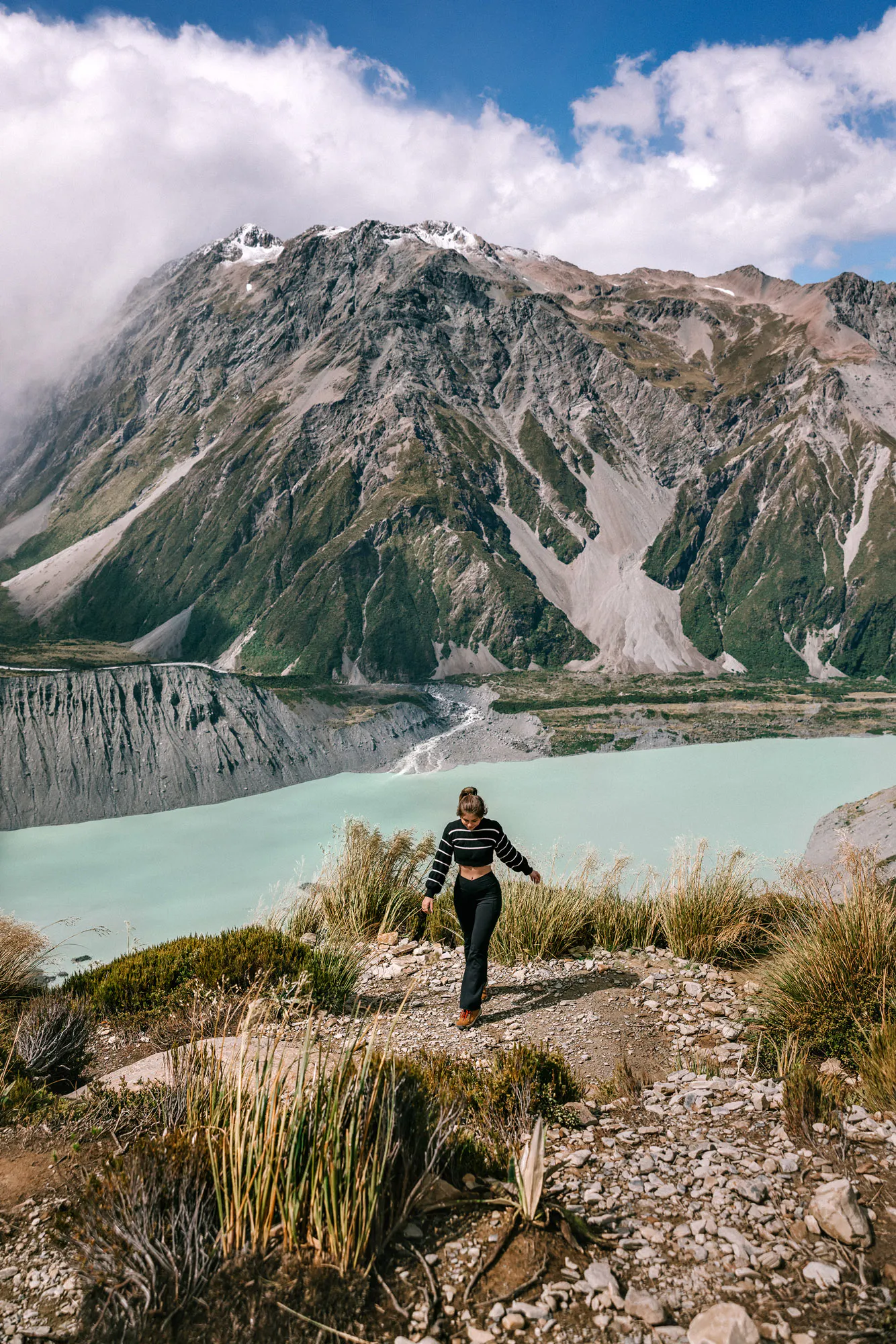
The Sealy Tarns Track is one of the best short alpine hikes in New Zealand if you want dramatic elevation gain without committing to a full-day trek. The climb is steep and relentlessly stair-heavy, although the panoramic views over Aoraki / Mount Cook National Park become more impressive with every section of ascent. If you only have the time to do one hike at Mount Cook - this is the one I would choose. However, this is quite physically strenuous, and even as someone who is very strong, I could really feel the stairs and needed a few breaks. If this isn't something you can handle, do the Hooker Valley trail instead!
By the time you reach the tarns, the Hooker Valley stretches beneath you while snow-covered peaks surround nearly every direction. On clear days, the landscape barely looks real.
Important things to know before hiking:
• The track gains elevation quickly and feels harder than its distance suggests
• Sun exposure can become intense even in cooler months
• Morning light tends to produce the clearest mountain visibility
• Weather conditions change rapidly around Mount Cook
3. Cardrona Hotel, Near Queenstown
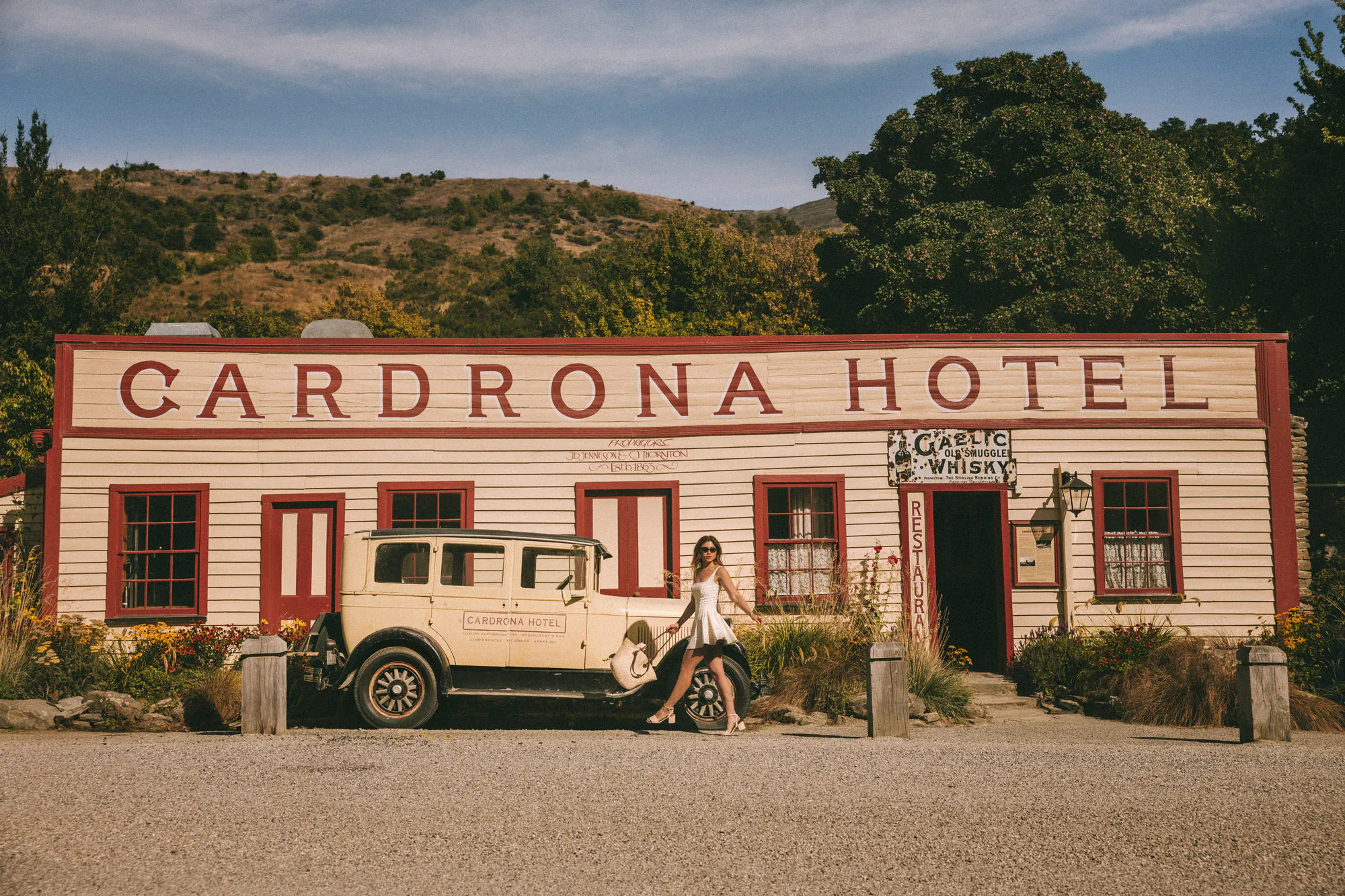
The Cardrona Hotel claims to be the most photographed building in New Zealand, although it still manages to retain some authenticity despite the constant stream of visitors stopping for photos between Queenstown and Wanaka.
Originally built during the Otago gold rush era, the hotel sits against a backdrop of dry golden hills that feel dramatically different from the glacier-heavy landscapes elsewhere in the South Island. During summer and autumn, the contrast between the historic white facade and the surrounding terrain becomes especially photogenic.
Why people stop here:
• Historic character dating back to the 1860s
• One of the most scenic road trip stops near Queenstown
• Easy detour between Wanaka and Queenstown
• Popular café and outdoor seating area
We ended up spending the last couple nights of our trip in a room at the hotel and LOVED it. Both the casual daytime restaurant and bar, and the formal dining room were excellent, the garden grounds beautiful, and this seemed to be the sunniest place in all of New Zealand!
4. That Wanaka Tree, Wanaka
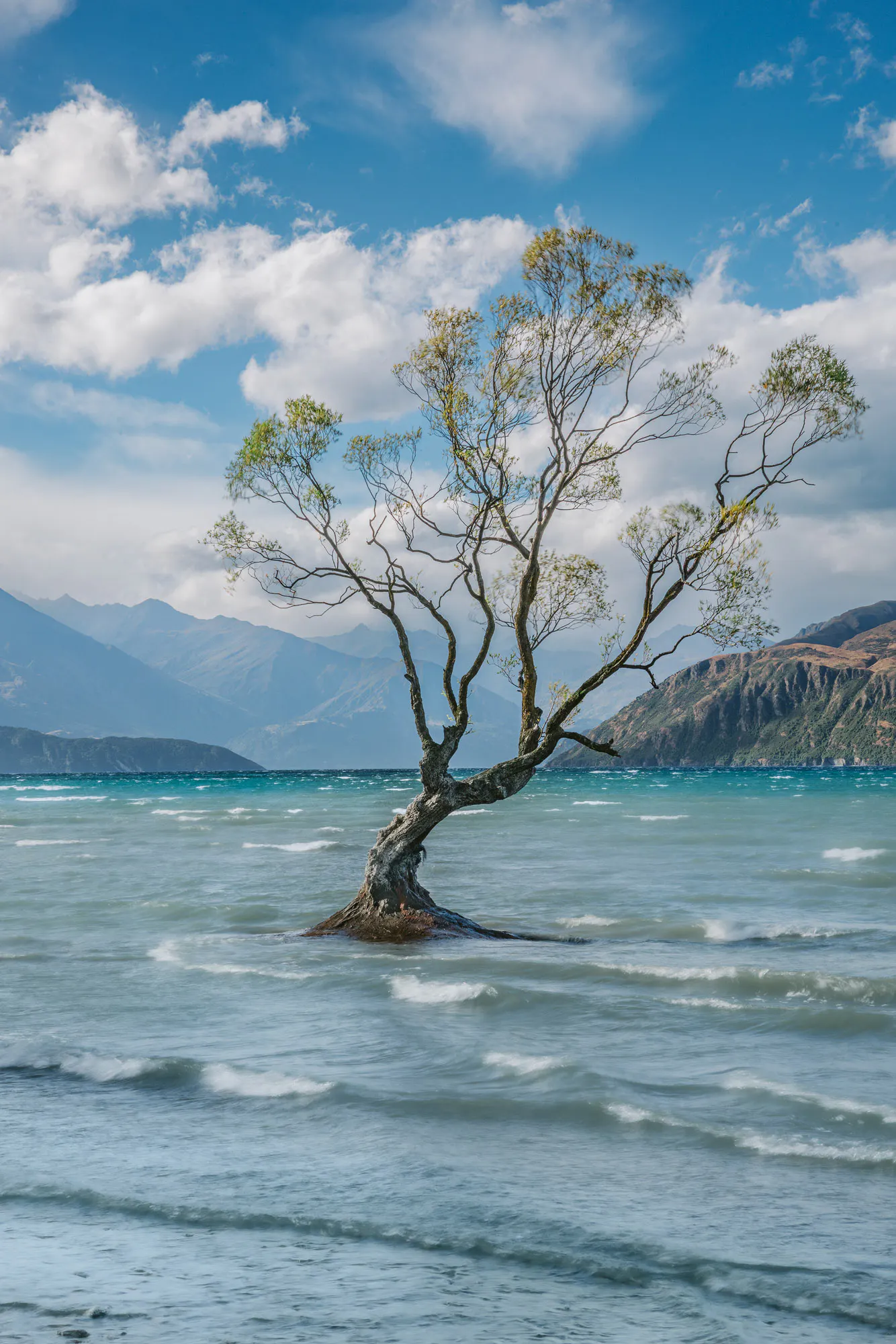
The Wanaka Tree has become one of New Zealand’s most recognizable photography spots, partly because of how surreal it looks standing alone in Lake Wanaka with snow-covered mountains behind it. This is genuinely a comical stop, but if you're in or around Wanaka, you have to make the pilgrimage!
Despite the social media attention, the location remains genuinely beautiful in person, especially around sunrise when the lake becomes completely still, and reflections sharpen across the water.
A few things worth knowing beforehand:
• Sunrise offers the calmest lake conditions
• The area becomes crowded during peak tourist season
• Winter often creates the most dramatic mountain contrast
• The tree sits within walking distance of central Wanaka
5. Hooker Valley Track, Mount Cook
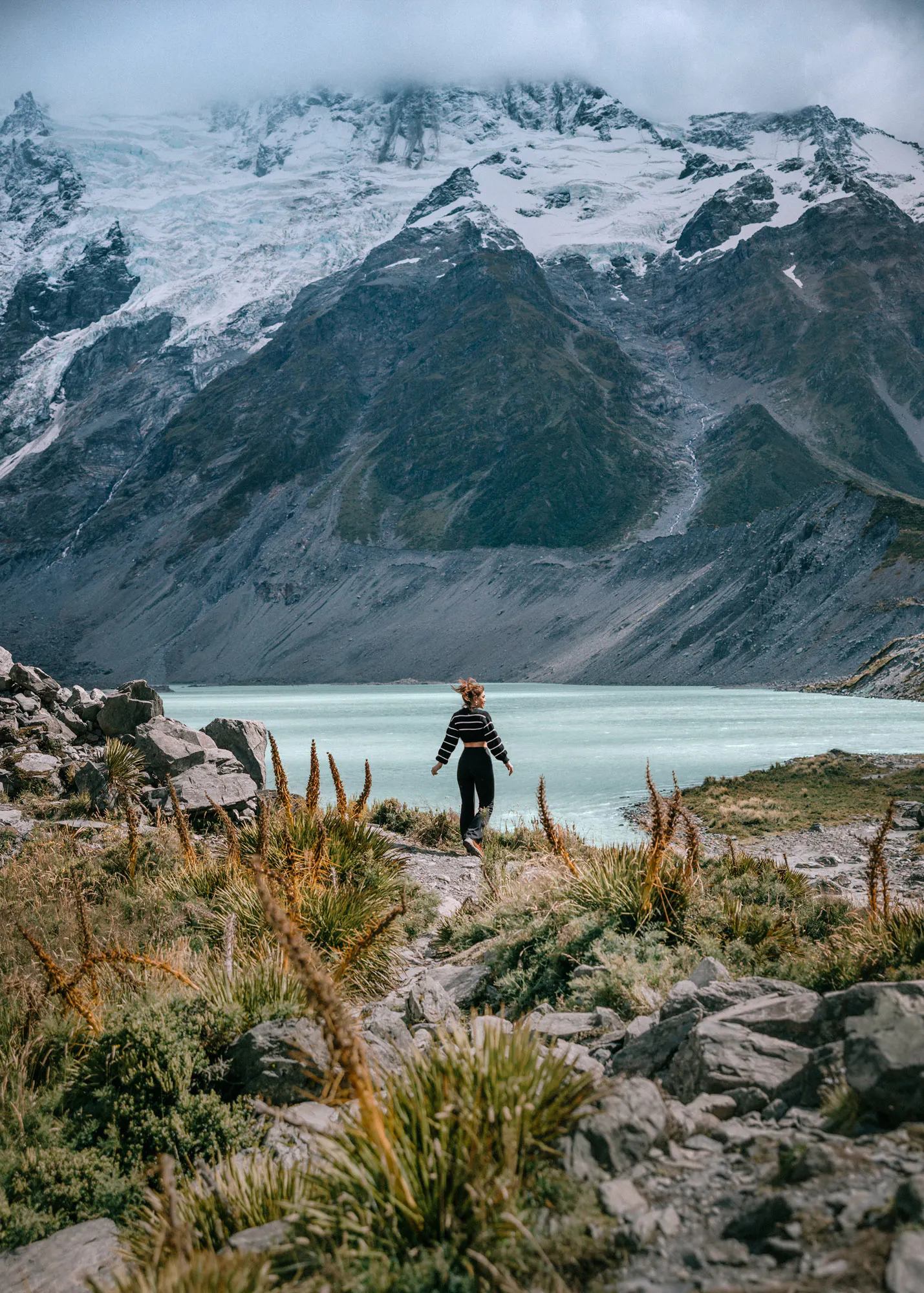
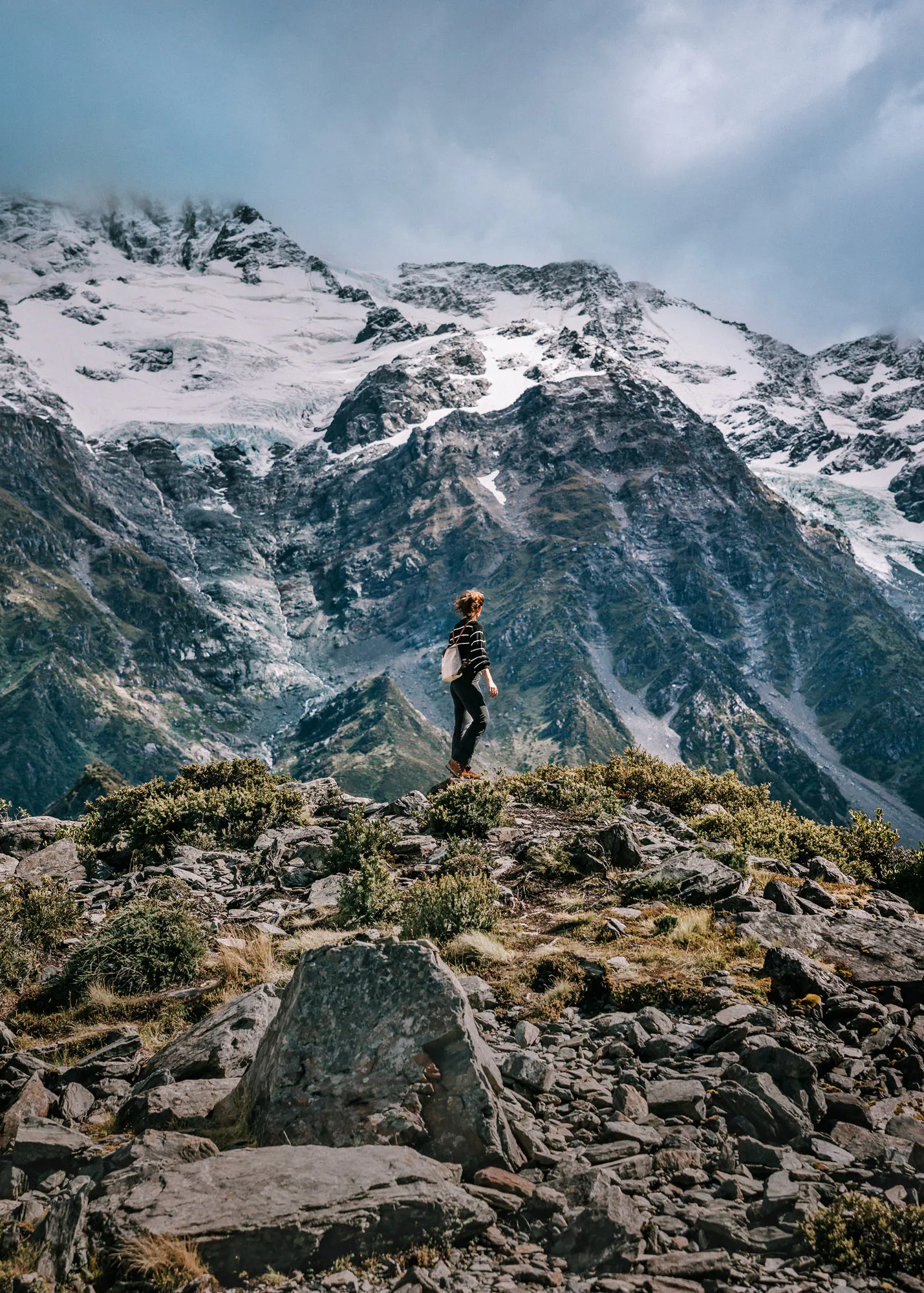
The Hooker Valley Track remains one of the most famous walks in New Zealand because it delivers enormous alpine scenery with relatively manageable difficulty. Suspension bridges cross glacial rivers while Mount Cook dominates nearly every section of the trail.
Unlike many heavily photographed attractions, this one genuinely lives up to expectations.
What to expect on the track:
• Relatively easy terrain suitable for most fitness levels
• Three suspension bridges along the route
• Views of glaciers, alpine rivers, and Mount Cook
• Hooker Lake at the end of the trail with floating icebergs during colder months
6. Bobs Cove, Near Queenstown
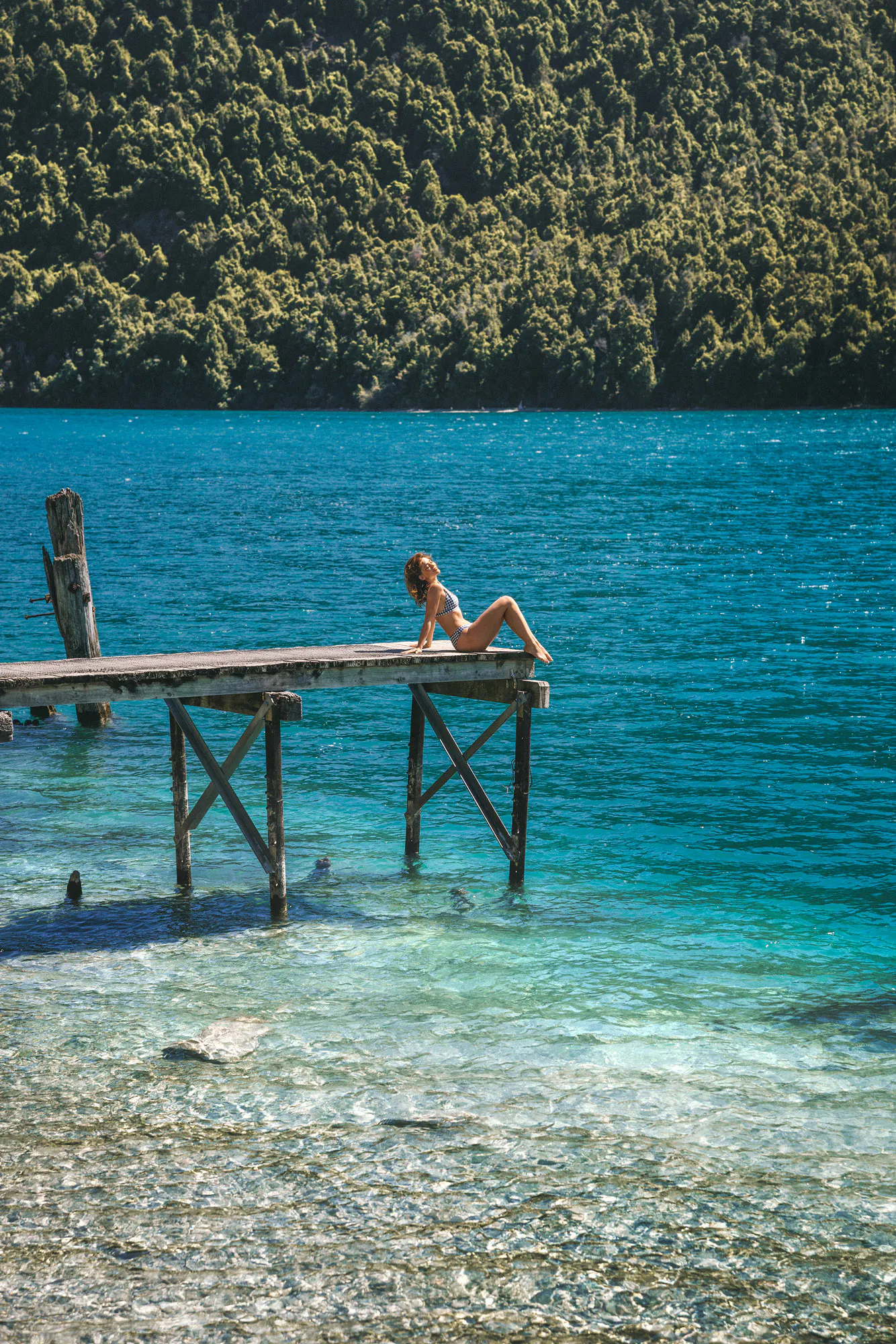
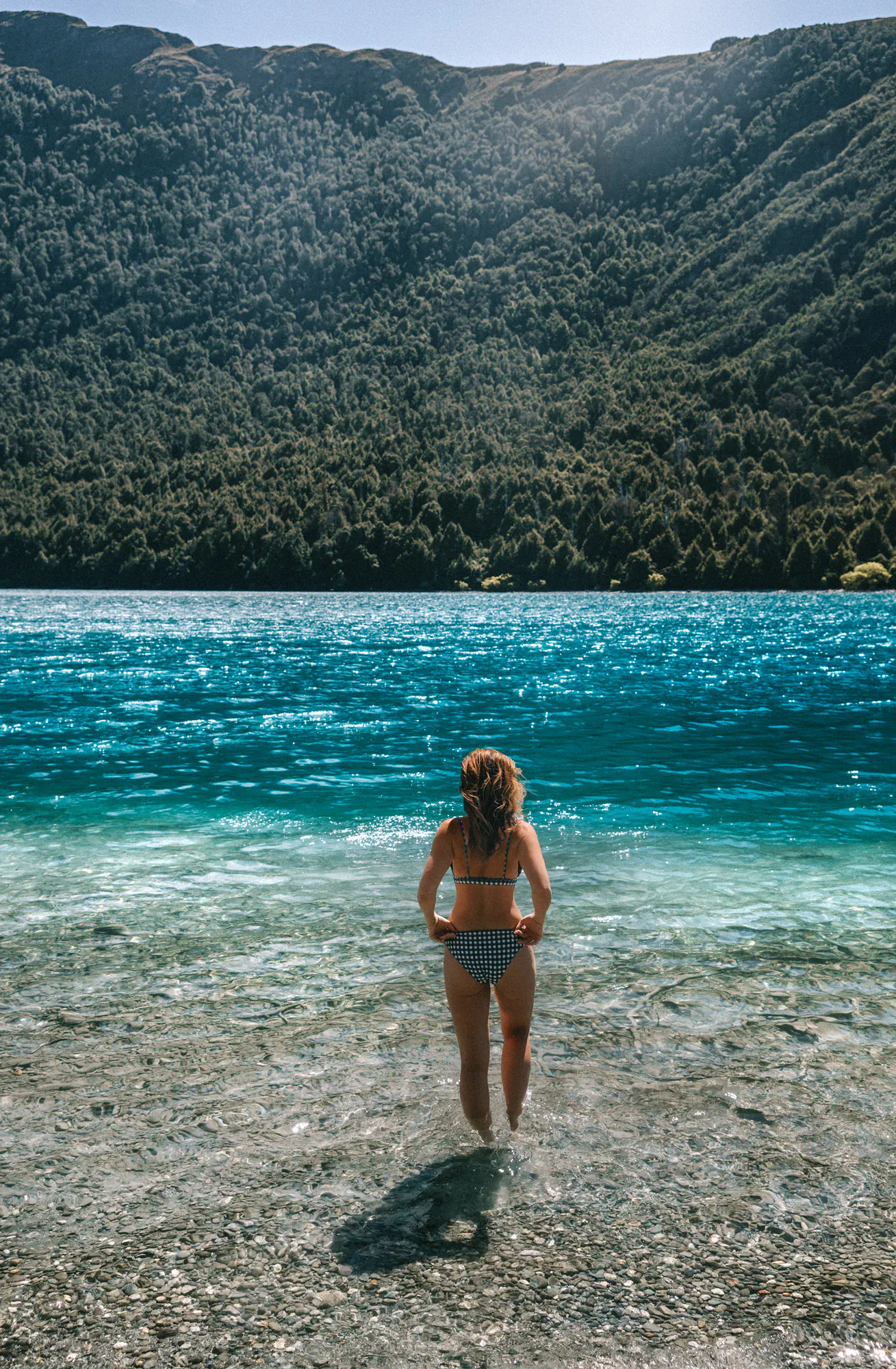
Bobs Cove sits along the road between Queenstown and Glenorchy and tends to attract fewer crowds than many nearby viewpoints. The lake water often shifts into intensely vivid blue and green tones, especially during sunny weather.
The short walking track through native forest leads to elevated viewpoints overlooking Lake Wakatipu and the surrounding mountains.
Why it deserves a stop:
• Short and accessible walking track
• Clear lake water with strong color contrast
• Excellent stop on the Glenorchy drive
• Usually less crowded than central Queenstown viewpoints
7. The Drive Along Lake Pukaki
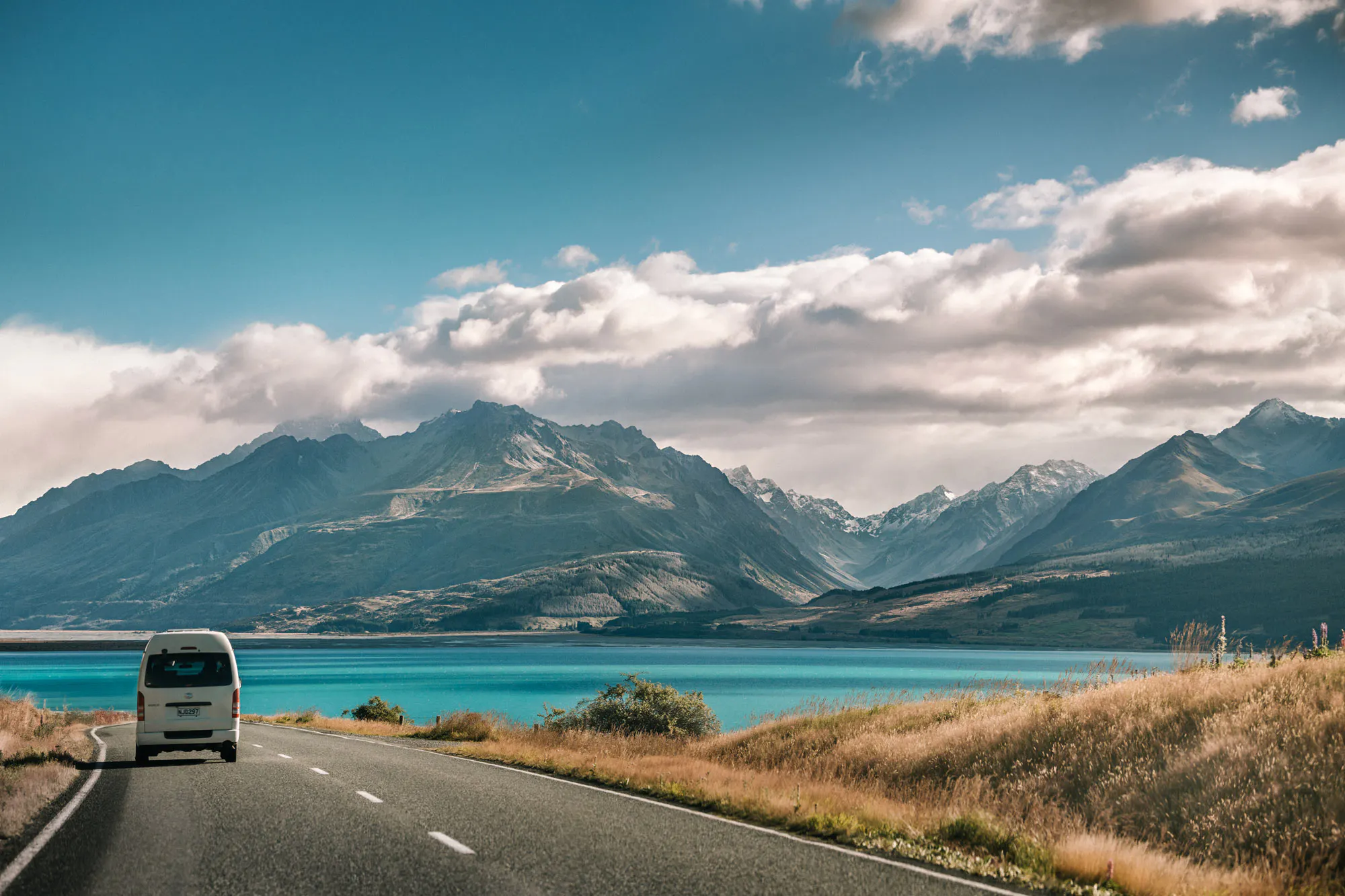
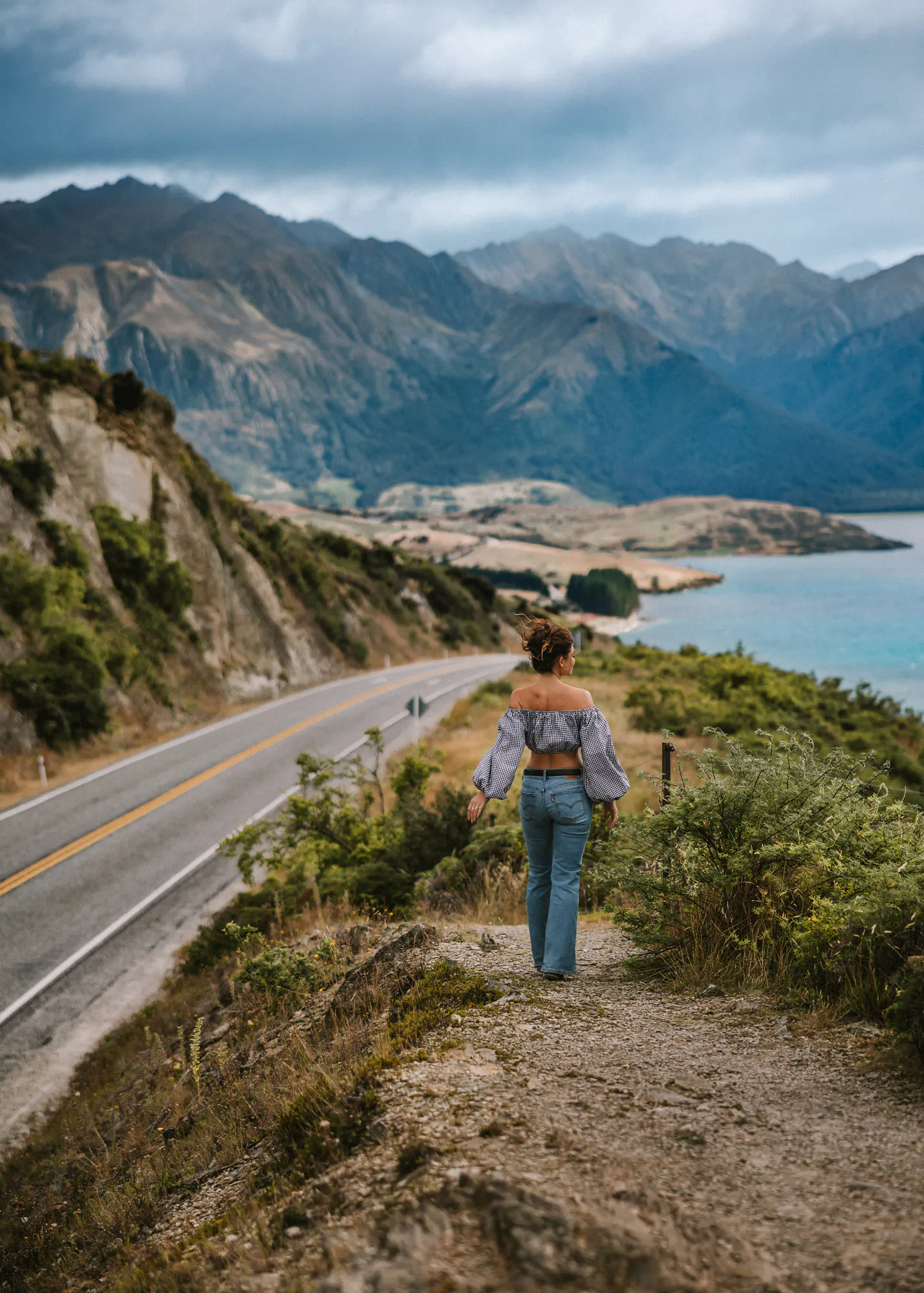
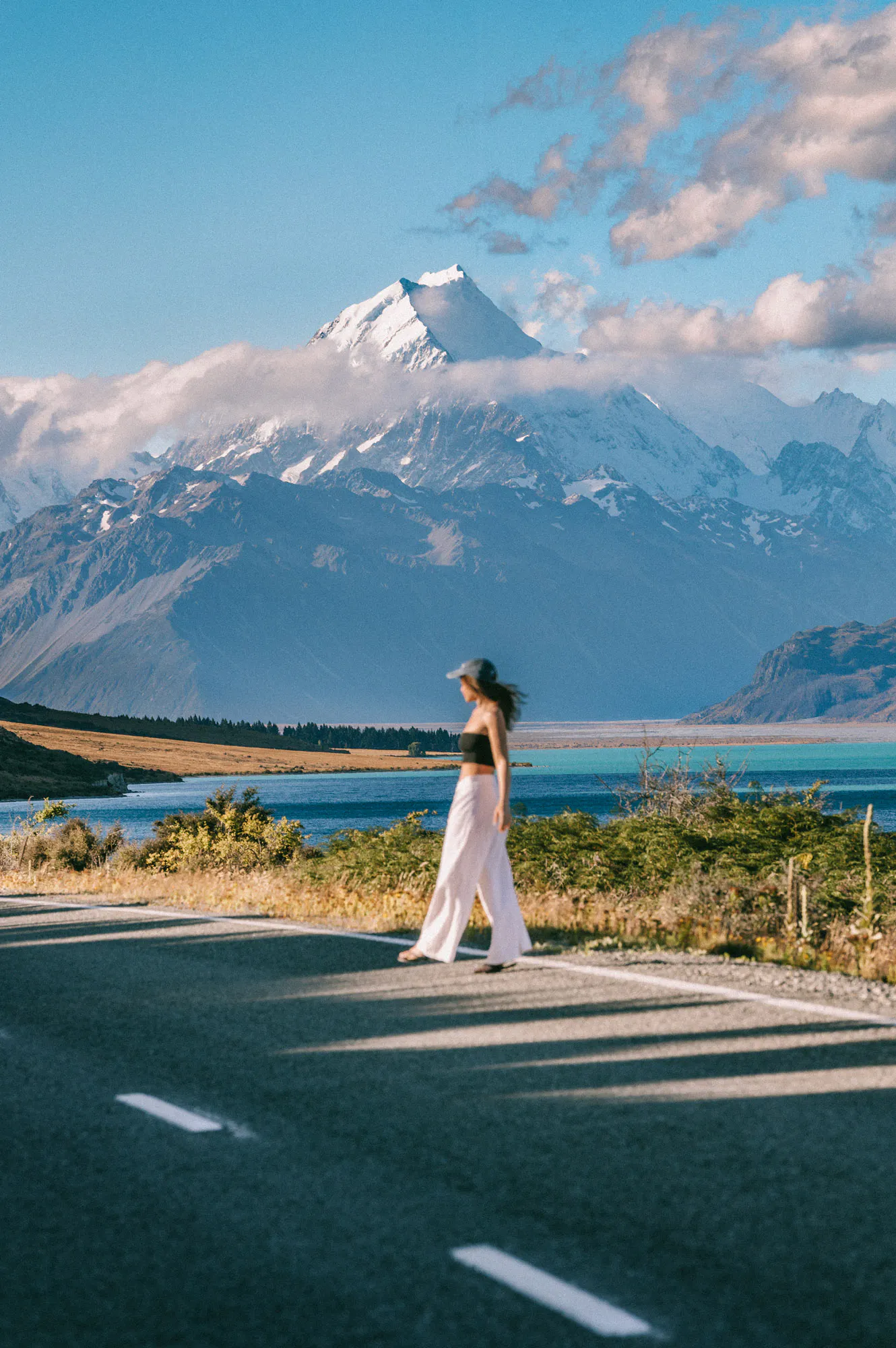
Lake Pukaki contains some of the brightest glacial water in New Zealand due to suspended rock particles created by surrounding glaciers. On clear days, the lake almost appears artificially colored.
The drive along the lake toward Mount Cook is one of the most visually striking roads in the country, particularly during late spring and early summer when snow still covers the mountains.
Best ways to experience Lake Pukaki:
• Drive the Mount Cook Road during clear weather
• Stop at shoreline pull-offs for photography
• Visit during sunrise or sunset for softer color gradients
• Combine with nearby hikes in Aoraki / Mount Cook National Park
8. Milford Sound
Milford Sound remains one of New Zealand’s most famous destinations for a reason. Massive cliffs rise directly from dark water while waterfalls pour down nearly every surface after rainfall.
Ironically, bad weather often creates the most dramatic experience here because heavy rain intensifies the waterfalls throughout Fiordland National Park.
What visitors should know:
• The drive into Milford Sound is almost as scenic as the fjord itself
• Rainy conditions create stronger waterfalls and moodier scenery
• Boat cruises remain the most popular way to experience the area
• Road closures occasionally happen during severe weather
9. Hundred Falls
Hundred Falls is one of those lesser-known roadside stops that many people accidentally miss while driving through the South Island. Depending on seasonal rainfall, dozens of thin waterfalls appear across the cliffs simultaneously, creating an almost surreal landscape during wet conditions.
The area changes dramatically depending on recent weather patterns, which means some visits look completely different from others.
Why people stop here:
• Multiple seasonal waterfalls across steep cliff faces
• Excellent scenery after heavy rain
• Easy roadside viewing opportunities
• Less crowded than major tourist attractions